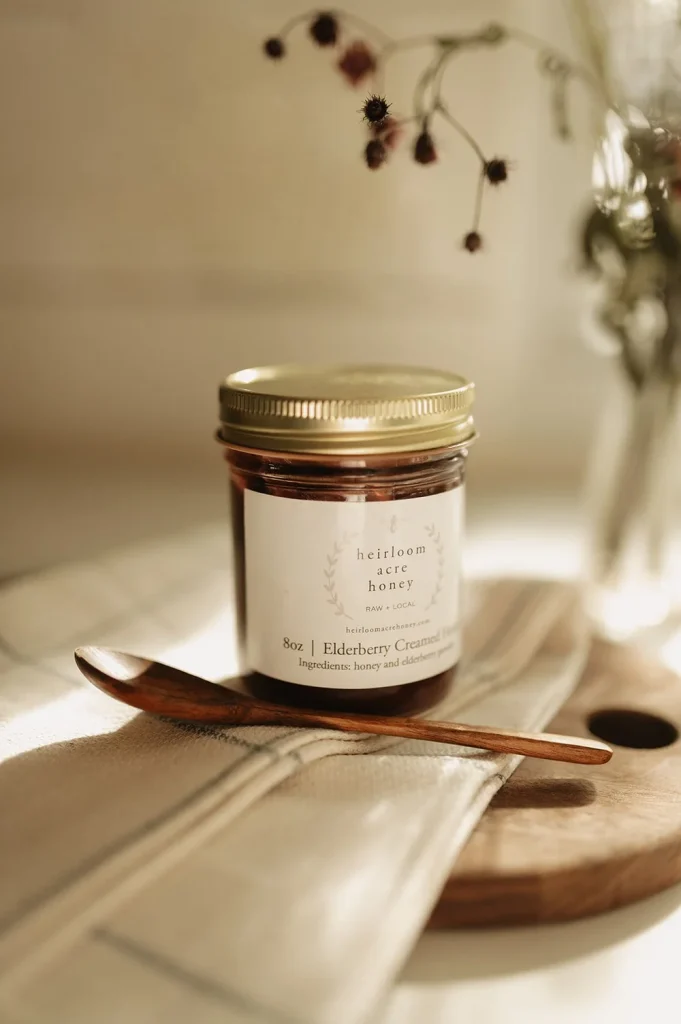
Have you ever found yourself staring at a jar of creamed honey, wondering if it belongs in your fridge or if it can safely stay on the pantry shelf? You’re not alone.
Many people are unsure about the proper storage of this deliciously smooth and spreadable honey. The answer might surprise you, and understanding it can save you from potential waste and preserve that delightful taste and texture we all love. Keep reading to uncover the truth about creamed honey storage and ensure you’re enjoying it at its best.
What Is Creamed Honey
Creamed honey is a unique form of honey that many people enjoy for its smooth texture and spreadable consistency. Unlike traditional liquid honey, creamed honey has a thicker, almost buttery feel that makes it perfect for toast, baking, or simply enjoying by the spoonful. Understanding what creamed honey really is helps you appreciate why it behaves differently and how best to store it.
Texture And Consistency
Creamed honey has a fine, smooth texture that’s easy to spread without dripping. It’s less sticky and more solid than liquid honey but still soft enough to scoop out with a knife.
This creamy consistency comes from tiny, uniform crystals that form throughout the honey. These crystals create a velvety feel rather than the coarse graininess you might find in crystallized honey.
How It’s Made
Creamed honey is made by controlling the crystallization process. Instead of letting honey crystallize naturally, which can be uneven and grainy, honey makers stir in tiny seed crystals.
These seed crystals encourage the honey to crystallize evenly and quickly, resulting in that smooth, spreadable texture. The process often involves cooling the honey to promote the right kind of crystal growth.
Have you ever noticed how some honey hardens quickly while others stay liquid? That’s because the way honey crystallizes depends on factors like temperature and the types of sugars present. Creamed honey is all about guiding those factors to achieve a perfect texture you can enjoy every day.
Storage Requirements
Proper storage of creamed honey helps keep its taste and texture fresh. Understanding how to store it protects its natural qualities. Storage needs depend on temperature and container type.
Shelf Stability At Room Temperature
Creamed honey stays stable at room temperature for months. It should be kept in a cool, dry place away from sunlight. A tightly sealed jar stops moisture and air from spoiling it. Avoid storing near heat sources like stoves or ovens. Room temperature storage keeps honey soft and spreadable without refrigeration.
Signs Of Spoilage
Spoiled creamed honey shows changes in color and smell. Look for:
- Darkening or unusual color shifts
- Sour or fermented odor
- Foam or bubbles on the surface
- Unpleasant taste or sharp flavor
Any of these signs mean the honey should be discarded. Proper storage lowers the risk of spoilage and keeps honey safe to eat.
Refrigeration Effects
Refrigerating creamed honey can change more than just its storage conditions. Understanding these changes helps you decide if refrigeration suits your taste and usage. Let’s look closely at how cold storage affects creamed honey’s texture and flavor.
Impact On Texture
Creamed honey is known for its smooth, spreadable texture. When you refrigerate it, the cold temperature can make it firmer and less easy to spread. This happens because the tiny sugar crystals inside become more compact in the cold.
However, some people prefer this thicker consistency for certain uses, like adding it to tea or baking. If you store it at room temperature instead, the texture stays softer and more pliable. Have you noticed how your creamed honey feels different after a cold snap in your fridge?
Flavor Changes
Cold temperatures tend to mute the rich, floral flavors of honey. Refrigeration can dull the natural sweetness and aroma, making creamed honey taste a bit less intense. This happens because colder conditions slow down the release of volatile compounds responsible for honey’s unique flavor.
On the other hand, keeping creamed honey at room temperature helps preserve its full, vibrant taste. If you enjoy honey’s complex flavor notes, you might want to skip the fridge. What’s your favorite way to enjoy the flavor of creamed honey—chilled or room temperature?

Credit: www.creamedhoney.com
Best Practices For Storing Creamed Honey
Storing creamed honey properly keeps its smooth texture and rich flavor. Poor storage can make it hard or cause unwanted changes. Follow simple tips to keep your honey fresh and easy to spread. Pay attention to the container type and the environment where you store it.
Ideal Containers
Use airtight containers to protect creamed honey from moisture and air. Glass jars work best because they do not absorb odors or flavors. Plastic containers can be used but choose food-grade types to avoid contamination. Avoid metal containers as they may react with honey and change its taste. Make sure the lid seals tightly to stop air from entering.
Optimal Temperature And Humidity
Store creamed honey at a cool room temperature between 50°F and 70°F (10°C to 21°C). Avoid places with high heat or direct sunlight, which can melt or darken the honey. Keep it away from humid areas to prevent moisture absorption. Moisture can cause fermentation and spoil the honey’s quality. A dry, dark cupboard or pantry is a perfect spot for storage.
Common Myths About Honey Storage
Honey is a natural sweetener that people have used for centuries. Many myths surround its storage, especially creamed honey. These myths can confuse people about whether honey needs refrigeration or special care. Understanding these myths helps keep honey fresh and tasty.
Honey Crystallizes Only When Refrigerated
Many believe honey crystals form only in the fridge. Actually, honey naturally crystallizes over time at room temperature. Cooler temperatures can speed this process, but refrigeration is not the main cause. Crystallization is normal and does not mean the honey is bad.
Honey Spoils Quickly Without Refrigeration
Some think honey goes bad if not kept cold. Honey has low water content and natural acids that stop bacteria growth. This makes honey last a very long time at room temperature. It rarely spoils, even without refrigeration.
Creamed Honey Needs Refrigerator To Stay Soft
Creamed honey is simply honey that has been processed to control crystallization. It stays smooth and spreadable at room temperature. Refrigerating creamed honey can make it harder and less pleasant to use. Keeping it in a cool, dry place is enough.
All Honey Should Be Stored In Dark Places Only
Light can affect honey’s color and flavor over time. Still, regular kitchen storage away from direct sunlight works well. Dark cabinets or pantry shelves are good choices, but special storage is not necessary.

Credit: onehoney.ca
Expert Tips For Long-lasting Creamed Honey
Keeping your creamed honey fresh and smooth is easier than you might think. The right care can preserve its delightful texture and rich flavor for months. Let’s dive into practical tips that help your creamed honey last long without losing quality.
Handling And Usage
Always use a clean, dry spoon to scoop out honey. Introducing moisture or crumbs can spoil the batch quickly.
Store your honey in a cool, dark place away from direct sunlight. While refrigeration isn’t necessary, it can extend the shelf life if your kitchen is warm.
Seal the jar tightly after each use to prevent air exposure, which can cause crystallization to speed up or change texture.
Avoiding Contamination
Never double-dip or use wet utensils in your honey jar. Even a small amount of water or food particles can lead to fermentation or mold growth.
If you notice any unusual smell or discoloration, it’s safer to discard the honey rather than risk consuming spoiled product.
Consider transferring your creamed honey to smaller containers once opened. This limits exposure and keeps the main supply fresher longer.

Credit: www.creamedhoney.com
Frequently Asked Questions
Does Creamed Honey Spoil Without Refrigeration?
Creamed honey does not spoil easily without refrigeration. Its low moisture and natural sugars prevent bacterial growth, keeping it safe at room temperature.
How Should I Store Creamed Honey At Home?
Store creamed honey in a cool, dry place away from direct sunlight. A pantry or cupboard at room temperature is ideal for maintaining texture.
Can Refrigeration Change Creamed Honey’s Texture?
Yes, refrigeration can make creamed honey firmer and harder to spread. Room temperature storage keeps it smooth and easy to use.
Is Creamed Honey Shelf-stable Like Liquid Honey?
Yes, creamed honey is shelf-stable like liquid honey due to low moisture content and natural preservatives, requiring no refrigeration for long-term storage.
Conclusion
Creamed honey stays fresh without refrigeration. Store it in a cool, dry place instead. Avoid direct sunlight to keep its smooth texture. Refrigeration can make it hard and grainy. Proper storage keeps creamed honey tasty and easy to use. Enjoy its natural sweetness anytime without worry.
Simple care helps maintain its quality longer. Creamed honey fits well in your kitchen routine. No fridge needed for this delicious treat.