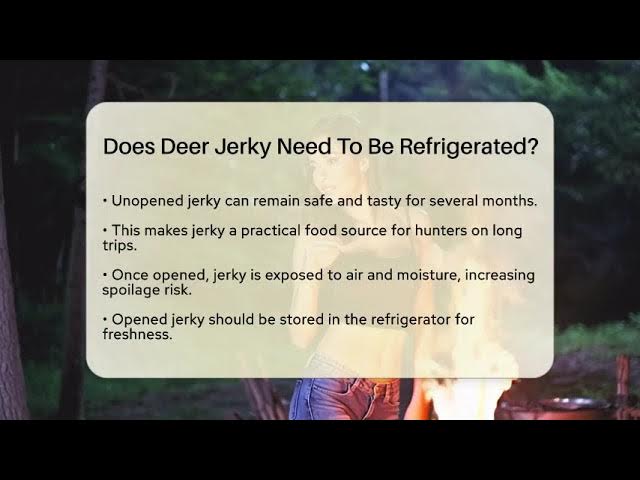
If you enjoy snacking on deer jerky or have some stored away, you might be wondering: does deer jerky need to be refrigerated? Keeping your jerky fresh and safe to eat is important, but the answer isn’t always simple.
You want to make sure your jerky stays tasty and free from spoilage, without wasting space in your fridge. You’ll discover the best ways to store deer jerky, how refrigeration affects its shelf life, and tips to keep every bite flavorful.
Keep reading to protect your jerky and enjoy it at its best every time.

Credit: kaimanajerky.com
Shelf Life Of Deer Jerky
Deer jerky is a popular snack for many outdoor enthusiasts and meat lovers. Knowing how long it stays good is important for safety and taste. The shelf life of deer jerky depends on several factors. Proper storage can keep it fresh longer and prevent spoilage.
Factors Affecting Longevity
Several things change how long deer jerky lasts. The drying method plays a big role. Well-dried jerky lasts longer because less moisture means less chance for bacteria. Salt and seasoning also help preserve the jerky by blocking harmful microbes.
Storage conditions matter a lot. Jerky kept in a cool, dark place stays fresh longer. Exposure to heat, light, or air speeds up spoilage. Packaging matters too. Vacuum-sealed jerky lasts much longer than jerky stored in open bags.
Homemade Vs Store-bought
Homemade deer jerky usually has a shorter shelf life. It may lack preservatives and airtight packaging. Homemade jerky stored at room temperature lasts about 1 to 2 weeks. Refrigerating can extend this to a month or more.
Store-bought jerky often contains preservatives and comes sealed. This jerky can last several months at room temperature if unopened. Once opened, it should be eaten within a week or refrigerated to stay fresh.
Refrigeration Benefits
Refrigerating deer jerky offers clear benefits that go beyond just keeping it cold. It helps maintain the jerky’s quality and safety, especially if you want to enjoy it over a longer period. Understanding these benefits can change how you store your jerky and ensure it stays delicious and safe to eat.
Preserving Freshness
Refrigeration slows down the natural breakdown of meat fibers and fats. This means your deer jerky will keep its flavor and texture longer compared to storing it at room temperature.
Think about those times you’ve opened a pack of jerky that felt dry or stale. Keeping it in the fridge helps avoid that by locking in moisture and preventing it from becoming too tough or crumbly.
Have you noticed how fresh jerky tastes right after making it? Refrigeration helps you keep that fresh taste for weeks, even months.
Preventing Mold And Bacteria
Jerky is dried to reduce moisture, but it can still absorb humidity from the air, creating a chance for mold or bacteria to grow. Refrigeration slows down this process significantly.
Without refrigeration, jerky exposed to warm and humid conditions can develop mold faster, which is not only unpleasant but can also be unsafe.
By keeping your jerky in the fridge, you create an environment where harmful microorganisms struggle to survive. This means safer snacks for you and your family.
When To Refrigerate Deer Jerky
Deer jerky is a delicious and convenient snack, especially for outdoor enthusiasts. However, knowing when to refrigerate it can be crucial to maintaining its quality and safety. While some jerky can last quite a while without refrigeration, there are certain situations where keeping it cool is a wise decision. Let’s dive into when you should consider refrigerating your deer jerky to ensure it stays fresh and tasty.
Opened Packages
Once you’ve opened a package of deer jerky, it’s exposed to air and moisture, which can hasten spoilage. Even if the jerky was vacuum-sealed initially, breaking that seal means it’s now vulnerable to bacteria and mold. To extend its shelf life, it’s best to transfer any uneaten pieces into an airtight container and place it in the refrigerator. This simple step can help preserve the jerky’s flavor and texture for several weeks.
High Humidity Environments
If you live in or are traveling to an area with high humidity, refrigeration becomes even more important. High moisture levels in the air can cause jerky to absorb water, leading to a chewy texture and potential mold growth. To prevent this, keep your deer jerky in a sealed container in the fridge. This not only keeps it dry but also ensures that it remains safe to eat.
Have you ever found yourself uncertain about how to store your deer jerky after a hunting trip? By considering factors like opened packages and environmental humidity, you can make informed decisions about refrigeration. Keeping your jerky fresh means more delicious snacking opportunities without worry!
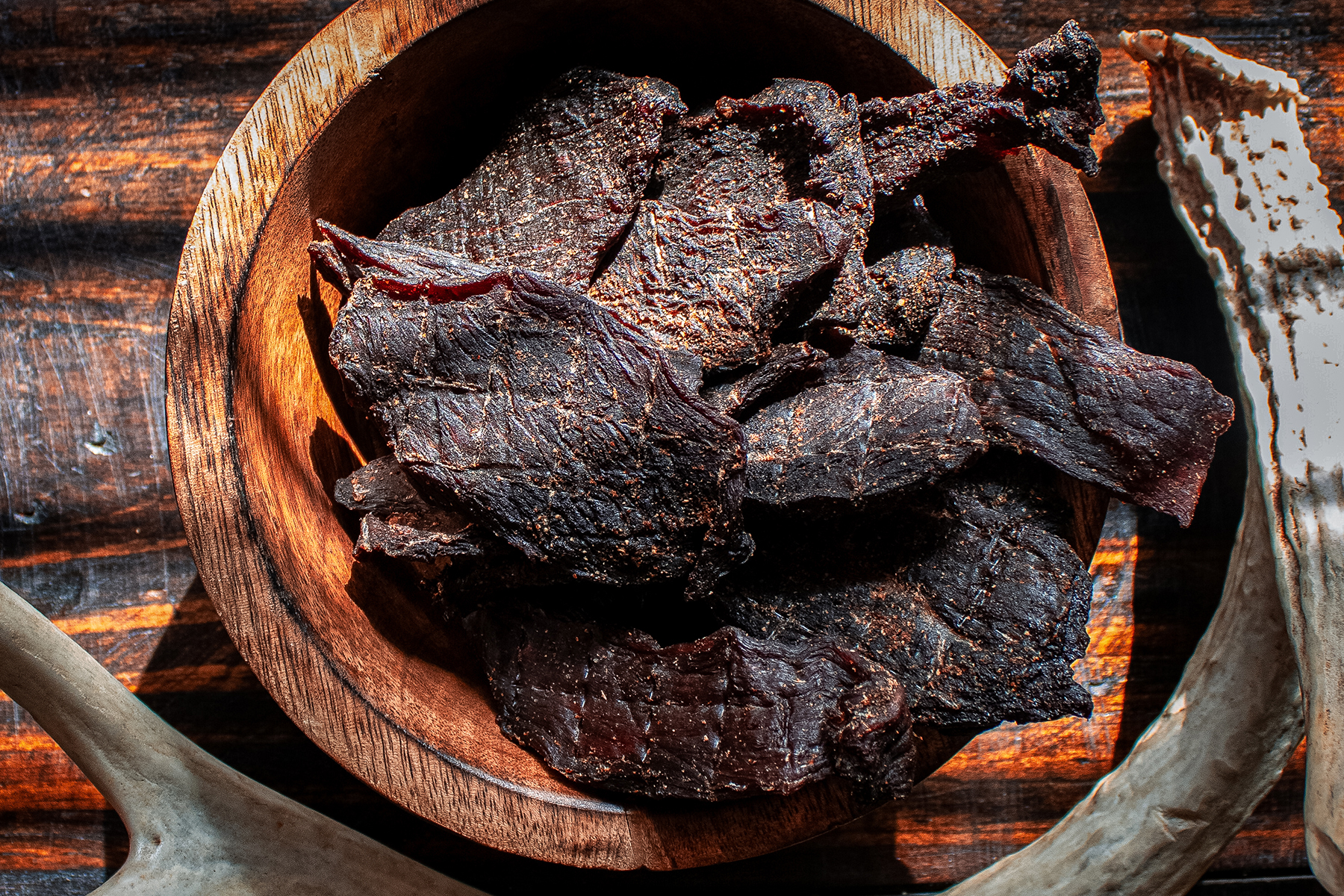
Credit: www.hookandbarrel.com
Storage Alternatives
Deer jerky lasts longer with the right storage methods. Different options keep jerky fresh without always using a refrigerator. These alternatives help preserve taste and texture.
Freezing Deer Jerky
Freezing deer jerky extends its shelf life greatly. Place jerky in airtight bags or containers before freezing. This prevents freezer burn and keeps jerky moist. When ready to eat, thaw jerky slowly in the fridge or at room temperature. Avoid microwaving to keep flavor intact.
Freezing works well for large jerky batches. It preserves nutrients and prevents spoilage for months. Use freezer-safe packaging for best results.
Vacuum Sealing Techniques
Vacuum sealing removes air from jerky packages. Less air means less chance for mold or bacteria growth. Vacuum-sealed jerky stays fresh for weeks or months at room temperature. It also keeps jerky flavor strong and texture chewy.
Use a vacuum sealer or vacuum-seal bags with a hand pump. Store sealed jerky in a cool, dark place. For extra protection, combine vacuum sealing with refrigeration or freezing.
Signs Of Spoiled Deer Jerky
Knowing the signs of spoiled deer jerky is crucial to avoid eating something that could harm your health or ruin your snack experience. Even if your jerky looks fine at first glance, subtle changes can hint that it’s past its prime. Pay close attention to what you see, smell, and feel before taking a bite.
Visual Changes
Spotting visual changes is the easiest way to detect spoiled deer jerky. Look for any unusual discoloration like dark spots, mold, or a white powdery coating that wasn’t there before. These often indicate bacterial or fungal growth, which means the jerky is no longer safe to eat.
Also, if the jerky looks excessively dry, cracked beyond normal, or has an oily film, it could be a sign of spoilage. Have you ever opened a jerky bag only to find the texture and color completely off? That’s your cue to toss it out.
Smell And Texture
The smell of your deer jerky tells you a lot. Fresh jerky has a smoky, savory aroma. If you notice a sour, rancid, or otherwise off-putting smell, it’s a red flag.
Texture changes also matter. Spoiled jerky might feel sticky, slimy, or unusually soft instead of firm and chewy. If you hesitate because the jerky feels different than what you remember, trust your instincts and avoid eating it.
Tips For Long-term Storage
Proper storage keeps deer jerky fresh and tasty for a long time. It protects the jerky from moisture, air, and pests. Following simple tips helps maintain flavor and texture. Storing jerky correctly avoids spoilage and waste.
Ideal Containers
Use airtight containers to keep jerky fresh. Glass jars with tight lids work well. Vacuum-sealed bags remove air and extend shelf life. Resealable plastic bags are good for short-term storage.
Avoid containers that let in air or moisture. Paper bags and loosely closed boxes allow jerky to dry out. Keep containers clean and dry before use.
Optimal Temperature And Humidity
Store jerky in a cool, dry place. Ideal temperature is between 50°F and 70°F (10°C to 21°C). Avoid heat sources like direct sunlight or near ovens.
Humidity should be low to prevent mold. Use a dehumidifier if your storage area is damp. Avoid basements or garages with high moisture levels.

Credit: www.youtube.com
Frequently Asked Questions
Does Deer Jerky Require Refrigeration After Opening?
Yes, once opened, deer jerky should be refrigerated to maintain freshness. Refrigeration slows bacterial growth and prevents spoilage, extending its shelf life.
How Long Can Deer Jerky Last Unrefrigerated?
Unopened deer jerky can last 1-2 months unrefrigerated if stored in a cool, dry place. After opening, refrigeration is recommended.
Can Storing Deer Jerky Unrefrigerated Cause Spoilage?
Yes, storing deer jerky unrefrigerated after opening increases spoilage risk. Warm temperatures promote mold and bacteria growth, affecting safety and taste.
What’s The Best Way To Store Deer Jerky?
Store unopened deer jerky in a cool, dry place. After opening, keep it in an airtight container in the refrigerator for optimal freshness.
Conclusion
Deer jerky stays fresh longer when stored properly. Keep it in a cool, dry place away from sunlight. Refrigeration helps if you want to extend its shelf life. Always seal the package tightly to avoid moisture and air. This stops bacteria and mold from growing.
Enjoy your jerky safely by following these simple steps. Safe storage means better taste and quality. Remember, proper care keeps your snack fresh and tasty.