Are you wondering if a dehumidifier can actually make your air conditioner work better? You’re not alone.
Many people struggle with sticky, humid air even when their AC is running nonstop. What if there was a simple way to ease that burden and make your home feel cooler without cranking up the thermostat? You’ll discover how a dehumidifier can change the game for your air conditioner, save energy, and keep your space more comfortable.
Keep reading to find out how these two appliances can work together to improve your indoor air quality and your comfort.
Credit: www.greenwashingindex.com
How Dehumidifiers Affect Cooling
Moisturein the air can make the room feel warmer than it is. High humidity makes the body sweat less, so it feels hotter. A dehumidifier removes this moisture, which helps the air feel cooler and more comfortable.
By reducing indoor humidity levels, dehumidifiers help keep the air dry. Dry air feels cooler and fresher. This also helps prevent mold and dust mites, which grow in moist places.
Impact on air conditioner load:When the air is dry, the air conditioner does not need to work as hard. It can cool the room faster and use less energy. This can save money on electricity bills and extend the life of the air conditioner.

Credit: aircareconnect.com
Energy Savings With Dehumidifiers
Dehumidifiershelp reduce moisture in the air. This makes the air feel cooler and more comfortable.
By removing humidity, air conditionersrun for a shorter time. This lowers energy useand saves money on bills.
- Less humidity means AC cools more easily.
- Shorter AC runtime means lower electricity costs.
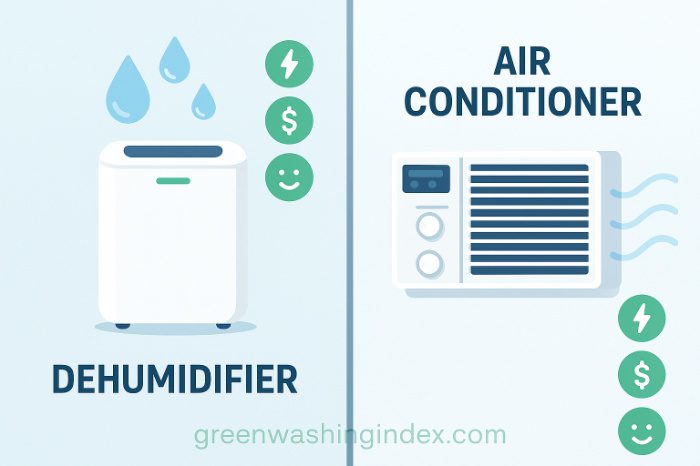
- Dehumidifiers cost less to run than AC units.
Using a dehumidifier can improve cost efficiency. It also helps your home stay dry and fresh.
Choosing The Right Dehumidifier
Choosing the right dehumidifier depends on room sizeand moisture level. Small rooms need a smaller capacity unit. Large rooms or very damp areas require a higher capacity dehumidifier. Capacity is often measured in pints of moisture removed per day.
Consider the size of the spacebefore buying. A unit too small will not work well. A unit too large wastes energy. Check the product label for recommended room sizes.
- Place the dehumidifier in a central locationfor best results.
- Keep it away from walls or furniture to allow airflow.
- Do not block the air intake or outlet.
- Use on floors or surfaces that are dry and stable.
- Check the water tank regularly and empty it as needed.

Credit: www.nytimes.com
When To Use Dehumidifiers With Ac
High humidity makes rooms feel hotter and stuffy. Dehumidifiers remove extra moisture from the air. This helps the air conditioner cool better and use less energy. Using both can make the home more comfortable, especially in places where humidity stays high all year.
During certain seasons, humidity can rise even if temperatures drop. Running a dehumidifier during these times keeps moisture under control. It also prevents mold and mildew growth. This helps protect furniture and walls.
- Use a dehumidifier when humidity is above 60%.
- Run it alongside the AC in rainy or humid months.
- Turn it off when humidity levels are low to save energy.
- Keep doors and windows closed to maximize effectiveness.
Common Misconceptions
Dehumidifiersand air conditionersboth help with indoor comfort but serve different purposes. An air conditioner cools the airand removes some moisture. A dehumidifier only removes moisturefrom the air without cooling it.
Using a dehumidifier can help your air conditioner work better by reducing humidity. Less moisture means the air feels cooler and your AC uses less energy. But a dehumidifier does not replace an air conditioner.
Overusing dehumidifiers can cause too dry air. This can lead to dry skin, irritated eyes, and respiratory issues. It is important to balance humidity levels between 30% and 50%for comfort and health.
Maintaining Both Systems
Keeping both the dehumidifierand air conditionerclean helps them work well. Dust and dirt can block air flow and lower their power.
Change filters often to stop dust from building up. Clean filters let air pass easily. This keeps rooms cool and dry.
- Check filters every month.
- Wash or replace filters as needed.
- Clean the water tank of the dehumidifier regularly.
Professional service can spot hidden problems early. A technician can clean parts you cannot reach.
Annual check-ups keep both systems running longer and better.
Frequently Asked Questions
Does A Dehumidifier Improve Air Conditioner Efficiency?
Yes, a dehumidifier reduces indoor humidity, easing the air conditioner’s workload. This helps the AC cool more efficiently and lowers energy consumption.
Can A Dehumidifier Reduce Ac Energy Bills?
By removing excess moisture, a dehumidifier allows the air conditioner to run less frequently. This can lead to noticeable savings on your energy bills.
Should I Use A Dehumidifier With My Air Conditioner?
Using both together is ideal in humid climates. The dehumidifier controls moisture, while the AC focuses on cooling, improving overall comfort and air quality.
How Does Humidity Affect Air Conditioner Performance?
High humidity makes the air feel warmer and forces the AC to work harder. Lower humidity levels help the AC maintain a consistent and comfortable temperature.
Conclusion
Dehumidifiers can boost air conditioner efficiency. They reduce humidity, making the room cooler. This means less work for your air conditioner. Energy bills could decrease. You might notice a more comfortable indoor climate. No more sticky, damp air. A win for both comfort and cost.
Consider a dehumidifier as a helpful companion. It’s simple and effective. Ideal for hot, humid months. Your air conditioner will thank you. Enjoy a cooler, more pleasant home environment.