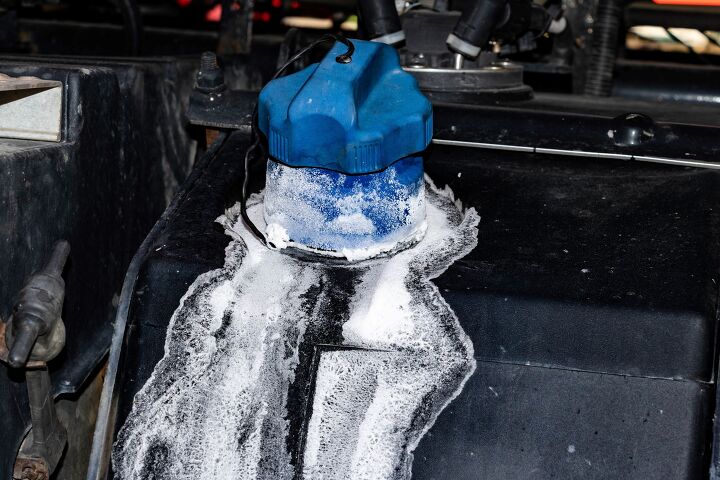
Have you ever wondered what happens to your Diesel Exhaust Fluid (DEF) when the temperature drops? If you rely on diesel engines, knowing whether DEF freezes could save you from unexpected engine trouble.
Freezing DEF can affect your vehicle’s performance and even cause costly repairs. You’ll discover the truth about DEF freezing, how it impacts your engine, and what you can do to protect your vehicle in cold weather. Keep reading to make sure your diesel engine runs smoothly, no matter the temperature outside.
What Is Diesel Exhaust Fluid
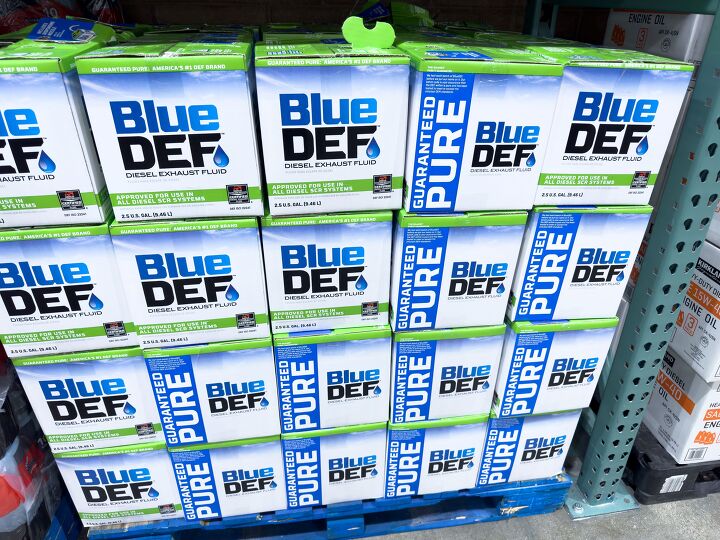
Diesel Exhaust Fluid (DEF) is a liquid used in diesel engines to reduce harmful emissions. It is essential for meeting environmental standards and keeping engines running clean. DEF works with special systems in vehicles to lower pollution from exhaust gases.
Composition And Purpose
DEF is made of two main ingredients:
- 32.5% high-purity urea
- 67.5% deionized water
Urea helps convert nitrogen oxides (NOx) into harmless nitrogen and water. The water dilutes the urea for safe injection into the exhaust system. DEF is not fuel; it only treats exhaust gases.
Role In Emission Control
DEF is used in Selective Catalytic Reduction (SCR) systems. SCR reduces nitrogen oxide emissions from diesel engines. When DEF sprays into hot exhaust, it breaks down NOx into nitrogen and water vapor.
This process lowers pollution and helps vehicles meet strict emission rules. Using DEF improves air quality and supports cleaner diesel engine performance.
Credit: www.thetruthaboutcars.com
Freezing Point Of Diesel Exhaust Fluid
Understanding the freezing point of Diesel Exhaust Fluid (DEF) is crucial if you rely on diesel-powered vehicles, especially in colder climates. DEF is a mixture primarily made of urea and water, and it behaves differently from pure water when exposed to freezing temperatures. Knowing exactly when DEF freezes helps you prevent issues like clogged injection systems or damaged tanks, which can be costly and frustrating.
Temperature Thresholds
DEF freezes at around -11°C (12°F). This is much lower than the freezing point of water, which is 0°C (32°F). Because of this, DEF can withstand moderately cold temperatures before solidifying.
Once frozen, DEF forms a solid block but does not lose its effectiveness when thawed. The key is to avoid frequent freezing and thawing cycles, which can degrade its quality over time.
Factors Affecting Freezing
Several factors influence the exact freezing point of DEF. The purity of the urea and water mixture plays a big role—higher quality DEF tends to have a more consistent freezing point. Contaminants or improper mixing can alter this threshold, making freezing more likely at higher temperatures.
Storage conditions also matter. If your DEF is stored in a container exposed to wind or sudden temperature changes, it might freeze faster. Have you checked whether your DEF storage is insulated or heated during winter? This simple step can keep your fluid flowing smoothly.
Impact Of Freezing On Def Performance
Freezing can significantly affect Diesel Exhaust Fluid (DEF) and its ability to reduce harmful emissions. Understanding how freezing impacts DEF’s performance is crucial for maintaining your vehicle’s efficiency and longevity. Let’s break down what happens when DEF freezes and what that means for your engine.
Effect On Chemical Properties
DEF is made up of 32.5% high-purity urea and 67.5% deionized water. When it freezes, the water component turns solid, but the urea remains dissolved in the liquid phase. This separation changes the concentration balance temporarily.
However, once thawed, DEF typically returns to its original chemical composition without damage. Still, repeated freezing and thawing cycles can cause impurities to form or degrade the urea quality. This might reduce DEF’s effectiveness in neutralizing nitrogen oxides (NOx).
Have you noticed any changes in your DEF’s clarity or smell after cold weather? That could be a sign of chemical degradation due to freezing.
Consequences For Engine Operation
Your vehicle’s selective catalytic reduction (SCR) system depends on a steady flow of DEF to reduce emissions. When DEF freezes, it becomes unusable until it melts, which might delay engine operation or trigger warning lights.
Most modern vehicles have heated DEF tanks and lines to prevent freezing issues. But if your DEF supply is frozen solid, the injection system may temporarily stop working, causing increased emissions and potential engine performance problems.
Ignoring frozen DEF can lead to system faults that might require costly repairs. To avoid this, store DEF in temperature-controlled environments or use additives designed for cold climates.
- Ensure your DEF tank heater is functioning before winter.
- Use only high-quality DEF meeting industry standards.
- Regularly check DEF levels and condition during cold months.
Have you experienced engine warnings linked to DEF freezing? Taking simple preventive steps can save you from unexpected downtime and repair bills.
Storage And Handling In Cold Climates
Diesel exhaust fluid freezes at about 12°F (-11°C). Keep it indoors or heated during cold weather to prevent freezing and damage. Proper storage ensures it stays liquid and works well in diesel engines.
Storing and handling Diesel Exhaust Fluid (DEF) in cold climates requires special care. DEF can freeze at temperatures below 12°F (-11°C). This can pose challenges for those in colder regions. Proper storage ensures DEF remains effective and maintains its quality. Understanding how to store and handle DEF can prevent unnecessary issues.Best Practices To Prevent Freezing
Use insulated storage containers for DEF. This helps maintain a stable temperature. Ensure containers are sealed properly. This prevents moisture and contaminants from entering. Store DEF in a temperature-controlled environment if possible. Insulated warehouses or garages work well. Avoid storing DEF outdoors in freezing temperatures. Regularly check DEF for any signs of freezing. If DEF freezes, it expands slightly. This could damage containers. Use heaters in storage areas during extreme cold. This helps maintain a consistent temperature. Portable electric heaters can be effective. Ensure proper ventilation when using heaters.Recommended Storage Temperatures
Store DEF between 12°F (-11°C) and 86°F (30°C). This range ensures DEF remains liquid and stable. Avoid direct sunlight and extreme heat. High temperatures can degrade DEF quality. A shaded or indoor area is ideal for storage. Temperature fluctuations can affect DEF quality. Aim to keep the temperature constant. Regularly monitor storage temperatures. Use thermometers or temperature sensors. This ensures DEF remains within the recommended range. By following these guidelines, DEF remains effective in cold climates. Proper handling ensures your vehicle runs smoothly.Thawing Frozen Diesel Exhaust Fluid
Frozen Diesel Exhaust Fluid (DEF) can be a headache, especially when you need it to flow smoothly in your vehicle’s system. Thawing it properly is crucial to maintain its quality and effectiveness. Let’s look at how you can safely thaw frozen DEF without compromising its performance or causing damage.
Safe Thawing Methods
Slow and steady wins the race when thawing DEF. The best way is to bring the fluid indoors or into a warmer environment where the temperature is above freezing. This allows the DEF to thaw naturally without sudden temperature shocks.
If you’re in a hurry, placing the container in a basin of warm water works well. Keep the water temperature below 40°C (104°F) to prevent overheating. Avoid using direct heat sources like heaters or open flames, as high heat can break down the DEF’s chemical balance.
Remember to stir gently if possible after thawing. This helps ensure the fluid is uniform and ready for use.
Precautions To Avoid Damage
Thawing DEF too quickly or with improper methods can ruin its effectiveness. Never use a microwave or a direct flame to thaw it. These methods can cause chemical changes that make the fluid useless.
Also, avoid refreezing DEF once it has thawed. Constant freezing and thawing cycles degrade its quality. Always check the fluid for clarity and consistency before using it again. If it looks cloudy or has particles, it’s better to replace it.
Have you ever had to deal with frozen DEF unexpectedly? How did you handle it? Share your experience and tips to help others avoid common mistakes.
Credit: www.thetruthaboutcars.com
Vehicle Systems And Def Freezing
Diesel Exhaust Fluid (DEF) plays a crucial role in reducing harmful emissions from diesel engines. However, DEF can freeze in cold weather, which might affect its flow and performance. Vehicle systems are designed to handle these freezing conditions to keep the engine running smoothly. Understanding how these systems work helps in maintaining vehicle efficiency during winter.
Built-in Heating Mechanisms
Many diesel vehicles have heating elements inside the DEF tank or lines. These heaters activate when temperatures drop near freezing. They warm the DEF, preventing it from solidifying. The heating system uses engine heat or electric power. This keeps the DEF liquid and ready to flow properly. Without this feature, frozen DEF could block the system.
How Vehicles Manage Frozen Def
When DEF freezes, sensors detect the change in temperature. The vehicle’s computer delays DEF injection until the fluid thaws. Some vehicles warn drivers about frozen DEF through dashboard alerts. Engine power may reduce to protect the system. Once the DEF warms up, normal operation resumes automatically. This protection avoids damage to the emission control system.
Signs Of Frozen Or Compromised Def
Knowing the signs of frozen or compromised Diesel Exhaust Fluid (DEF) is crucial for keeping your vehicle running smoothly. DEF plays a vital role in reducing emissions, but it can freeze in cold weather or become contaminated over time. Recognizing these signs early can save you from costly repairs and downtime.
Visual And Performance Indicators
Frozen DEF usually looks cloudy or crystallized instead of clear and liquid. You might notice ice crystals forming inside the DEF tank or around the filler neck. If you see this, it’s a clear sign the fluid isn’t in the right state.
Performance-wise, your vehicle may show warning lights related to the emissions system. You might also experience reduced engine power or rough idling. These symptoms indicate the DEF isn’t properly flowing through the system, affecting its ability to reduce harmful emissions.
Have you ever felt your truck hesitate or lose power during a cold morning start? That could be a subtle hint your DEF has frozen or is compromised.
When To Replace Def
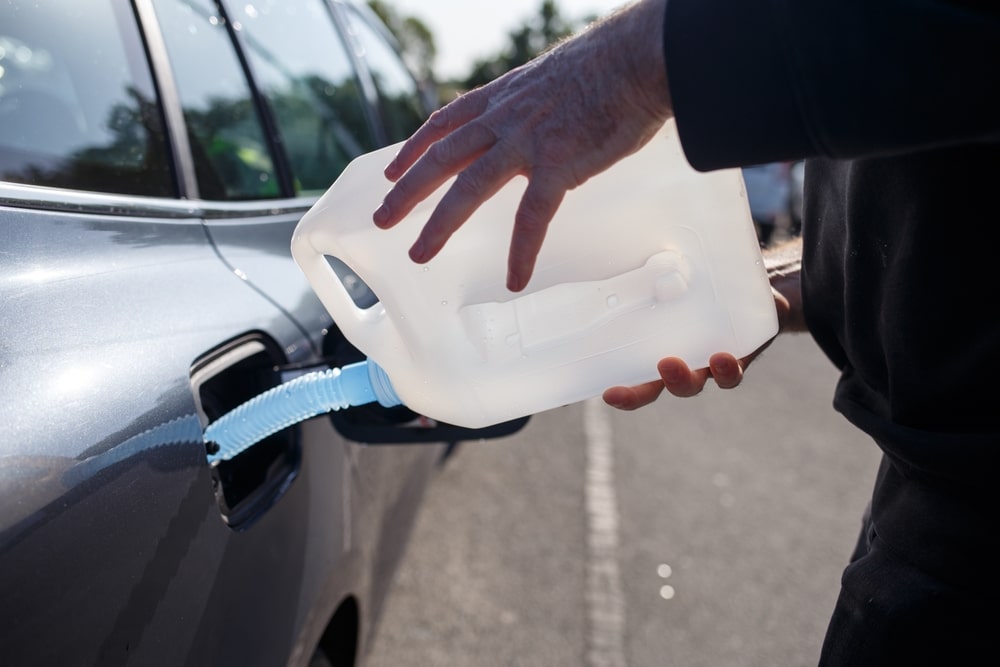
DEF typically lasts a long time if stored properly, but it isn’t immune to contamination or degradation. If your DEF has been frozen multiple times or has been exposed to dirt or water, it’s best to replace it. Cloudy appearance or an unusual smell also means it’s time for fresh fluid.
Using old or contaminated DEF can damage your vehicle’s selective catalytic reduction (SCR) system. Regularly check the DEF quality, especially before winter or after long storage periods. If you’re unsure, replacing the fluid is a safer option than risking engine damage.
Credit: azurechemical.com
Frequently Asked Questions
Does Diesel Exhaust Fluid Freeze In Cold Temperatures?
Yes, Diesel Exhaust Fluid (DEF) freezes at around 12°F (-11°C). Freezing does not damage DEF, and it thaws quickly when warmed. Proper storage helps prevent freezing in cold climates.
How To Store Diesel Exhaust Fluid In Winter?
Store DEF in a temperature-controlled environment above 12°F (-11°C). Use insulated containers or heated storage to prevent freezing. Avoid direct exposure to extreme cold to maintain fluid quality.
Can Frozen Diesel Exhaust Fluid Damage Vehicle Systems?
No, frozen DEF does not damage vehicle systems. Modern vehicles have heaters to thaw DEF before use. Ensure DEF thawing occurs before engine operation to avoid issues.
How Long Does Diesel Exhaust Fluid Take To Thaw?
DEF typically thaws within a few hours at room temperature. Faster thawing occurs with controlled heating. Avoid rapid heating methods that might compromise fluid integrity.
Conclusion
Diesel Exhaust Fluid can freeze in cold weather. This is normal and does not damage the fluid. The DEF will thaw quickly once temperatures rise. Keep your DEF tank full to avoid issues. Use proper storage to protect it from freezing.
Regular checks help ensure your vehicle runs smoothly. Understanding DEF freezing helps you maintain your diesel engine. Stay prepared for cold weather to avoid surprises. Simple care keeps your vehicle working well all year.