Have you ever reached under your sink to grab some dishwasher detergent, only to wonder if it’s still as effective as it once was? You’re not alone.
Many people are unsure whether their dishwasher detergent can actually go bad. This isn’t just a trivial concern—using expired or ineffective detergent can leave your dishes spotty and your machine working harder than it should. But don’t worry, we’re here to clear up the confusion.
You’ll discover the signs that your detergent might be past its prime and learn how to ensure your dishes come out sparkling clean every time. Stay with us, because knowing the lifespan of your detergent could save you from unnecessary scrubbing and prevent potential damage to your dishwasher.

Credit: www.ufinechem.com
Shelf Life Of Dishwasher Detergent
Dishwasher detergent does have a shelf life that affects its cleaning power. Over time, detergents can lose effectiveness or clump together. Storing detergent properly helps maintain its strength and ensures your dishes get clean every time. Different forms of detergent have varying longevity based on their ingredients and packaging.
Powder Detergent Longevity
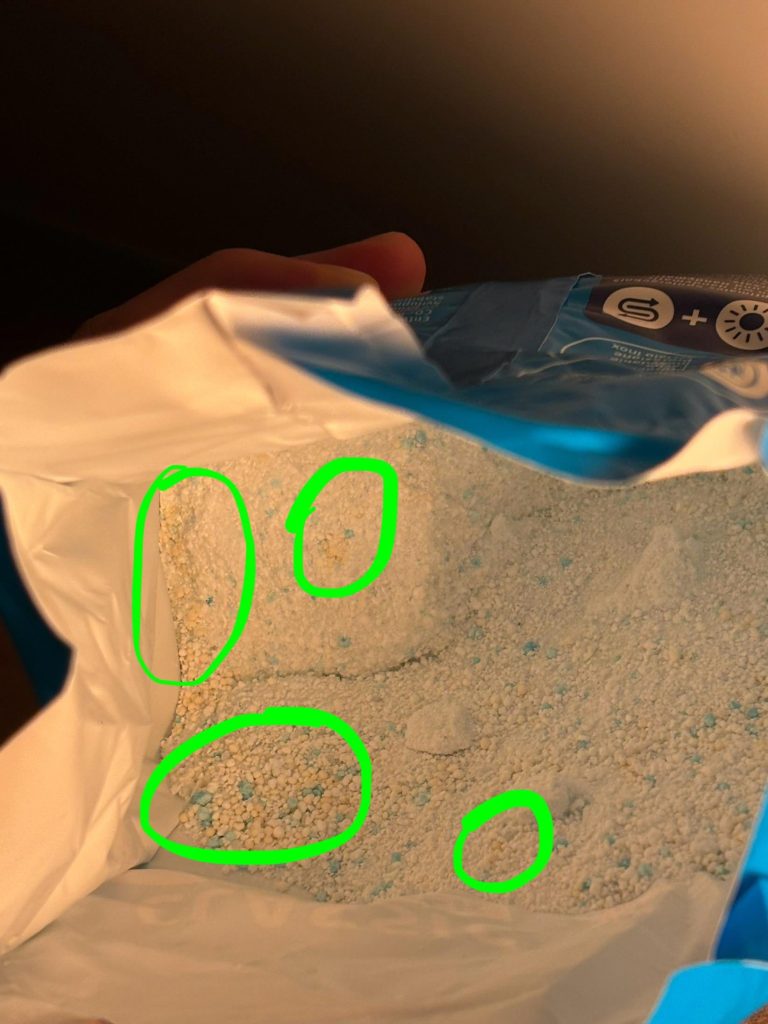
Powder detergent usually lasts about 1 to 2 years. Moisture exposure causes clumping and reduces cleaning ability. Keep powder detergent in a dry, cool place with a tight lid. Avoid storing near heat or steam sources. Clumpy powder might not dissolve well, leaving residue on dishes.
Liquid And Gel Detergent Duration
Liquid and gel detergents tend to last up to 1 year. Over time, they can separate or thicken. Shake the bottle well before use to mix ingredients. Store these detergents in cool, dry areas away from sunlight. Thickened detergent may not spread evenly in the dishwasher.
Tablet And Pod Expiry
Tablets and pods usually have a shelf life of 1 to 2 years. The outer film can degrade if exposed to moisture. Keep pods in their original container, sealed tightly. Avoid opening the packaging until ready to use. Expired tablets may dissolve poorly and leave spots on dishes.

Credit: puracy.com
Signs Detergent Has Expired
Knowing the signs that your dishwasher detergent has expired can save you from ineffective cleaning and potential damage to your dishes. Expired detergent may not work as it should, leaving spots or residue behind. Paying attention to changes in texture, color, and smell can help you decide if it’s time to replace your detergent.
Changes In Texture And Color
Have you noticed your detergent looking different than when you first bought it? Detergent that has clumped together or hardened is a clear sign it’s past its prime. Powdered detergents may turn lumpy or grainy, while liquid detergents might separate or become cloudy.
Color changes are also a red flag. If your detergent has faded or darkened significantly, it may have lost its effectiveness. These visual cues show that the ingredients are breaking down and won’t clean your dishes properly.
Loss Of Cleaning Power
Are your dishes coming out dirtier than usual? If your detergent isn’t cutting through grease or leaving behind spots, it could mean the product has expired. Detergent loses its active ingredients over time, reducing its ability to break down food and grime.
One way to test this is by using a fresh detergent packet alongside the old one. If you see a noticeable difference, it’s time to toss the expired detergent. Your dishes deserve the best cleaning power every time.
Unusual Odors
Does your detergent smell off or different? A strong, sour, or chemical odor can indicate it’s no longer good to use. Fresh detergent usually has a mild scent, but an unusual smell means the ingredients have degraded.
Using detergent with strange odors can transfer those smells to your dishes or even your dishwasher. If you detect this, replace the detergent to keep your kitchen smelling fresh and your dishes clean.
Factors Affecting Detergent Stability
Understanding what affects dishwasher detergent stability can help you get the best cleaning results every time. Detergent isn’t just a powder or liquid; it’s a mix of chemicals sensitive to how you store and handle it. Small changes in storage or environment can reduce its effectiveness, leaving your dishes less clean than expected.
Storage Conditions
Where you keep your detergent matters a lot. A cool, dry place away from direct sunlight is ideal. Storing detergent in a humid bathroom cabinet or near the stove can cause it to break down faster.
Think about the last time you left detergent in a damp sink cabinet. Did you notice clumps or a change in texture? That’s a clear sign the detergent’s stability is compromised. Keeping the container tightly sealed also prevents air from spoiling the formula.
Exposure To Moisture
Moisture is a detergent’s worst enemy. Even a small amount of water can cause powder detergent to clump or liquid detergent to separate. This reduces its ability to dissolve properly during the wash cycle.
Have you ever opened an old detergent box and found it stuck together? That’s moisture at work. Using a dry scoop and ensuring lids are closed immediately helps keep moisture out and your detergent fresh longer.
Temperature Impact
Extreme temperatures can harm detergent stability. Heat can cause powders to harden and liquids to degrade, while freezing temperatures might separate or change the consistency of liquids.
If you store your detergent in a garage or unheated basement, you might be unknowingly reducing its lifespan. Keeping detergent at room temperature maintains its cleaning power and prevents unexpected performance drops.

Credit: www.reddit.com
Risks Of Using Expired Detergent
Using expired dishwasher detergent might seem harmless, but it can lead to several issues that affect both your dishes and your appliance. Detergent formulas degrade over time, which means they lose their effectiveness and can even cause unexpected problems. Understanding these risks can help you decide when it’s time to replace that old box or bottle.
Poor Cleaning Results
Expired detergent often loses its ability to break down food particles and grease effectively. You might notice dishes coming out with spots, film, or leftover residue. This means you’ll spend more time re-washing or hand-scrubbing, which defeats the purpose of using a dishwasher.
Damage To Dishwasher
Old detergent can leave behind buildup inside your dishwasher’s components, such as filters, spray arms, and pipes. Over time, this buildup can clog or corrode parts, reducing the machine’s lifespan. Have you ever wondered why your dishwasher suddenly isn’t cleaning as well? Expired detergent could be a hidden culprit.
Potential Residue On Dishes
When detergent breaks down, it might not rinse away completely, leaving a film or gritty feeling on your plates and glasses. This residue isn’t just unpleasant—it can also be unsafe, especially if you have sensitive skin or allergies. Do you want your family to eat off dishes that might carry leftover chemicals?
Proper Storage Tips
Proper storage of dishwasher detergent is key to keeping it effective and extending its shelf life. If detergent is left exposed to the wrong conditions, it can clump, lose potency, or even become unusable. Let’s look at how you can store your detergent to avoid these problems and get the best results every wash.
Ideal Containers And Locations
Use airtight containers made of plastic or glass to store your dishwasher detergent. Original packaging is often designed for protection, but transferring detergent to a sturdy container can add an extra layer of safety. Choose a storage spot that’s cool, dark, and dry—like a kitchen cabinet away from direct sunlight.
Think about where you keep other cleaning supplies. Is that spot warm or humid? If so, it’s time to find a better place. Have you ever noticed detergent clumping in a hot pantry? That’s a clear sign your storage location needs rethinking.
Avoiding Moisture And Heat
Moisture is the enemy of dishwasher detergent. Even a small amount of water can cause powders or pods to stick together and degrade. Avoid storing detergent near the sink or dishwasher, where steam and splashes are common.
Heat speeds up chemical breakdown. Keep detergent away from ovens, stoves, or heating vents. If your kitchen tends to get warm, consider a cool basement or a sealed container with a desiccant packet to absorb moisture.
Sealing And Packaging Advice
Always reseal detergent packages tightly after use. If the original packaging is a box, consider placing it inside a zip-top bag or airtight container. This double layer prevents air and moisture from sneaking in.
For powdered detergent, avoid scooping with wet hands—this can introduce moisture. Using a clean, dry spoon helps maintain quality. Do you check your detergent’s packaging regularly for tears or holes? Fixing these quickly can save your detergent from spoiling.
Disposal Of Old Detergent
Old dishwasher detergent can lose its effectiveness over time. Storing unused detergent for too long can cause clumping or a change in texture. Disposing of old detergent safely is important to protect your home and the environment. Proper disposal avoids harm to plumbing and local water systems.
Safe Disposal Methods
Dispose of old dishwasher detergent carefully to avoid damage. Start by checking local waste disposal rules. Some areas allow small amounts to be rinsed down the drain with plenty of water.
Another option is to mix the detergent with water until it dissolves. Pour the diluted mixture slowly down the drain. Avoid pouring large amounts at once to prevent clogs.
For powdered or solid detergent, place it in a sealed bag. Throw it in the trash to prevent spills. Do not dump detergent directly into outdoor soil or storm drains.
Environmental Considerations
Many detergents contain chemicals that can harm plants and animals. Avoid pouring large amounts into natural water sources. These chemicals can pollute lakes, rivers, and oceans.
Choose biodegradable detergents to reduce environmental impact in the future. Proper disposal helps keep ecosystems safe and clean.
Recycling detergent containers is also important. Rinse containers before recycling to remove residue. This step helps protect recycling facilities and the environment.
Frequently Asked Questions
Does Dishwasher Detergent Expire Over Time?
Yes, dishwasher detergent can expire. Over time, it loses effectiveness due to moisture and air exposure. Expired detergent may not clean dishes well or leave residue.
How Long Does Dishwasher Detergent Last Unopened?
Unopened dishwasher detergent typically lasts about 1 to 2 years. Proper storage in a cool, dry place helps maintain its quality and cleaning power.
Can Expired Dishwasher Detergent Harm My Dishwasher?
Expired detergent generally won’t harm your dishwasher. However, it may cause poor cleaning results and buildup, potentially affecting dishwasher performance over time.
How To Store Dishwasher Detergent Properly?
Store dishwasher detergent in a cool, dry place away from moisture and heat. Keep the container tightly sealed to preserve its cleaning strength.
Conclusion
Dishwasher detergent can lose its power over time. Using old detergent may leave dishes dirty. Store detergent in a cool, dry place. Check the expiration date on the package. Fresh detergent cleans better and saves water. Keep your dishwasher working well by using good detergent.
Remember, clean dishes start with fresh detergent. Don’t waste detergent that has gone bad. Small steps help keep your kitchen clean and safe.