When setting up your kitchen, the question of whether your dishwasher should hook up to hot or cold water can be puzzling. You might wonder if connecting it to hot water will boost its cleaning power, or if cold water is the secret to energy savings.
Imagine the convenience of perfectly clean dishes without the guesswork. By understanding the right water connection, you can optimize your dishwasher’s performance and efficiency. You deserve a kitchen that works seamlessly, saving you time and effort. Let’s dive into the essentials, so you make the best choice for your home.

Credit: www.screwfix.com
Water Supply Options
Choosing the right water supply for your dishwasher affects its performance and energy use. You have two main options: connecting it to hot water or cold water. Each choice has its own benefits and things to consider, so understanding these will help you decide what works best for your kitchen setup.
Hot Water Connection
Connecting your dishwasher to the hot water line means it gets water that is already heated. This can reduce the dishwasher’s cycle time because it doesn’t need to heat the water as much.
Most dishwashers are designed to handle hot water directly, which can improve cleaning performance on tough stains. However, the water temperature should not exceed 140°F (60°C) to avoid damaging the appliance.
Think about your water heater’s location. If it’s far from the kitchen, hot water might take longer to reach the dishwasher, causing delays. Have you noticed your dishes come out cleaner when using hot water? That’s a real advantage.
Cold Water Connection
Hooking your dishwasher to cold water means the appliance will heat the water itself during the wash cycle. This can take more time and use more energy, but it gives the dishwasher full control over water temperature.
This option is common in homes where the hot water line is difficult to access or if you want to save on hot water usage for other purposes. Some dishwashers have efficient heating elements that quickly bring cold water to the right temperature.
Cold water connection offers flexibility, especially if your water heater is unreliable or if you want to avoid potential damage from overly hot water. Have you ever considered how much energy your dishwasher uses to heat water? Connecting to cold water might give you better insights.
Pros And Cons Of Hot Water Hookup
Connecting a dishwasher to hot water has distinct advantages and drawbacks. This choice impacts energy use, cleaning results, and appliance safety. Understanding these factors helps you decide the best water hookup for your dishwasher.
Energy Efficiency
Using hot water can reduce the dishwasher’s energy use. The machine needs less energy to heat water already warm. This can lower electricity bills over time. But, if your home’s water heater uses a lot of energy, this benefit might decrease.
Cleaning Performance
Hot water improves detergent effectiveness. It helps remove grease and tough stains better. Dishes come out cleaner and more hygienic. Some dishwashers rely on hot water to reach proper cleaning temperatures. Cold water hookups may not reach these levels, reducing cleaning quality.
Potential Risks
- Hot water can cause damage to rubber seals and hoses faster.
- High water temperature may lead to warping of plastic dishware.
- Hot water leaks can cause burns or water damage.
- If your water heater is too hot, it might shorten dishwasher life.
Benefits Of Cold Water Connection
Connecting a dishwasher to cold water offers several advantages. It helps save energy and can extend the life of your appliance. Many people do not realize these benefits when deciding on their dishwasher setup.
Energy Savings
Using cold water reduces the energy needed to heat water before washing. The dishwasher heats only the water it needs inside the machine. This process uses less electricity compared to hot water from the home’s water heater.
Lower energy use means smaller utility bills. It also helps the environment by cutting down on energy consumption. Over time, these savings add up, making cold water a smart choice.
Appliance Longevity
Cold water connection can protect your dishwasher’s internal parts. Hot water may cause faster wear on seals and hoses inside the machine. Cold water keeps these parts cooler, reducing the risk of damage.
Less heat stress means fewer repairs and longer appliance life. Your dishwasher stays efficient and reliable for many years. This reduces the need to replace it sooner, saving money in the long run.
Installation Considerations
Installing a dishwasher involves more than just connecting a hose and plugging it in. Understanding the water hookup is crucial for ensuring efficient performance and avoiding future problems. Your choice between hot and cold water connection impacts energy use, cleaning quality, and the longevity of the appliance.
Plumbing Requirements
You need to ensure your plumbing setup matches the dishwasher’s water inlet specifications. Most dishwashers are designed to connect to hot water lines because hot water helps dissolve detergent better and speeds up the washing cycle.
If your kitchen layout has only cold water lines nearby, you might consider extending the hot water line to the dishwasher location. However, this can involve additional plumbing work, such as adding shut-off valves or flexible hoses rated for hot water.
Make sure the water pressure is within the recommended range, usually between 20 and 120 psi. Too high or low pressure can damage the dishwasher or reduce cleaning efficiency.
Local Codes And Regulations
Your area’s plumbing codes can affect how you connect your dishwasher to water lines. Some regions require dishwashers to be hooked up only to hot water to ensure sanitation standards are met.
You might need permits or inspections before making changes to your plumbing system. Ignoring these rules can lead to fines or complications when selling your home later.
It’s a good idea to check with your local building department or a licensed plumber before starting installation. Have you ever thought about how small code details could impact your dishwasher’s performance and safety?
Troubleshooting Common Issues
Troubleshooting common issues with your dishwasher’s water hookup can save you time and prevent costly repairs. Understanding how to identify and fix problems related to water temperature and leaks will keep your appliance running smoothly. Let’s dive into the specifics so you can tackle these challenges confidently.
Water Temperature Problems
If your dishwasher isn’t cleaning dishes properly, the water temperature might be the culprit. Dishwashers typically connect to hot water to ensure effective cleaning and sanitizing. However, if the water isn’t hot enough, your dishes may come out dirty or spotted.
Check your water heater setting to make sure it’s at least 120°F (49°C). If the water seems warm but not hot, try running the hot water tap nearest to the dishwasher before starting the cycle. This helps clear cold water from the pipes and ensures the dishwasher gets hot water right away.
Another common issue is the dishwasher’s internal heating element malfunctioning. If you notice cold water entering despite hookups to hot water, test the element or consult a technician. Have you ever felt frustrated when your dishwasher leaves spots on glasses despite multiple wash cycles? Temperature is often the hidden reason.
Leaks And Connections
Leaks around your dishwasher connection can cause water damage and increase your water bill. Start by inspecting the water supply hose and the connection points for any signs of moisture or corrosion. Even a small drip can indicate a loose or worn-out fitting.
Tighten any loose connections carefully, but avoid overtightening, which can damage threads or seals. Replacing old or damaged hoses is often a quick fix. Don’t forget to check the dishwasher door seal and drain hose, as leaks can originate from these areas too.
If you spot water pooling under the dishwasher, it may be time to pull it out and inspect the floor underneath. Have you checked your water connections lately, or do you wait until a leak becomes obvious? Regular inspections can prevent bigger problems down the line.

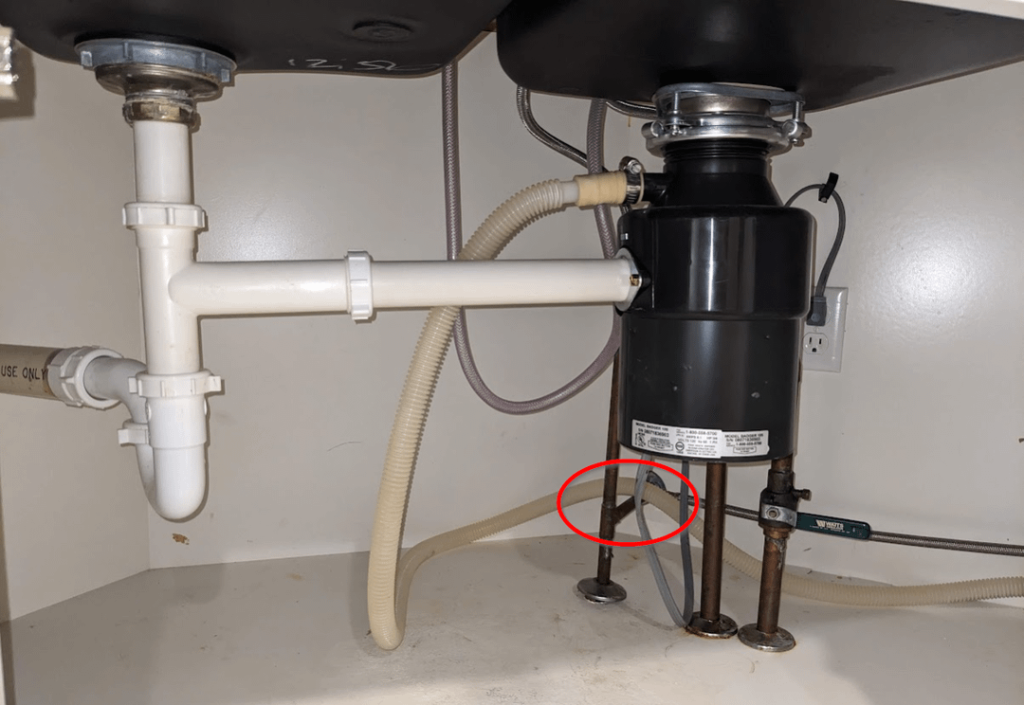
Credit: www.reddit.com
Tips For Optimal Dishwasher Performance
Optimizing your dishwasher’s performance goes beyond just hooking it up to the right water source. Small adjustments and consistent care make a big difference in how clean your dishes come out and how long your machine lasts. Let’s dive into key tips you can apply today to keep your dishwasher running smoothly and efficiently.
Water Temperature Settings
Setting the water temperature correctly is crucial for spotless dishes. Most dishwashers work best with water heated between 120°F and 140°F. Too low, and grease won’t dissolve; too high, and you risk damaging delicate items or wasting energy.
Check your water heater settings and adjust if necessary. Some dishwashers have built-in heaters, but relying on hot water from your home’s heater can save energy. Have you noticed your glasses coming out cloudy? It might be your water temperature setting causing mineral buildup.
Maintenance Practices
Regular maintenance keeps your dishwasher in top shape and avoids costly repairs. Start by cleaning the filter at least once a month to prevent food particles from clogging the system. I once ignored this step and ended up with a dishwasher that barely cleaned—cleaning the filter fixed it instantly.
Also, wipe down the door seals and spray arms to ensure water flows freely. Running an empty cycle with a dishwasher cleaner every few months removes limescale and buildup. What’s your current dishwasher cleaning routine? Adjusting it might improve your machine’s performance dramatically.

Credit: www.reddit.com
Frequently Asked Questions
Does A Dishwasher Connect To Hot Or Cold Water Supply?
Dishwashers typically connect to the hot water supply. Hot water ensures effective cleaning and faster drying of dishes.
Can A Dishwasher Work With Cold Water Only?
Yes, but dishwashers perform best with hot water. Cold water slows cleaning and may leave spots.
Why Is Hot Water Preferred For Dishwasher Connection?
Hot water dissolves detergent better and removes grease efficiently. It improves cleaning results and reduces cycle time.
Is It Safe To Hook A Dishwasher To Cold Water?
It is safe but not ideal. Cold water may cause poor cleaning and longer drying times.
Conclusion
Dishwashers connect best to hot water for cleaner dishes. Hot water helps remove grease and food stuck on plates. Cold water can make washing less effective and longer. Most homes have a hot water line near the dishwasher. Always check your dishwasher manual for the right hookup.
Proper connection saves energy and improves washing results. Keep your dishwasher working well by using hot water. Simple steps make a big difference in clean dishes.