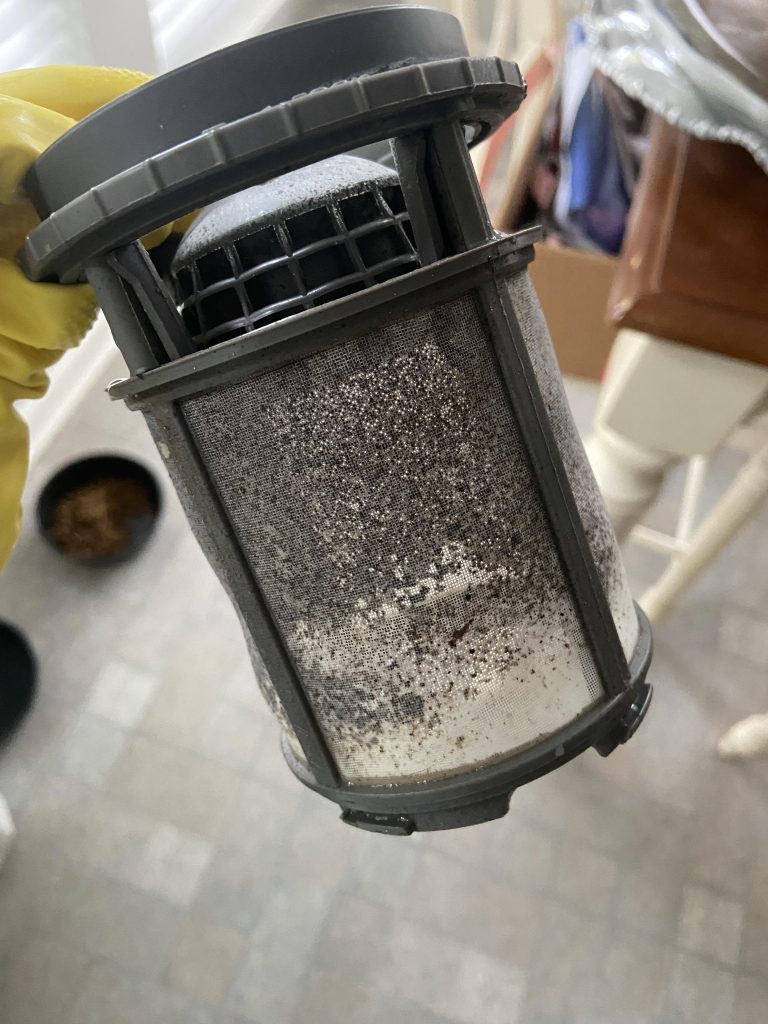
Imagine opening your dishwasher, expecting to find clean, sparkling dishes, only to be greeted by an unpleasant, musty odor. That scent is often a tell-tale sign of mold lurking where you least expect it.
If you’ve ever wondered whether your dishwasher can tackle this stubborn intruder, you’re not alone. Many homeowners are concerned about the effectiveness of their dishwasher in killing mold and ensuring that their kitchen remains a safe, hygienic space. You’ll discover the truth about your dishwasher’s battle against mold.
We’ll explore whether it’s truly a mold-fighting powerhouse or if you need to take additional steps to protect your health and home. Stick around, because the answers might just change the way you view your daily dishwashing routine. Curious about what you can do to keep mold at bay? Let’s dive in and uncover the facts together.
Mold And Its Challenges
Mold in kitchens poses a common yet serious problem. It thrives in warm, damp places. Mold grows fast on food crumbs, wet sponges, and even inside dishwashers. This growth can cause damage and spread quickly if not controlled. Understanding mold and its challenges helps keep kitchens safe and clean.
Common Mold Types In Kitchens
- Aspergillus: Grows on food and damp surfaces.
- Cladosporium: Found on wood and fabrics near moisture.
- Penicillium: Common on spoiled food and paper products.
- Alternaria: Often seen on damp walls and windows.
Health Risks Linked To Mold Exposure
Mold releases tiny spores into the air. Breathing these spores can cause health problems. Some people get allergic reactions like sneezing and itchy eyes.
Others may face more serious issues, such as:
- Respiratory problems
- Asthma attacks
- Skin irritation
- Sinus infections
Children, elderly, and people with weak immune systems are at higher risk.
Dishwasher’s Role In Mold Removal
The dishwasher plays a significant role in reducing mold on dishes and kitchenware. It uses high water temperatures and strong detergents to clean surfaces. This combination helps break down mold spores and remove them effectively. Mold grows in moist, warm places, so the dishwasher’s heat also helps kill many mold types.
While dishwashers are useful in mold removal, they have some limits. Certain mold spots can survive if not directly washed or exposed to enough heat. Understanding how dishwashers work and their limits helps in managing mold better.
How Dishwashers Work Against Mold
Dishwashers use hot water, usually above 140°F (60°C), which can kill many mold spores. The detergent inside breaks down the mold’s structure. The high-pressure water jets wash away loosened mold and dirt from surfaces.
The drying cycle also helps by removing moisture. Mold needs moisture to grow, so drying reduces its chances. Regular dishwasher use prevents mold buildup on dishes and utensils.
Limitations Of Dishwashers In Mold Elimination
Dishwashers cannot reach all mold areas, especially in crevices or on heavily soiled items. Some mold types resist heat and detergents. If mold has deeply penetrated porous materials, the dishwasher will not remove it fully.
Dishwashers also do not sanitize areas outside the dishwasher, like kitchen sinks or countertops. Mold in these places requires other cleaning methods. Relying only on a dishwasher might leave some mold behind.
Effective Ways To Kill Mold Fast
Mold can spread quickly and cause health issues, so tackling it fast is crucial. You don’t need harsh chemicals to start fighting mold effectively. Simple household ingredients and reliable products can make a big difference in eliminating mold and preventing its return.
Using Vinegar And Baking Soda
Vinegar is a natural acid that kills about 82% of mold species. Spray undiluted white vinegar on the moldy surface and let it sit for at least an hour. Afterward, scrub the area with a mixture of baking soda and water to lift any remaining mold and deodorize the space.
Why does this combo work well? Baking soda not only helps scrub away mold but also absorbs moisture, making it harder for mold to grow back quickly. If you’ve tried using just one of these before, combining them might surprise you with its effectiveness.
Applying Hydrogen Peroxide
Hydrogen peroxide is a powerful antifungal agent that can kill mold spores on contact. Use a 3% solution in a spray bottle and saturate the moldy area. After 10 minutes, wipe the surface clean and allow it to dry thoroughly.
This method works great on porous surfaces like wood or fabric, where mold tends to hide deep inside. Have you noticed mold reappearing after cleaning? Hydrogen peroxide’s ability to penetrate these surfaces can make a noticeable difference.
Commercial Mold Removal Products
If you prefer something ready-made, commercial mold removers are designed to target mold quickly and efficiently. Look for products with ingredients like sodium hypochlorite or fungicides for strong mold-killing power.
Always follow the instructions carefully and test the product on a small area first to avoid damage. Are you worried about harsh chemicals? Many brands now offer eco-friendly options that balance effectiveness with safety for your home.

Credit: www.youtube.com
Preventing Mold Growth In Dishwashers
Preventing mold growth in dishwashers helps keep your kitchen clean and safe. Mold thrives in damp, dark places, making dishwashers an ideal spot. Taking simple steps stops mold before it starts. Regular care extends your dishwasher’s life and improves hygiene.
Regular Cleaning Tips
Clean the dishwasher interior every week. Wipe seals and door edges with a damp cloth. Remove food debris from the filter after each use. Run an empty cycle with vinegar or baking soda monthly. These steps reduce mold-friendly buildup and odors.
Proper Dishwasher Maintenance
Check and clean spray arms to avoid clogs. Inspect and replace worn door gaskets to prevent leaks. Use dishwasher detergent in the right amount to avoid residue. Keep the dishwasher door slightly open after cycles to air out moisture. Proper care helps maintain a mold-free environment.
Controlling Moisture Levels
Dry dishes before placing them inside to lower moisture. Avoid overloading the dishwasher for better water circulation. Use a fan or dehumidifier in the kitchen to reduce humidity. Quickly fix any leaks around the dishwasher. Controlling moisture stops mold spores from growing.
When To Seek Professional Mold Removal
Knowing when to call in professionals for mold removal can save your home and health. Not all mold problems can be handled with DIY solutions or a simple dishwasher cycle. Recognizing the warning signs and understanding expert options helps you act before the issue worsens.
Signs Of Severe Mold Infestation
Visible mold patches larger than 10 square feet signal a serious problem. You might also notice a strong, musty odor that lingers despite cleaning. Health symptoms like persistent coughing, sneezing, or skin irritation could mean mold is affecting your indoor air quality.
Have you spotted mold growing inside walls or under floors? This hidden mold often requires special tools and expertise to find and remove safely. Water damage that keeps returning or spreads after cleaning is another red flag.
Choosing Mold Remediation Experts
Select professionals who offer thorough inspection and testing before starting removal. Ask if they use HEPA vacuums and air scrubbers to capture mold spores during cleanup. Reliable experts will also provide a clear plan to fix moisture sources to prevent mold from returning.
Check for certifications like the IICRC or membership in mold-specific industry groups. Don’t hesitate to request references or read reviews from past clients. A trustworthy company will answer your questions clearly and not rush you into expensive treatments.

Credit: www.townappliance.com

Credit: www.reddit.com
Frequently Asked Questions
Does Dishwasher Water Temperature Kill Mold?
Dishwashers use hot water, usually between 120°F and 160°F. This temperature can kill most mold spores effectively during a wash cycle.
Can Dishwasher Detergent Remove Mold Completely?
Dishwasher detergents contain chemicals that break down mold. They help remove mold from dishes but may not reach hidden mold areas.
Is Dishwasher Safe For Moldy Kitchenware?
Dishwashers are generally safe for moldy kitchenware. The hot water and detergent help clean and disinfect items thoroughly.
How Often Should You Clean A Dishwasher To Prevent Mold?
Clean your dishwasher monthly to prevent mold buildup. Use vinegar or specialized dishwasher cleaners to maintain hygiene and remove mold.
Conclusion
Dishwashers can help remove some mold from dishes and surfaces. Hot water and detergent work to clean away mold spores. Still, they may not kill all mold completely. Mold hidden in hard-to-reach places might survive the wash. Regular cleaning and drying are important to stop mold growth.
For heavy mold, stronger cleaning methods work better. Use dishwashers as part of your cleaning routine, not the only solution. Keeping your kitchen dry and clean helps prevent mold return. Small steps protect your health and keep your home fresh.