
If you’ve ever been asked to collect a stool sample from your dog, you might wonder, “Does dog stool sample need to be refrigerated?” It’s a common question that can impact the accuracy of your pet’s test results. What you do with the sample after collection matters more than you think.
You’ll discover why proper storage is crucial, how refrigeration affects the sample, and simple steps you can take to ensure your dog’s health check is reliable. Keep reading to find out exactly what you need to do to get the best results for your furry friend.

Credit: mysticpool.com
Why Stool Sample Handling Matters
Handling a dog’s stool sample properly is crucial for accurate test results. The way you store and transport the sample affects the lab’s ability to detect infections or diseases. Poor handling can lead to false results, causing delays in diagnosis and treatment.
Proper sample care helps veterinarians provide the right care for your pet. It ensures the test reflects your dog’s true health status, avoiding unnecessary treatments or missed problems.
Impact On Test Accuracy
Stool samples contain bacteria and parasites that can change quickly. If not stored correctly, these organisms may die or multiply. This change can make the test results unreliable.
Refrigeration slows down bacterial growth and preserves the sample’s condition. Without it, harmful bacteria may overgrow, hiding infections or creating false positives.
Common Contaminants
Soil, grass, and other materials can contaminate stool samples. These contaminants interfere with lab tests and cause errors.
Proper handling reduces contamination risks. Use clean containers and avoid touching the sample with dirty hands or tools. Keep the sample sealed and cool until it reaches the vet.
When To Refrigerate Dog Stool Samples
Knowing when to refrigerate your dog’s stool sample can make a big difference in the accuracy of test results. Not all samples need refrigeration, but timing and the type of test play crucial roles. Understanding these factors helps you handle the sample correctly and supports your vet in diagnosing your dog’s health issues effectively.
Time Sensitivity Of Samples
Dog stool samples are sensitive to time because bacteria and parasites can multiply or die off quickly once outside the body. Ideally, you should get the sample to the vet within an hour of collection to ensure freshness. If immediate delivery isn’t possible, refrigeration can slow down changes, preserving the sample’s condition.
Think about how quickly food spoils if left out; the same principle applies to stool samples. If your vet visit is delayed by more than an hour or two, placing the sample in the fridge is a smart move to keep it viable for testing.
Types Of Tests Requiring Refrigeration
Not every stool test demands refrigeration, but certain types do. Tests looking for parasites, bacterial cultures, or specific pathogens often require the sample to be chilled to keep organisms alive and detectable.
- Parasitology exams:Refrigeration slows parasite eggs’ hatching and preserves their structure.
- Bacterial cultures:Chilling prevents overgrowth of unwanted bacteria that could skew results.
- Virus detection tests:Cooler temperatures help maintain viral particles intact.
On the other hand, some routine fecal tests may not need refrigeration if processed quickly. Always check with your vet about the specific test to know the right handling method.
Have you ever wondered why your vet gives you special containers with instructions? Those details are designed to keep the sample in the best condition possible for accurate diagnosis.
How To Store Stool Samples Properly
Dog stool samples should be kept cool to preserve their quality. Refrigeration slows down bacteria growth, making the sample suitable for testing. Avoid freezing, as it can damage the sample and affect test results.
Storing dog stool samples properly is crucial for ensuring accurate test results. Whether you’re a seasoned pet owner or new to the responsibility, knowing how to handle these samples can make a significant difference. You might wonder, does the way you store them really impact the results? Let’s dive into the essentials of storing stool samples effectively.Ideal Containers
Choosing the right container is the first step in storing stool samples correctly. Use a clean, sealable plastic container or a specialized collection kit from your vet. Avoid using bags or other containers that are not airtight, as this could lead to contamination and inaccurate results.Temperature Guidelines
Temperature plays a pivotal role in preserving stool samples. Keep the sample refrigerated if you can’t deliver it to the vet immediately. However, don’t freeze it, as this can alter the sample’s composition, potentially skewing test results. Proper storage of stool samples is more straightforward than it seems. Imagine the peace of mind knowing you’re contributing to accurate diagnoses for your furry friend. Keep these tips in mind next time you need to collect a sample, ensuring your pet receives the best care possible.
Credit: www.petscare.com
Effects Of Improper Storage
Improper storage of your dog’s stool sample can cause serious problems. It affects the sample’s quality and the accuracy of test results. You might think a quick delay won’t matter, but even a short lapse can alter the findings.
Sample Degradation
Stool samples start breaking down soon after collection if not stored correctly. Bacteria and enzymes within the sample continue to act, changing its composition.
This breakdown can cause loss of key diagnostic information. For example, parasites might become less visible, and chemical markers might degrade.
Have you ever left food out too long and noticed it spoiling? The same thing happens here, but with much more serious consequences for your pet’s health diagnosis.
Misleading Test Results
Tests rely on the sample being fresh and unchanged. If the stool isn’t refrigerated or properly preserved, test results can be inaccurate or misleading.
Doctors might see false negatives or positives, leading to wrong treatments or unnecessary worry. Imagine your dog being treated for parasites they don’t have, or missing a real infection because the sample was compromised.
Are you ready to trust test results that might be wrong? Proper storage ensures you get reliable answers to care for your dog effectively.
Tips For Collecting Dog Stool Samples
Collecting a dog stool sample might seem straightforward, but small details can make a big difference. Proper collection helps ensure accurate test results, which is crucial for diagnosing health issues. Here are some practical tips to help you collect a clean, useful sample without stress.
Best Practices
Choose a fresh stool sample, ideally collected within an hour of your dog’s bowel movement. This timing helps preserve the sample’s integrity and prevents changes in bacteria or parasites.
Use a clean, disposable container or a sealed plastic bag. Avoid touching the sample directly with your hands—use a glove or a scooping tool instead.
Label the container clearly with your dog’s name, the date, and the time of collection. This small step helps your vet track and interpret results accurately.
Avoiding Contamination
Prevent mixing soil, grass, or other substances with the stool sample. Contaminants can interfere with lab tests and lead to misleading results.
Collect the sample from a clean surface or directly from the ground immediately after your dog defecates. Using a disposable spoon or spatula reduces the risk of contamination.
Wash your hands thoroughly after collection, even if you used gloves. Keeping everything sanitary protects both you and your pet.
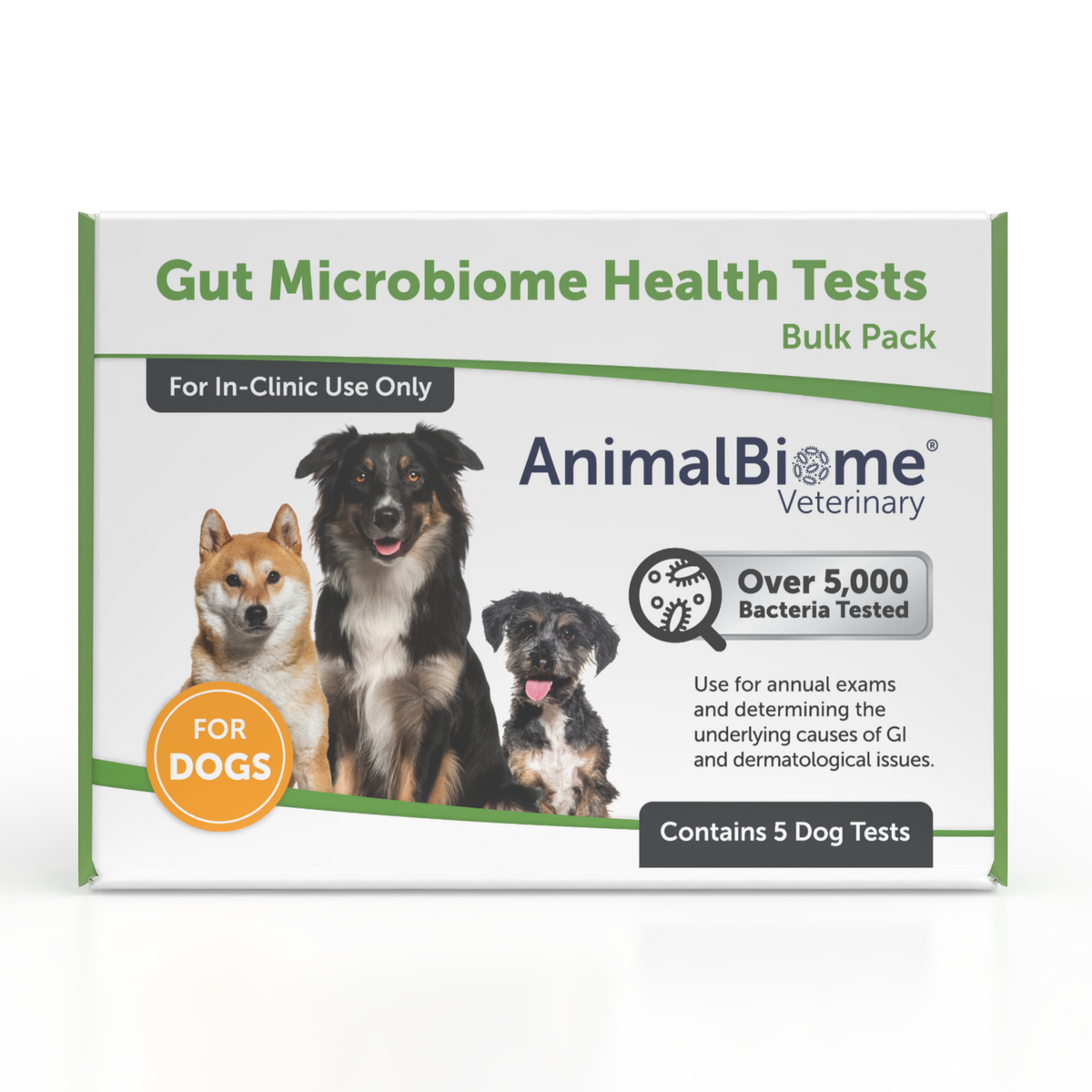
Credit: animalbiome.vet
Alternatives To Refrigeration
If you don’t have immediate access to a refrigerator, there are still ways to keep your dog’s stool sample in good condition before testing. Alternatives to refrigeration can help preserve the sample’s integrity, so you get accurate results. Let’s look at some practical options that might work better for your situation.
Using Preservatives
Preservatives can be a handy way to keep stool samples stable without chilling them. Some veterinary clinics provide special containers with preservatives that slow down bacterial growth and prevent decomposition.
You might wonder if these preservatives affect the test results. Usually, they don’t interfere with common tests like parasite checks or bacterial cultures. Just make sure you use the right type of preservative recommended by your vet.
Think about how this could save you from last-minute fridge searches or delays. It’s especially useful if you’re collecting samples while traveling or during outdoor activities.
Immediate Delivery To Vet
One of the simplest ways to avoid refrigeration is delivering the sample to your vet as soon as possible. The fresher the sample, the more reliable the test results.
If you can schedule your visit right after collecting the stool, you won’t need to worry about storage. Ask your vet if they accept samples brought in immediately, as some clinics have specific drop-off times.
Have you considered how timing could impact your pet’s diagnosis? Quick delivery often means quicker treatment and less stress for your dog.
Frequently Asked Questions
Does Dog Stool Sample Need Refrigeration?
Yes, refrigerating a dog stool sample preserves its integrity. It slows bacterial growth and prevents sample degradation before testing.
How Long Can Dog Stool Be Stored Unrefrigerated?
Dog stool samples should not be left unrefrigerated for more than 2 hours. Bacterial changes can affect test accuracy.
Can I Freeze A Dog Stool Sample For Testing?
Freezing dog stool samples is not recommended. It can damage the sample and affect test results.
Why Is Refrigeration Important For Stool Sample Testing?
Refrigeration maintains the stool’s original composition. It ensures accurate parasite, bacteria, and virus detection during testing.
Conclusion
Proper care of your dog’s stool sample matters. Refrigeration helps keep the sample fresh. It prevents harmful bacteria from growing too fast. This ensures accurate test results from the vet. Keep the sample in a clean, sealed container. Store it in the fridge if you can’t deliver it soon.
Avoid freezing, as it may damage the sample. Quick handling makes a big difference. A little care helps your dog get the right treatment faster. Simple steps lead to better health for your pet.