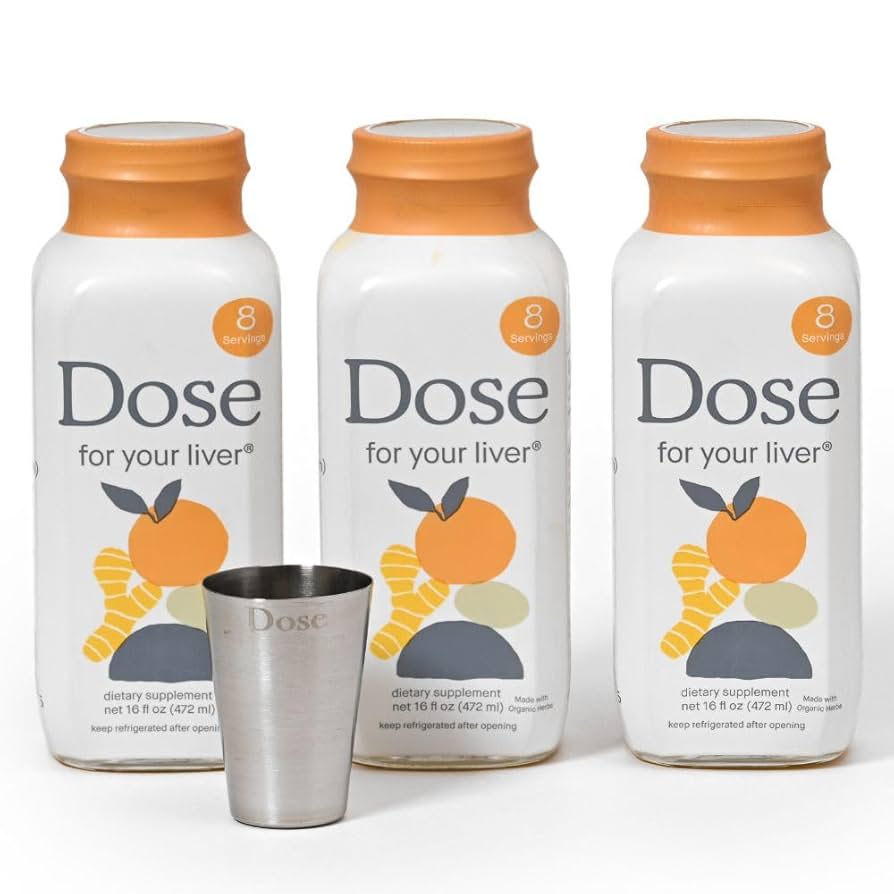
Are you wondering if your dose needs to be kept in the fridge? You might think storing it anywhere is fine, but the truth could affect how well it works for you.
Getting this right can make a big difference in your health and safety. Keep reading to find out exactly when refrigeration is necessary and how to handle your dose the right way. This simple step could save you from wasted medicine and ensure you get the full benefits every time.
Why Storage Matters
Proper storage of medications like Dose is crucial for maintaining their effectiveness. Temperature changes can alter the medicine’s chemical structure. This change might reduce its ability to work well or cause side effects.
Keeping Dose in the right environment ensures safety. Medicines stored incorrectly can become harmful or lose strength. This can delay recovery or worsen health issues. Storing Dose properly also helps in avoiding waste. Spoiled medicine must be discarded, which can be costly and inconvenient.
How Temperature Affects Dose
Temperature shifts can cause Dose to break down faster. Heat can make active ingredients less potent. Cold may cause crystals or clumps to form. These changes affect how the medicine works inside the body.
Risks Of Improper Storage
- Reduced medicine effectiveness
- Possible side effects from altered compounds
- Increased health risks
- Wasting money on spoiled medicine
Best Practices For Storing Dose
- Follow label instructions carefully
- Store in a cool, dry place
- Avoid direct sunlight and humidity
- Use original packaging to protect the medicine
Credit: www.goodrx.com
When Refrigeration Is Required
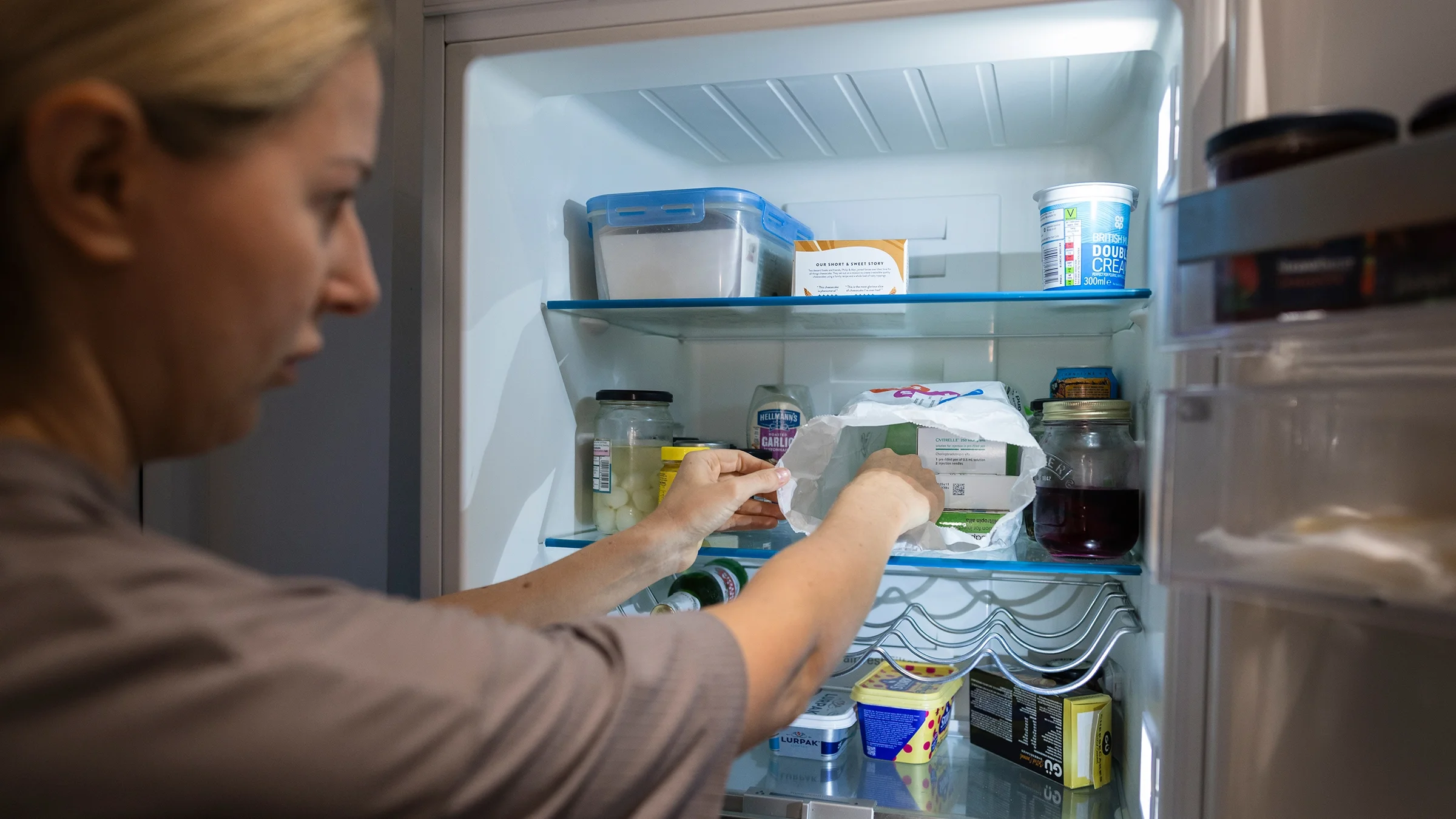
Knowing when a dose needs refrigeration can save its effectiveness and protect your health. Some medications and products lose their potency if left at room temperature. Understanding which ones require cold storage helps you avoid wasting medicine and ensures you get the full benefit.
Medications Needing Cold Storage
Certain medications must be kept cold to stay effective. Insulin is a well-known example; it needs refrigeration to maintain its strength. If insulin warms up too much, it won’t control blood sugar properly, which can be dangerous.
Other medicines like some eye drops, liquid antibiotics, and creams also require refrigeration. These items often have labels specifying storage instructions—always check them carefully. If you’re unsure, ask your pharmacist to confirm whether your medication needs to be kept in the fridge.
Biological Products And Vaccines
Biological products, including vaccines, often need cold storage. These products contain living organisms or proteins that can degrade quickly at room temperature. For example, flu vaccines and COVID-19 vaccines must be refrigerated or frozen depending on the type.
Have you ever wondered why vaccines come with strict storage instructions? Improper storage can make them less effective or even useless. Protecting these products with proper refrigeration ensures they work as intended when you receive them.
Medications That Don’t Need Refrigeration
Not every medication in your cabinet requires refrigeration. Some can comfortably sit on your counter, ready for use. Understanding which medications don’t need to be stored in the fridge can save space and make your life a little easier.
Room Temperature Stability
Many medications are designed to remain stable at room temperature. This means you can safely keep them in your drawer or medicine cabinet without worrying about them losing their effectiveness. Common examples include most tablets and capsules, which often have a shelf life of up to a year when stored properly.
Have you ever checked the label on your medication? You might be surprised to find that it specifies storage instructions that don’t include refrigeration. Always pay attention to these guidelines to ensure your medication works as intended.
Exceptions And Precautions
While many drugs are stable at room temperature, there are exceptions. Some liquid medications and biologics might need special storage conditions. It’s essential to read the instructions or consult your pharmacist for clarity.
Consider antibiotics like amoxicillin suspension for children, which often need refrigeration after being mixed. Ignoring these instructions can lead to spoilage or reduced potency. Are there any medications in your home that might need a closer look?
Always store medications out of direct sunlight and away from moisture. A bathroom cabinet might seem convenient, but the humidity from showers can be detrimental. Keep medications in a cool, dry place to maintain their efficacy.

Credit: www.amazon.com
How To Store Dose Properly
Proper storage of Dose ensures its effectiveness and safety. Incorrect storage can reduce its potency and cause spoilage. Follow these simple guidelines to keep Dose in the best condition possible.
Ideal Temperature Ranges
Keep Dose in a cool place. The ideal temperature is usually between 2°C and 8°C (36°F and 46°F). Avoid freezing unless the label says it is safe. Temperatures too high or too low can damage the product.
Avoiding Heat And Light Exposure
Heat and light can break down Dose’s active ingredients. Store Dose away from direct sunlight and heat sources like radiators. A dark, shaded area helps protect its quality. Avoid places like kitchen counters or near windows.
Safe Packaging And Containers
Use the original container to store Dose. The packaging is designed to protect it from air and moisture. Make sure the lid or cap is tightly closed after each use. Avoid transferring Dose to other containers unless instructed by a professional.
Signs Of Improper Storage
Proper storage of medication is crucial for its safety and effectiveness. When doses are not stored correctly, signs appear that indicate potential problems. Recognizing these signs helps avoid using compromised medication. It protects your health and ensures the medicine works as intended.
Changes In Appearance
Look for any changes in color, texture, or shape of the dose. Crystals, cloudiness, or separation of liquids signal poor storage. Pills may become crumbly or sticky. Such changes suggest the medicine may no longer be safe.
Loss Of Effectiveness
Improper storage can reduce the medicine’s strength. You might notice symptoms not improving as expected. The dose may take longer to work or stop working entirely. This happens because the active ingredients degrade over time.
When To Dispose
Dispose of the dose if it shows visible changes or feels different. Also, discard if it no longer helps with your symptoms. Expired medication should never be used. Always follow local guidelines for safe disposal to protect yourself and the environment.
Tips For Traveling With Medications
Traveling with medications that need refrigeration can feel tricky, but it doesn’t have to be stressful. Keeping your medicine at the right temperature is crucial to ensure it works effectively. Here are some practical tips to help you manage your medications safely while on the go.
Maintaining Temperature Control
Medications that require refrigeration should stay between 36°F and 46°F (2°C to 8°C). Use a reliable thermometer to check the temperature regularly if you have access to one. Avoid leaving your medication in a car or direct sunlight, as temperatures can quickly rise and damage the medicine.
Think about how long your trip is and whether your accommodations will have a fridge. If not, you might need to carry your medication in a portable cooler or insulated bag. Always keep your medication with you rather than checking it in with luggage to avoid exposure to extreme temperatures.
Using Portable Coolers
Portable coolers are a great solution to keep your medication safe. Look for coolers designed specifically for medicines—they often have built-in temperature control or gel packs that keep medicines cold for hours. Make sure to freeze gel packs fully before your trip and avoid direct contact between the packs and your medication by wrapping them in cloth.
Some travelers use small, battery-powered mini-fridges, especially for longer trips. These devices can maintain a steady temperature but require charging, so plan accordingly. Can you imagine the convenience of having your medication ready and effective wherever you go?
Managing Layovers And Delays
Unexpected delays can throw off your medication schedule and temperature control. If you have a layover, find a quiet spot where you can check and adjust your cooler or medication bag. Airports often have lounges or medical rooms where you can store your medication temporarily.
Carry extra gel packs or ice packs in your carry-on to refresh your cooler if needed. Always pack more medication than you think you’ll need to cover delays or changes in plans. Have you ever faced a travel delay and worried about your medicine? Preparing for this possibility can save you from a lot of stress.
Common Myths About Dose Storage
Many people have wrong ideas about how to store dose safely. These myths cause confusion and mistakes in handling. Knowing the truth helps keep the dose effective and safe. Here are some common myths about dose storage.
Refrigeration Guarantees Safety
Refrigeration does not always mean the dose is safe. Some doses need to be kept at room temperature. Cold can change the dose’s quality or make it unsafe. Always check the label or instructions for the right storage. Refrigeration is not a one-size-fits-all solution.
Freezing Is Better Than Refrigeration
Freezing is not better for most doses. Freezing can damage the dose’s structure and reduce its effect. Some doses lose potency if frozen. Always avoid freezing unless the instructions say it is safe. Proper storage keeps the dose stable and effective.
Consulting Healthcare Providers
Consulting healthcare providers is essential for safe medication use. They offer clear advice on how to store your dose correctly. Proper storage keeps the medicine effective and safe to use.
Healthcare providers understand your medical needs and the medication’s nature. They give personalized instructions that match your situation. Following their advice prevents problems related to improper storage.
Clarifying Storage Instructions
Ask your healthcare provider about the exact storage needs of your dose. Some medicines need refrigeration, while others do not. Clarify the temperature range and whether to avoid direct sunlight or moisture.
Request written instructions or pamphlets if you are unsure. This helps avoid confusion and mistakes. Understanding these details ensures you store the medication properly and safely.
Adjusting Storage Based On Conditions
Discuss any special conditions in your home that might affect storage. For example, high humidity or lack of a reliable refrigerator can change how you store the dose. Your provider might suggest alternatives or extra precautions.
They can recommend storage tips for travel or unusual situations. Adjusting storage based on your environment helps maintain the medicine’s strength. Follow their guidance closely to protect your health.

Credit: www.goodrx.com
Frequently Asked Questions
Does Dose Always Need Refrigeration After Opening?
Dose must be refrigerated after opening if the label instructs so. Refrigeration keeps the medicine stable and effective. Always follow the storage instructions on the packaging to ensure safety and potency.
Can Dose Be Stored At Room Temperature?
Some Dose formulations can be stored at room temperature if specified. Check the product label for exact storage guidelines. Improper storage can reduce the medicine’s effectiveness or cause spoilage.
What Happens If Dose Is Not Refrigerated?
Not refrigerating Dose when required may cause it to lose potency. This can reduce its effectiveness and safety. Always store Dose as recommended to maintain its quality.
How Long Can Dose Stay Unrefrigerated?
Dose can stay unrefrigerated only for short periods as per label advice. Usually, brief exposure during use is acceptable. Prolonged unrefrigerated storage risks medication degradation and reduced efficacy.
Conclusion
Proper storage keeps your dose effective and safe to use. Check the label for storage instructions carefully. Some doses need cold temperatures to stay fresh. Others do better at room temperature. Avoid guessing to prevent losing the dose’s strength. When in doubt, ask a pharmacist or doctor.
Storing correctly helps you get the best results. Remember, small steps protect your health and investment. Always handle doses with care and attention. Safe storage is simple but very important.