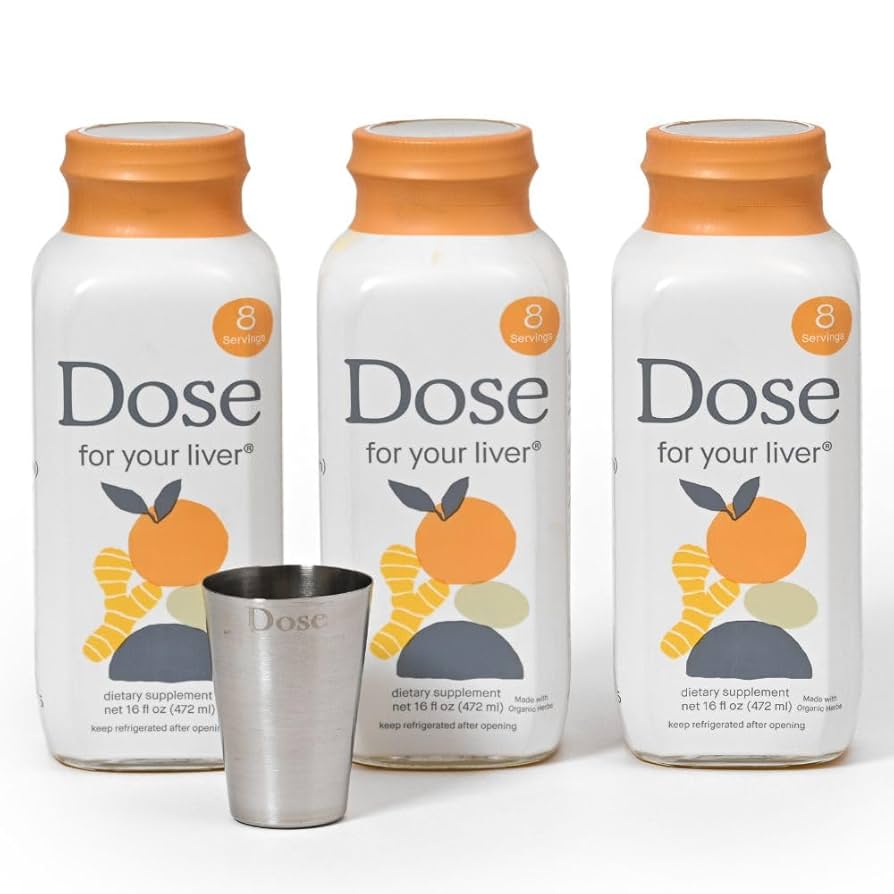
Are you unsure whether your dose needs to be refrigerated? This simple question can have a big impact on how effective your medication is and how safe it remains.
Storing your medicine the wrong way might reduce its power or even make it harmful. You’ll discover clear answers and easy tips to keep your dose fresh and working just as it should. Keep reading to protect your health and get the most out of your treatment.

Credit: www.amazon.com
Why Storage Matters
Proper storage of medication is crucial for its effectiveness and safety. Some doses need refrigeration to stay stable and work as intended. Incorrect storage can reduce a medicine’s strength or cause it to spoil. This affects treatment outcomes and can lead to health risks.
Understanding why storage matters helps users handle medication properly. It ensures that the dose remains safe to use over time. Temperature, light, and humidity are key factors in preserving a medicine’s quality.
Protecting Medication Potency
Many medicines lose their potency if not stored correctly. Heat or moisture can break down active ingredients. Refrigeration slows chemical changes and keeps doses effective longer. This is important for vaccines, insulin, and some liquid antibiotics.
Preventing Bacterial Growth
Some doses contain water-based solutions. These can grow bacteria if left at room temperature. Refrigeration prevents bacterial contamination and keeps the medicine safe. This reduces the risk of infections when using the dose.
Extending Shelf Life
Proper storage increases the shelf life of medication. Refrigerated doses stay usable beyond room temperature limits. This helps avoid waste and saves money. Following storage instructions ensures the dose lasts until its expiration date.
Maintaining Safety
Incorrect storage can cause physical changes in medication. Pills may crumble, liquids separate, or injections become cloudy. These changes signal that the dose is unsafe. Refrigeration helps maintain the original form and safety of the medicine.
When Refrigeration Is Needed
Knowing when to refrigerate a dose is crucial for safety and effectiveness. Some products lose potency or spoil without cold storage. Understanding the signs and types of products that need refrigeration helps avoid problems. Temperature plays a key role in maintaining product quality.
Types Of Products Requiring Cold Storage
- Vaccines and biological medicines
- Insulin and other diabetes treatments
- Certain antibiotics and eye drops
- Some skincare creams and ointments
- Liquid vitamins and supplements
Signs That Indicate Refrigeration
- Label instructions stating “Keep refrigerated”
- Expiration date shortens at room temperature
- Changes in color or texture without cold
- Unusual smell or separation in liquids
Impact Of Temperature On Effectiveness
High temperatures can reduce a product’s strength. Cold storage prevents bacteria growth and spoilage. Some medicines become unsafe if not chilled. Keeping doses cool preserves their full benefits. Always follow storage instructions carefully.
Products That Don’t Need Refrigeration
Not every product needs to be chilled to stay fresh. Some items are designed to last long without refrigeration, making them perfect for busy lifestyles or when you’re on the go. Understanding which products don’t require a fridge can save you space and prevent unnecessary waste.
Shelf-stable Items
Shelf-stable products are made to stay safe and fresh at room temperature. These include:
- Canned goods like beans, vegetables, and soups
- Dry pasta and rice
- Nut butters such as peanut or almond butter
- Honey and syrups
- Unopened jars of jam or pickles
- Certain dairy alternatives like shelf-stable almond or soy milk
These items often undergo processes like pasteurization or sealing that protect them from spoilage. You might have noticed that even after months on a pantry shelf, these products taste just as good.
Common Misconceptions
Many people assume all dairy or sauces need refrigeration, but that’s not always true. For example, some cheeses like hard Parmesan can be stored at room temperature for short periods. Have you ever left a jar of peanut butter out and noticed it didn’t spoil? That’s because its low moisture content and natural oils protect it.
Another misunderstanding is that once opened, a shelf-stable item must immediately be refrigerated. While some do require this, others can last several days or even weeks without a fridge, depending on the product and environment. Checking the label for storage instructions is always your best bet.

Credit: www.ubereats.com
Proper Refrigeration Practices
Proper refrigeration practices are key to keeping your doses safe and effective. The right temperature and careful handling can prevent spoilage and contamination. Let’s look at how you can store your doses properly to maintain their quality.
Ideal Temperature Ranges
Your refrigerator should be set between 2°C and 8°C (36°F to 46°F)for optimal dose storage. Temperatures above or below this range can reduce potency or cause damage. Use a refrigerator thermometer to monitor the exact temperature regularly.
Have you checked your fridge’s temperature lately? Many people assume the fridge is cold enough, but slight variations can matter a lot.
Storage Duration Guidelines
Each dose has a specific shelf life when refrigerated. Some can last several weeks, while others may expire in just a few days after opening. Always follow the manufacturer’s instructions and mark the date when you store the dose to avoid confusion.
Keeping a simple checklist or calendar reminder helps you avoid accidental use of expired doses. Don’t guess—expiration can directly affect safety and effectiveness.
Avoiding Cross-contamination
Cross-contamination happens when doses come into contact with bacteria or other substances. Store doses in their original containers with tight lids, and keep them separate from raw foods or strong-smelling items.
- Use dedicated shelves or compartments for medications.
- Clean spills immediately and regularly disinfect your fridge.
- Never place doses in the fridge door, where temperatures fluctuate.
Have you noticed how often the fridge door opens? That constant temperature change can spoil your doses faster than you think.
Alternatives To Refrigeration
Some doses do not need strict refrigeration. Alternatives keep them safe and effective. These options help preserve the dose without a fridge. They are simple and practical. Use these methods when refrigeration is unavailable or inconvenient.
Cool, Dry Place Storage
Storing doses in a cool, dry place is effective. Choose areas away from sunlight and heat. A cabinet or pantry often works well. Avoid places near stoves or windows. Keep the dose in its original packaging. This protects it from moisture and air. Check the label for specific temperature guidance. Many doses remain stable at room temperature.
Use Of Insulated Containers
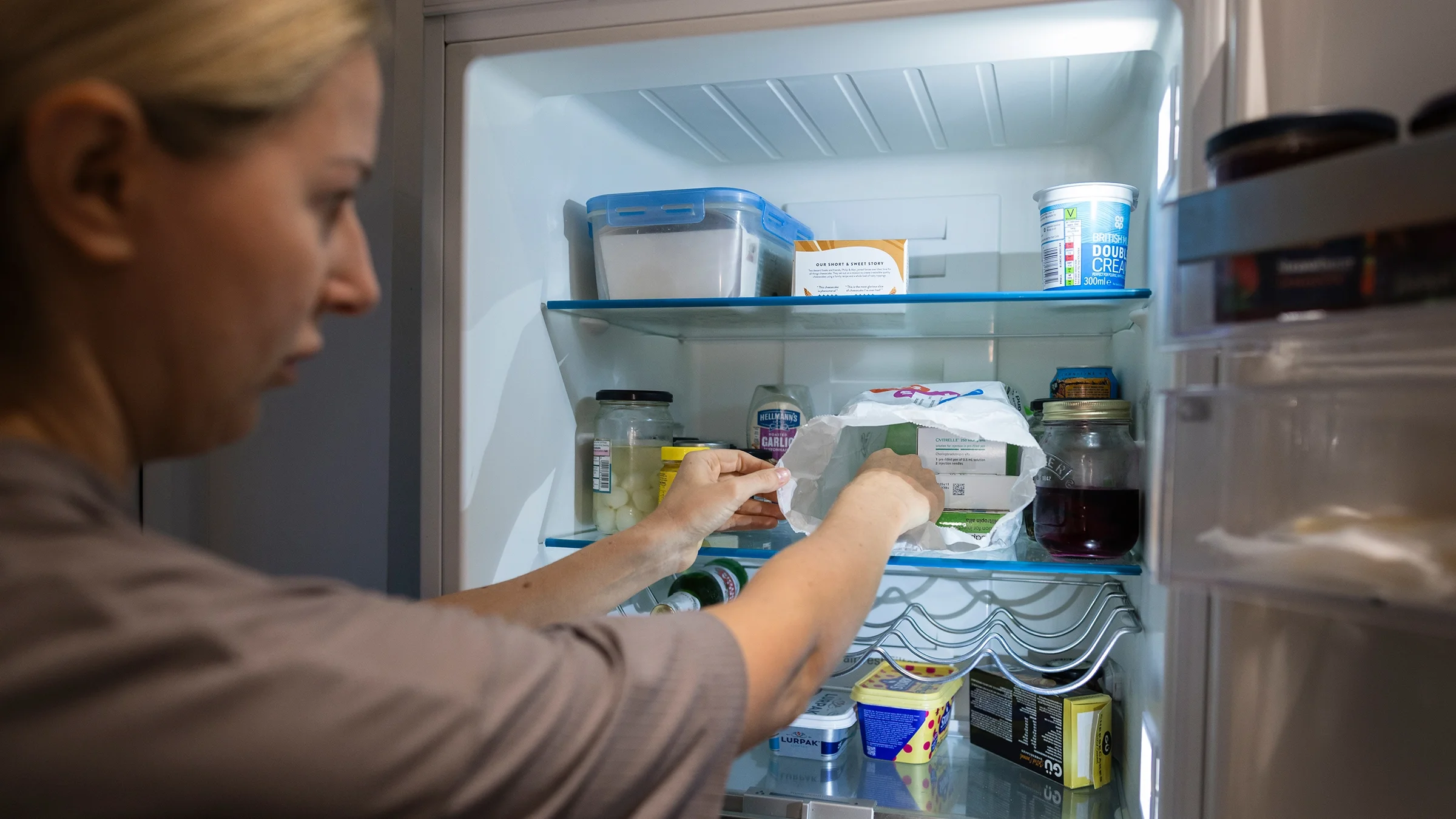
Insulated containers help maintain a steady temperature. They protect doses from heat and cold swings. Use small coolers or specially designed bags. Include ice packs or gel packs if needed. Avoid direct contact between the dose and ice packs. These containers are ideal for travel or short trips. They extend the safe storage time outside a fridge. Always monitor the temperature inside the container.
Credit: www.goodrx.com
Consequences Of Improper Storage
Improper storage of doses can cause serious problems. Medicines and vaccines need specific conditions to keep their strength and safety. When these products are not stored properly, their effectiveness decreases. Users might face unexpected health risks. Also, wasting products becomes a common issue. Understanding these consequences helps avoid trouble and saves money.
Reduced Potency
Many medicines lose strength if not refrigerated. Heat or light can break down active ingredients. This means the dose will not work as expected. Patients may not get the full benefit. Treatment could take longer or fail.
Health Risks
Improper storage can cause medicines to spoil. Spoiled doses may cause side effects or infections. Some vaccines become unsafe after warming. Using them can harm health. Always follow storage instructions to stay safe.
Wasting Products
Wrong storage often leads to throwing away doses. Once spoiled, they cannot be fixed. This wastes money and resources. Proper storage helps keep products usable for longer. It also reduces unnecessary expenses.
Tips For Safe Handling And Storage
Handling and storing your medication properly is key to keeping it effective and safe. Small mistakes can reduce a drug’s potency or even cause harm. Let’s look at some simple yet crucial tips to help you manage your doses correctly.
Reading Labels Carefully
Labels hold vital information about how to store your medication. Always check if the instructions say to keep it in the fridge or at room temperature. Some medications lose effectiveness if exposed to heat or moisture.
Pay close attention to expiration dates and any special notes like “keep away from direct sunlight.” I once ignored a storage note on a cream, and it melted, making it useless. Don’t let this happen to you—read every detail before storing.
Monitoring Storage Conditions
Keeping an eye on where and how you store your medication can save you trouble. A simple thermometer in your fridge or medicine cabinet can help ensure temperatures stay within safe limits. Fluctuating temperatures can degrade some medicines quickly.
Think about how often you open your fridge or bathroom cabinet. Frequent opening can cause temperature changes or moisture buildup. Try to store your dose in a stable environment and avoid placing it near sources of heat or humidity.
When To Dispose
Knowing when to throw out your medication is just as important as storing it correctly. Expired doses may not just be ineffective—they can sometimes be harmful. If your medication changes color, texture, or smell, it’s time to dispose of it safely.
Don’t toss medicine in the trash or flush it down the toilet unless the label specifically says it’s safe. Many pharmacies offer take-back programs for unused or expired drugs. Have you checked if there’s a disposal option near you?
Frequently Asked Questions
Does Medication Dosage Require Refrigeration?
Not all medications need refrigeration. Check the label or consult your pharmacist to be sure. Some medications, like certain vaccines, require refrigeration to maintain potency. Storing medication at improper temperatures can reduce its effectiveness.
What Happens If Dosage Is Not Refrigerated?
If a medication that needs refrigeration isn’t stored properly, it may lose effectiveness. This can compromise treatment. Always follow storage instructions on the label or leaflet to ensure efficacy.
How Long Can Dosage Stay Unrefrigerated?
The time a dosage can stay unrefrigerated varies. Some medications can be out for a few hours, while others need constant refrigeration. Always check the specific storage instructions provided with the medication.
Can I Refrigerate All Medications?
No, not all medications should be refrigerated. Some medications can degrade if refrigerated. Always follow the storage instructions provided with the medication or consult a healthcare professional.
Conclusion
Proper storage keeps your dose effective and safe. Some medicines need cold to stay fresh. Others do better at room temperature. Always check the label or ask your pharmacist. Avoid guesswork to prevent losing the medicine’s power. Small steps protect your health and save money.
Remember, storing medicine right helps it work as it should. Simple care makes a big difference every day.