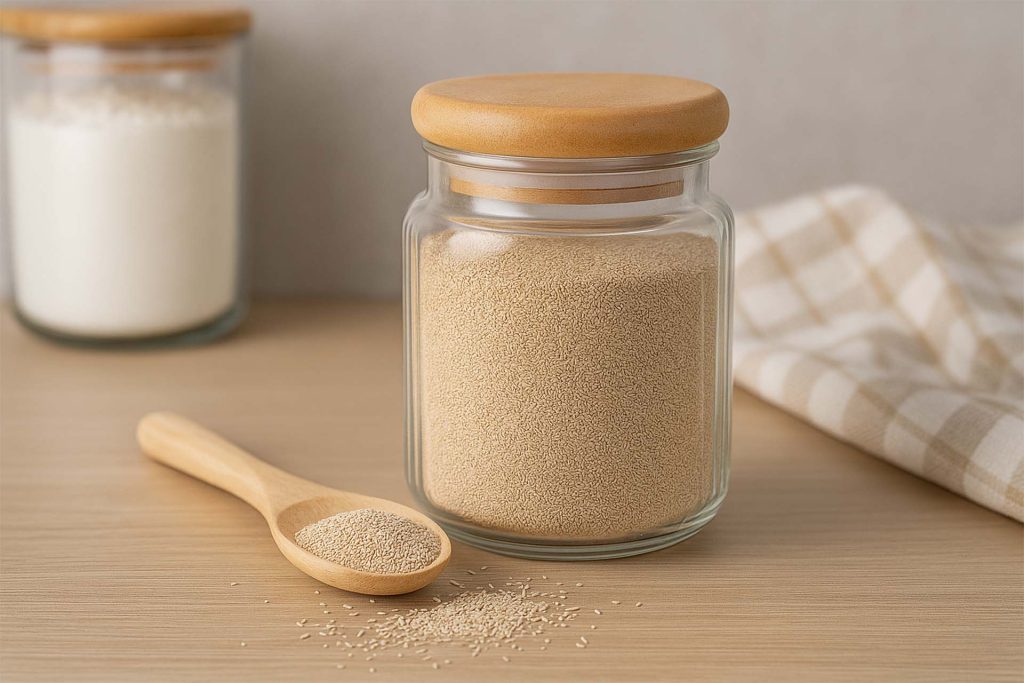
Are you wondering if dry yeast needs to be refrigerated to stay fresh? You’re not alone.
Many home bakers struggle with storing yeast properly to keep it active and ready for your next baking adventure. The good news is, understanding how to store dry yeast can save you money and prevent baking failures. Keep reading to discover the simple tips that will help you get the best results every time you bake.
Shelf Life Of Dry Yeast
Understanding the shelf life of dry yeast is crucial if you want to bake without surprises. Yeast is a living organism, so its effectiveness depends on how you store it and how long it has been sitting around. Knowing the difference between unopened and opened yeast can save you from flat dough and wasted ingredients.
Unopened Yeast Expiry
Unopened dry yeast typically has a shelf life of about 1 to 2 years from the manufacturing date. The packaging is designed to keep moisture and air out, which helps the yeast stay alive longer. However, this only works if the package remains sealed and stored in a cool, dry place.
Have you ever found a packet of yeast hidden in your pantry? If it’s past the expiration date, it might still work, but the rise will be slower or less effective. To test its potency, you can proof the yeast by mixing it with warm water and a pinch of sugar—if it bubbles within 10 minutes, it’s still good.
Opened Yeast Duration
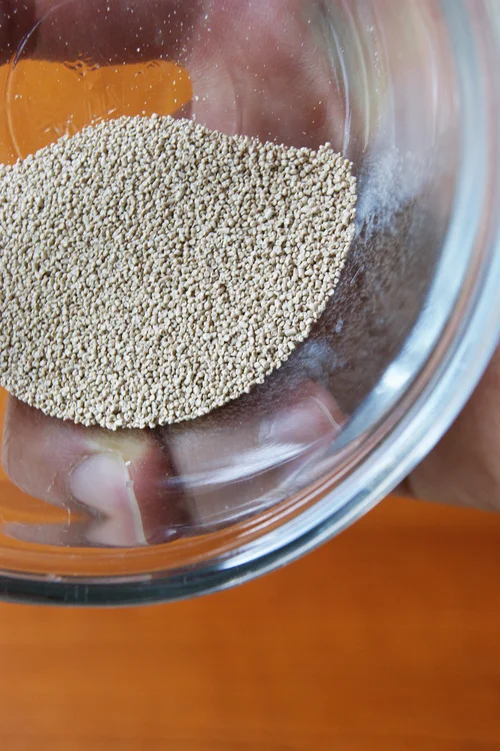
Once you open a packet of dry yeast, its shelf life decreases significantly. Exposure to air and moisture starts to kill the yeast cells. Typically, opened dry yeast stored in an airtight container in the refrigerator will last about 4 to 6 months.
Freezing opened yeast can extend its life even further, sometimes up to a year. But remember, every time you expose it to warm or humid conditions, you reduce its effectiveness. Always keep your yeast tightly sealed and avoid repeatedly opening the container.
Credit: kneadbakecook.com
Effects Of Temperature On Yeast
Yeast is a living organism that reacts strongly to temperature changes. The temperature affects yeast’s activity, lifespan, and effectiveness in baking. Knowing how temperature impacts yeast helps in storing it properly and achieving better baking results.
How Heat Impacts Yeast
Heat can damage yeast cells quickly. Temperatures above 120°F (49°C) start killing yeast. High heat reduces yeast’s ability to ferment dough. This results in slower rising or no rise at all. Heat also shortens the shelf life of dry yeast. Storing yeast in a warm place makes it lose strength fast.
Cold Storage Benefits
Cold temperatures slow down yeast activity. Refrigeration keeps yeast dormant, preserving its power. It prevents yeast from spoiling or losing effectiveness. Cold storage extends the shelf life of dry yeast for months. Freezing yeast can keep it fresh even longer. Always store unopened yeast in a cool, dry place. Once opened, refrigeration is the best way to keep yeast alive.
Refrigeration Vs Room Temperature
Deciding whether to refrigerate dry yeast or keep it at room temperature can impact its lifespan and effectiveness. Both storage methods have their benefits depending on how often you bake and the climate where you live. Let’s break down the advantages of refrigeration versus room temperature storage to help you choose what works best for your kitchen.
Pros Of Refrigerating Dry Yeast
Refrigeration slows down the yeast’s aging process, keeping it active for a longer time. If you buy yeast in bulk or don’t bake frequently, storing it in the fridge can prevent it from losing its rising power quickly.
Keeping yeast cold also protects it from moisture and heat, which are the main enemies of yeast vitality. I once left a packet out on a warm counter for weeks and noticed my dough didn’t rise well — after switching to refrigeration, my bread turned out much better.
Make sure to store dry yeast in an airtight container to avoid condensation inside the fridge, which can cause clumping or spoilage.
When Room Temperature Works
If you bake regularly and use yeast within a few weeks, storing it at room temperature can be perfectly fine. Dry yeast is shelf-stable and designed to last unopened in a cool, dry place for several months.
Room temperature storage works best if your kitchen stays relatively cool and dry. Avoid spots near the stove or windows where heat and humidity fluctuate.
Ask yourself: How quickly do you use yeast after opening? If you bake weekly, keeping it in a sealed jar on the countertop may save you the extra step of refrigeration without sacrificing yeast quality.
Best Practices For Storing Dry Yeast
Storing dry yeast properly is key to keeping it fresh and active for your baking projects. Poor storage can lead to clumps, loss of potency, and ultimately wasted yeast. Knowing how to seal and package it, as well as choosing the right storage container, makes a big difference in how long your yeast lasts.
Sealing And Packaging Tips
Always keep your dry yeast sealed tightly after opening. Exposure to air and moisture quickly reduces its effectiveness.
- Use the original packet only if it has a resealable closure.
- If not, transfer the yeast to an airtight bag or container immediately.
- Remove as much air as possible before sealing to minimize oxidation.
- Label the package with the date you opened it to track freshness.
I once ignored these steps and found my yeast was no longer rising dough after just a month. It taught me that even small exposure to moisture can ruin yeast’s performance.
Ideal Storage Containers
Choosing the right container protects yeast from humidity and temperature changes. Glass jars with rubber seals or high-quality plastic containers with tight lids work best.
- Look for containers that are airtight and moisture-proof.
- Opaque containers help block light, which can also degrade yeast.
- Keep the container in a cool, dry place or in the refrigerator if you bake infrequently.
Have you checked your pantry lately to see if your yeast is stored in the best possible way? Small changes in storage can save you money and improve your baking results.
Signs Of Yeast Spoilage
Knowing the signs of yeast spoilage can save you from baking disasters and wasted ingredients. Yeast is a living organism, and like all living things, it can go bad if not stored properly. Spotting spoilage early helps you decide whether to toss it or still use it safely.
Visual Indicators
Check your yeast closely before using it. Spoiled dry yeast often changes color, turning from its usual beige or light tan to a darker shade or even gray. You might also notice clumps or a powdery residue that looks unusual.
If you see any mold or an off smell, that’s a clear red flag. Fresh dry yeast should have a faint, yeasty aroma—not sour or musty odors. Have you ever opened a packet only to find it looking dusty or smelling strange? That’s a sign it’s time to get a fresh batch.
Loss Of Activity
Even if your yeast looks fine, it can lose its power to rise dough. The easiest way to test is by proofing it in warm water with a pinch of sugar. If it doesn’t foam or bubble within 10 minutes, it’s likely dead or weak.
This loss of activity means your bread won’t rise properly, leading to dense or flat results. Have you experienced dough that just won’t puff up? It might not be your recipe—sometimes the yeast just isn’t active enough anymore.
Watching out for these signs helps keep your baking reliable. How often do you check your yeast before baking? Taking a quick moment to inspect can make a big difference in your results.
Credit: justlonghealth.com
Using Yeast After Storage
After storing your dry yeast, it’s important to check if it’s still good before you start baking. Yeast can lose its power over time, especially if not stored properly. Using yeast that has lost its effectiveness can lead to dough that doesn’t rise well, wasting your ingredients and time.
Testing Yeast Viability
Before adding yeast to your recipe, test if it’s still active. Mix a small amount of yeast with warm water (around 100°F or 38°C) and a pinch of sugar. Within 10 minutes, you should see bubbles and foam forming on the surface.
If nothing happens, your yeast is likely dead and won’t help your dough rise. This simple test saves you from baking failures and helps you decide if you need to buy fresh yeast.
Adjusting Recipes
If your yeast is slightly older but still active, you might need to adjust your recipe. Using less yeast often requires longer rising times. Give your dough extra time to double in size instead of rushing it.
Also, consider the temperature of your kitchen. Cooler environments slow down yeast activity, so keep dough in a warm spot. Have you ever noticed your dough rising too slowly or too quickly? Adjusting yeast amounts and rising times can fix that.

Credit: www.stadlermade.com
Frequently Asked Questions
Does Dry Yeast Expire If Unrefrigerated?
Dry yeast can expire faster if left unrefrigerated. It loses potency and may not rise dough well. Storing it in a cool, dry place extends shelf life but refrigeration is best for long-term freshness.
How Long Can Dry Yeast Last Refrigerated?
Refrigerated dry yeast typically lasts up to 6 months unopened. Once opened, it should be used within 4 months. Proper sealing and refrigeration keep yeast active and effective for baking.
Can Dry Yeast Survive Room Temperature Storage?
Dry yeast can survive short-term room temperature storage. However, prolonged exposure to heat and moisture reduces its effectiveness. For best results, store yeast in a sealed container in the fridge.
Does Refrigeration Affect Dry Yeast Quality?
Refrigeration preserves dry yeast quality by slowing down its aging process. It maintains yeast’s rising power and prevents spoilage. Avoid freezing unless recommended, as it can harm yeast cells.
Conclusion
Storing dry yeast properly extends its shelf life. Refrigeration helps maintain its potency. Keep it in an airtight container. This prevents moisture and contamination. Fresh yeast leads to better baking results. Check expiration dates regularly. Use fresh yeast for the best results.
Proper storage saves money and ensures quality. Always store in a cool, dry place if not refrigerated. Remember, fresh yeast equals tasty bread. Happy baking!