If you carry an EpiPen, you probably wonder, “Does my EpiPen need to be refrigerated?” This question is more important than you might think.
How you store your EpiPen can affect how well it works when you need it most. Imagine facing a severe allergic reaction and finding your EpiPen isn’t as effective because it wasn’t stored properly. That’s a scary thought. You’ll discover the best way to keep your EpiPen ready for action, so you can feel confident and prepared every time.
Keep reading to learn the simple steps that could make a big difference for your safety.

Credit: tempramed.com
Epipen Storage Basics
Knowing how to store your EpiPen correctly is crucial for its effectiveness during an emergency. Improper storage can reduce its potency, which might put you at risk when you need it most. Let’s break down the essentials of EpiPen storage so you can keep it ready and reliable.
Recommended Temperature Range
Your EpiPen should be kept within a specific temperature range to maintain its strength. Ideally, store it between 20°C and 25°C (68°F and 77°F). Temperatures outside this range can cause the medication to degrade.
Have you ever noticed your EpiPen warning label advising against freezing or excessive heat? That’s because extreme temperatures can make the epinephrine less effective or even unusable. Keeping it in a controlled environment ensures it works when you need it.
Avoiding Extreme Heat And Cold
Extreme heat can occur if you leave your EpiPen in a hot car or near direct sunlight. This can break down the medication quickly. Similarly, freezing temperatures, like leaving it in a freezer or outside during winter, can damage the pen.
Think about a time you left your EpiPen in your bag on a hot day. Did you realize how that could impact its readiness? To avoid this, store it in a cool, dry place away from windows, heaters, or refrigerators. Always check the device for discoloration or particles, which can signal damage from improper storage.
Risks Of Improper Storage
Storing an Epipen incorrectly can cause serious problems. The device might not work when needed most. Proper storage keeps the medication strong and the device safe to use.
Loss Of Medication Effectiveness
Epipen contains epinephrine, a medicine that can lose strength if not stored right. Heat, cold, or sunlight can make it weak. A weak Epipen might not stop a severe allergic reaction. This can put lives at risk.
Keep the Epipen away from extreme temperatures. Do not freeze or leave it in a hot car. Check the expiration date and replace it if it looks cloudy or discolored.
Physical Damage To The Device
Improper storage can cause cracks or leaks in the Epipen. Dropping it or exposing it to rough conditions can damage the injector. A damaged device may not deliver the right dose.
Store the Epipen in a protective case. Avoid squeezing or bending it. Regularly inspect the device to ensure it is intact and ready for use.
Refrigeration Myths
There are many ideas floating around about whether an EpiPen needs to be refrigerated. These myths can cause confusion and sometimes lead to improper storage, which might affect the medication’s effectiveness. Let’s clear up some of these misunderstandings so you can feel confident about how to keep your EpiPen safe.
Common Misconceptions
Many people believe that EpiPens must always be kept in the fridge. This isn’t true. EpiPens are designed to be stable at room temperature, typically between 20°C to 25°C (68°F to 77°F).
Some think refrigeration extends the life of the medication. However, freezing or refrigerating can actually harm the epinephrine inside. Have you ever noticed a change in the solution’s color or consistency? That’s a warning sign that the EpiPen might no longer work properly.
Another myth is that carrying an EpiPen in a hot car is safe if you refrigerate it afterward. Unfortunately, extreme heat can degrade the medication quickly. So, storing it in a hot environment and hoping refrigeration will fix it won’t protect you when you need it most.
When Refrigeration Is Not Advisable
Refrigeration can cause the solution in an EpiPen to become cloudy or freeze, which reduces its effectiveness. You should never store your EpiPen in the freezer or directly on ice.
Also, frequent temperature changes, like moving the EpiPen between a fridge and a warm room, can damage the medicine. Think about how your body reacts to sudden temperature shifts—medications can be just as sensitive.
If you live in a hot climate, avoid storing your EpiPen in places where temperatures can soar, like glove compartments or direct sunlight. Instead, keep it in a cool, dry place within the recommended temperature range. Does your current storage spot meet these conditions?
Ideal Storage Locations
Knowing the ideal storage locations for your Epipen can make a big difference in its effectiveness during emergencies. Proper storage ensures it stays safe and ready to use when you need it most. Let’s look at the best places to keep your Epipen both at home and when you’re out and about.
At Home
At home, your Epipen should be stored at room temperature, ideally between 68°F and 77°F (20°C to 25°C). Avoid places that get too hot or cold, like near windows, heaters, or inside the refrigerator. Extreme temperatures can damage the medication and reduce its effectiveness.
Keep your Epipen in a spot that’s easy to reach quickly during an emergency. A common choice is a kitchen drawer or a bedside table. Just make sure the location is visible and known to everyone in your household.
On The Go
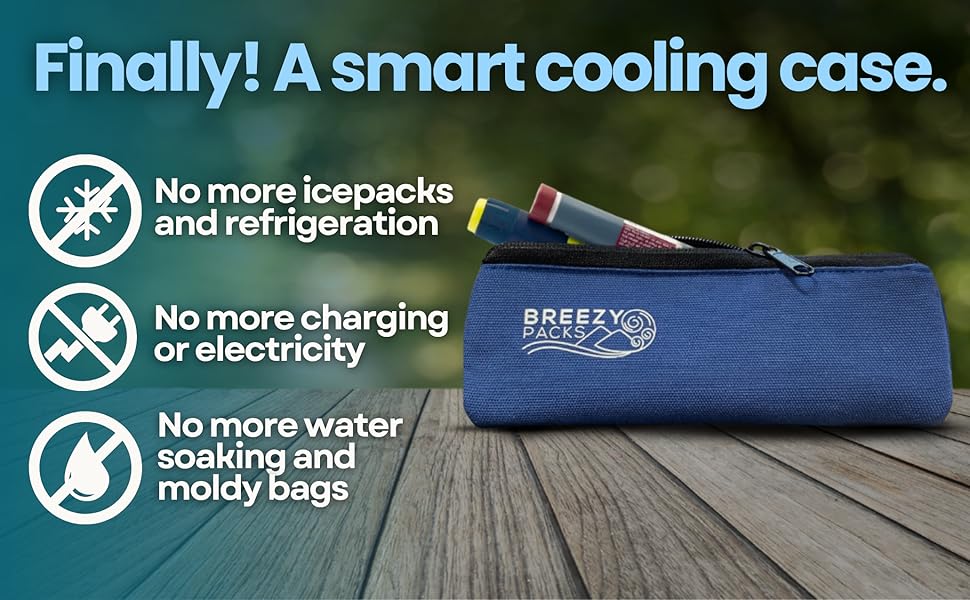
When you’re traveling or out for the day, carrying your Epipen properly is crucial. Use an insulated case or a small cooler pack if you expect to be in hot weather for long periods. This helps protect it from heat exposure without needing a bulky fridge.
Think about where you store it inside your bag or car. Avoid leaving your Epipen in a hot glove compartment or a locked vehicle on sunny days. Instead, keep it close to your body, like in a purse or a backpack pocket, where your body heat helps maintain a stable temperature.
Handling And Inspection Tips
Proper handling and regular inspection of your Epipen ensure it works when needed. Safe storage and careful checks keep the injector effective. Follow simple steps to maintain your Epipen in top condition.
Checking Expiry Dates
Always check the expiry date on your Epipen. Using an expired injector can reduce its effectiveness. Mark the date on your calendar to remind yourself. Replace the Epipen before it expires to stay prepared.
Visual Inspection For Damage
Look closely at the Epipen for any cracks or leaks. Check the clear window to see if the liquid inside is clear and colorless. Cloudy or colored liquid means the Epipen may be damaged. Do not use a damaged injector; get a new one immediately.

Credit: www.reddit.com
What To Do If Epipen Is Exposed To Heat Or Cold
Exposure to extreme heat or cold can affect your EpiPen’s effectiveness. Knowing what to do if your EpiPen is exposed to these conditions is important. Proper care helps ensure the medication works when needed most.
Extreme heat may reduce the strength of the medicine inside. Cold temperatures can cause the liquid to freeze or become cloudy. Both situations can impact how well the EpiPen works during an emergency.
Steps To Take
- Check the appearance of the EpiPen solution. It should be clear and colorless.
- If the liquid looks cloudy or discolored, do not use it.
- Keep the EpiPen at room temperature as much as possible.
- Store it away from direct sunlight and heat sources.
- If the EpiPen was exposed to heat or cold for a short time, use it only if the solution looks normal.
- Contact your healthcare provider for advice if unsure about the EpiPen’s condition.
When To Replace Your Epipen
- Replace the EpiPen if it has been exposed to extreme temperatures for a long time.
- Replace it if the solution inside is not clear or has changed color.
- Always replace your EpiPen before its expiration date.
- Have a backup EpiPen ready in case the primary one becomes unusable.
- Check the EpiPen regularly to ensure it is in good condition.

Credit: www.reddit.com
Frequently Asked Questions
Does Epipen Require Refrigeration For Storage?
No, EpiPens do not require refrigeration. Store them at room temperature, between 68°F and 77°F (20°C to 25°C). Avoid extreme heat or cold to maintain effectiveness. Keep EpiPens away from direct sunlight and moisture.
How Long Can Epipens Stay Unrefrigerated?
EpiPens can stay unrefrigerated for their entire shelf life if stored properly. Avoid exposure to temperatures above 86°F (30°C) or below 59°F (15°C). Proper storage ensures the medication remains effective until the expiration date.
Can Extreme Temperatures Damage An Epipen?
Yes, extreme heat or cold can reduce an EpiPen’s effectiveness. Avoid freezing or exposing it to temperatures above 86°F (30°C). Proper storage protects the epinephrine from degradation, ensuring it works during emergencies.
What Is The Best Way To Store An Epipen?
Store EpiPens at room temperature in a dry, dark place. Avoid storing in a car or near windows. Always check the expiration date and replace expired devices promptly to ensure reliability.
Conclusion
Storing your Epipen correctly is crucial. It ensures its effectiveness. Keep it at room temperature. Avoid extreme heat or cold. Refrigeration is unnecessary and may harm the Epipen. Always check expiration dates. Replace expired ones immediately. Carry it with you at all times.
It could save a life. Understanding storage guidelines helps maintain safety. Your health depends on it. Simple steps make a big difference. Follow them for peace of mind. Stay prepared and informed. Protect yourself and your loved ones. Proper storage means better readiness in emergencies.
Make it a priority today.