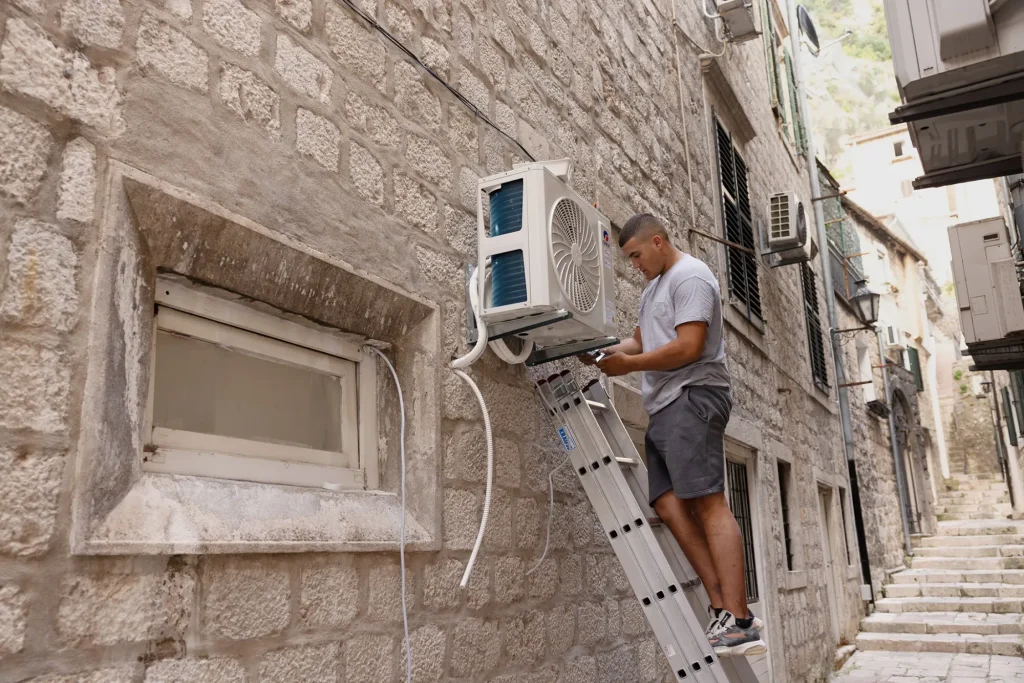
Have you ever wondered if Europe has air conditioners like many other places around the world? Maybe you’re planning a trip or just curious about how people stay cool during hot summer days across the continent.
You might be surprised to learn how common—or rare—air conditioning really is in European homes, offices, and public spaces. Keep reading to discover the truth about air conditioners in Europe and how it could affect your comfort the next time you visit or live there.

Credit: www.statista.com
Air Conditioning In European Homes
Many European homes do not have air conditioners. This is because the climate is generally cooler than in other parts of the world. Europeans often use fansor open windows to cool their homes during warm days.
In southern Europe, such as Spain and Italy, air conditioners are more common. These places have hotter summers, so people install AC unitsto stay comfortable.
Energy costs and old buildings also affect air conditioner use. Many European homes are built to keep heat in, not out. This makes air conditioning less necessary.
- Cooler climate means less need for AC
- Fans and open windows are popular
- Hotter southern regions use more air conditioners
- Old buildings keep heat inside well
- Energy costs discourage heavy AC use
Credit: en.ilsole24ore.com
Climate Influence On Air Conditioning Use
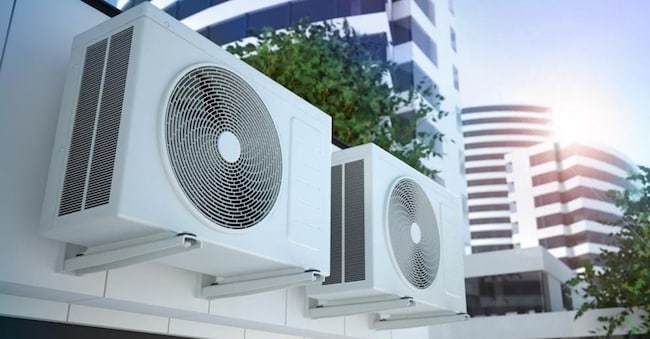
Europe’s climate varies greatly across regions. Northern Europe has cooler summers, so air conditioners are less common. Southern Europe faces hot summers, making air conditioning more popular. Many homes in Mediterranean countries use air conditioners to stay cool.
In Northern and Western Europe, milder summers reduce the need for air conditioning. People often rely on natural ventilation or fans. In cities with dense buildings, air conditioning is growing in use due to heat waves.
- Climateaffects air conditioning demand.
- Hotter areas install AC more often.
- Cooler regions use AC less.
- Urban heat increases AC use.
Cultural Preferences And Comfort
Europeans often prefer natural ventilationand fresh air. Many homes have large windows to let in cool breezes. Air conditioning is less common in older buildings. This is because the climate in many parts of Europe is milder. Summers are usually not too hot. People use fans or open windows instead of AC.
In southern Europe, where it gets hotter, air conditioners are more common. Businesses, hotels, and new homes often have AC units. Still, many Europeans find air conditioning uncomfortableor too cold. They like to feel the natural temperature changes.
- Cool clothing and shade help people stay comfortable.
- Outdoor cafes use umbrellas and awnings for shade.
- Evening walks are popular to avoid daytime heat.
Energy Efficiency And Environmental Concerns
Europe values energy efficiencyand environmental carein cooling systems. Many buildings use natural ventilationor insulationto reduce heat. Air conditioners are less common because they use lots of electricityand can harm the environment.
Strict rules limit the use of high-energy appliances. Countries promote energy-saving devicesand green technologies. Using air conditioners only when necessary is encouraged.
| Aspect | European Approach |
|---|---|
| Energy Use | Strict limits on high electricity use |
| Environmental Impact | Focus on reducing carbon footprint |
| Cooling Methods | Natural ventilation, insulation, and efficient ACs |
| Regulations | Strong laws for energy-efficient appliances |
Technological Advancements In Cooling
Europe uses many types of air conditioning technologies. Traditional systems cool rooms well but use more energy. Newer models focus on energy efficiencyand environmental care.
Smart air conditioners adjust cooling based on room use. They save energy by turning off when no one is inside. Some use renewable energylike solar power.
Heat pumps are common. They cool in summer and heat in winter. This dual use reduces the need for separate devices.
- Energy-saving sensors
- Quiet operation
- Remote control via apps
- Better air filters for cleaner air

Credit: www.threads.com
Public Spaces And Air Conditioning
Many public spaces in Europe have air conditioning, but its use varies by country and building type. Older buildings often lack AC due to design and cost.
Modern shopping centers, airports, and hotels usually have air conditioningto keep visitors comfortable. Schools and offices may have AC, but it is not always common.
In southern Europe, where summers are hotter, AC is more widespread. Northern and western Europe use AC less, relying on natural ventilation.
Some cities limit AC use to save energy and protect the environment. This causes public spaces to focus on cooling with fansor opening windows.
Economic Factors Affecting Adoption
Economic factors play a key role in the adoption of air conditioners across Europe. The cost of electricityinfluences how many people can afford to run AC units regularly. Countries with higher energy prices often see fewer air conditioners in homes.
Another factor is the income levelof residents. Wealthier populations tend to buy air conditioners more often. In contrast, lower-income households may prioritize other needs over cooling devices.
Government policies and energy efficiency regulationsalso impact AC use. Strict rules can limit the types of air conditioners sold or encourage more efficient models. These rules sometimes raise the purchase price, affecting adoption rates.
Climate variationsacross Europe affect demand. Southern regions with hotter summers show higher air conditioner use compared to northern areas with milder weather.
Future Trends In European Cooling Solutions
Europe’s cooling solutionsare changing fast. New rules focus on energy savingand eco-friendlyoptions. People want devices that use less power but cool well. Heat pumps and smart air conditionersare becoming common. These systems adjust temperature based on weather and room size.
Many countries push for greener technologyto reduce pollution. Solar-powered cooling is also rising. Homes and offices will use more renewable energysoon. This helps cut bills and protect the planet.
| Trend | Description |
|---|---|
| Heat Pumps | Use less electricity by moving heat instead of creating it |
| Smart AC | Adjusts settings automatically for comfort and energy saving |
| Solar Cooling | Uses solar panels to power air conditioning units |
| Eco-friendly Refrigerants | Reduce harm to the environment compared to old types |
Frequently Asked Questions
Do Europeans Commonly Use Air Conditioners At Home?
Air conditioners are less common in European homes compared to other regions. Many Europeans rely on natural ventilation and fans. However, AC usage is increasing in southern Europe due to rising temperatures and heatwaves.
Why Is Air Conditioning Less Popular In Europe?
Europe’s mild climate reduces the need for air conditioning. Energy costs and environmental concerns also discourage widespread AC use. Building designs prioritize natural cooling through insulation and ventilation instead.
Which European Countries Use Air Conditioning Most?
Southern European countries like Spain, Italy, and Greece use air conditioning more frequently. These areas experience hotter summers and increased demand for indoor cooling. Northern Europe uses AC less due to cooler climates.
Are European Public Places Equipped With Air Conditioning?
Many European public buildings, airports, and shopping centers have air conditioning. However, smaller shops and older buildings often lack AC. Public spaces increasingly install AC to improve comfort during heatwaves.
Conclusion
Europe does have air conditioners, but their use varies widely. Southern countries use them more due to hotter summers. Many northern areas rely on natural ventilation and heating instead. Air conditioning is growing in popularity as temperatures rise. Still, Europeans often prefer eco-friendly and energy-saving options.
Understanding this helps travelers and residents stay comfortable. Air conditioners are part of Europe’s changing climate habits. Simple steps can keep you cool without heavy energy use. The presence of air conditioners depends on climate and culture.