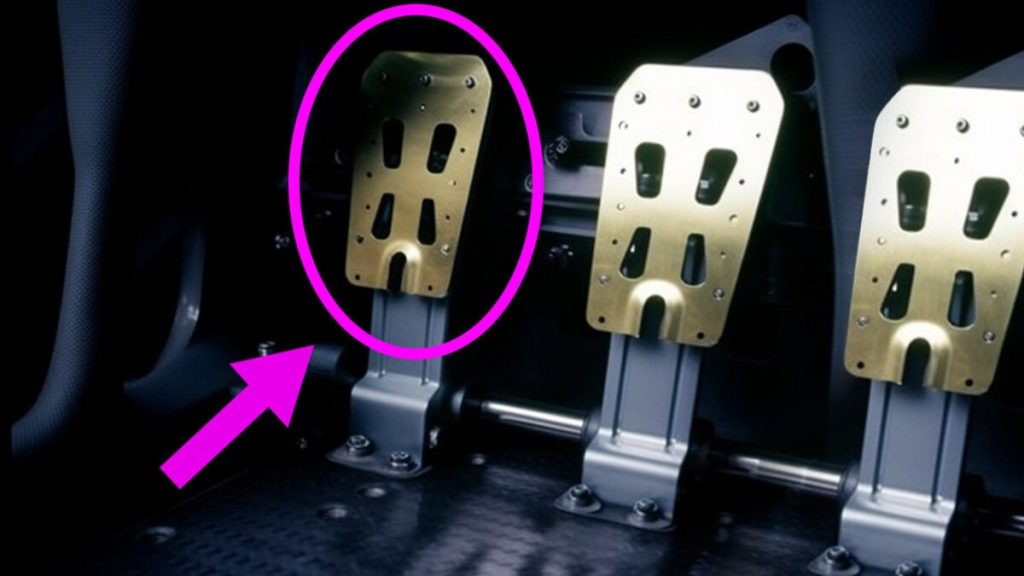
Have you ever wondered if F1 cars have a clutch pedal like the cars you drive every day? It’s a question that might seem simple, but the answer will surprise you.
Understanding how these incredible machines work can change the way you see racing forever. If you’re curious about what makes an F1 car so fast and how drivers control them at lightning speed, keep reading. This article will clear up the mystery and give you a fresh perspective on the world of Formula 1.
Ready to find out? Let’s dive in.
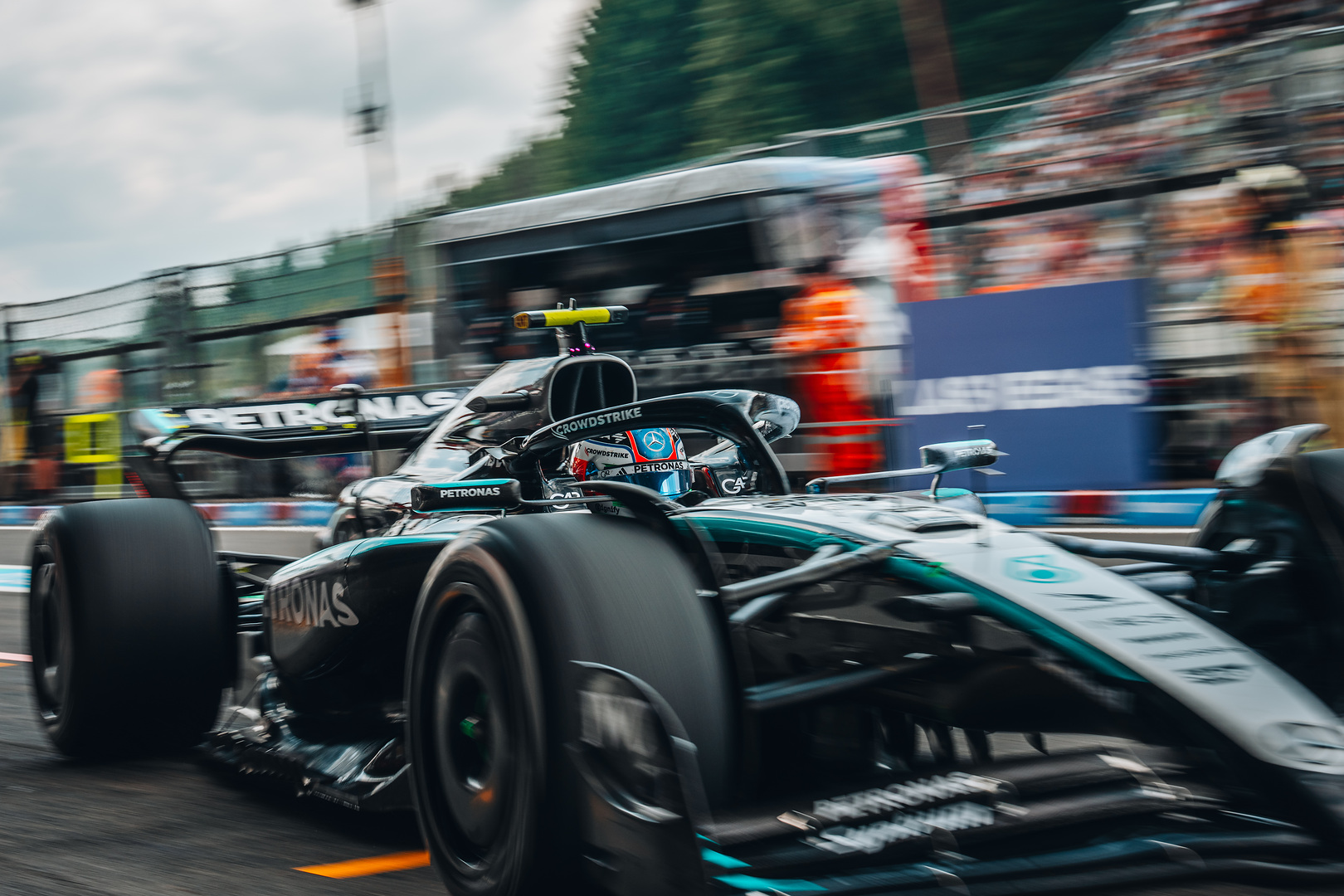
Credit: f1chronicle.com
Clutch In F1 Cars
F1 cars have a clutch, but it is different from regular cars. The clutch helps drivers change gears smoothly during a race.
The clutch in F1 is highly specialized and used mainly at the start and during pit stops.
Role Of The Clutch Pedal
The clutch pedal in F1 cars controls the connection between the engine and the gearbox. Drivers use it to start moving the car from a stop.
Once the car is moving, drivers usually do not use the clutch pedal to change gears. The gear changes are done by paddle shifters on the steering wheel.
- Starts the car smoothly from a standstill
- Allows quick gear changes at the start
- Helps during pit stops when the car stops and starts again
Historical Use In Racing
In the past, F1 cars used traditional clutches and manual gearboxes. Drivers pressed the clutch pedal to change gears during the race.
Modern F1 cars use semi-automatic gearboxes and paddle shifters. This change makes gear shifting faster and easier for drivers.
- Old F1 cars had a clutch pedal for every gear change
- Drivers needed skill to use the clutch and shift smoothly
- Now, clutch use is mostly limited to race starts and stops

Credit: www.autocarindia.com
Modern F1 Transmission
Formula 1 cars use very advanced transmissions. These systems are designed for speed and precision. Unlike regular cars, F1 transmissions focus on quick gear changes.
One key question is whether F1 cars have a clutch pedal. Modern F1 cars do have clutches but not like normal cars. The clutch works differently and is used in specific ways.
Semi-automatic Gearboxes
Most modern F1 cars use semi-automatic gearboxes. Drivers do not use a traditional clutch pedal to change gears. Instead, gears shift automatically with quick driver input.
The semi-automatic system uses hydraulics and electronics to change gears fast. The driver controls gear shifts using paddle shifters on the steering wheel. This system allows very fast gear changes without using a clutch pedal.
Paddle Shifters Impact
Paddle shifters let drivers change gears with just their fingers. This helps keep both hands on the wheel for better control. Drivers do not need to press a clutch pedal when shifting.
Paddle shifters improve the speed and safety of gear changes. They help drivers focus on driving instead of managing a clutch. This technology is a key part of modern F1 transmission systems.
- Faster gear changes
- Improved driver control
- No need for clutch pedal during shifts
- Increased safety on track
Starting And Stalling Procedures
Formula 1 cars have very different controls than regular cars. One key difference is how they use the clutch. This affects how drivers start the race and handle stalls.
In this article, we will explain how clutches are used at the race start and what happens when a stall occurs without a clutch pedal.
Clutch Use At Race Start
F1 cars do have a clutch, but it is not controlled by a pedal like in normal cars. Drivers use paddle shifters on the steering wheel to operate the clutch. This system helps with faster gear changes.
- The clutch is used to start the car from a standstill.
- Drivers control the clutch with a paddle on the steering wheel.
- The clutch helps to smoothly release power to the wheels.
- Starting too fast or too slow can cause wheel spin or loss of speed.
- Drivers practice timing and feel to get a good launch.
Handling Stalls Without A Pedal
If an F1 car stalls on the grid, it is a serious problem. Without a clutch pedal, drivers cannot simply press it to restart the engine. Instead, they rely on other methods.
| Stall Handling Method | Description |
|---|---|
| Using the Starter Button | Drivers press a button to start the engine again. |
| Assistance from the Pit Crew | Crew members may help restart the car if needed. |
| Automatic Clutch Control | The car’s system can sometimes manage clutch engagement for restart. |
Driver Control And Performance
F1 cars are high-tech machines built for speed and precision. Drivers need excellent control to get the best performance on the track.
One key part of control is the clutch system. It affects how the driver manages starts, gear changes, and overall car handling.
Manual Vs Automated Clutch Control
Older F1 cars used a manual clutch pedal for gear changes. Drivers pressed the pedal to disconnect the engine from the wheels.
Modern F1 cars use automated clutch systems. These systems reduce the need for a pedal and shift gears faster.
- Manual clutch gives drivers full control of gear timing
- Automated clutch helps reduce driver workload
- Manual clutch requires more skill and practice
- Automated systems improve shift speed and smoothness
Effect On Race Strategy
Clutch control changes how drivers start and manage races. It also affects tire wear and fuel use.
| Factor | Manual Clutch | Automated Clutch |
|---|---|---|
| Start Control | Driver controls slip and launch | System assists with launch control |
| Tire Wear | More slip can increase wear | Better control reduces tire damage |
| Fuel Efficiency | Depends on driver skill | Optimized shifts save fuel |
| Race Focus | More driver attention on clutch | Driver can focus on strategy and speed |
Technological Advances
F1 cars have changed a lot over the years. One big change is in how the clutch works. Technology now helps drivers shift gears faster and easier. This makes the cars faster on the track.
In the past, drivers used a clutch pedal like in normal cars. Today, F1 cars use advanced systems to control the clutch automatically. This technology helps improve performance and reduce driver effort.
Electronics In Clutch Management
Modern F1 cars use electronic systems to manage the clutch. These systems work with the car’s computer to control clutch engagement. This helps shift gears smoothly and quickly.
- Clutch control is automatic during starts and gear changes.
- Electronic sensors monitor clutch position and pressure.
- The system adjusts clutch action based on engine speed.
- Drivers use paddles, not a clutch pedal, to shift gears.
Future Trends In F1 Gearboxes
F1 gearboxes continue to evolve with new technology. Teams work on making gearboxes lighter and more reliable. The goal is to shift faster and reduce wear on parts.
| Trend | Description |
| Increased Automation | More electronic control of gear shifts and clutch. |
| Reduced Weight | Use of lighter materials for faster acceleration. |
| Improved Durability | Gearboxes last longer with less maintenance. |
| Hybrid Integration | Better syncing with hybrid power units. |

Credit: f1chronicle.com
Frequently Asked Questions
Do F1 Cars Use A Clutch Pedal?
F1 cars do not have a traditional clutch pedal. Instead, they use a paddle system mounted on the steering wheel. This system allows drivers to engage the clutch electronically. The design improves efficiency and speed, enabling faster gear changes during races.
This technology enhances overall performance on the track.
How Do F1 Drivers Shift Gears?
F1 drivers use paddle shifters located behind the steering wheel to shift gears. These paddles allow seamless and quick gear changes. The process is electronic, providing precision and efficiency. This setup eliminates the need for a traditional gear stick, optimizing driving performance in high-speed conditions.
What Is The Role Of A Clutch In F1?
The clutch in F1 cars allows for smooth gear transitions and efficient power delivery. It is electronically controlled through paddles on the steering wheel. This system ensures quick, precise gear changes, enhancing the car’s performance. The absence of a pedal optimizes space and reduces driver fatigue.
Why Don’t F1 Cars Have A Clutch Pedal?
F1 cars lack a clutch pedal to optimize space and improve efficiency. The paddle system on the steering wheel allows for quick, electronic gear changes. This design reduces driver effort and enhances performance. It is a crucial component in achieving the high-speed demands of Formula 1 racing.
Conclusion
F1 cars do have clutch pedals, but drivers use them differently. They press the clutch mainly during race starts and pit stops. The technology in F1 makes gear changes very fast. Drivers rely on paddle shifters to change gears quickly.
This system helps improve speed and control on the track. Knowing about the clutch pedal helps understand F1 driving better. It shows how complex and skilled F1 racing really is. Fans get a clearer picture of the driver’s role in the race.