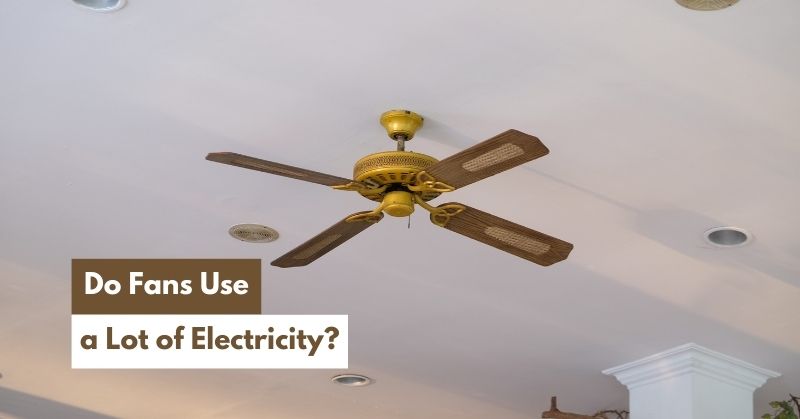
Are you wondering if your fan is secretly using more electricity than your air conditioner? It’s a question many people ask, especially when the bills start to climb.
You might think running a fan is always cheaper, but the truth might surprise you. Understanding how much power each device uses can help you make smarter choices and save money. Keep reading, and you’ll discover the facts that could change how you cool your home—and your electricity bill.
Credit: www.hunterfan.com
Electricity Consumption Basics
Electricity usage is measured in wattsor kilowatt-hours (kWh). Watts show how much power an appliance uses at one moment. Kilowatt-hours measure how much electricity it uses over time.
Several factors affect power consumptionof fans and air conditioners:
- Sizeof the appliance: Bigger machines use more power.
- Usage time:Longer use means more electricity used.
- Settings:Higher speed or cooler temperature uses more power.
- Energy efficiency:Newer models often use less electricity.
- Room size:Larger rooms need more cooling or airflow.
Power Usage Of Fans
Fans use much less electricitythan air conditioners. Different types of fansneed different energy amounts. Ceiling fans use about 50 watts, while tower fans use around 40 watts. Box fans can consume up to 100 watts.
Here is a quick look at common fan types and their energy use:
| Fan Type | Average Power Use (Watts) |
|---|---|
| Ceiling Fan | 40 – 75 |
| Table Fan | 30 – 60 |
| Tower Fan | 35 – 45 |
| Box Fan | 75 – 100 |
In comparison, air conditioners use between 500 to 1500 watts. Fans can run all day with very low power cost. Air conditioners use much more electricity and cost more to run.
Power Usage Of Air Conditioners
Air conditioners come in many types and sizes. Each type uses different amounts of electricity. Window units, split systems, and central ACs vary in power use. Efficiency depends on the model and technology. Newer models often use less energy.
Energy use also depends on how cold you set the temperature. Lower temperatures use more electricity. Cooling a large room takes more power than a small one.
| AC Type | Typical Power Use (Watts) | Efficiency Level |
|---|---|---|
| Window Unit | 500 – 1500 | Low to Medium |
| Split System | 1000 – 2500 | Medium to High |
| Central AC | 2000 – 5000 | High |
Knowing these numbers helps compare with other devices like fans.

Credit: www.dreo.com
Comparing Fans And Air Conditioners
Fans use much less electricitythan air conditioners in most cases. A typical fan uses about 15 to 90 watts, while an air conditioner can use 500 to 1500 watts. Fans only move air to create a cooling effect. Air conditioners cool the air by removing heat, which needs more power.
Energy use changes with the size of the room and how long the device runs. Fans work well in small rooms or when fresh air moves through windows. Air conditioners are better for very hot days or large spaces but cost more to run.
| Device | Power Use (Watts) | Best Use | Cost to Run |
|---|---|---|---|
| Fan | 15 – 90 | Small rooms, good airflow | Low |
| Air Conditioner | 500 – 1500 | Large rooms, hot days | High |
Efficiency Tips For Fans And Acs
Optimizing Fan Usageinvolves placing fans near windows or doors to create airflow. Use fans only in occupied rooms to save power. Clean fan blades regularly for better air movement. Choose fans with energy-saving labels to reduce electricity use. Ceiling fans should run counterclockwise in summer to push cool air down. Turning off fans when leaving a room prevents wasted energy.
Enhancing Air Conditioner Efficiencystarts with setting the thermostat at a comfortable but not too low temperature. Use curtains or blinds to block sunlight and reduce heat inside. Keep AC filters clean for better airflow and efficiency. Seal gaps around windows and doors to stop cool air from escaping. Use a programmable thermostat to adjust temperatures automatically. Regular AC maintenance helps keep it running well and saves electricity.
Environmental Impact
Fans use much less electricity than air conditioners. They create airflow but do not cool the air.
Air conditioners consume more powerbecause they change the air temperature. This leads to a higher carbon footprintfor AC units.
Using fans reduces energy use and lowers carbon emissions. Fans are a greener choicefor mild heat.
Some sustainable cooling alternativesinclude:
- Using fans with open windows for better airflow
- Installing shades or curtains to block sunlight
- Planting trees near windows for natural cooling
- Choosing energy-efficient air conditioners with good ratings
These methods help reduce electricity useand protect the environment.

Credit: www.nytimes.com
Frequently Asked Questions
Does A Fan Use Less Electricity Than Ac?
Yes, fans generally use less electricity than air conditioners. Fans only circulate air, consuming less energy. Air conditioners cool the air, requiring more power. On average, a fan uses about 30-50 watts, while an air conditioner can use 2000-5000 watts.
Therefore, fans are more energy-efficient.
How Much Electricity Does A Fan Consume?
A typical ceiling fan consumes between 30 and 75 watts. The exact consumption depends on the fan’s speed and size. On average, a fan running for 8 hours might use around 0. 24 to 0. 6 kWh. This is significantly lower than an air conditioner’s consumption.
Can Using A Fan Save On Electricity Bills?
Yes, using a fan can save on electricity bills. Fans use less electricity compared to air conditioners. By relying on fans, you reduce overall energy consumption, which lowers your bill. For optimal savings, use fans in conjunction with air conditioners to circulate cool air effectively.
Is It Cheaper To Run A Fan Or Ac?
Running a fan is generally cheaper than using an air conditioner. Fans consume significantly less energy, translating to lower costs. While an air conditioner provides cooling, its higher energy consumption results in increased utility bills. Utilizing fans can help maintain comfort while minimizing expenses.
Conclusion
Fans use much less electricity than air conditioners. They cool the body by moving air, not lowering room temperature. Air conditioners need more power to chill the entire room. Using a fan can save energy and cut your bills. Yet, fans work best in moderate heat, not extreme heat.
Choose the right option based on your needs and weather. Small changes in cooling can help you save energy daily. Stay cool smartly and keep your electricity costs low.