Are you thinking about trying fat freezing but worried it might hurt? You’re not alone.
Many people wonder what to expect before they decide to freeze away stubborn fat. Understanding how the procedure feels can help you make the right choice for your body and comfort. Keep reading to discover the truth about fat freezing and whether the process will cause you pain or just a bit of discomfort.
Your questions are about to be answered.

Credit: elitebodycontouring.com.au
What Is Fat Freezing
Fat freezing, also known as cryolipolysis, is a popular non-surgical treatment designed to reduce stubborn fat pockets. Unlike traditional weight loss methods, this technique targets fat cells directly by using controlled cooling. You might wonder what happens during the process and how it affects your body.
How Does Fat Freezing Work?
The procedure uses a device that cools fat cells to a temperature where they begin to break down without harming the surrounding skin or tissue. These damaged fat cells then naturally die off and are removed by your body’s lymphatic system over several weeks.
Imagine freezing a fat cell so it can’t survive, but your skin feels nothing but a cool sensation. This precise targeting makes fat freezing a popular choice for those wanting to avoid surgery.
Which Areas Can Be Treated?
Common treatment areas include the abdomen, thighs, love handles, and under the chin. These are spots where fat often resists diet and exercise.
Knowing which areas respond best can help you decide if fat freezing aligns with your body goals. Have you noticed certain spots that just won’t slim down despite your efforts?
What Results Can You Expect?
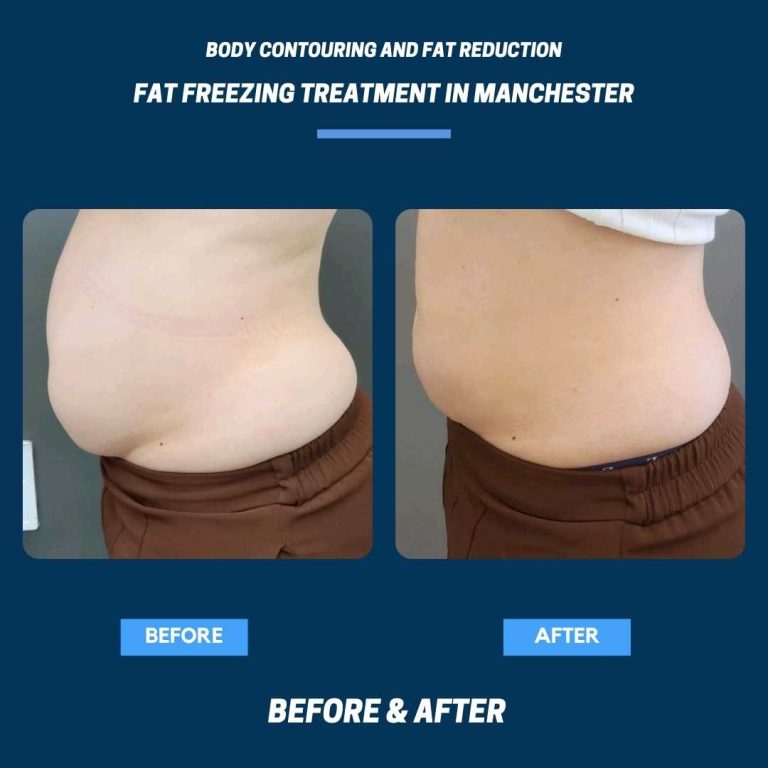
Results usually begin to show within three weeks after treatment, with full effects visible after two to three months. Fat freezing can reduce fat by about 20-25% in the treated area.
Keep in mind, this isn’t a weight loss method but a body contouring treatment. It’s perfect for fine-tuning your shape rather than dropping significant pounds.
How Fat Freezing Works
Understanding how fat freezing works can help you decide if this treatment is right for you. It’s a non-invasive way to reduce stubborn fat without surgery, but how does it actually target fat cells? Let’s break down the process so you know what happens beneath the surface.
What Is Fat Freezing?
Fat freezing, also known as cryolipolysis, uses controlled cooling to target fat cells beneath your skin. The cooling temperature is low enough to freeze fat cells but safe enough to avoid harming other tissues. This selective freezing triggers fat cell death without cutting or suctioning.
How Does The Cooling Target Fat Cells?
The fat freezing device is placed on the area you want to treat. It pulls the skin and fat into a cooling panel. The cold temperature causes fat cells to crystallize and die, while skin and muscles remain unharmed.
What Happens After Fat Cells Freeze?
Once fat cells freeze, your body treats them as damaged and starts removing them naturally. Over weeks, your lymphatic system collects and processes these dead cells. This gradual removal results in a slimmer appearance in the treated area.
Does Fat Freezing Hurt During The Process?
Some people feel a cold sensation or slight tugging when the device is applied. This feeling usually fades as the area becomes numb. Many find the procedure tolerable and even relaxing after the initial minutes.
How Long Does It Take To See Results?
Results don’t appear immediately. It takes about 2 to 3 months for your body to fully eliminate the frozen fat cells. Patience is key—your silhouette changes gradually, not overnight.
Have you ever wondered why fat cells are more vulnerable to cold than other cells? This selective sensitivity makes fat freezing a clever way to reduce fat without surgery or downtime. Understanding this can help you feel confident in your choice.
Pain Sensations During Treatment
Understanding the pain sensations during fat freezing treatment can help you prepare mentally and physically. Many people worry about discomfort, but knowing what to expect often eases those concerns. Here’s a breakdown of the common feelings during the procedure.
Initial Cold Sensation
The moment the device touches your skin, you’ll feel a sharp cold sensation. This is normal and happens because the treatment targets fat cells by cooling them down. It can feel intense at first, but most find it tolerable after a few minutes.
Some describe this initial chill as similar to holding an ice cube on your skin. It’s brief and usually fades as your body adjusts to the cold. Have you ever paused after touching something cold, only to get used to it quickly? This is the same effect.
Tingling And Numbness
As the cold continues, tingling or numbness often sets in. This happens because the nerves in the treated area slow down their signals temporarily. It might feel strange, like pins and needles, but it’s a sign the treatment is working.
Many people find this phase more comfortable than the initial cold shock. Sometimes, the numbness can last for a short while after the session ends. Knowing this can help you stay calm if you notice these sensations.
Possible Discomfort Points
While fat freezing is generally painless, some spots might cause mild discomfort. Areas with thinner skin or more nerve endings, like near ribs or under the chin, can feel more sensitive. You might notice slight pulling or pinching as the device suctions the skin.
Discomfort usually subsides quickly and doesn’t last after treatment. If you feel sharp pain, it’s important to tell your technician right away. Would you prefer to discuss any sensitivity concerns before your session to feel more in control?

Credit: www.bostonplastic.com
Factors Influencing Pain Levels
Understanding what affects pain levels during fat freezing can help you prepare better and feel more in control. Pain is subjective, and many factors come into play. Let’s look at what might influence your experience.
Individual Pain Tolerance
Everyone feels pain differently. Your personal pain threshold plays a big role in how you perceive discomfort during fat freezing.
Some people find the cold sensation almost ticklish, while others feel mild to moderate discomfort. Think about how you handle pain in other situations—this can give you a clue.
Have you ever noticed how your mood or stress level can make pain feel worse? Managing anxiety before treatment might actually reduce what you feel.
Treatment Area Size
The size of the area being treated affects pain intensity. Larger areas mean longer sessions, which can increase discomfort.
Smaller areas often require less time and might feel more tolerable. For example, freezing fat on your chin is usually quicker and less painful than on your abdomen.
Ask your provider about session length and how it relates to your treatment area. Knowing this can help you mentally prepare for the experience.
Device Technology
Not all fat freezing machines are the same. Newer devices often have features designed to minimize pain and improve comfort.
Some machines include built-in cooling controls and suction adjustments that reduce skin irritation. Others have vibration options to distract nerves and ease discomfort.
Before your session, ask what technology will be used. Choosing a clinic with advanced devices can make a noticeable difference in how you feel.
Managing Discomfort
Managing discomfort during fat freezing is key to having a smooth experience. You might feel some cold or tingling sensations, but there are ways to ease these feelings before, during, and after the treatment. Paying attention to your body’s signals and preparing yourself can make a big difference.
Pre-treatment Tips
Start by staying well-hydrated the day before your session. Drinking plenty of water helps your body handle the cold better and can reduce sensitivity.
Avoid caffeine and alcohol right before the treatment, as they can make your nerves more sensitive. Wearing loose, comfortable clothing also helps you relax and keeps pressure off treated areas.
During Treatment Techniques
If you feel the cold is too intense, try deep, slow breathing. It calms your nervous system and can lower the discomfort.
Distract yourself by listening to music or chatting with the technician. Focusing on something else often makes the sensations less noticeable.
- Ask the technician to adjust the suction or cooling level if needed.
- Use a warm cloth on your face or neck to counterbalance the chill.
Post-treatment Care
After the session, gently massage the treated area. It boosts blood flow and reduces numbness or stiffness.
Applying a warm compress can soothe lingering discomfort. Avoid heavy exercise immediately after to let your body recover.
Have you noticed how simple actions can change your whole experience? Managing discomfort isn’t about avoiding it completely but handling it smartly.
Common Side Effects
Fat freezing may cause mild redness, swelling, or numbness in treated areas. These effects usually fade within a few days. Some people feel slight discomfort, but pain is rare and brief.
Experiencing fat freezing for the first time can be a mix of excitement and apprehension. You might wonder if the quest for a sculpted body will bring discomfort. While the procedure is non-invasive, it’s essential to know the common side effects you might encounter. Understanding these can help you prepare and set realistic expectations.Redness And Swelling
Right after the session, you might notice some redness in the treated area. This is a normal reaction as your body adjusts to the cooling process. Swelling might also accompany the redness, but it generally subsides within a few hours to a few days. During my first treatment, I experienced noticeable redness and slight swelling. It was like having a mild sunburn, but it faded by the next morning. Remember, each person’s body reacts differently, so your experience could vary.Bruising
Bruising can occur, especially if you bruise easily. The suction applied during the procedure can sometimes cause minor bruising. While it might not happen to everyone, it’s a possibility to keep in mind. A friend of mine who tried fat freezing shared that she had a small bruise on her abdomen. It healed within a week, and she felt it was a small price to pay for the results. If you notice bruising, give it some time, and it will typically resolve on its own.Temporary Sensitivity
Sensitivity in the treated area is another common side effect. You might feel a tingling sensation or numbness. This is temporary and usually resolves within a few days to weeks. I personally felt a slight tingling for about a week after my session. It reminded me of the feeling you get when your foot falls asleep. If you experience this, know that it’s part of the body’s natural response and will fade over time. Curious about how these side effects might impact your daily life? The reality is, most people continue with their usual activities without interruption. It’s about listening to your body and giving it the time it needs to adjust.Real Patient Experiences
Hearing from people who have actually tried fat freezing gives you a clearer picture of what to expect. These real patient experiences reveal the range of sensations during and after the treatment. Understanding these stories can help you decide if fat freezing is right for you and how to prepare for it.
What Patients Felt During The Procedure
Many patients describe the initial cold sensation as intense but brief. One woman shared that the cold felt like a strong ice pack pressed against her skin, but it quickly numbed the area.
Some people noticed a tingling or slight pinching feeling as the device worked. A man mentioned that after about five minutes, the numbness took over, making the process more comfortable than expected.
Have you wondered if the cold causes lasting discomfort? Most reports say the sensation fades quickly, and the procedure itself is more tolerable than they imagined.
Aftercare And Temporary Side Effects
After fat freezing, some patients experienced redness and mild swelling in treated areas. One patient noted that these symptoms lasted only a few hours and did not interfere with daily activities.
Common temporary side effects include tenderness, bruising, or a feeling of firmness. A woman mentioned that gentle massage helped reduce discomfort, making recovery smoother.
Do you worry about downtime? Most individuals returned to work or normal routines immediately, finding the aftercare manageable and brief.
Long-term Comfort And Results
Several patients reported a gradual reduction in fat without any lingering pain. One man described feeling a slight numbness for a few weeks but said it was minor compared to the visible results.
Some users shared that patience is key—results appear over weeks, not instantly. Knowing this helped them stay motivated despite minor temporary sensations.
Would you be comfortable with a process that involves some mild discomfort but delivers lasting benefits? Real stories suggest the trade-off is worth considering.

Credit: www.laserbodymd.ca
Comparing Fat Freezing Pain To Other Procedures
Understanding how fat freezing pain compares to other procedures can help you decide if it’s the right choice for you. Everyone’s pain tolerance differs, but knowing what to expect makes the process less intimidating. Let’s look at how fat freezing stacks up against some common treatments in terms of discomfort.
Fat Freezing Vs. Liposuction Pain
Liposuction often involves general anesthesia and a recovery period with significant soreness. Many people describe the pain after liposuction as intense bruising and swelling that can last for days or weeks.
Fat freezing, on the other hand, uses cold temperatures to target fat cells without needles or surgery. Most people feel a cold, numb sensation followed by mild tingling or pulling during the session. Any discomfort usually fades quickly after treatment.
Fat Freezing Compared To Laser Hair Removal
Laser hair removal can cause a snapping or stinging feeling similar to a rubber band hitting the skin. The level of pain depends on the area treated and your sensitivity.
Fat freezing discomfort is different; it’s more about cold and pressure rather than sharp or sudden pain. Many find fat freezing less irritating than laser hair removal, especially since no repeated bursts of heat are involved.
Pain Levels Of Fat Freezing Vs. Botox Injections
Botox involves multiple needle injections, which can cause brief stinging or pinching sensations. Some areas, like around the eyes, tend to be more sensitive.
Fat freezing requires no needles, so there’s no injection pain. The main feeling is cold and suction, which can be uncomfortable but usually tolerable. If you dislike needles, fat freezing might feel easier.
How Does Fat Freezing Compare To A Deep Tissue Massage?
Deep tissue massages can cause soreness or bruising as muscles are pressed and kneaded deeply. Some people find this therapeutic, while others may feel it’s painful.
Fat freezing’s discomfort is temporary and surface-level, mainly from cold and suction. Unlike massage, there’s no muscle manipulation or soreness afterward. This makes it a gentler option if you’re sensitive to pressure.
Have you thought about which type of discomfort you are more willing to tolerate? Understanding these differences can help you set realistic expectations and choose a treatment that fits your comfort level. What’s your pain tolerance telling you?
Frequently Asked Questions
Does Fat Freezing Cause Pain During The Procedure?
Fat freezing may cause mild discomfort, like cold or tingling. Most patients tolerate it well without severe pain. Sensations usually fade as the area numbs during treatment.
How Long Does Any Fat Freezing Pain Last?
Discomfort typically lasts only during the session, about 35-60 minutes. After treatment, mild soreness or tenderness can persist for a few days.
Are There Any Side Effects From Fat Freezing Pain?
Common side effects include temporary redness, swelling, or bruising. These effects are mild and resolve within days to weeks without lasting pain.
Is Fat Freezing More Painful Than Other Fat Reduction Methods?
Fat freezing is generally less painful than liposuction or injections. It is a non-invasive procedure with minimal downtime and discomfort.
Conclusion
Fat freezing usually causes little to no pain during the process. Most people feel cold and slight pressure on the skin. Some may experience mild tingling or numbness, which fades quickly. After treatment, soreness or redness can appear but goes away in a few days.
This method is gentle and safe for many. Always talk to a doctor before trying fat freezing. Understanding what to expect helps reduce worry and makes the experience better. Fat freezing offers a low-pain way to reduce fat without surgery.