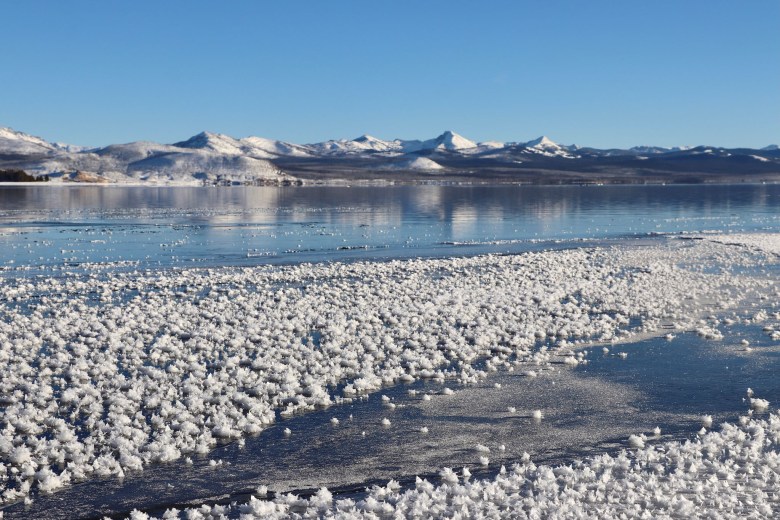
Imagine standing on the shore of a vast, clear lake, surrounded by the breathtaking beauty of Montana. You wonder, as winter approaches, “Does Flathead Lake freeze over?”
This question might seem simple, but it unveils layers of intriguing facts and secrets. If you’re curious about the mysteries of nature, or planning your next adventure, you’ll want to keep reading. Discover the unique interplay of science and nature at Flathead Lake, and learn why its winter transformation is a topic of fascination for locals and tourists alike.
Prepare to have your curiosity piqued and your questions answered.
Flathead Lake Climate
The climate around Flathead Lake plays a crucial role in determining whether its waters freeze over during winter. This large freshwater lake in Montana experiences a mix of temperature shifts and weather patterns that influence ice formation. Understanding these climatic factors gives you a clearer picture of what happens each winter.
Seasonal Temperature Variations
Temperatures around Flathead Lake swing dramatically with the seasons. Summers can be warm, often reaching highs in the 80s (°F), while winters bring chilly conditions with average lows dipping below freezing.
During winter nights, temperatures frequently drop to the teens or lower, but daytime warmth can sometimes rise above freezing. This fluctuation affects how long and thick any ice on the lake can last.
Have you ever noticed how a few warm days can melt ice quickly? That’s exactly what happens here, making consistent freezing less common than you might expect.
Winter Weather Patterns
Winter around Flathead Lake isn’t just cold—it’s also influenced by varied weather patterns that impact ice formation. Snowfall can insulate the lake surface, slowing down freezing by keeping temperatures just a bit warmer under the snow layer.
Wind plays another important role. Strong gusts can break up thin ice or prevent it from forming altogether by constantly mixing the lake water.
Consider this: Even if temperatures stay low, a windy day may keep the lake’s surface from freezing solid. This means that, depending on the weather, you might see a frozen lake one winter but open water the next.

Credit: www.youtube.com
Lake Characteristics
Flathead Lake is one of the largest natural freshwater lakes in the western United States. Its unique features affect whether it freezes in winter. Understanding the lake’s characteristics helps explain why ice rarely forms on its surface.
Size And Depth
Flathead Lake covers about 191 square miles. It stretches over 19 miles long and 15 miles wide. The lake’s average depth is 164 feet, with some spots reaching 370 feet deep. Large size and depth mean the water holds a lot of heat. Deep water cools down slowly, which prevents freezing.
Water Movement And Currents
The lake experiences constant water movement. Winds create waves and mix surface water with deeper layers. This mixing spreads heat throughout the lake. Currents flow in and out, bringing warmer water from connected rivers. Moving water makes ice formation difficult, as still water is needed for ice to form easily.
Freezing Conditions
Understanding the freezing conditions of Flathead Lake is key to knowing whether its surface turns to ice during winter. The lake’s size and depth play a major role in how it responds to cold weather. Freezing over is not just about temperature; several factors must align for ice to form and stay solid.
Historical Freeze Records
Flathead Lake rarely freezes completely. Historical records show that the lake’s surface has frozen over only a handful of times in the last century. One notable freeze occurred in the winter of 1937, which locals still talk about today.
Short, intense cold spells have sometimes caused partial ice formation near the shorelines. However, deep and consistent cold is needed to freeze the entire lake. Do you know how often your local lakes freeze in winter? Flathead’s resistance to freezing makes it unique in the region.
Factors Affecting Ice Formation
- Lake Depth:Flathead Lake is very deep, averaging over 150 feet. Deep water stores heat longer, slowing the freezing process.
- Surface Area:The lake is large, which allows wind to create waves. Moving water resists freezing compared to still ponds.
- Weather Patterns:Consistent below-freezing temperatures over several weeks are necessary to start ice formation.
- Snow Cover:Snow insulates the water surface, sometimes protecting it from freezing or delaying ice growth.
- Water Currents:Underwater currents can bring warmer water from deeper areas to the surface, preventing ice buildup.
These factors combine in complex ways. You might think a cold snap means instant ice, but the lake’s natural features often counteract quick freezing. Have you ever noticed how some lakes nearby freeze quickly while others stay open? Flathead Lake’s unique characteristics explain that difference.
Impact On Local Wildlife
Flathead Lake’s freezing patterns affect the local wildlife greatly. Ice formation changes water temperature and oxygen levels. These shifts impact species living in and around the lake. Wildlife adapts in different ways to survive the cold months.
Fish And Aquatic Life
Fish depend on water temperature to stay active and find food. Ice cover can limit sunlight, reducing plant growth underwater. This lowers oxygen levels, making survival harder for some fish. Cold-tolerant species like trout thrive better under icy conditions. Others move to deeper, warmer parts of the lake. Aquatic insects and smaller creatures also slow down or hide to save energy.
Bird Migration And Habitats
Birds use the lake as a resting spot during migration. Ice cover can block access to open water and fish. Many waterfowl fly to nearby rivers or lakes that stay unfrozen. Birds nesting near the lake may face food shortages. Some species change their habits to find food elsewhere. The frozen lake reshapes where birds gather and breed each winter.
Recreational Activities
Flathead Lake offers a unique setting for winter recreation. The lake rarely freezes completely due to its size and depth. This affects the types of activities possible during colder months. Yet, some winter sports enthusiasts find ways to enjoy the chilly season around the lake.
Winter Sports Possibilities
Ice fishing is popular when small sections of the lake freeze. Anglers drill holes and catch trout and other fish. Snowshoeing and cross-country skiing are great on nearby trails. These activities let visitors explore the snowy landscape. Some areas close to the shore may freeze enough for safe skating. Local parks often groom paths for winter walking or jogging.
Safety Considerations On Ice
Checking ice thickness is essential before stepping on the lake. Ice must be at least 4 inches thick for walking. Strong winds and currents can weaken ice quickly. Always use safety gear like life jackets and ice picks. Avoid areas with cracks, slush, or flowing water. Local authorities provide updates on ice conditions. Never go alone and tell someone your plans. Being cautious keeps winter fun and safe.

Credit: www.montanarightnow.com
Climate Change Effects
Climate change is reshaping how lakes behave, including Flathead Lake. Changes in temperature and weather patterns directly influence whether the lake freezes during winter. Understanding these effects can help you predict future conditions and adapt your plans accordingly.
Trends In Lake Freezing
Over the past decades, the frequency and thickness of ice on Flathead Lake have shown noticeable shifts. Winters that once regularly brought solid ice cover are becoming less consistent. You might have noticed shorter periods of ice or thinner ice sheets, making winter activities like ice fishing riskier.
Data from local weather stations reveal that average winter temperatures around the lake have risen by about 1 to 2 degrees Fahrenheit. This subtle increase is enough to disrupt the delicate balance needed for the lake to freeze fully. Are you prepared for winters when the ice might not support your usual outdoor plans?
Future Predictions
Climate models suggest that Flathead Lake is likely to freeze less often in the coming years. Warmer winters and unpredictable snowfall will make ice formation more sporadic. This means you should expect fewer opportunities for ice-related recreation.
On the bright side, understanding these trends lets you adjust your activities and stay safe. If you’re someone who loves winter on the lake, consider alternative ways to enjoy the season that don’t rely on ice. Will you adapt your winter traditions to fit the changing climate?

Credit: missoulian.com
Frequently Asked Questions
Does Flathead Lake Freeze Completely In Winter?
Flathead Lake rarely freezes completely due to its large size and depth. Only shallow areas may ice over during extreme cold spells. The lake’s volume and movement prevent full freezing most winters.
How Often Does Flathead Lake Freeze Partially?
Partial freezing occurs occasionally during harsh winters. Shallow bays and coves may develop ice layers. However, this is not a yearly event and depends on prolonged cold temperatures.
Can People Safely Walk On Flathead Lake Ice?
Walking on Flathead Lake ice is generally unsafe. The ice is unpredictable and often thin. Authorities advise against venturing onto the lake during winter for safety reasons.
What Weather Conditions Cause Flathead Lake To Freeze?
Extended periods of below-freezing temperatures and calm winds promote ice formation. Lack of snow cover on ice also helps it thicken. Sudden warm spells usually melt any formed ice quickly.
Conclusion
Flathead Lake rarely freezes over due to its large size and depth. Cold winters can chill the surface, but thick ice seldom forms. This keeps the lake open for most winter activities. Visitors enjoy fishing, boating, and scenic views year-round.
Knowing this helps you plan your trip better. Nature’s power keeps the lake lively and free-flowing. A unique feature that makes Flathead Lake special. Stay warm and enjoy the beauty around the lake anytime.