Are you wondering if flaxseed needs to take up valuable real estate in your fridge? You’re not alone.
Many people are unsure about the best way to store this nutrient-packed powerhouse. Flaxseed is a favorite in health circles, praised for its omega-3 fatty acids, fiber, and a host of other benefits. But improper storage can rob it of its goodness, leaving you with a less potent product.
You’ll discover whether refrigeration is a must for flaxseed and how to keep it fresh and beneficial for your health. Keep reading to unlock the secret to getting the most out of your flaxseed stash!
Credit: www.bobsredmill.com
Types Of Flaxseed
Flaxseed comes in different forms, each with unique uses and storage needs. Knowing the types helps understand how to keep flaxseed fresh. Two common types are whole flaxseed and ground flaxseed.
Whole Flaxseed
Whole flaxseed has a hard outer shell that protects its nutrients. It lasts longer than ground flaxseed. This type does not spoil quickly at room temperature. It can be stored in a cool, dry place away from sunlight. Whole flaxseed is great for baking and cooking. It can be ground at home for freshness.
Ground Flaxseed
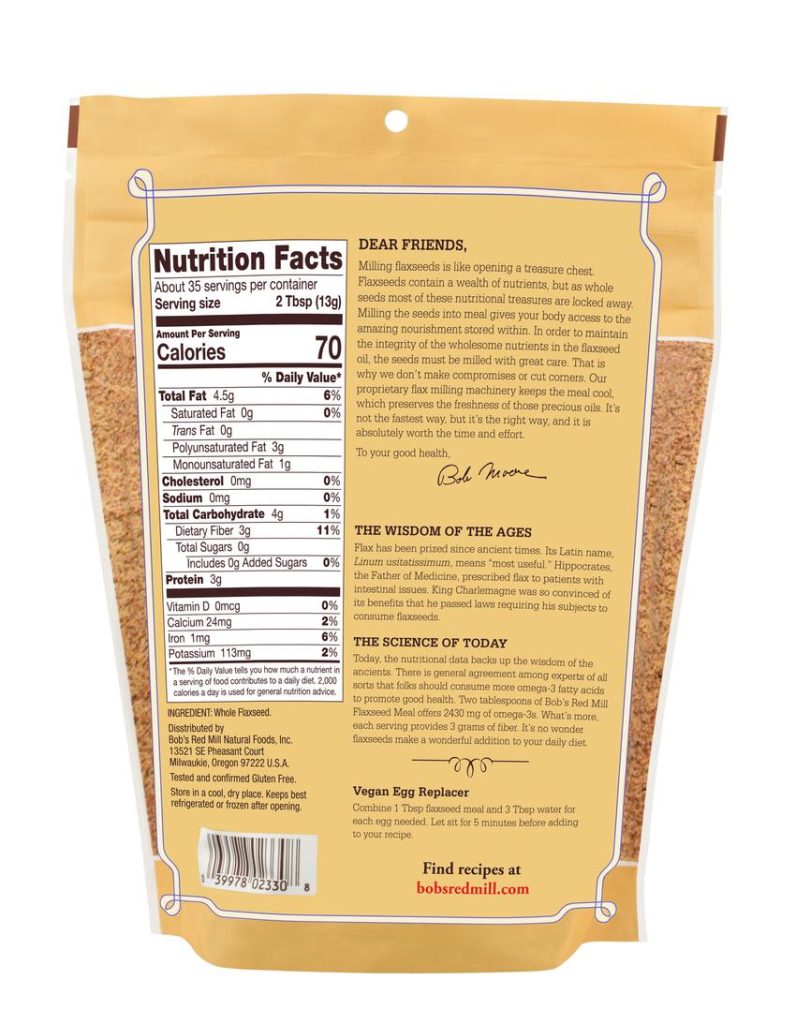
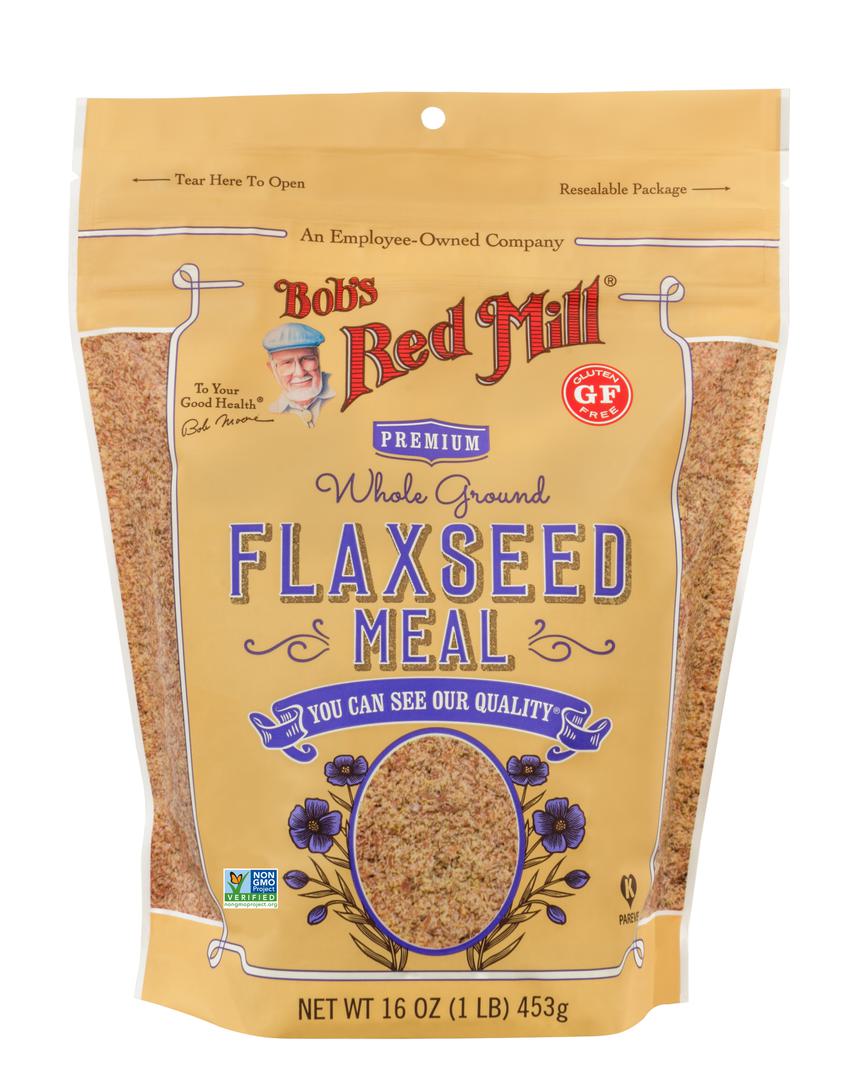
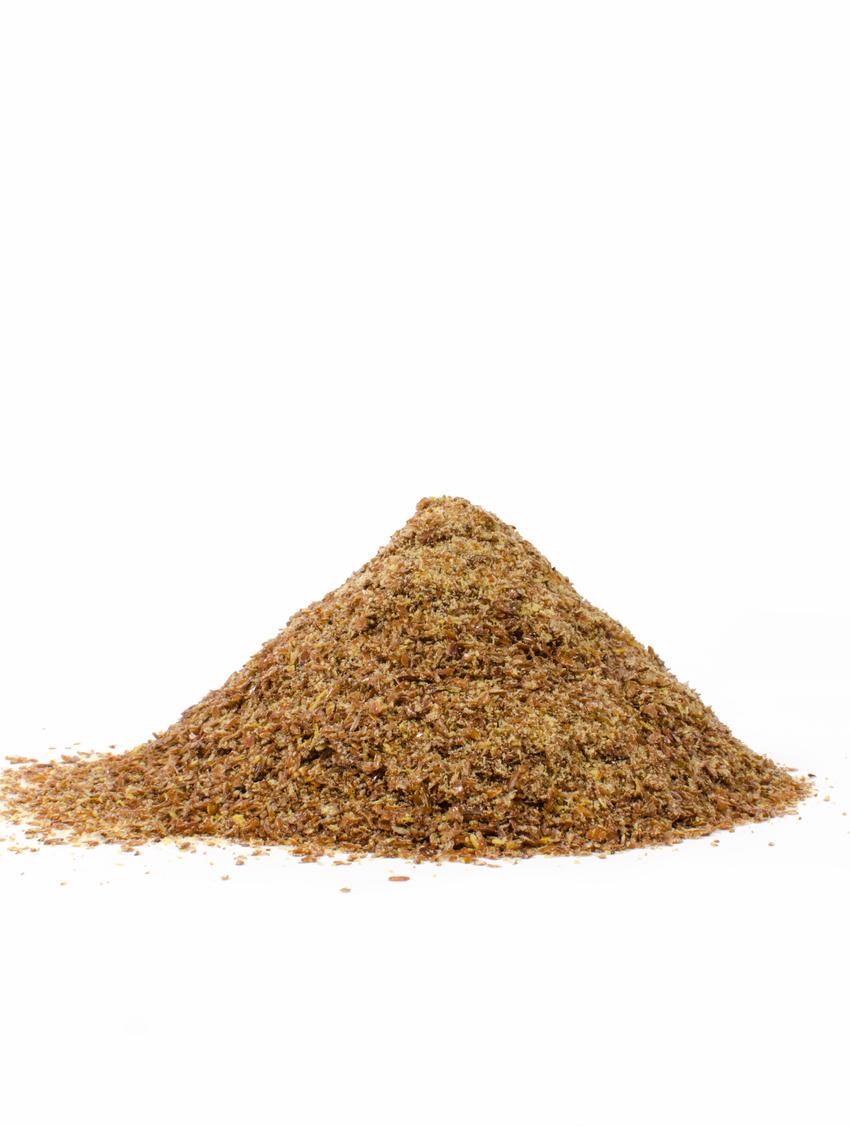
Ground flaxseed is flaxseed that has been milled into a fine powder. It is easier to digest and absorb than whole flaxseed. Ground flaxseed can spoil faster because the oils are exposed to air. It needs to be stored in the refrigerator or freezer. Keeping it cold helps preserve its freshness and prevents it from going rancid. Ground flaxseed is ideal for smoothies, cereals, and baking.
Shelf Life Of Flaxseed
Understanding the shelf life of flaxseed is essential if you want to enjoy its benefits without wasting your purchase. Flaxseed can lose its nutritional value and develop an unpleasant taste if not stored properly. How you store it—whether unopened or opened—makes a big difference in how long it stays fresh.
Unopened Packages
Unopened flaxseed packages typically have a longer shelf life because they are sealed away from air, moisture, and light. Whole flaxseeds can last up to a year when stored in a cool, dry place like your pantry. Ground flaxseed, which is more prone to oxidation, usually has a shorter shelf life—about 3 to 4 months if left unopened.
Have you ever bought ground flaxseed only to find it tastes bitter after a few weeks? That’s a sign it’s starting to go rancid even if the package is unopened. Checking the expiration date and storing it away from heat sources can help keep it fresh.
Opened Packages
Once you open flaxseed, exposure to air and moisture speeds up spoilage. Whole flaxseeds can last about 6 months if kept in an airtight container in the refrigerator. Ground flaxseed, however, should be refrigerated immediately and used within 1 to 3 months to avoid rancidity.
I learned this the hard way when I left a bag of ground flaxseed in my pantry. The next time I used it, the flavor was off, and I had to toss it. Storing opened flaxseed in the fridge extends its life and keeps that nutty flavor intact.
- Keep flaxseed in airtight containers to reduce air exposure.
- Label your flaxseed with the date you opened it.
- Smell and taste a small amount before using to ensure freshness.
Are you storing your flaxseed in the best way possible to maximize its shelf life? Small changes in storage habits can make a big difference in flavor and nutrition.
Refrigeration Benefits
Refrigerating flaxseed offers clear benefits that can extend its shelf life and maintain its nutritional value. If you’ve ever noticed a strange, bitter taste from flaxseed, you might wonder if storing it in the fridge could help. Let’s look at how refrigeration helps keep your flaxseed fresh and prevents it from going rancid.
Preserving Freshness
Flaxseed contains oils that are sensitive to heat and light. When left at room temperature, these oils can break down more quickly, causing the flaxseed to lose its fresh flavor and nutritional benefits.
By keeping flaxseed in the refrigerator, you slow down this breakdown process. You’ll notice the seeds stay fresher for weeks or even months longer than if stored in a pantry.
Have you ever opened a bag of flaxseed and found it tasting stale or off? Refrigeration can help you avoid that unpleasant surprise.
Preventing Rancidity
Rancidity happens when fats in flaxseed oxidize, producing off-flavors and odors. This not only affects taste but can reduce the health benefits of flaxseed’s omega-3 fatty acids.
Storing flaxseed in the fridge limits exposure to air and warmth, which are key factors in oxidation. This means your flaxseed remains safe to consume and retains its health-promoting qualities longer.
If you want to get the most out of flaxseed’s nutritional power, refrigeration is a simple step that makes a big difference. Why settle for less when a small change can keep your flaxseed fresh and tasty?
Credit: www.bobsredmill.com
Storage Methods
Proper storage keeps flaxseed fresh and nutritious for a longer time. Different storage methods suit whole flaxseeds and ground flaxseeds differently. Understanding these options helps maintain quality and prevent spoilage.
Room Temperature Storage
Whole flaxseeds can stay fresh at room temperature for several months. Store them in an airtight container to block air and moisture. Keep the container in a cool, dark place away from sunlight. Avoid warm or humid areas, as heat can cause flaxseed to go rancid. Ground flaxseed is best not stored at room temperature because it spoils faster.
Refrigerator Storage
Ground flaxseed lasts longer in the refrigerator. Place it in a sealed container or a zip-lock bag to prevent odors from other foods. The cold slows down the process of oxidation, keeping the flaxseed fresh for weeks. Whole flaxseeds can also be refrigerated but it is not necessary if kept in a cool, dry place.
Freezer Storage
The freezer is the best place for storing flaxseed long-term. Both whole and ground flaxseeds stay fresh for up to a year when frozen. Use airtight containers or freezer-safe bags to protect flaxseed from moisture and freezer burn. Let the flaxseed reach room temperature before opening the container to avoid condensation.
Signs Of Spoiled Flaxseed
Flaxseed can spoil if not stored properly. Knowing the signs helps avoid eating bad flaxseed. Spoiled flaxseed loses its nutritional benefits and can taste unpleasant. Watch for changes in smell, taste, and texture to spot spoilage early.
Off Smell
Fresh flaxseed has a mild, nutty aroma. A strong, sour, or rancid smell means it has gone bad. Trust your nose. If it smells unpleasant, do not use it.
Change In Taste
Good flaxseed tastes slightly nutty and mild. A bitter, sour, or strange taste shows spoilage. Try a small amount before adding it to your food.
Texture Changes
Fresh flaxseed feels dry and firm. Spoiled seeds may feel sticky or clump together. Look for any unusual softness or moisture as signs of spoilage.
Tips To Maximize Flaxseed Freshness
Keeping flaxseed fresh extends its shelf life and preserves its nutrients. Proper storage prevents the oil in flaxseed from going bad. Simple habits can keep flaxseed tasting good and maintain its health benefits for longer.
Using Airtight Containers
Store flaxseed in airtight containers to block air and moisture. Oxygen and humidity cause flaxseed to spoil faster. Use glass jars or plastic containers with tight-fitting lids. Avoid bags that can easily tear or open. Airtight containers keep flaxseed dry and fresh.
Avoiding Heat And Light Exposure
Heat and light speed up the breakdown of flaxseed oils. Keep flaxseed in a cool, dark place like a pantry or cupboard. Avoid storing near stoves, ovens, or windows. For ground flaxseed, refrigeration helps slow oil oxidation. Whole flaxseeds last longer but still benefit from cool storage.

Credit: carringtonfarms.com
Frequently Asked Questions
Does Flaxseed Need Refrigeration After Opening?
Yes, flaxseed should be refrigerated after opening to maintain freshness. Refrigeration slows oil oxidation, preventing rancidity and nutrient loss. Store flaxseed in an airtight container inside the fridge for best results. This keeps it fresh for several months.
Can Whole Flaxseeds Be Stored Without Refrigeration?
Whole flaxseeds can be stored at room temperature if kept in a cool, dry place. They have a natural protective shell that preserves their oils longer. However, refrigeration is still recommended for maximum shelf life and nutrient retention.
How Long Does Flaxseed Last In The Fridge?
Flaxseed can last up to 6 months in the refrigerator when stored properly. Keep it in an airtight container to prevent moisture and odors from affecting quality. After this period, flaxseed may lose flavor and nutritional value.
Is Refrigeration Necessary For Ground Flaxseed?
Ground flaxseed should always be refrigerated to prevent quick oxidation and spoilage. Its oils are exposed once ground, making it more prone to rancidity. Store ground flaxseed in a sealed container in the fridge for optimal freshness.
Conclusion
Flaxseed stays fresh longer when kept in the fridge. Warm places can make it go bad fast. Store flaxseed in a cool, dry spot if no fridge is available. Ground flaxseed needs refrigeration more than whole seeds. Always check the smell and taste before using.
Fresh flaxseed gives you the best nutrition and flavor. Keep it sealed tightly to protect from air and moisture. Proper storage helps you enjoy flaxseed safely every day. Simple steps make a big difference in keeping flaxseed good.