Are you wondering if flaxseed needs to be refrigerated to stay fresh? You’re not alone.
Flaxseed is packed with health benefits, but storing it the right way can make all the difference in keeping those benefits intact. If you’ve ever opened a bag of flaxseed only to find it tastes off or smells strange, you know how important proper storage is.
You’ll discover the simple steps to keep your flaxseed fresh longer, so you get the most out of every spoonful. Keep reading to find out the best way to store flaxseed and avoid common mistakes that could ruin your supply.
Flaxseed Types
Flaxseed comes in two main forms, each with distinct storage needs and uses. Understanding these types helps keep them fresh and nutritious. Both whole and ground flaxseeds offer health benefits but differ in shelf life and handling.
Whole Flaxseeds
Whole flaxseeds have a hard outer shell that protects their oils. This shell keeps the seeds fresh longer and prevents them from going bad quickly. Whole flaxseeds do not require refrigeration if stored in a cool, dry place.
Keeping them in an airtight container away from sunlight extends their shelf life. Whole flaxseeds can last for several months without refrigeration. This makes them convenient for pantry storage.
Ground Flaxseeds
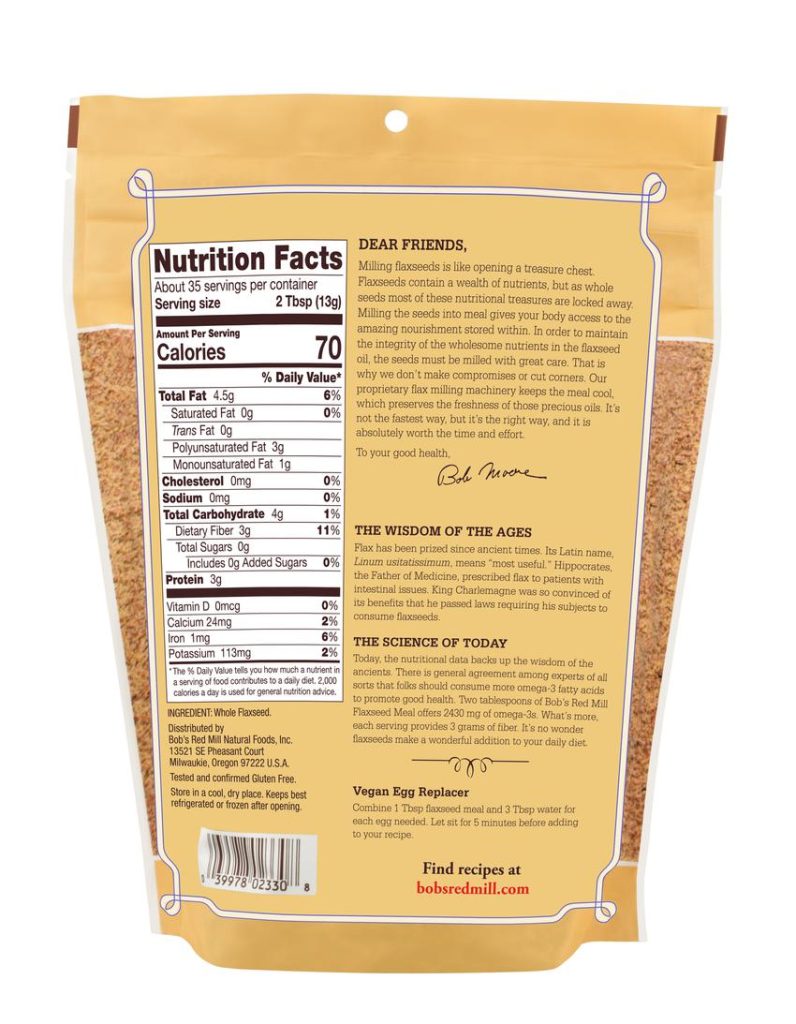
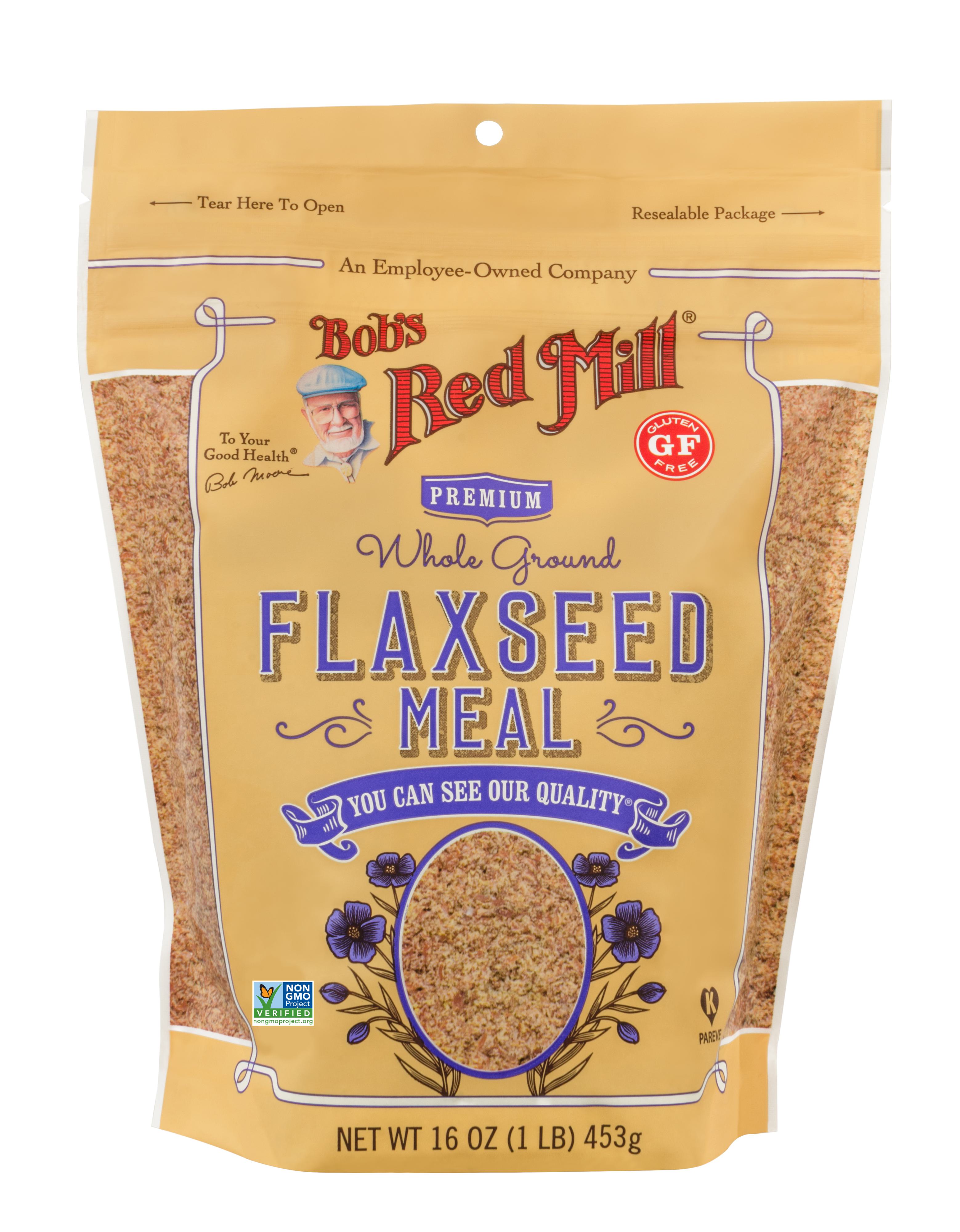
Ground flaxseeds are milled from whole seeds. Grinding makes their nutrients easier to absorb but exposes oils to air. This causes faster spoilage and nutrient loss.
Ground flaxseeds must be kept in the refrigerator or freezer. Cold storage slows down the oxidation process and maintains freshness. Use an airtight container to keep moisture and odors out.
Ground flaxseeds generally last up to three months in the fridge. Freezing can extend their shelf life even more. Proper storage preserves their nutty flavor and health benefits.
Credit: www.nationalnutrition.ca
Shelf Life Of Flaxseed
Flaxseed is a popular health food known for its rich omega-3 fatty acids. Its shelf life depends greatly on its form and storage conditions. Proper storage keeps flaxseed fresh and prevents it from going bad quickly. Understanding the shelf life helps in using flaxseed safely and effectively.
Whole Seeds Longevity
Whole flaxseeds last longer than ground seeds. They have a hard outer shell that protects the oils inside. Stored in a cool, dry place, whole seeds can stay fresh for up to a year. Keeping them in an airtight container helps maintain freshness. Refrigeration can extend their shelf life even further.
Ground Seeds Shelf Life
Ground flaxseed spoils faster due to exposed oils. These oils can turn rancid quickly when exposed to air and heat. Ground seeds last about one to three months at room temperature. Storing ground flaxseed in the refrigerator can keep it fresh for up to six months. Always use airtight containers to reduce exposure to moisture and air.
Temperature Effects
Temperature plays a key role in keeping flaxseed fresh and nutritious. The right environment stops the seed oils from spoiling. Flaxseed contains healthy fats that can turn bad if exposed to heat. Understanding temperature effects helps preserve flavor and benefits.
Impact Of Room Temperature
Room temperature can cause flaxseed to lose freshness faster. Warm air speeds up oxidation, making oils rancid. Light and heat together break down nutrients. Seeds stored on the kitchen counter may spoil within weeks. This leads to a bitter taste and less health value. Dry, cool, and dark spots slow this process but don’t stop it completely.
Benefits Of Refrigeration
Refrigeration extends flaxseed shelf life significantly. Cool temperatures slow oil breakdown and oxidation. Seeds keep their nutty flavor longer in the fridge. This storage method helps maintain nutritional quality. Ground flaxseed especially benefits from refrigeration. It stays fresher for months and resists going rancid. Store flaxseed in an airtight container to avoid moisture and odors.
Storage Containers
Choosing the right storage container is key to keeping flaxseed fresh and nutritious. Proper containers protect flaxseed from moisture, air, and light, which can cause spoilage. Storing flaxseed correctly extends its shelf life and maintains its quality.
Best Container Materials
Glass containers are excellent for flaxseed storage. They do not absorb odors or stains. Dark-colored glass blocks light, protecting the flaxseed from damage. Plastic containers work but choose BPA-free types to avoid chemicals. Metal containers with airtight lids also keep flaxseed fresh by blocking air and light.
Sealing And Air Exposure
A tight seal prevents air from entering the container. Air exposure causes flaxseed oils to go rancid quickly. Use containers with screw-on lids or snap-tight seals. Avoid containers with loose or flimsy covers. Store flaxseed in small portions to reduce exposure during use.
Signs Of Spoilage
Flaxseed can spoil over time, especially if stored incorrectly. Knowing the signs of spoilage helps avoid using bad flaxseed. Spoiled flaxseed loses its nutritional value and can taste unpleasant. It is important to check for changes in smell, texture, and appearance. These signs show if flaxseed is no longer safe to eat.
Smell Changes
Fresh flaxseed has a mild, nutty aroma. Spoiled flaxseed often smells sour or rancid. A sharp, unpleasant odor means the oils inside have gone bad. Trust your nose; if the smell is off, discard the flaxseed.
Texture And Appearance
Good flaxseed looks dry and smooth. Spoiled flaxseed may feel sticky or clump together. Check for any mold or unusual spots on the seeds. A change in color from golden to dark brown or black is a bad sign. Avoid flaxseed with any visible damage or dampness.
Credit: www.bobsredmill.com
Tips For Freshness
Keeping flaxseed fresh is key to preserving its nutrients and flavor. Proper storage extends its shelf life and prevents it from going bad. Small changes in how you store flaxseed can make a big difference.
Buying In Small Quantities
Purchase flaxseed in amounts you can use quickly. Large bags may lose freshness before you finish them. Smaller quantities reduce waste and keep the seed flavorful. Look for packaging that seals tightly to maintain freshness.
Freezing Flaxseed
Freezing flaxseed stops it from turning rancid. Place seeds in an airtight container or freezer bag. Keep the container sealed to avoid moisture and odors. Take out only what you need and return the rest to the freezer quickly.

Credit: www.amazon.ca
Frequently Asked Questions
Does Flaxseed Go Bad If Not Refrigerated?
Flaxseed can go rancid if not stored properly. Refrigeration helps extend its shelf life. Room temperature storage is fine for short periods. However, keeping it in a cool, dark place or the fridge prevents spoilage and maintains its nutritional benefits longer.
Always store in an airtight container.
How Should Flaxseed Be Stored?
Store flaxseed in an airtight container to maintain freshness. Keep it in a cool, dark place, preferably the refrigerator. This prevents exposure to light, heat, and air, which can cause it to spoil. Proper storage ensures that flaxseed retains its nutritional value and flavor for longer.
Can Flaxseed Last Long Without Refrigeration?
Flaxseed can last for a few weeks at room temperature. However, for optimal freshness and to prevent rancidity, refrigeration is recommended. Storing flaxseed in the fridge extends its shelf life significantly. It helps preserve the essential fatty acids and nutrients that are beneficial to health.
What Happens If You Don’t Refrigerate Flaxseed?
If not refrigerated, flaxseed may become rancid more quickly. This affects both the taste and nutritional value. Refrigeration slows down the oxidation process, preserving its beneficial properties. It’s essential to keep flaxseed in an airtight container to protect it from moisture and air exposure.
Conclusion
Flaxseed stays fresh longer when kept cool and dry. Storing it in the refrigerator helps keep oils from going bad. Ground flaxseed spoils faster, so refrigeration is best. Whole flaxseeds last longer but still benefit from cool storage. Avoid heat, light, and moisture to keep flaxseed fresh.
Proper storage keeps the seeds tasty and healthy. Remember, fresh flaxseed adds great nutrition to your meals. A simple fridge storage saves you money and waste. Easy care means you get the best from your flaxseed every time.