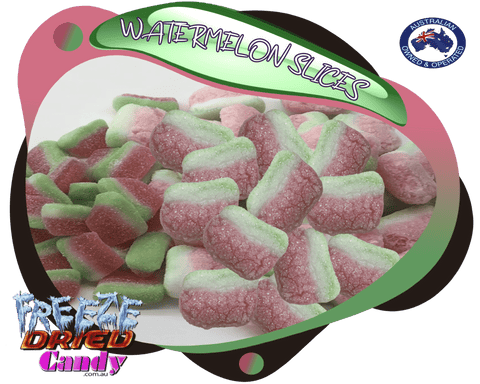
Have you ever wondered if freeze drying candy could be a trick to cut down calories? If you’re watching your intake but don’t want to give up your sweet treats, this question might be on your mind.
You might think that removing moisture means fewer calories, but is that really how it works? Keep reading, because understanding what freeze drying does to candy can help you make smarter choices without sacrificing flavor or your diet goals. Let’s dive in and uncover the truth behind freeze dried candy and calories.
What Is Freeze Drying?
Freeze drying is a unique preservation method that removes moisture from food without cooking it. This process keeps the original shape and nutrients of the item intact. It’s a popular technique for preserving everything from fruits to meals and even candy.
Process Overview
Freeze drying starts by freezing the food solid. Then, the frozen food is placed in a vacuum chamber where pressure drops significantly.
Under these conditions, ice turns directly into vapor without becoming liquid first—a process called sublimation. This step removes almost all moisture from the food.
Because the food doesn’t heat up, its texture and flavor stay close to fresh. You get lightweight, shelf-stable products that you can store for months or even years.
Common Uses
Freeze drying is widely used for camping food, emergency rations, and astronaut meals. It keeps food light and easy to carry while maintaining taste and nutrition.
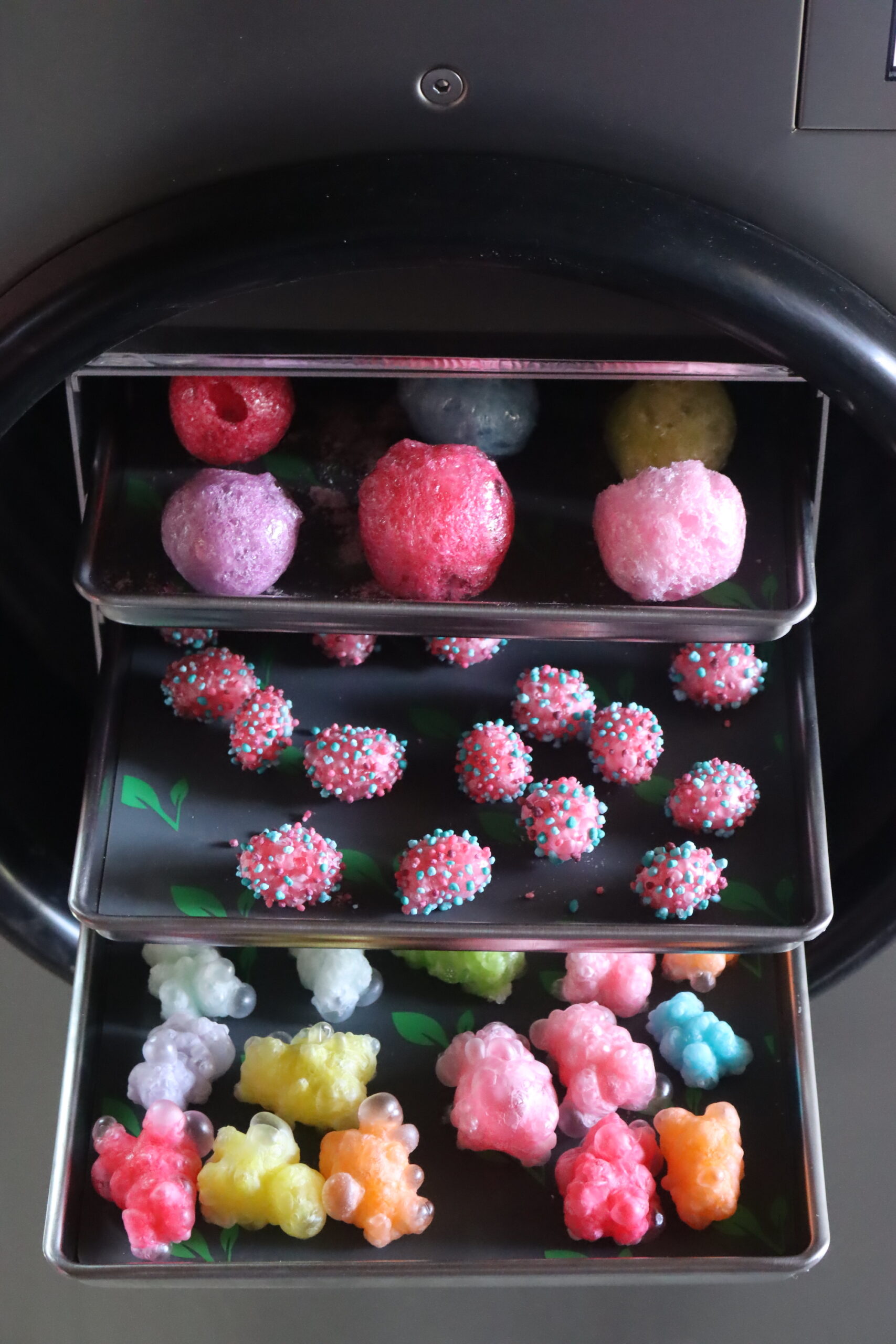
In candy production, freeze drying can turn chewy treats into crunchy, airy bites. This changes the texture but doesn’t alter the calorie content.
People also use freeze-dried fruits as toppings or snacks because they retain natural sweetness without added sugar. Have you ever wondered why your freeze-dried strawberries still taste sweet but feel so light? That’s freeze drying at work.
How Freeze Drying Affects Candy
Freeze drying candy changes more than just its shelf life. This process removes moisture by freezing the candy and then lowering the pressure to let the ice turn directly into vapor. The end result can surprise you in both texture and flavor, making you wonder how your favorite sweets have transformed.
Texture Changes
Freeze drying makes candy incredibly light and crunchy. The moisture that normally keeps candy soft or chewy is gone, leaving a dry, brittle texture. If you’ve tried freeze-dried gummy bears, you know they snap easily, almost like a delicate crystal.
This change can be a positive surprise or a shock to your taste buds. Have you ever bitten into a freeze-dried chocolate bar? It crumbles quickly, unlike the smooth melt you expect. This new texture can make candy feel less dense but more intense in each bite.
Flavor Impact
Removing moisture also concentrates the candy’s flavor. Sweetness and other taste notes become sharper because water no longer dilutes them. You might find your candy tastes stronger and more vibrant after freeze drying.
However, some subtle flavors can fade or change. For instance, fruity candies might lose a bit of their juiciness, leaving behind a more powdery taste. Have you noticed that some freeze-dried candies taste almost like their powdered form? This happens because freeze drying preserves most flavors but alters how you experience them.
Calorie Content In Freeze Dried Candy
Freeze drying candy removes moisture but does not lower calories. The calorie count depends on the candy’s original ingredients. Water has no calories, so its removal does not affect energy value. Calories mainly come from sugar and fat in the candy.
Understanding the calorie content in freeze dried candy helps make better choices. It shows why freeze drying is not a method to reduce calorie intake.
Calorie Breakdown
Freeze drying removes up to 98% of water in candy. This process makes candy lighter and crunchy. The calorie number stays almost the same per serving. Calories come from solids like sugar, fat, and other ingredients.
Because water is removed, freeze dried candy weighs less. Per gram, calories may seem higher. But in total, calories remain consistent with fresh candy.
Sugar And Fat Content
Sugar is the main source of calories in most candies. Freeze drying does not remove sugar or change its amount. Fat content also stays the same during freeze drying. Both sugar and fat contribute to the candy’s total calories.
The freeze drying process does not alter the candy’s nutrition. It only changes texture and weight. Calories come from sugar and fat, which stay intact.
Why Calories Remain Unchanged
Freeze drying candy removes water, but calories stay the same. Calories come from fats, sugars, and proteins, not water. Taking out water only changes the candy’s weight and texture.
This process makes candy lighter and crunchy. The calorie content per piece remains unchanged because no nutrients are lost.
Water Removal Vs. Calorie Reduction
Water has zero calories. Removing water does not cut calories in candy. Freeze drying pulls moisture out, leaving sugars and fats intact.
The candy becomes smaller and lighter but still contains the same energy. Calories depend on chemical makeup, not water content.
Misconceptions About Weight Loss
Some think freeze drying reduces calories and helps lose weight. This is false. Calories are tied to food’s energy, not water weight.
Eating freeze-dried candy is like eating regular candy but in a smaller form. The body processes the same amount of calories.
Health Implications Of Freeze Dried Candy
Freeze drying candy changes its texture and water content but does not reduce calories. The health effects depend on how you eat it and how much. Understanding these effects helps make better choices about freeze dried candy.
Portion Control Challenges
Freeze dried candy is lighter and crunchier. It looks bigger than regular candy. This can trick the mind into eating more. People might eat larger portions without realizing it. Eating more candy means consuming more sugar and calories. This makes portion control harder.
Nutritional Value
Freeze drying removes water but keeps sugars and fats intact. The calorie content stays the same per serving. Vitamins and minerals may reduce slightly due to the process. The candy still has high sugar and low nutrients. It is not a healthy snack despite the change in texture.
Credit: practicalselfreliance.com
Alternatives To Lower Calorie Candy
Many people want candy with fewer calories but still tasty. Freeze drying candy does not remove calories. The sugar and fat remain. To enjoy sweets without extra calories, try other choices. These options help satisfy your sweet tooth while cutting calories. Explore natural sweeteners and sugar-free candies for healthier treats.
Natural Sweeteners
Natural sweeteners add sweetness without many calories. They come from plants and taste good. Some popular natural sweeteners include:
- Stevia: A plant-based sweetener with zero calories.
- Monk fruit: A sweet fruit extract without sugar.
- Agave nectar: Sweeter than sugar, use less for less calories.
- Honey: Natural but with some calories, use sparingly.
Using natural sweeteners in homemade candy lowers calories. They keep flavor without the sugar spike. Choose candies made with these sweeteners for lighter treats.
Sugar-free Options
Sugar-free candies use artificial or natural sweeteners. They have little to no sugar or calories. Types of sugar-free candy include:
- Gummies made with sugar alcohols like xylitol or erythritol.
- Chocolate sweetened with stevia or maltitol.
- Hard candies without sugar but full of flavor.
Check labels to avoid unwanted ingredients. Sugar-free candies can help reduce calorie intake. They satisfy cravings without extra sugar load.
Tips For Enjoying Candy Mindfully
Enjoying candy mindfully helps you savor the treat without guilt. It encourages a better relationship with sweets and supports healthier eating habits. Mindful candy eating focuses on awareness, control, and balance.
Moderation Strategies
- Choose smaller portions to limit calorie intake.
- Savor each bite slowly to enjoy the flavor fully.
- Set specific times for candy, avoiding constant snacking.
- Use a small plate or bowl to control serving size.
- Avoid eating candy straight from the package to prevent overeating.
Balancing Treats With Diet
Include candy as part of a balanced diet rather than a main food group. Pair sweets with healthy meals to reduce cravings. Focus on fruits, vegetables, and proteins to keep energy steady.
Drink water before and after eating candy to stay hydrated. Plan your meals to allow room for occasional treats. This approach helps maintain overall calorie balance and supports your health goals.

Credit: practicalselfreliance.com

Credit: www.amazon.ca
Frequently Asked Questions
Does Freeze Drying Candy Reduce Its Calorie Content?
No, freeze drying candy does not reduce calories. The process removes water only, keeping sugars and fats intact. Calories remain the same as in the original candy, so freeze drying does not make candy lower in calories.
How Does Freeze Drying Affect Candy’s Nutritional Value?
Freeze drying preserves most nutrients but does not remove calories or sugar. It mainly removes moisture, keeping flavors and nutrients unchanged. Candy’s calorie count and sugar content stay consistent after freeze drying.
Is Freeze Dried Candy Healthier Than Regular Candy?
Freeze dried candy is not healthier calorie-wise. It has the same sugars and fats as regular candy. The texture changes, but nutritional and calorie content remain unchanged, so health benefits do not improve.
Why Doesn’t Freeze Drying Remove Candy Calories?
Freeze drying removes only water, not calories or nutrients. Calories come from sugars, fats, and proteins, which stay in the candy. Thus, freeze drying cannot reduce the calorie content of candy.
Conclusion
Freeze drying candy doesn’t remove calories. It changes texture, not nutrition. This method keeps the candy’s original taste. It just becomes crunchy. Calories remain the same. Freeze drying is more about preservation. It extends the candy’s shelf life. If you love crunchy treats, try it.
But remember, enjoy in moderation. Balance is key to a healthy diet. Understanding these facts helps make informed choices. Always check nutritional labels. Stay curious about food processes. Enjoy your treats wisely!