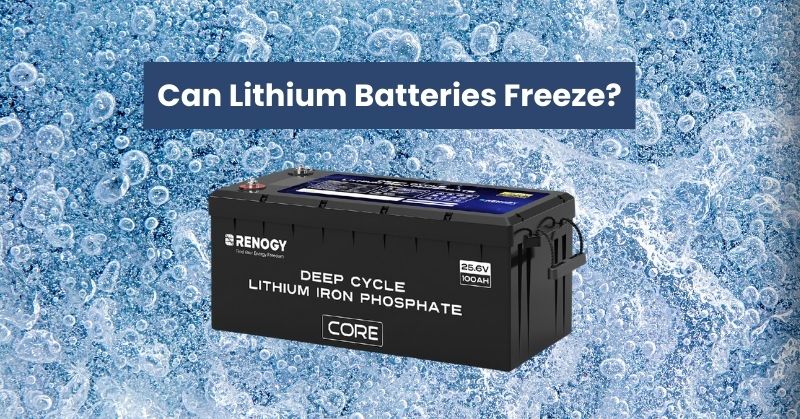
Have you ever found yourself wondering if placing your drained batteries in the freezer could magically recharge them? It’s a curious thought that many of us have pondered at one time or another.
Imagine the convenience of reviving your dead batteries with just a quick trip to the freezer! But before you rush to the kitchen, let’s explore the science behind this intriguing idea. Does freezing batteries actually recharge them, or is it just a myth that refuses to die?
You’ll discover the truth behind this common belief and find out if your freezer holds the secret to endless battery life. Get ready to uncover surprising insights that might just change the way you think about your batteries forever.

Credit: www.eblofficial.com
How Batteries Work
Understanding how batteries work is key to answering whether freezing them can recharge them. Batteries store chemical energy and turn it into electrical energy when you power your devices. Knowing their inner workings helps you see why some ideas about battery care might or might not make sense.
Basic Battery Chemistry
Batteries have three main parts: the anode, cathode, and electrolyte. The anode releases electrons, and the cathode accepts them, creating a flow of electricity through your device. The electrolyte helps ions move between these two parts, completing the circuit.
During use, chemical reactions occur at the electrodes, causing electrons to move externally and ions internally. This flow is what powers your gadgets. Once the chemicals are used up or unbalanced, the battery stops working properly.
Common Battery Types
You’ll find several types of batteries, each with different chemistry:
- Alkaline batteries:Often disposable, they use zinc and manganese dioxide. They don’t recharge well once drained.
- Nickel-Cadmium (NiCd):Rechargeable, but they suffer from memory effect if not fully discharged.
- Lithium-ion (Li-ion):Common in phones and laptops, they offer high capacity and rechargeability.
- Lead-acid batteries:Used in cars, they’re heavy but reliable for high current.
Each type reacts differently to temperature changes. Have you noticed how your phone battery drains faster in the cold? That’s because low temperatures slow down the chemical reactions inside. So, can freezing a battery really bring it back to life? Let’s keep digging.
Effects Of Cold On Batteries
Cold temperatures have a noticeable effect on how batteries work. When the weather turns chilly, you might find your devices losing power faster or not turning on at all. Understanding how cold impacts batteries can help you protect your gadgets and avoid unexpected shutdowns.
Battery Performance In Low Temperatures
In cold conditions, chemical reactions inside batteries slow down. This means less energy flows from the battery to your device, causing reduced performance. You might notice your phone, camera, or even your car’s battery struggling to keep up.
For instance, if you leave your smartphone outside on a freezing day, the battery percentage might drop quickly, even if you’re not using it much. This happens because the battery’s internal resistance increases, making it harder for energy to move through.
Some batteries, like lithium-ion types, handle cold better than others but still lose capacity temporarily. So, if you depend on your gadgets in cold weather, keeping them warm can make a big difference.
Temporary Vs Permanent Impact
Cold weather usually causes a temporary drop in battery performance. Once the battery warms up, it often returns to normal operation. This means freezing a battery won’t recharge it, but it might make it seem weaker until it warms again.
However, extreme or prolonged exposure to cold can damage batteries permanently. Freezing can cause the electrolyte inside to crystallize, which harms the battery’s structure. This damage reduces the battery’s overall lifespan and effectiveness.
Have you ever noticed a device that refuses to hold a charge after being left out in the cold? That’s a clear sign of permanent damage. So, while cold might slow your battery down temporarily, it’s important to avoid exposing it to freezing conditions for too long.
Freezing Batteries To Recharge
Freezing batteries to recharge is a popular idea in many DIY circles. Some believe cold temperatures can bring dead batteries back to life. This notion has spread widely, but it’s important to understand the facts behind it. Let’s explore where this myth started, what science says, and if freezing offers any real benefits.
Origins Of The Freezing Myth
The idea of freezing batteries likely began with early experiments on battery life. People noticed that cold slowed chemical reactions, which seemed to preserve battery charge. Stories spread that freezing could restore power in dead batteries.
Some even tried freezing rechargeable batteries to regain charge. This practice became common in households and online forums. The myth gained traction without strong evidence.
Scientific Evidence Against Recharge
Science shows freezing does not recharge batteries. Batteries store energy through chemical reactions inside them. Freezing temperatures slow these reactions but do not reverse them.
Research finds that freezing can damage battery components. Ice crystals may form inside, causing leaks or cracks. This can reduce battery life or make them unusable.
Experts warn that freezing can be harmful, not helpful. Recharge requires electrical energy, which cold alone cannot provide.
Possible Temporary Benefits
Freezing may temporarily improve some battery performance. Cold can reduce self-discharge, helping batteries hold charge longer when stored.
Some users report slight voltage boosts after freezing old batteries. This effect is short-lived and not a true recharge.
These small gains do not fix underlying battery issues. Batteries with low or no charge usually need replacement or proper recharging equipment.
Risks Of Freezing Batteries
Freezing batteries to recharge them is a risky idea. It can cause damage that is hard to fix. Batteries have delicate parts inside. Extreme cold can harm these parts and lower battery life. Understanding the risks helps avoid costly mistakes and safety problems.
Physical Damage To Battery Cells
Batteries contain cells filled with chemicals that generate power. Cold temperatures can make these chemicals freeze or thicken. This change may cause the cells to crack or break. Broken cells lose their ability to hold a charge. The battery may stop working completely. Freezing can also damage the battery casing, leading to leaks.
Safety Concerns
Freezing batteries can create safety hazards. Cracked cells may leak harmful chemicals. These leaks can cause skin burns or damage surfaces. There is also a risk of short circuits inside the battery. Short circuits can lead to overheating or fires. Handling frozen batteries without care increases the chance of accidents.
Proper Ways To Restore Battery Life
Proper ways to restore battery life help extend the device’s usability. Batteries wear out over time due to chemical changes inside. Correct care can improve battery performance and delay replacement needs. This section explores practical methods to help batteries regain some capacity safely. These approaches avoid myths like freezing batteries to recharge them.
Battery Conditioning Techniques
Battery conditioning involves cycling the battery through full charge and discharge. This process helps recalibrate the battery’s internal sensors. It can improve the accuracy of battery level readings and performance.
- Fully charge the battery to 100%.
- Use the device until the battery drains to near 0%.
- Recharge the battery to full again without interruption.
- Repeat the cycle once or twice monthly for optimal results.
This technique works best for nickel-based and some lithium-ion batteries. It prevents the battery from falling into a deep discharge state. Deep discharge can damage batteries and reduce lifespan.
Using Chargers And Maintenance Tools
Choosing the right charger is key to battery health. Use chargers designed for your device to avoid overcharging or overheating. Smart chargers stop charging when the battery is full. This prevents damage and preserves battery life.
- Use certified chargers with the correct voltage and current ratings.
- Consider maintenance chargers for long-term storage of batteries.
- Battery analyzers can test battery health and capacity.
- Battery desulfators help restore lead-acid batteries by removing sulfate crystals.
Proper maintenance tools help monitor battery condition and avoid sudden failures. Regular checks and using the right equipment increase battery reliability and lifespan.
Credit: www.renogy.com
When To Replace Batteries
Batteries do not last forever. Knowing when to replace them saves time and avoids damage. Proper replacement keeps devices working well and safe. Watch for certain signs that show a battery is failing. Recognize these early to avoid unexpected problems. Dispose of old batteries correctly to protect the environment. Recycling helps reduce harmful waste and recovers useful materials.
Signs Of Battery Failure
- Device powers off suddenly or won’t start
- Battery drains faster than usual
- Battery feels hot or swollen
- Corrosion or leakage on battery terminals
- Device shows low battery warnings frequently
- Battery won’t hold a charge after full charging
Disposal And Recycling Tips
Never throw batteries in regular trash. They contain harmful chemicals that pollute soil and water. Use local battery recycling programs or drop-off points. Many stores accept used batteries for recycling. Cover battery terminals with tape before disposal. This prevents short circuits and fires. Follow your community’s rules for battery disposal. Proper recycling saves resources and protects health.

Credit: www.tycorunenergy.com
Frequently Asked Questions
Can Freezing Batteries Recharge Dead Batteries?
No, freezing batteries does not recharge them. Cold temperatures can slow chemical reactions inside but won’t restore charge or fix dead cells.
Does Freezing Improve Battery Lifespan Or Performance?
Freezing does not improve battery lifespan or performance. It may temporarily reduce self-discharge but can damage battery components over time.
Is It Safe To Freeze Rechargeable Batteries?
Freezing rechargeable batteries is generally unsafe. It can cause internal damage, reduce efficiency, and potentially lead to leakage or rupture.
How Should You Store Batteries For Longevity?
Store batteries in a cool, dry place at room temperature. Avoid extreme cold or heat to maintain battery health and performance.
Conclusion
Freezing batteries does not recharge them or restore their power. Cold temperatures may slow down chemical reactions inside batteries. This can make batteries seem less effective. But freezing does not fix old or dead batteries. The best way to keep batteries working is to store them properly.
Use fresh batteries and charge rechargeable ones as needed. Avoid extreme heat or cold for longer battery life. Remember, freezing is not a reliable method to recharge batteries. Safe handling and proper care work much better. Keep this in mind for your battery needs.