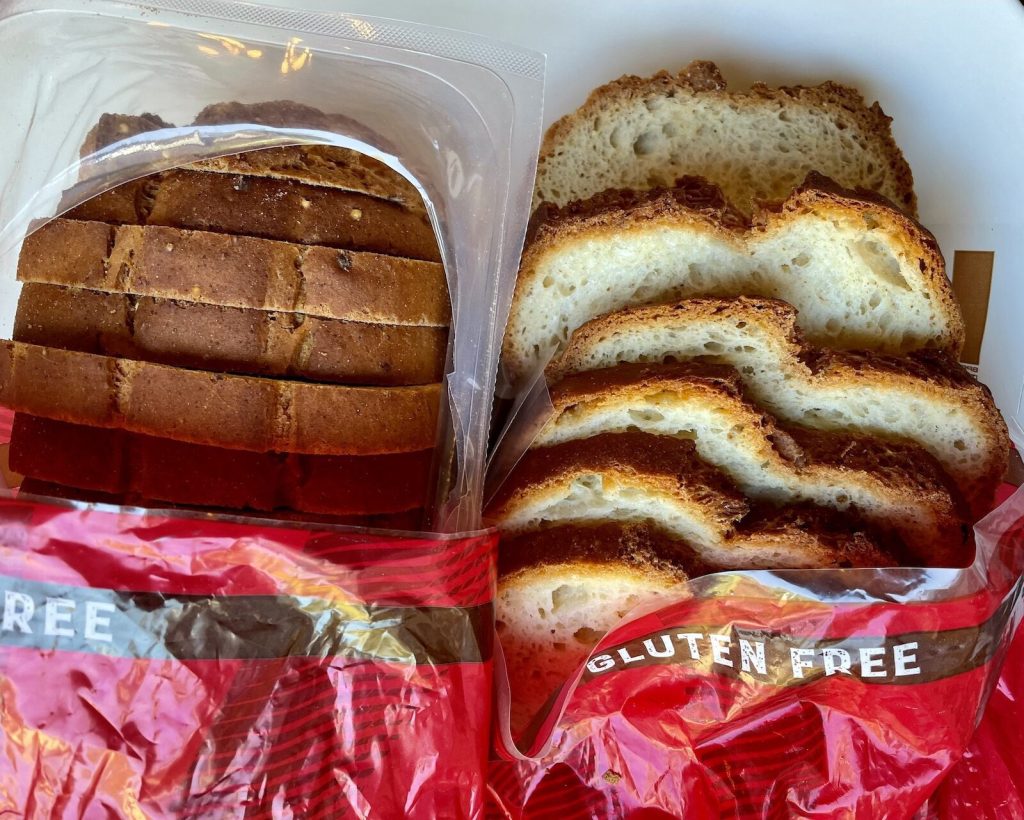
Have you ever wondered if freezing your bread can change the gluten in it? If you’re concerned about gluten for health or baking reasons, this question might be on your mind.
Understanding how freezing affects gluten can help you make smarter choices for your diet and meals. Keep reading to discover the surprising facts about freezing bread and what it really does to gluten inside. Your next slice might taste and feel different than you expect!
How Gluten Works In Bread
Gluten is a key protein in bread. It shapes the bread’s texture and structure. Understanding gluten helps explain how freezing might affect bread. Gluten forms a network that traps air and water. This network gives bread its chewiness and rise. Let’s explore gluten’s role and how it changes during baking.
Gluten’s Role In Bread Texture
Gluten creates elasticity in dough. It stretches and holds gases from yeast. This makes bread soft and airy. Without gluten, bread becomes dense and crumbly. The right gluten balance gives bread a tender bite. It also helps bread keep its shape after baking.
Gluten Formation During Baking
Heat causes gluten to firm up. This sets the bread’s structure. As the dough bakes, gluten tightens and traps steam. This makes the bread rise and become light. Overbaking can make gluten too tough. Proper baking keeps the gluten network strong and flexible.

Credit: gffmag.com
Effects Of Freezing On Bread
Freezing bread is a common way to preserve it for longer periods. Understanding how freezing affects bread helps maintain its quality. The process can influence freshness and the structure of bread.
Freezing And Bread Freshness
Freezing slows down the growth of mold and bacteria. It keeps bread fresh by stopping spoilage. Freshly baked bread freezes better than older bread. Properly wrapped bread prevents freezer burn. Freezing locks in moisture, preserving softness. Thawing bread slowly keeps its fresh taste. Bread stored too long in the freezer loses flavor.
Impact On Bread Structure
Freezing changes the texture of bread. Ice crystals form in the bread’s water content. These crystals can damage the bread’s crumb. The crumb may become crumbly or dry after thawing. Bread with a dense structure freezes better. Light and airy bread may become soggy when thawed. Toasting frozen bread restores some crunch. Avoid refreezing thawed bread to keep texture intact.
Does Freezing Change Gluten?
Freezing bread does not reduce gluten content. It mainly preserves the bread’s texture and freshness. Gluten remains stable during freezing and thawing processes.
Does freezing bread change gluten? This question intrigues many curious minds. Gluten, a protein in wheat, gives bread its chewy texture. Some people think freezing bread might alter gluten. This change could potentially affect those with gluten sensitivities. But is there any truth to these beliefs?Scientific Insights On Gluten And Cold
Research shows that gluten proteins are stable. Cold temperatures do not change their structure. Freezing preserves bread by slowing down spoilage. It does not degrade gluten. Studies confirm gluten remains intact after freezing. Freezing is a good method for extending bread’s shelf life. It keeps bread fresh without altering its gluten content.Myths Vs Facts About Gluten Reduction
Many believe freezing reduces gluten. This is a common myth. Scientific evidence shows freezing does not affect gluten levels. Gluten remains the same before and after freezing. Freezing bread is safe for those without gluten intolerance. It does not make bread gluten-free. These misconceptions often cause confusion. Understanding the facts helps make informed choices.
Credit: gffmag.com
Freezing Tips For Bread Lovers
Freezing bread is a common practice for many who want to extend their loaf’s life without sacrificing quality. However, freezing can sometimes affect texture and taste if not done right. Let’s dive into some practical tips that help you keep your bread fresh and enjoyable after freezing.
Best Practices To Preserve Bread Quality
Start by slicing your bread before freezing. This allows you to thaw only what you need, reducing waste.
Wrap the bread tightly in plastic wrap or aluminum foil to prevent freezer burn and moisture loss. Adding a layer of a freezer-safe bag on top helps keep air out even more.
Avoid freezing bread that is already stale or dry. Freezing preserves the current state, so fresh bread will thaw better than older bread.
How To Thaw Bread Properly
Thaw your bread at room temperature inside its wrapping. This keeps moisture locked in and prevents the crust from becoming tough.
If you’re in a hurry, use a toaster or oven to warm slices directly from the freezer. This method can bring back some crispness without drying the bread out.
Have you noticed a difference when you thaw bread quickly versus slowly? Slow thawing usually keeps the texture softer and more enjoyable.
Alternatives To Reduce Gluten In Bread
If you’re looking to reduce gluten in your bread, freezing alone won’t do the trick. Freezing may preserve your loaf, but it doesn’t change the gluten structure or lower its content. Luckily, there are practical alternatives you can try to enjoy bread with less gluten or none at all.
Gluten-free Bread Options
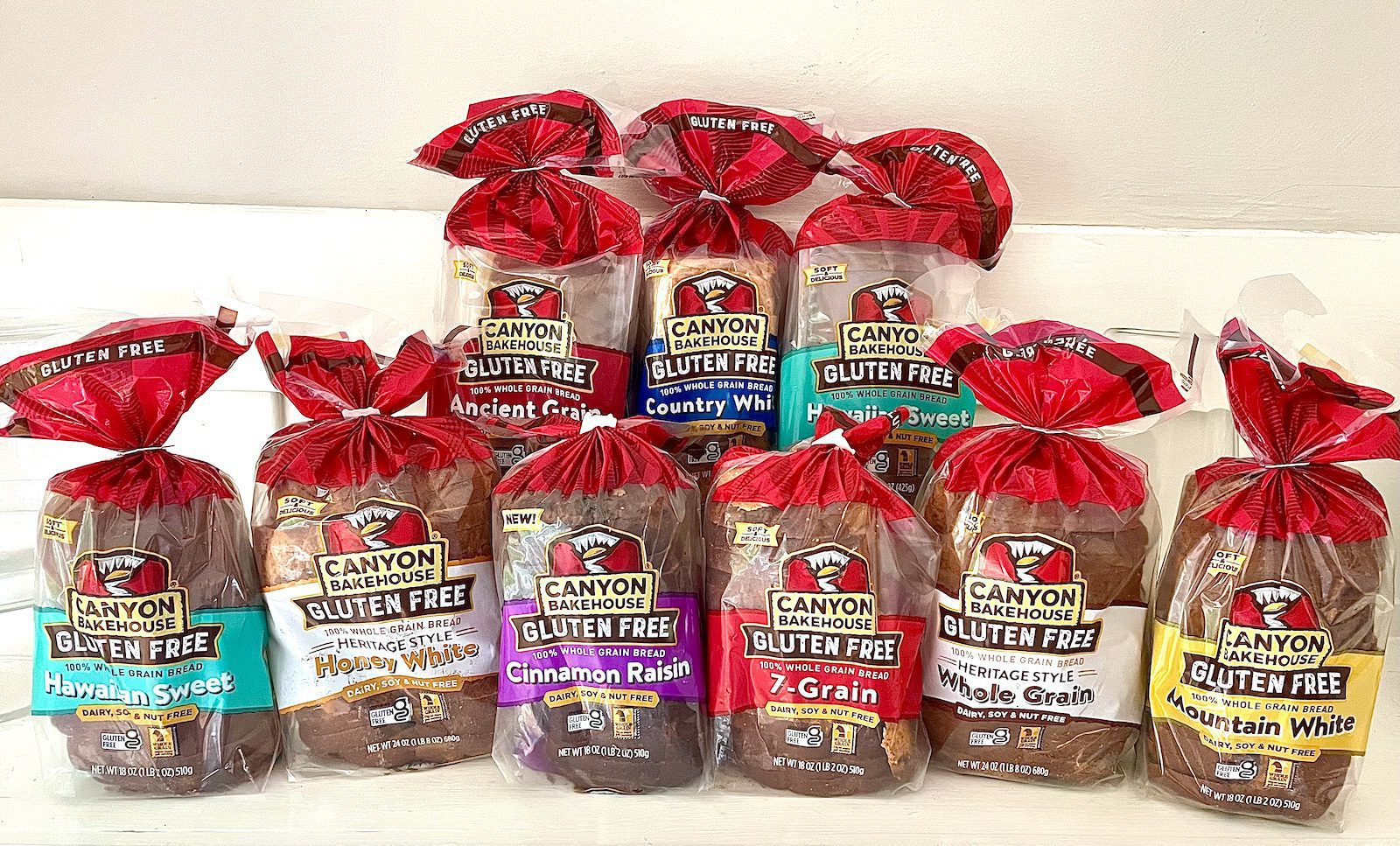
You can choose from a variety of gluten-free breads made with flours like rice, almond, or tapioca. These breads are designed specifically for people who need to avoid gluten entirely. Trying gluten-free bread can help you see how different textures and flavors work without gluten’s elasticity.
Have you ever noticed how gluten-free bread often feels denser or crumblier? That’s because it lacks the gluten network. But many brands now use ingredients like xanthan gum to improve texture and chewiness.
- Look for gluten-free bread labeled with certification to ensure it meets strict gluten limits.
- Try baking your own gluten-free bread using recipes that blend multiple gluten-free flours for better taste and structure.
- Experiment with sourdough made from gluten-free grains for a more natural flavor.
Techniques To Lower Gluten Content
If you prefer traditional wheat bread but want less gluten, certain baking techniques can help reduce gluten formation. One way is to use flours with naturally lower gluten content, like spelt or kamut. These ancient grains can give you a lighter gluten load without sacrificing the bread’s wheat taste.
Another option is to modify how you handle the dough. For example, mixing the dough gently and avoiding over-kneading can limit gluten development. This results in a softer crumb and less chewy texture.
Adding ingredients like fats (butter or oil) or acids (vinegar or lemon juice) can weaken gluten networks during baking. This might be a useful trick if you want your bread to be tender but still contain some gluten.
- Use a combination of low-gluten flours and gentle mixing to control gluten levels.
- Try soaking or sprouting grains before grinding to change gluten properties.
- Consider sourdough fermentation to naturally break down some gluten proteins.
What’s your experience with gluten in bread? Have you tried any of these alternatives to change the texture or reduce gluten? Your next loaf might be closer to what you want than you think.
Credit: gffmag.com
Frequently Asked Questions
Does Freezing Bread Lower Its Gluten Content?
Freezing bread does not reduce its gluten content. Gluten is a protein structure that remains stable during freezing. Freezing only preserves the bread’s freshness and texture, without altering gluten levels.
Can Freezing Bread Improve Gluten Digestibility?
Freezing bread does not improve gluten digestibility. Gluten proteins stay intact during freezing and thawing. Digestibility depends more on the bread’s fermentation and ingredients than on freezing.
Does Thawing Frozen Bread Affect Gluten Quality?
Thawing frozen bread does not impact gluten quality. Gluten structure remains unchanged after freezing and thawing. Proper thawing helps maintain bread texture but does not alter gluten properties.
Will Freezing Bread Make It Gluten-free?
Freezing bread will not make it gluten-free. Gluten is a stable protein unaffected by freezing temperatures. Gluten content only changes with ingredient substitution or specific processing methods.
Conclusion
Freezing bread does not lower its gluten content. Gluten stays stable even in cold temperatures. Freezing helps keep bread fresh and stops mold growth. It does not change how gluten works in dough or digestion. People sensitive to gluten should avoid bread, whether fresh or frozen.
Using frozen bread is safe for most people. Remember, freezing preserves bread but does not make it gluten-free. Choose gluten-free options if you need to avoid gluten completely. Simple and clear: freezing keeps bread fresh but does not reduce gluten.