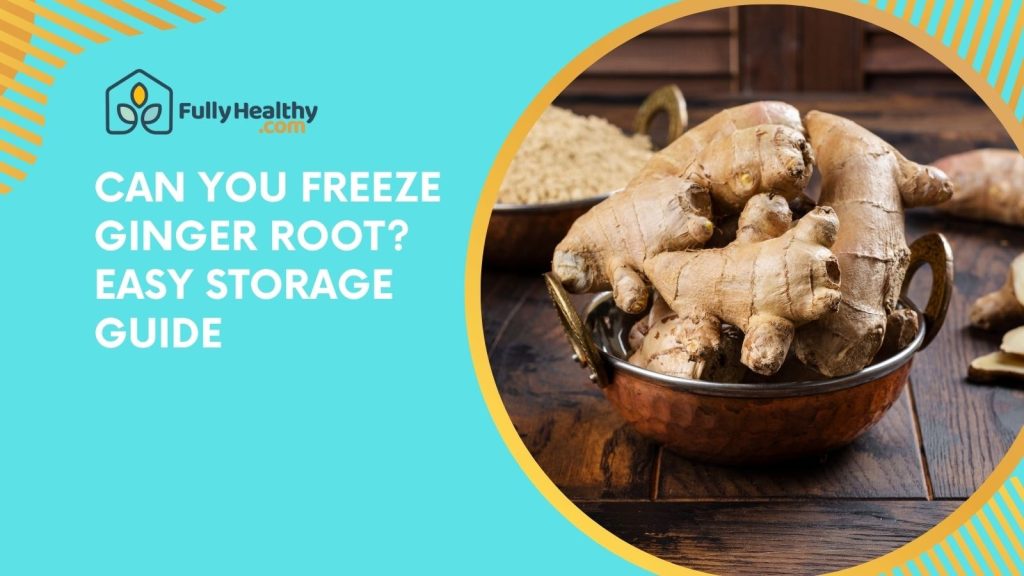
Have you ever found yourself with an abundance of fresh ginger and wondered how best to store it? Perhaps you’ve heard conflicting advice on whether freezing ginger affects its nutritional value.
You’re not alone. Many people face this dilemma, especially when trying to preserve the vibrant flavor and health benefits of this popular spice. We’ll delve into the science behind freezing ginger and uncover whether it truly loses nutrients in the process.
Stick around, because understanding this simple yet crucial aspect could transform how you incorporate ginger into your diet, ensuring you enjoy its full potential.

Credit: fullyhealthy.com
Nutrient Profile Of Fresh Ginger
Fresh ginger is a popular root known for its unique flavor and health benefits. It contains various nutrients essential for the body. Understanding the nutrient profile helps to know what you gain from fresh ginger.
This profile includes vitamins, minerals, and special compounds that support wellness. Each part of ginger contributes to its nutritional value. Let’s explore the key vitamins, minerals, and bioactive compounds found in fresh ginger.
Key Vitamins And Minerals
- Vitamin B6: Supports brain health and energy metabolism.
- Vitamin C: Helps boost the immune system and heal wounds.
- Magnesium: Important for muscle and nerve function.
- Potassium: Regulates fluid balance and heart function.
- Manganese: Aids in bone formation and metabolism.
These nutrients appear in small but beneficial amounts. They work together to promote overall health.
Bioactive Compounds In Ginger
- Gingerol: The main active compound with anti-inflammatory effects.
- Shogaol: Formed when ginger is dried or cooked, enhances antioxidant activity.
- Zingerone: Gives ginger its sweet aroma and helps digestion.
These compounds give ginger its medicinal properties. They help reduce inflammation and fight oxidative stress.
Impact Of Freezing On Nutrients
Freezing is a popular method to preserve ginger for longer periods, but many wonder if it affects the nutrients inside. Understanding how freezing impacts the vitamins, antioxidants, and even the flavor of ginger can help you decide if this storage method fits your needs. Let’s break down what really happens at the nutrient level when ginger goes into the freezer.
How Freezing Affects Vitamins
Freezing ginger generally preserves most of its vitamins quite well. Vitamins like vitamin C are sensitive to heat and air but tend to remain stable when frozen. However, some loss can occur during the blanching process if you choose to blanch ginger before freezing, though this step is often skipped.
Vitamin B6, another key nutrient in ginger, also remains mostly intact after freezing. So, if you rely on ginger for its nutritional boost, freezing won’t drastically reduce its vitamin content. Have you noticed a difference in your health routine after switching to frozen ginger?
Changes In Antioxidant Levels
Antioxidants are crucial for ginger’s health benefits, but they can be sensitive to storage conditions. Freezing slows down the degradation of antioxidants, helping to maintain their levels longer than fresh ginger stored at room temperature. Still, some slight decline might happen due to ice crystal formation damaging the cell structure.
Interestingly, some studies show that frozen ginger retains its antioxidant power better than ginger stored in the fridge for several days. This means freezing could be a smarter choice if you want to keep ginger’s protective compounds active. How often do you check the freshness of your ginger before using it?
Effect On Ginger’s Flavor And Aroma
Freezing can change ginger’s flavor and aroma, sometimes making it milder or less sharp. This happens because freezing causes ice crystals to form inside the ginger, which breaks down cell walls and releases volatile oils responsible for its spicy kick. When thawed, you might find the ginger less pungent than fresh.
On the upside, this softer flavor can be great for recipes that need a subtle ginger taste without overpowering other ingredients. If you prefer a strong ginger punch, try grating it directly from frozen to keep more aroma intact. What’s your favorite way to use ginger in cooking or drinks?
Best Practices For Freezing Ginger
Freezing ginger helps keep it fresh and extends its shelf life. Proper freezing methods protect nutrients and flavor. Careful preparation and storage make a big difference in quality. Follow these best practices to freeze ginger effectively.
Preparation Techniques
Start by washing ginger under cold water to remove dirt. Use a vegetable brush for thorough cleaning. Dry the ginger completely using a clean towel. Moisture can cause ice crystals and reduce quality.
Peel the ginger using a spoon or a peeler. Cutting the ginger into smaller pieces helps with quick freezing. Choose to slice, chop, or grate based on how you plan to use it. Portioning before freezing saves time later.
Storage Tips To Preserve Quality
Use airtight containers or freezer bags to store ginger. Remove excess air to prevent freezer burn. Label containers with the date to track freshness.
Freeze ginger in small batches for easy use. Flat bags save space and freeze faster. Keep your freezer at or below 0°F (-18°C) for best results. Avoid refreezing thawed ginger to maintain nutrients and texture.
Comparing Fresh, Frozen, And Dried Ginger
Ginger is a popular spice valued for its flavor and health benefits. Fresh, frozen, and dried ginger offer different experiences. Each form varies in taste, texture, and nutrient content. Understanding these differences helps in choosing the best ginger for cooking or health.
Nutritional Differences
Fresh ginger contains the highest level of gingerol, the active compound with anti-inflammatory effects. Freezing ginger preserves most nutrients, including gingerol, with minimal loss. Dried ginger, due to heat during drying, has less gingerol but more shogaol, which has different health benefits.
| Type | Key Nutrients | Active Compounds | Nutrient Retention |
|---|---|---|---|
| Fresh Ginger | High Vitamin C, gingerol | Gingerol | Highest |
| Frozen Ginger | Vitamin C, gingerol | Gingerol | Very High |
| Dried Ginger | Lower Vitamin C | Shogaol | Moderate |
Culinary Uses And Benefits
Fresh ginger works best in recipes needing strong, bright flavor. It adds zest to teas, stir-fries, and marinades. Frozen ginger is convenient and easy to grate. It suits cooked dishes and smoothies well. Dried ginger offers a warm, spicy taste. It blends into baked goods, spice mixes, and teas.
- Fresh: Crisp texture, sharp flavor, ideal for raw or lightly cooked dishes
- Frozen: Retains freshness, easy to store, perfect for cooking
- Dried: Concentrated flavor, longer shelf life, great in dry recipes
Scientific Studies On Ginger Freezing
Freezing ginger is a popular way to keep it fresh and extend its shelf life. But does this convenient method affect the nutrients that make ginger so beneficial? Scientific studies provide valuable insights into how freezing impacts ginger’s nutritional content and what you can expect when you store it this way.
Research Findings
Several studies have examined the effects of freezing on ginger’s key compounds, such as gingerol and shogaol, which are responsible for its health benefits and flavor. Research shows that freezing generally preserves these compounds quite well, with minimal nutrient loss over short to medium storage periods.
One study measured antioxidant levels in fresh and frozen ginger and found that freezing slowed down the degradation process. This suggests that freezing can actually help maintain the antioxidant capacity for longer compared to keeping ginger at room temperature.
However, some slight changes in texture and moisture content occur, which might influence how you use ginger in cooking. The important nutrients remain largely intact, so freezing is a practical option if you want to keep ginger on hand without frequent trips to the store.
Expert Opinions
Nutritionists and food scientists generally agree that freezing is one of the best ways to preserve ginger’s nutritional value. They recommend freezing ginger in small portions to reduce exposure to air and moisture, which can cause nutrient degradation.
Experts also point out that the way you thaw ginger matters. Slow thawing in the fridge helps retain flavor and nutrients better than microwaving or leaving it at room temperature.
If you’ve ever frozen ginger, you might notice it becomes easier to peel and grate once frozen. This practical benefit aligns with expert advice, making freezing not just a nutrient-friendly option but a kitchen-friendly one too.
Have you tried freezing your ginger? How did it affect your cooking or the flavor? Your experience could shed light on the best way to keep ginger fresh and nutrient-rich.

Credit: fullyhealthy.com

Credit: fullyhealthy.com
Frequently Asked Questions
Does Freezing Ginger Reduce Its Nutritional Value?
Freezing ginger preserves most nutrients, including antioxidants and vitamins. It slows down nutrient degradation, keeping ginger healthy for longer. Some minor nutrient loss may occur, but it is generally negligible.
How Long Can Frozen Ginger Retain Nutrients?
Frozen ginger can retain nutrients for up to 6 months. Proper storage in airtight containers prevents moisture and freezer burn. After this period, nutrient quality may gradually decline.
Is Frozen Ginger As Healthy As Fresh Ginger?
Frozen ginger remains nearly as healthy as fresh ginger. It maintains key bioactive compounds and flavor. Freezing is a good method to extend ginger’s shelf life without losing benefits.
What Nutrients Are Preserved In Frozen Ginger?
Frozen ginger preserves gingerol, vitamins B6 and C, and minerals. These compounds support immune health and have anti-inflammatory properties. Freezing keeps these nutrients stable over time.
Conclusion
Freezing ginger keeps most nutrients intact for a long time. It helps preserve flavor and health benefits well. Small nutrient loss may happen but is very minor. Use frozen ginger just like fresh in your recipes. This method saves time and reduces food waste too.
Keep ginger sealed well to avoid freezer burn. Enjoy the taste and benefits without worry. Freezing is a smart way to store ginger safely.