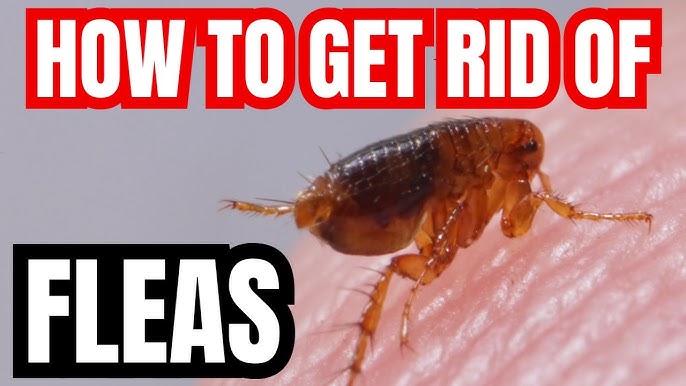
Are you tired of battling those pesky fleas that seem to invade your home no matter what you do? You’re not alone.
Fleas can be incredibly stubborn, and finding effective ways to get rid of them is crucial for your comfort and your pet’s health. You’ve probably heard that freezing might be a potential solution, but does it really work? You’ll uncover the truth about whether freezing can actually kill fleas, helping you make informed decisions to keep your home flea-free.
Don’t let these tiny invaders disrupt your peace any longer; read on to discover if this chilly method is your next best weapon in the fight against fleas.
How Fleas Survive Extreme Temperatures
Understanding how fleas survive extreme temperatures can help you decide if freezing is an effective way to get rid of them. Fleas have developed clever ways to endure harsh conditions, making them tougher to eliminate than you might think. Let’s break down the basics of their life cycle and how their bodies handle temperature changes.
Flea Life Cycle Basics
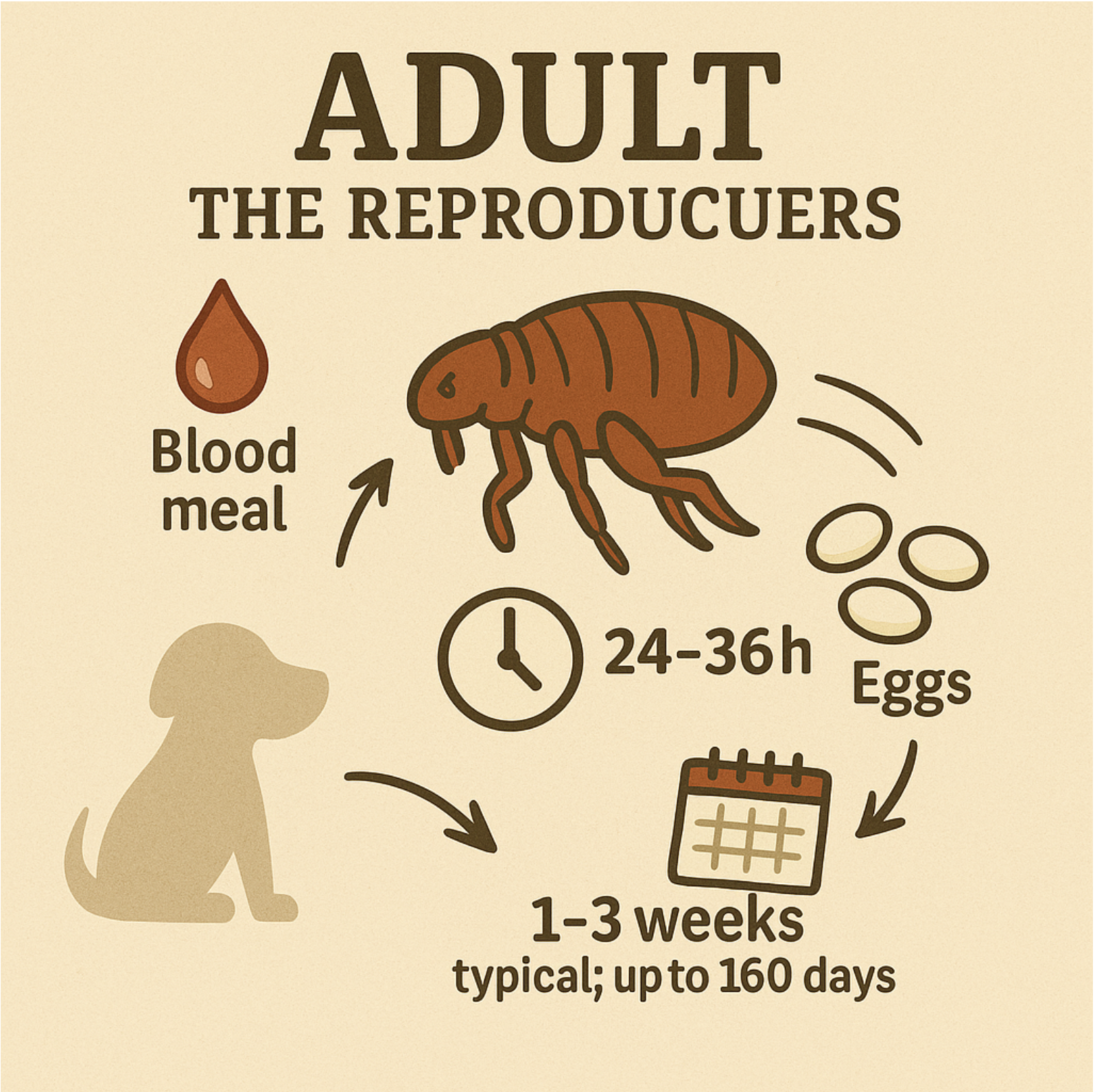
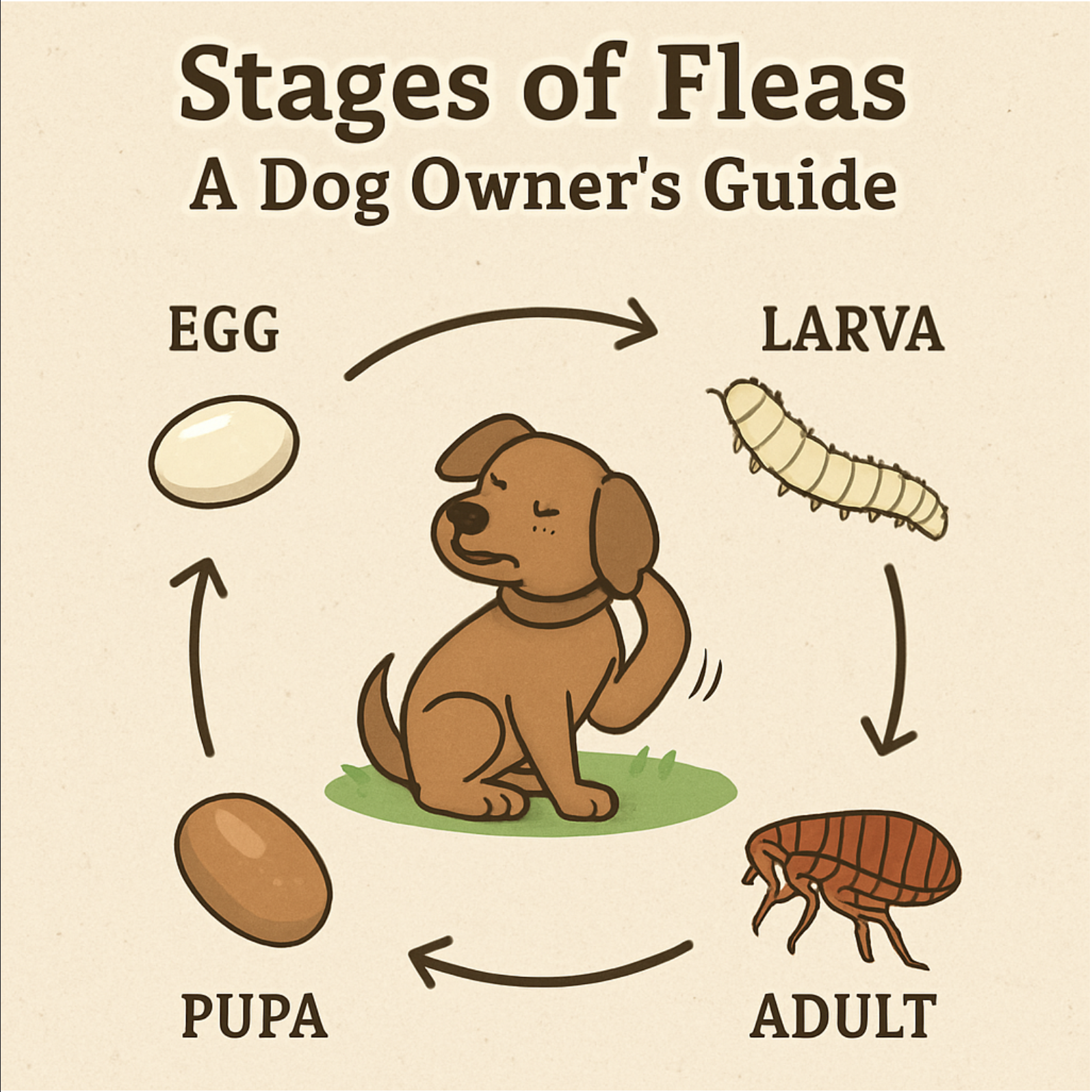
Fleas go through four stages: egg, larva, pupa, and adult. Each stage reacts differently to environmental factors like temperature. Eggs and larvae are more vulnerable to cold, but pupae can stay dormant for months, waiting for the right moment to hatch.
This dormant stage acts like a safety net. Even if you freeze your pet’s bedding, pupae might survive and emerge later. Have you noticed fleas coming back after a cold snap? That’s often why.
Temperature Tolerance Of Fleas
Adult fleas can survive temperatures from about 50°F (10°C) up to 95°F (35°C), thriving best in warm, humid places. They struggle to survive below freezing, but only if the exposure is long and consistent. A quick freeze may not kill them outright.
Larvae are more sensitive to cold but hide deep in carpets or cracks where the temperature stays milder. Pupae are the hardest to kill because their cocoon protects them from temperature swings and chemical treatments.
- Eggs and larvae die faster when exposed to temperatures below 40°F (4°C) for several days.
- Pupae can survive freezing temperatures inside their cocoon for weeks.
- Adults can die quickly if frozen solid but often survive brief cold spells.
If you’re thinking about using freezing as a flea control method, consider the time and temperature needed to really kill them all. Simply placing infested items in a freezer for a few hours may not be enough. How long would you be willing to freeze items to ensure fleas don’t bounce back?
Credit: www.vets4u.uk
Impact Of Freezing On Fleas
Freezing is a common home method to try and kill fleas on various items. Understanding how freezing affects fleas can help decide if this method works well. Fleas are small insects that survive in different environments. Their resilience depends on temperature and exposure time.
Effectiveness Of Freezing Fleas
Freezing can kill fleas by stopping their body functions. Fleas cannot survive when ice crystals form inside them. This process damages their cells and organs. However, not all fleas die instantly from cold. Some can survive short freezing periods by entering a dormant state.
Freezing mainly works on fleas in all life stages: adults, larvae, and eggs. It is best used on items that cannot be washed with hot water. Examples include pet bedding, toys, and small cushions. Freezing kills fleas without chemicals or sprays.
Duration And Temperature Requirements
Temperature and time are crucial for freezing fleas effectively. Fleas usually die at temperatures below 0°F (-18°C). The items must stay in the freezer long enough to ensure all fleas freeze completely.
- Keep items frozen for at least 24 to 48 hours.
- Short freezing times may not kill all flea eggs or larvae.
- Lower temperatures increase the chance of killing fleas quickly.
Freezing times vary based on item thickness and insulation. Thick or dense materials need longer freezing to reach the center. It is safer to freeze items longer than shorter to make sure fleas die.
Practical Freezing Methods For Pest Control
Freezing can be an effective way to tackle fleas, especially when dealing with items that are hard to treat with chemicals. It’s a practical approach that targets the pests directly by exposing them to temperatures they can’t survive. But how exactly can you use freezing in your home to control fleas? Let’s look at some practical methods and also understand their limits.
Freezing Infested Items
Small belongings like pet toys, cushions, or clothing can harbor fleas and their eggs. Placing these items in a freezer set at 0°F (-18°C) or lower for at least 48 hours usually kills fleas at all life stages.
Make sure the items are sealed in plastic bags to avoid moisture damage. This method works well for delicate objects you can’t wash or treat with chemicals. I once froze my dog’s favorite blanket after spotting fleas; within two days, the problem disappeared without any harsh sprays.
Limitations Of Home Freezing Techniques
Freezing isn’t a catch-all solution. Large items like mattresses or sofas usually won’t fit in a standard home freezer. Also, freezing only affects fleas on or inside the item, not those hiding elsewhere in your home.
Another limitation is that freezing must last long enough to kill all flea stages, which may vary. If the temperature isn’t cold enough or the time too short, fleas can survive and rebound. So, while freezing helps, it should be part of a broader flea control plan.
Credit: www.vets4u.uk
Alternative Flea Control Strategies
Dealing with fleas can be frustrating, especially if you’re unsure about the best way to get rid of them. Freezing might seem like a quick fix, but it’s not always reliable on its own. Luckily, there are other effective strategies you can try that often work better and help prevent future infestations.
Chemical Treatments
Chemical treatments remain a popular choice for many pet owners. Products like spot-on treatments, flea collars, and oral medications can kill adult fleas and disrupt their life cycle.
These treatments target fleas at different stages—eggs, larvae, and adults. For example, I once used a spot-on treatment on my dog, and within days, the flea problem was under control. However, always check with your vet to find a product safe for your pet’s age and health.
Keep in mind, some fleas can develop resistance to certain chemicals. Rotating products or combining treatments might be necessary if you don’t see quick results.
Natural And Preventive Measures
If you prefer to avoid chemicals, natural options can be effective too. Regular vacuuming removes flea eggs and larvae from carpets and furniture. Washing your pet’s bedding in hot water helps kill any hidden fleas.
Planting flea-repelling herbs like lavender or rosemary around your home can create a natural barrier. Diatomaceous earth, a fine powder made from fossilized algae, can be sprinkled on carpets and pet beds to dehydrate and kill fleas.
Preventive care is crucial—regular grooming and checking your pet after outdoor play can catch flea problems early. Have you ever noticed how a quick comb-through can reveal more than just dirt?
Combining Freezing With Other Methods
Freezing can be a helpful tool against fleas, but relying on it alone often won’t solve the problem entirely. Combining freezing with other approaches increases your chances of success and keeps those pesky fleas from coming back. Let’s look at how mixing methods works best for your flea control efforts.
Integrated Pest Management
Integrated Pest Management (IPM) means using several strategies together to tackle pests effectively. For fleas, this might include freezing items like pet bedding, vacuuming regularly, and using flea treatments on your pets.
Freezing kills fleas on fabrics by exposing them to very low temperatures, but it won’t affect fleas hiding in carpets or on your pet. That’s why combining freezing with cleaning and pet care is smart. Have you noticed how vacuuming can suck up flea eggs and larvae before they hatch? It’s a simple step that works well alongside freezing.
Using flea shampoos or topical treatments on your pets also interrupts the flea life cycle. Freezing your pet’s bedding while treating your pet and cleaning your home covers multiple bases at once. This layered approach can stop fleas from surviving and multiplying.
Maximizing Effectiveness
To get the most out of freezing, pair it with other targeted actions. Freeze small items like blankets, toys, and cushions for at least 24 to 48 hours. This ensures all life stages of fleas are killed.
Meanwhile, vacuum your floors and furniture daily. Dispose of vacuum bags or empty canisters outside immediately to avoid re-infestation. Treat your pets with veterinarian-approved flea medications on schedule.
Consider washing bedding and removable covers in hot water as another way to kill fleas and their eggs. Do you keep an eye on your pet’s behavior? Scratching or biting might mean fleas are still around, signaling it’s time to repeat or adjust your approach.
Combining freezing with cleaning, pet treatments, and monitoring not only helps clear fleas faster but also prevents them from coming back. Which of these steps can you start today to protect your home and pets?

Credit: bettertermite.com
Frequently Asked Questions
Does Freezing Effectively Kill Fleas And Their Eggs?
Freezing can kill fleas and eggs, but only under specific conditions. Fleas must be exposed to temperatures below 0°F (-18°C) for at least 24-48 hours. This method is more effective for infested items like bedding, but not practical for large-scale flea control.
How Long Should Fleas Be Frozen To Die Completely?
Fleas need to be frozen for a minimum of 24 hours to ensure death. Prolonged freezing up to 48 hours increases effectiveness. Shorter freezing times may only stun fleas, allowing them to survive and re-infest.
Can Freezing Replace Flea Treatment On Pets?
Freezing is not suitable for treating fleas on pets. It only works on inanimate objects. Flea treatments like topical medications or oral pills are necessary to protect pets and eliminate infestations safely and effectively.
Is Freezing A Safe Flea Control Method For Home Items?
Yes, freezing is safe for many non-electronic household items. It kills fleas without chemicals and avoids toxic exposure. However, delicate fabrics or electronics should not be frozen to prevent damage.
Conclusion
Freezing can help reduce flea numbers but may not kill all. Fleas in different life stages react differently to cold. Some eggs and larvae survive freezing temperatures. Combining freezing with other treatments works best. Regular cleaning and flea control products protect your home.
Stay patient and consistent for effective flea removal. Understanding flea behavior helps in managing infestations better. Keep pets clean and check them often for fleas. Safe and steady efforts lead to a flea-free environment.