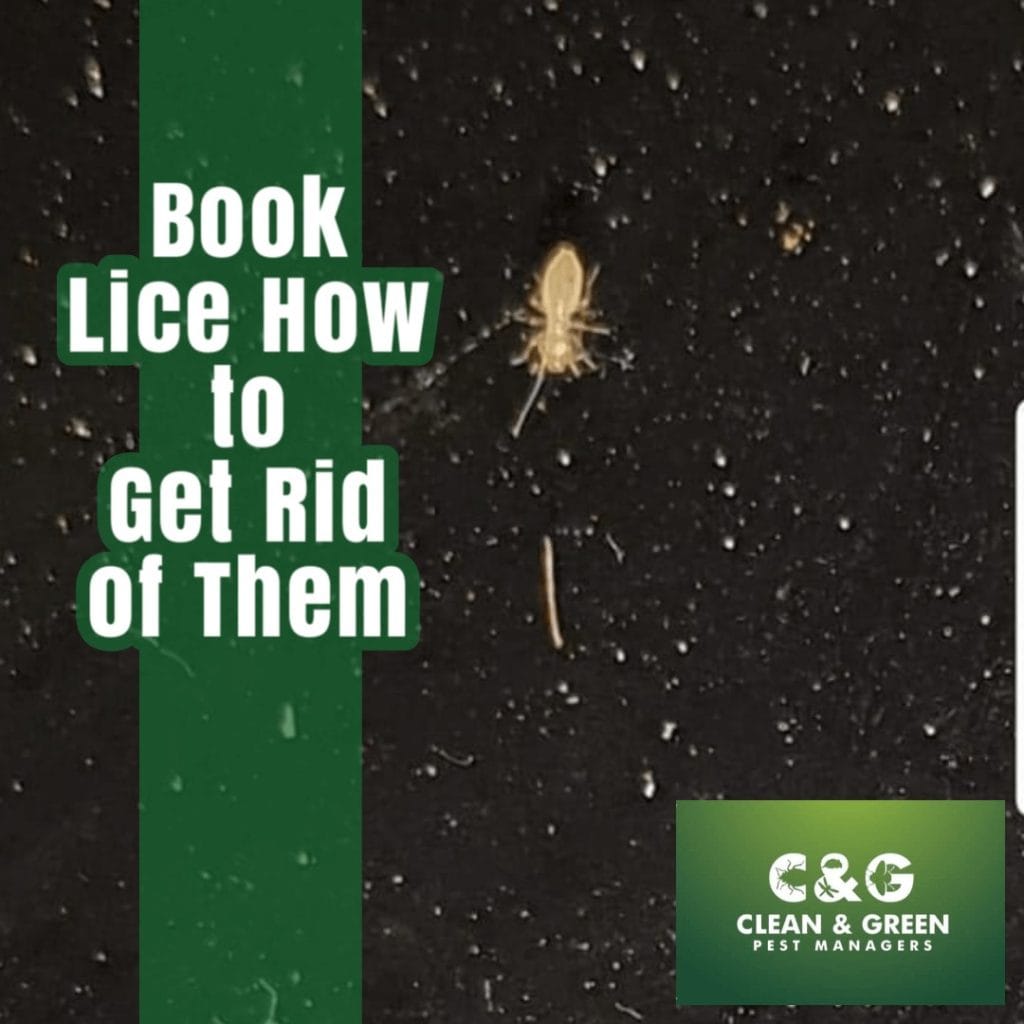
Have you ever found yourself grappling with the pesky problem of lice and wondered if freezing them could be the ultimate solution? You’re not alone.
Many parents, teachers, and caregivers like you face the relentless challenge of lice infestations, seeking effective ways to eliminate these unwelcome guests. But does freezing really kill lice, or is it just a myth? As you read on, you’ll discover the truth behind this intriguing question and learn practical tips that could save you time and effort.
Imagine the peace of mind you’ll feel knowing exactly how to tackle this issue, freeing you from worry and discomfort. Stay with us as we delve deeper into the fascinating world of lice and explore the freezing method to determine if it truly holds the key to lice-free living.

Credit: atmwigs.com
Lice Biology Basics
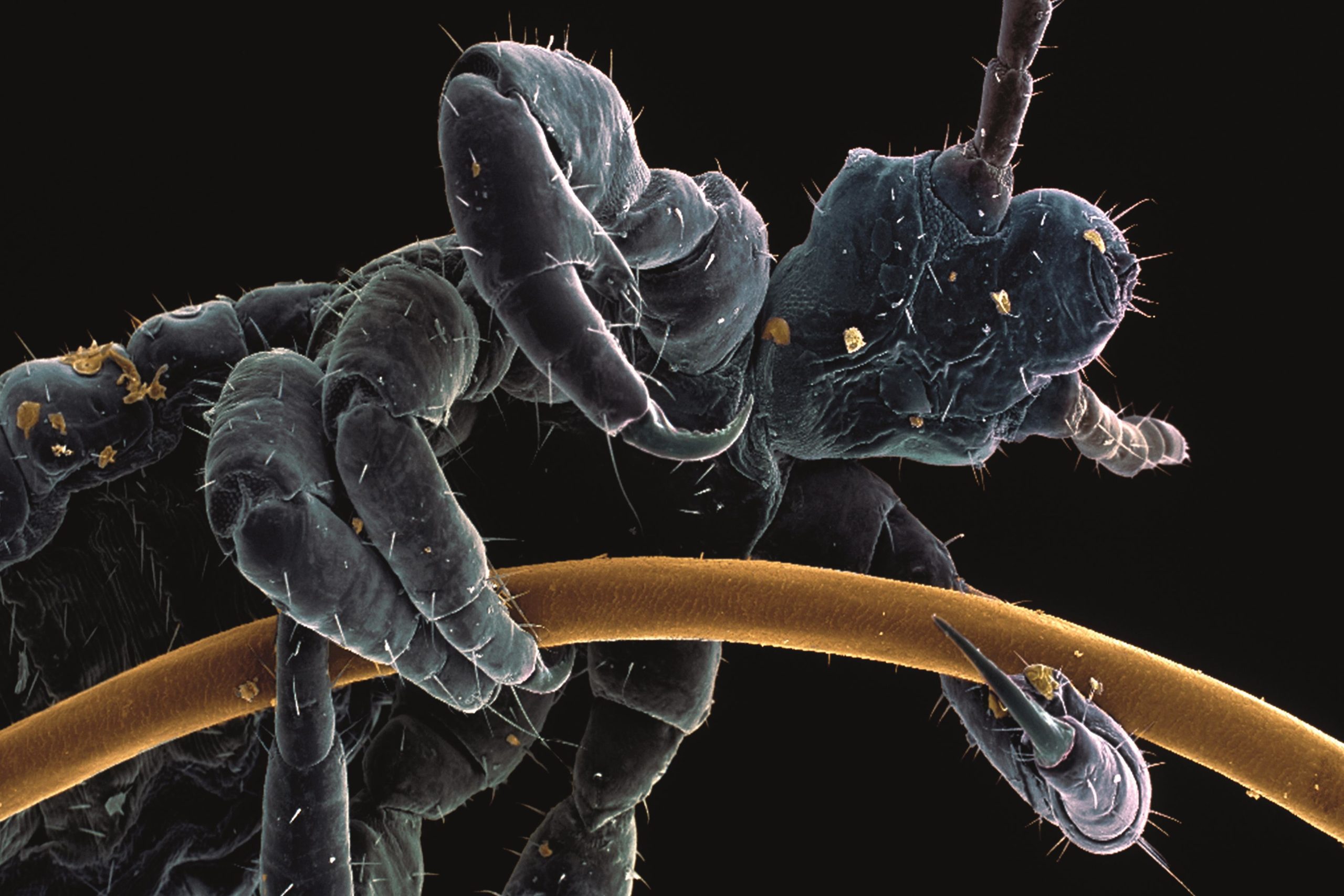
Lice are tiny insects that live on the human scalp. They feed on blood and cause itching. Understanding their biology helps us know how to treat them. Their survival depends on their life cycle and how they live on the host.
Life Cycle Of Lice
Lice go through three main stages: egg, nymph, and adult.
- Eggs (Nits):Tiny, oval, and glued to hair strands. Hatch in about 7–10 days.
- Nymphs:Young lice that look like adults but smaller. They mature in 7 days.
- Adults:About the size of a sesame seed. They live up to 30 days on the scalp.
Adult lice lay eggs daily. This cycle keeps the infestation alive without treatment.
How Lice Survive
Lice need a human host to live. They cannot survive long without blood meals.
- They cling tightly to hair with strong claws.
- They avoid light and stay close to the scalp.
- They die within 1–2 days away from the host.
Cold or freezing temperatures affect lice differently. Understanding these facts helps in deciding treatment options.
Common Lice Myths
Dealing with lice often brings a flood of advice and home remedies that sound convincing but don’t always work. Many of these ideas turn into myths that can waste your time and leave the problem unresolved. Understanding these common lice myths will help you take the right steps and avoid frustration.
Freezing As A Lice Killer
You might have heard that freezing clothes or hairbrushes can kill lice and their eggs. While freezing can slow down lice activity, it doesn’t guarantee they’ll die completely. Lice can survive in cold temperatures for a short time, so freezing items like hats or bedding won’t effectively stop an infestation.
Here’s something I learned the hard way: I once froze a backpack overnight hoping to kill lice hiding inside. When I checked the next day, the lice were still alive. This experience taught me that freezing is not a reliable lice treatment.
Effective lice removal requires direct treatment on the scalp and hair, not just on belongings. So, don’t rely on your freezer as a quick fix.
Other Misconceptions
- Lice prefer dirty hair.Actually, lice can live on clean or dirty hair equally. They need blood, not dirt, to survive.
- Lice can jump or fly.Lice crawl; they don’t have wings or jumping ability. They spread through direct head-to-head contact.
- Only children get lice.Adults can get lice too, especially if they come into close contact with someone who has an infestation.
- You can get lice from pets.Lice that infest humans are species-specific and don’t live on animals like dogs or cats.
Have you ever tried a home remedy that didn’t work? Recognizing these myths can help you focus on proven treatments and avoid wasting time on ineffective solutions. What’s the most surprising lice myth you’ve encountered?
Effect Of Freezing On Lice
Freezing is often considered as a potential method to kill lice, especially for treating infested items like combs, hats, or bedding. Understanding how freezing affects lice can help you decide if this approach is practical and effective for managing an infestation. Let’s look at what science says and the real-world limits of using cold temperatures against these persistent pests.
Scientific Findings
Research shows that lice are quite sensitive to extreme cold. Freezing temperatures below -20°C (-4°F) for at least 12 hours can kill adult lice and nits (lice eggs) on inanimate objects. This happens because the cold disrupts their cellular functions and causes fatal ice crystal formation inside their bodies.
However, lice on the human scalp are protected by body heat, so freezing your hair directly isn’t effective. Instead, freezing works best on items that can be safely placed in a freezer, like hats, scarves, and hairbrushes. This method can complement other treatments but shouldn’t be your only approach.
Limitations Of Freezing
Freezing does not guarantee 100% lice eradication. Nits are particularly resilient and may survive if the freezing time or temperature isn’t sufficient. It’s important to maintain the right conditions to ensure all life stages of lice are killed.
Another limitation is that freezing only affects lice on objects, not on your scalp or hair. You still need to use specialized shampoos, combing, or other treatments to remove lice from your head. Also, repeated freezing cycles may be necessary to prevent re-infestation from surviving eggs.
Have you ever tried freezing your belongings to stop lice? Did it work, or did you find yourself reaching for other treatments? Understanding these facts helps you make smarter choices when dealing with lice and reduces frustration during treatment.
Credit: pharmaceutical-journal.com
Effective Lice Treatments
Dealing with lice can be frustrating, especially when you’re unsure which treatment will truly work. Understanding effective lice treatments can save you time and stress. It’s important to combine different approaches to tackle lice at every stage.
Medicated Shampoos
Medicated shampoos are often the first choice for many because they target lice directly. These shampoos contain ingredients like permethrin or pyrethrin, which kill live lice quickly.
Remember, these shampoos might not kill all the eggs, so a second treatment is usually needed after about a week. Always follow the instructions carefully, as improper use can lead to resistance or irritation.
Manual Removal Techniques
Manual removal using a fine-toothed comb is a hands-on way to control lice. This method requires patience and consistency but can be very effective when done correctly.
Comb through wet, conditioned hair to remove both lice and eggs. Doing this every 2-3 days for at least two weeks helps ensure you catch any newly hatched lice before they spread.
Natural Remedies
Many people look for natural remedies as a gentler alternative. Oils like tea tree or coconut oil may suffocate lice when applied thoroughly.
While natural treatments can be helpful, they often need to be combined with combing or medicated shampoos for best results. Have you tried any natural remedies, and did you notice a difference?
Preventing Lice Infestations
Preventing lice infestations is easier than treating them. Keeping lice away saves time and discomfort. Simple habits help protect your family and friends. Consistent care reduces the chance of lice spreading.
Understanding prevention steps is key to staying lice-free. Cleanliness and awareness work together to stop lice in their tracks.
Hygiene Tips
- Wash hair regularly using gentle shampoo.
- Comb hair daily with a fine-toothed comb.
- Keep hair tied back if it is long.
- Change and wash bedding and clothes often.
- Use clean hats and avoid sharing hairbrushes.
Avoiding Spread
- Do not share combs, hats, or headphones.
- Keep a small distance during close contact.
- Check children’s hair after school or playdates.
- Inform others promptly if lice are found.
- Clean personal items and vacuum living areas regularly.

Credit: atmwigs.com
Handling Lice On Personal Items
Handling lice on personal items is just as important as treating the scalp. These tiny pests can cling to hats, brushes, and bedding, waiting for the next chance to latch onto someone. Ignoring contaminated items can cause re-infestation, making your treatment efforts frustrating.
Washing And Drying
Washing clothes and linens in hot water is one of the most effective ways to get rid of lice and their eggs. Use water that’s at least 130°F (54°C) to ensure you kill them on contact. After washing, dry the items on the highest heat setting for at least 30 minutes; heat is lethal to lice and nits alike.
Think about the last time you tossed a hat or scarf in the laundry—did you adjust the temperature? Cold water won’t cut it here. If an item can’t be washed, placing it in a sealed plastic bag for two weeks can help, since lice can’t survive without a blood meal for more than 48 hours.
Using Freezing Correctly
Freezing is often suggested, but does it really work? Freezing personal items at 0°F (-18°C) for at least 48 hours can kill lice and nits, but it must be done properly. Placing items in a sealed plastic bag before freezing prevents moisture damage and contamination.
However, freezing won’t kill lice instantly. It requires consistent low temperatures and time. Have you ever left a jacket in the freezer overnight? That’s a simple test—if your freezer isn’t cold enough or the time is too short, lice might survive and cause a return of the problem.
Combining washing, drying, and freezing techniques gives you the best chance to fully clear lice from your personal items. Don’t rely on freezing alone, especially for items that can be washed or heated.
Frequently Asked Questions
Does Freezing Clothes Kill Lice And Their Eggs?
Freezing clothes at 0°F (-18°C) for at least 24 hours can kill lice and nits. This method starves them by preventing movement and development. However, freezing is less effective on hair or scalp and should be combined with other treatments for full lice removal.
Can Freezing Hair Kill Lice Effectively?
Freezing hair alone does not kill lice effectively. Lice survive better on the scalp due to warmth. Cold temperatures may slow them but won’t eliminate them completely. Use lice treatments and combing to remove lice from hair safely.
How Long Should Lice-infested Items Be Frozen?
Lice-infested items should be frozen for a minimum of 24 hours. This duration ensures lice and eggs die due to extreme cold. Shorter freezing times may not be sufficient, so follow this guideline for effective lice control on belongings.
Is Freezing A Reliable Method To Prevent Lice Spread?
Freezing can help reduce lice on personal items but isn’t fully reliable. It only kills lice on non-living objects. To prevent lice spread, combine freezing with proper hair treatment and cleaning practices for best results.
Conclusion
Freezing can help reduce lice but does not fully kill them. Lice and their eggs survive cold temperatures better than expected. Using freezing alone is not enough to remove an infestation. Combine freezing with proper treatments for best results. Regular combing and cleaning items also play a key role.
Stay patient and consistent to fully get rid of lice. This approach keeps your family safe and lice-free.