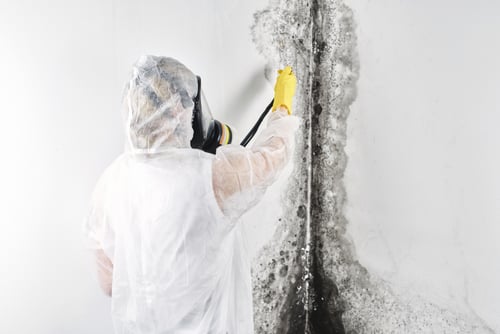
Imagine discovering mold in your home. It’s unsightly and potentially harmful, and you want it gone.
You’ve heard that freezing temperatures might do the trick, but does it really work? Before you decide to turn your home into a winter wonderland, let’s dig into the truth about freezing temps and mold. This might be the game-changing information you’re looking for.
Understanding how cold affects mold could save you time, effort, and money. Read on to discover the surprising facts about mold and freezing temperatures, and arm yourself with the knowledge to tackle mold problems effectively.

Credit: www.puroclean.com
How Mold Reacts To Cold
Mold is a common problem in many homes. It thrives in warm, damp places. But what happens when temperatures drop? Understanding how mold reacts to cold helps in managing and preventing it.
Mold Growth Conditions
Mold needs moisture, food, and the right temperature to grow. It prefers warm environments between 77°F and 86°F. High humidity and damp surfaces speed up growth. Without moisture, mold cannot develop well. Cold and dry conditions usually slow mold growth.
Impact Of Low Temperatures On Mold
Cold temperatures slow mold’s activity. Growth reduces significantly below 40°F. Freezing temperatures do not kill mold spores right away. Instead, mold becomes dormant. It stops growing but stays alive. When the temperature rises, mold can start growing again quickly.
Survival Mechanisms In Freezing
Mold spores have tough outer layers. These protect them from freezing damage. Spores can survive freezing for months or years. Some molds produce antifreeze-like chemicals. These help them resist ice formation inside cells. This survival ability makes mold hard to eliminate by cold alone.
Freezing As A Mold Control Method
Freezing is often considered a simple way to stop mold growth, especially in food storage and some household items. But does it truly kill mold, or just pause its activity? Understanding how freezing interacts with mold can help you decide if it’s a reliable option for controlling mold in your space.
Freezing Effects On Mold Spores
Freezing temperatures don’t kill mold spores outright. Instead, they put spores into a dormant state, stopping them from growing or spreading while frozen. Once the temperature rises, mold can reactivate and continue growing if conditions are right.
This dormancy means freezing acts more like a pause button than a permanent solution. Think about your frozen leftovers — mold doesn’t grow in the freezer, but it can return as soon as you thaw the food.
Duration And Temperature Factors
The effectiveness of freezing on mold depends on how cold it is and how long the item stays frozen. Typically, temperatures below 0°F (-18°C) for several days will stop mold growth temporarily.
However, short freezing periods may not be enough to fully halt mold activity. If you’re trying to freeze mold-infested items, consider leaving them in the freezer for at least 48 to 72 hours to maximize the dormancy effect.
Limitations Of Freezing
Freezing doesn’t remove or kill mold spores permanently. Once thawed, spores can reactivate, especially if moisture is present. This means freezing alone won’t solve a mold problem in your home or belongings.
Also, freezing might damage some materials, making them less useful or harder to clean afterward. If you rely on freezing, plan to follow up with proper cleaning and drying to fully control mold growth.
Comparing Freezing To Other Mold Treatments
Freezing temperatures affect mold differently than other treatments. Understanding these differences helps choose the best way to handle mold problems. Each method has strengths and limits. Some stop mold growth, others remove mold entirely.
Freezing can slow mold growth by making spores inactive. But freezing alone often does not kill mold. Other treatments might destroy mold or clean it from surfaces.
Heat Vs. Cold
Heat treatments use high temperatures to kill mold spores. Heat can destroy mold quickly and deeply. It can reach places freezing may not affect. Cold slows mold but usually does not kill it. Mold can come back after freezing if spores remain alive.
Chemical Mold Removal
Chemicals like bleach and fungicides kill mold on contact. They break down mold cells to stop growth. Chemicals can be strong and sometimes harmful. Proper use is important to avoid damage or health risks. Chemicals remove visible mold but may not reach hidden spores.
Physical Cleaning Methods
Scrubbing and vacuuming remove mold from surfaces. Physical cleaning clears mold and dirt. It often works best combined with chemicals or heat. Cleaning removes mold but does not kill spores deep inside materials. Proper cleaning helps prevent mold from returning.
Credit: bentleyhomeinspection.com
Practical Uses Of Freezing In Mold Prevention
Freezing temperatures can be a useful tool in preventing mold growth in several practical ways. While freezing may not always kill mold completely, it slows down its development by halting moisture activity and spore reproduction. Understanding how freezing works in different scenarios can help you protect your belongings and environment more effectively.
Food Preservation
Freezing food is one of the most common ways to prevent mold growth. By lowering the temperature, you stop mold spores from multiplying, which keeps your food safe and fresh longer.
Have you ever noticed frost forming inside your freezer? That frost actually helps create a barrier against moisture, which mold needs to grow. However, freezing doesn’t kill all mold spores—once the food thaws, spores can become active again if the food isn’t handled properly.
To reduce mold risks further, freeze food in airtight containers or vacuum-sealed bags. This limits exposure to air and moisture, making your freezing efforts more effective.
Mold Control In Materials
Freezing can also help control mold on certain materials like fabrics, books, or papers. For example, freezing moldy books slows down spore growth until you can treat or clean them properly.
Have you ever put a moldy jacket in the freezer? Many people do this as a temporary solution to stop mold from spreading before washing. It’s not a permanent fix, but it does give you time to plan proper cleaning.
Keep in mind that freezing alone doesn’t remove mold stains or odors. You’ll still need to clean and dry the materials thoroughly after freezing to prevent mold from returning.
Environmental Considerations
In cold climates, freezing temperatures naturally reduce mold growth outdoors during winter months. This seasonal freeze helps reset mold activity until warmer weather returns.
But what about indoor environments? Freezing air or surfaces inside your home isn’t practical, so focus on controlling humidity and moisture instead. Still, understanding that mold becomes dormant in freezing conditions can shape how you manage mold in cold storage areas or unheated spaces.
How often do you check cold storage rooms or unheated garages for mold after winter? Freezing may pause mold growth, but it doesn’t stop spores from waiting to reactivate when temperatures rise.
Common Myths About Freezing Mold
Many people believe freezing temperatures can eliminate mold completely, but this idea is filled with misconceptions. Understanding what freezing does—and does not—do to mold is essential if you want to protect your home or belongings effectively. Let’s clear up some common myths that might be misleading your approach to mold control.
Freezing Kills All Mold Instantly
Freezing does not kill all mold instantly. While cold temperatures can slow down mold growth, they don’t destroy the spores. Mold is incredibly resilient and can survive freezing conditions, often becoming dormant rather than dead.
If you’ve ever noticed mold returning after thawing frozen food or materials, you’ve seen this firsthand. The spores can reactivate once conditions warm up, so freezing is more of a pause than a permanent solution.
Frozen Mold Is Harmless
Frozen mold may look inactive, but it’s not harmless. Mold spores can still cause allergic reactions and respiratory problems, even when frozen. Handling or disturbing frozen mold can release spores into the air, putting your health at risk.
Think about the last time you moved something from a freezer and noticed a musty smell—that’s mold activity ready to resume. Don’t assume freezing makes mold safe to ignore or touch.
Freezing Replaces Professional Remediation
Freezing is not a substitute for professional mold remediation. Mold damage often requires thorough cleaning, removal of affected materials, and treatment to prevent regrowth. Professionals have the tools and knowledge to address mold safely and effectively.
If you try to rely solely on freezing, you might miss hidden mold or structural damage that could worsen over time. Would you really want to risk your home’s health and your family’s well-being on a temporary freeze?

Credit: www.reddit.com
Frequently Asked Questions
Does Freezing Temperatures Kill All Types Of Mold?
Freezing temperatures can stop mold growth but do not kill all mold types. Some mold spores survive freezing and become active once conditions warm up again.
How Long Does Mold Survive In Freezing Conditions?
Mold spores can survive freezing for months or even years. Freezing slows their activity but does not eliminate mold permanently.
Can Freezing Remove Mold From Household Items?
Freezing can temporarily halt mold growth on items but won’t remove or kill mold. Proper cleaning and drying are needed to eliminate mold fully.
Is Freezing An Effective Method To Control Mold Growth?
Freezing slows mold growth but isn’t effective for complete mold control. Moisture removal and cleaning are essential to prevent mold recurrence.
Conclusion
Freezing temperatures can slow mold growth but do not kill it completely. Mold spores survive cold and can return when it warms up. Proper cleaning and drying are needed to remove mold safely. Simply freezing moldy items is not enough to stop the problem.
Always check for mold damage after cold weather. Acting quickly helps keep your home healthy and mold-free. Understanding mold behavior helps you protect your space better. Stay alert and treat mold properly for long-term results.