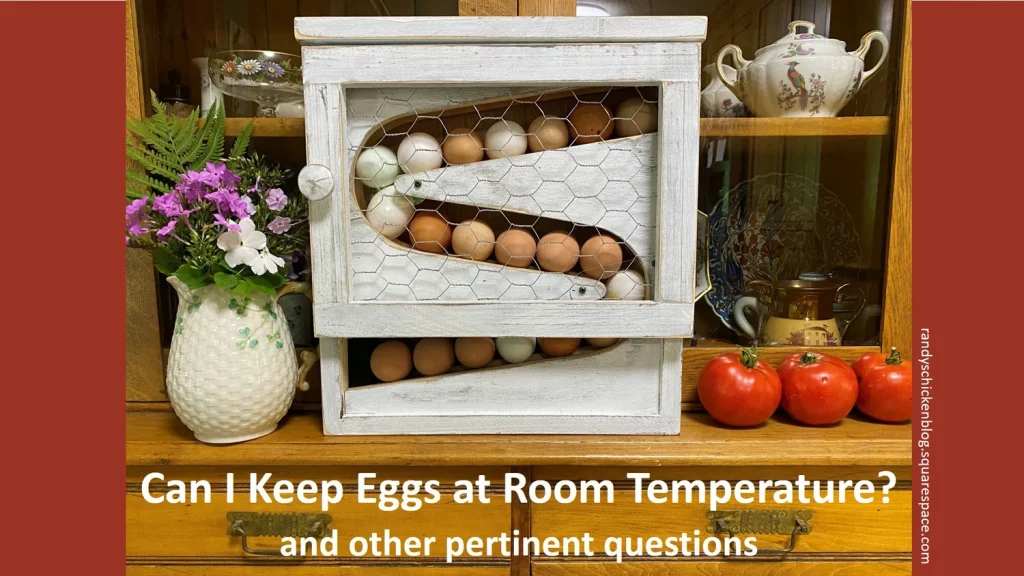
Are you unsure whether fresh eggs need to be refrigerated? You’re not alone.
Many people wonder if storing eggs at room temperature is safe or if the fridge is a must. The answer isn’t as simple as it seems, and where you live or how your eggs are handled can change everything. Keep reading to discover the surprising facts that will help you store your eggs the right way—keeping them fresh longer and protecting your health.
Don’t risk wasting your eggs or, worse, getting sick. Let’s clear up the confusion once and for all.
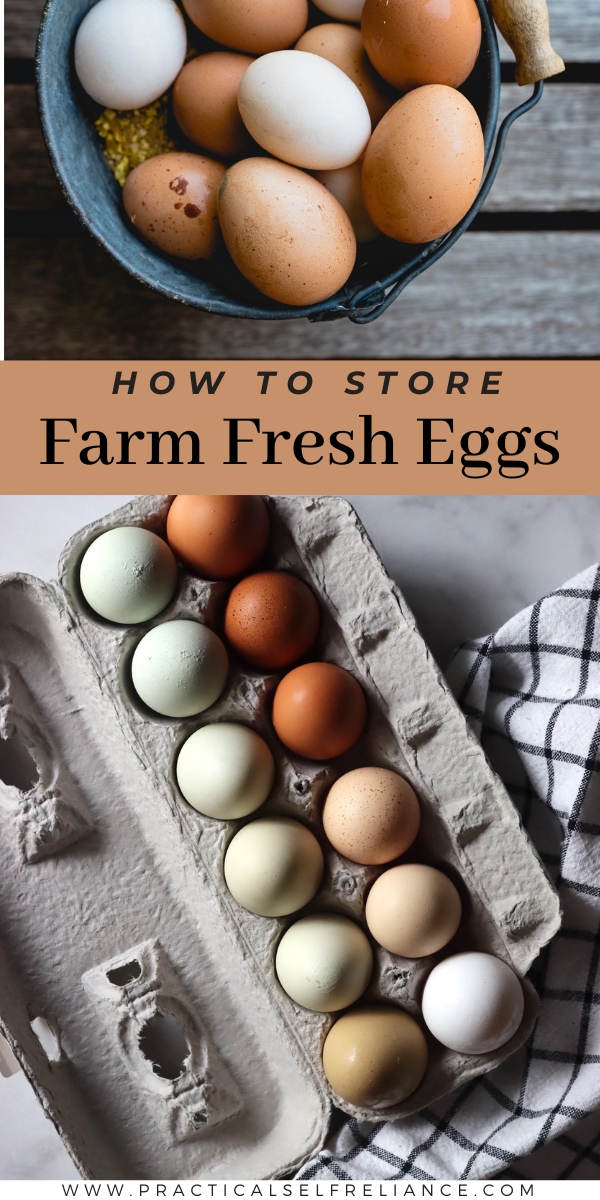
Credit: practicalselfreliance.com
Egg Freshness And Safety
Egg freshness plays a key role in deciding how to store eggs safely. Fresh eggs have a protective layer that shields them from bacteria. This natural coating helps keep eggs safe without refrigeration for a short time. Understanding egg freshness is important to prevent foodborne illnesses and keep eggs tasty.
How Freshness Affects Storage
Fresh eggs have a thin, natural film called the “bloom.” This film blocks air and bacteria from entering the shell. When eggs are freshly laid, this bloom is intact. It helps eggs stay fresh for days without cooling.
Once washed, the bloom is removed. Washed eggs need refrigeration to stay safe. Over time, eggs lose moisture and air enters the shell. This makes the egg less fresh and more prone to spoilage. Storing eggs in a cool place slows this process.
Bacteria And Contamination Risks
Bacteria can enter eggs through cracks or damaged shells. The bloom prevents bacteria from getting inside. Without this layer, eggs become vulnerable to harmful germs like Salmonella.
Keeping eggs cold slows bacterial growth. Warmer temperatures speed up contamination. Always check eggs for cracks before storing. Discard any eggs with visible damage.
- Store eggs in a clean container
- Avoid washing eggs before storing, unless needed
- Refrigerate eggs if the bloom is removed
- Use eggs within recommended time to avoid risks
Refrigeration Benefits
Refrigerating fresh eggs offers several important benefits that help keep them safe and tasty. Cold storage slows down the growth of bacteria and preserves egg freshness. This simple step can make a big difference in how long eggs last and how good they taste.
Extending Shelf Life
Keeping eggs in the fridge can extend their shelf life significantly. The cool temperature slows bacteria growth, reducing spoilage. Eggs stored in the refrigerator can last for weeks beyond their packing date. This helps prevent waste and ensures eggs stay safe to eat longer.
Maintaining Quality And Taste
Refrigeration helps maintain the egg’s quality by preserving its texture and flavor. Cold eggs retain their firm whites and rich yolks better than those stored at room temperature. Freshness stays locked in, so dishes made with refrigerated eggs taste fresher and more delicious.
When Refrigeration Is Necessary
Eggs are a staple in many households. Their storage often raises questions. Do fresh eggs need refrigeration? The answer depends on several factors. Understanding when refrigeration is necessary helps keep eggs fresh and safe.
Store-bought Vs. Farm-fresh Eggs
Store-bought eggs are usually washed before packaging. This process removes the protective coating. Without this coating, eggs are more vulnerable. Refrigeration becomes essential to prevent spoilage and bacteria growth. Farm-fresh eggs, on the other hand, often retain their natural coating. This helps protect them from contamination. They can be stored at room temperature for a short time. However, refrigeration extends their shelf life significantly.
Impact Of Washing On Eggs
Washing eggs impacts their longevity and safety. The process strips away the natural protective layer. This layer, called the cuticle, shields the egg from bacteria. Without it, eggs are more prone to spoilage. Unwashed eggs can stay fresh longer at room temperature. But once washed, refrigeration is crucial to maintain quality. Washing may also cause tiny cracks, inviting bacteria inside. It is best to refrigerate washed eggs promptly.
Room Temperature Storage
Storing fresh eggs at room temperature is a common practice in many households around the world. However, understanding how long eggs can safely stay outside the fridge and under what conditions is essential to keep them fresh and safe to eat. Let’s break down what you need to know to handle your eggs properly without refrigeration.
Safe Duration Outside The Fridge
Fresh eggs can generally be kept at room temperature for about 1 to 3 weeks without spoiling. This time frame depends heavily on the freshness of the eggs when you brought them home.
If you buy eggs directly from a local farm or market where they are very fresh and unwashed, they often have a natural protective coating. This coating helps keep bacteria out and extends their safe shelf life outside the fridge.
Once eggs have been refrigerated, it’s best to keep them cold because condensation on the shell can promote bacterial growth if they are left at room temperature again. So, think about where your eggs came from and how they were handled before deciding how long to keep them out.
Ideal Conditions For Non-refrigerated Eggs
Temperature plays a huge role in how well eggs keep at room temperature. Ideally, eggs should be stored in a cool, dry place away from direct sunlight and heat sources.
Maintaining a steady temperature between 50°F and 68°F (10°C to 20°C) is best for non-refrigerated eggs. Fluctuating temperatures can cause moisture buildup on the shell, increasing the risk of spoilage.
Also, keep eggs in their original carton or a similar container to protect them from absorbing strong odors or getting damaged. Have you ever noticed how eggs near onions or garlic smell strange? Keeping them covered helps avoid this problem.
Best Practices For Egg Storage
Storing fresh eggs properly can make a big difference in their freshness and safety. Whether you buy from a farmer’s market or collect them from your backyard, knowing how to handle and store eggs will help you enjoy them longer. Let’s look at some best practices that will keep your eggs in top condition.
Proper Packaging Tips
Keep your eggs in their original carton whenever possible. The carton protects eggs from absorbing strong odors and flavors from other foods in your fridge. Plus, it helps prevent moisture loss, which can cause eggs to dry out and spoil faster.
If you have loose eggs, use a clean container with a lid that fits snugly. Avoid stacking eggs directly on top of each other without protection to prevent cracks. You might also label your egg carton with the date you collected or bought them to keep track of freshness.
Avoiding Temperature Fluctuations
Eggs last longer when stored at a consistent, cool temperature. Avoid placing eggs near the fridge door, where temperature changes are frequent due to opening and closing. Instead, store them on a middle or lower shelf where the temperature stays more stable.
Have you ever noticed a difference in how long eggs last depending on where you put them? Keeping eggs away from heat sources like ovens or direct sunlight also helps maintain their quality. Small temperature changes might seem harmless but they can cause condensation, which speeds up bacterial growth.

Credit: www.allrecipes.com
Signs Of Spoiled Eggs
Knowing the signs of spoiled eggs can save you from unpleasant surprises and potential health risks. Spoiled eggs often show clear indicators that you can spot or smell before cracking them open. Paying attention to these signs helps you decide whether to keep or toss those eggs.
Visual And Smell Indicators
Look closely at the eggshell. If you notice any unusual discoloration, such as pink, green, or iridescent spots, it’s a red flag. A slimy or powdery coating can also suggest mold or bacterial growth.
After cracking the egg, check the color and texture of the yolk and white. Cloudy egg whites are usually fresh, but if the white is watery or the yolk looks flat and discolored, it’s time to discard it.
Smell is a powerful clue. A rotten egg has a strong sulfur smell that is hard to miss. If your egg emits any foul or sulfurous odor, do not use it.
Simple Tests To Check Freshness
Have you ever wondered if you could test egg freshness without cracking it open? The water test is a simple way. Place your egg in a bowl of cold water:
- If it sinks and lies flat, it’s fresh.
- If it stands upright, it’s still okay but should be used soon.
- If it floats, it’s spoiled and should be thrown away.
Another quick check is the candling technique. Hold the egg up to a bright light to see inside. Fresh eggs will have a small air cell, while older eggs have a larger air pocket making them easier to detect as stale.
Have you ever cracked an egg only to regret it seconds later? These simple checks can prevent that mistake and save your meal—and your stomach.

Credit: grubblyfarms.com
Frequently Asked Questions
Should Fresh Eggs Always Be Refrigerated At Home?
Yes, refrigerating fresh eggs slows bacterial growth and maintains freshness. It is especially important in countries where eggs are washed before sale. Storing eggs in the fridge helps prevent contamination and extends their shelf life up to 3-5 weeks.
How Long Can Fresh Eggs Stay Unrefrigerated?
Fresh eggs can stay unrefrigerated for about 1-2 weeks if they have their natural protective coating. However, refrigeration is recommended to keep eggs safe and fresh longer. Unrefrigerated eggs may spoil faster, especially in warm or humid conditions.
Does Washing Eggs Affect Refrigeration Needs?
Yes, washing eggs removes the natural protective layer, making them more prone to bacteria. Washed eggs must be refrigerated immediately to prevent spoilage. Unwashed eggs with their cuticle intact can be safely stored at room temperature for a short time.
Can Room Temperature Eggs Be Safely Consumed?
Room temperature eggs can be safe if they haven’t been previously refrigerated or washed. However, they should be consumed within a few days to avoid bacterial growth. Refrigeration is the safest way to ensure eggs remain fresh and safe to eat.
Conclusion
Fresh eggs can stay fresh without refrigeration for a short time. Keep them in a cool, dry place away from sunlight. Washing eggs removes their natural coating, so refrigerate washed eggs to keep them safe. Store eggs with the pointed end down to keep yolks centered.
Always check for cracks before storing eggs. Use fresh eggs quickly to enjoy their best taste and quality. Knowing how to store eggs helps reduce waste and keeps your food safe. Simple care makes a big difference for fresh eggs.