Are you using GLP-1 medication and wondering if it needs to be kept in the fridge? You’re not alone.
Proper storage can affect how well your medicine works and your overall health. If you get this wrong, your treatment might lose its power without you even realizing it. You’ll discover exactly when and how GLP-1 should be refrigerated, so you can protect your medicine and get the best results.
Keep reading to find out what you must know to keep your treatment safe and effective.

Credit: www.reddit.com
What Is Glp-1
Understanding GLP-1 is key to knowing why its storage matters. GLP-1 stands for Glucagon-Like Peptide-1, a hormone your body naturally produces. It plays a crucial role in managing blood sugar levels and appetite.
Many people turn to GLP-1 receptor agonists as medication to help with diabetes or weight loss. These drugs mimic the hormone’s effects, making them effective but sensitive to how they’re stored.
What Does Glp-1 Do In Your Body?
GLP-1 helps your pancreas release insulin when your blood sugar rises. It also slows down digestion, which keeps you feeling full longer. This combination helps control blood sugar spikes after meals.
If you’ve ever struggled with sugar cravings or energy crashes, GLP-1’s role might explain why your body responds the way it does. It’s a natural way to balance hunger and energy.
Why Is Glp-1 Important In Medication?
Medications based on GLP-1 help improve blood sugar control for people with type 2 diabetes. They also support weight loss by reducing appetite. This dual effect makes them a popular choice for treatment.
However, the hormone-like nature of these medications means they need careful handling. Poor storage can reduce their effectiveness, which could impact your health goals.
How Does Glp-1 Affect Your Daily Life?
By controlling hunger and blood sugar, GLP-1 influences energy levels and mood. You might notice steadier energy throughout the day or fewer cravings. This hormone can make a real difference in how you feel.
Have you ever wondered why some medications require refrigeration? Understanding GLP-1 gives you insight into how to keep your treatment working well for you.

Credit: www.reddit.com
Storage Requirements
Proper storage of GLP-1 medications is crucial to maintain their effectiveness and safety. Understanding how to store these drugs before and after opening ensures you get the full benefit without risking spoilage. Let’s dive into the storage requirements that can help you keep your medication in top condition.
Before First Use
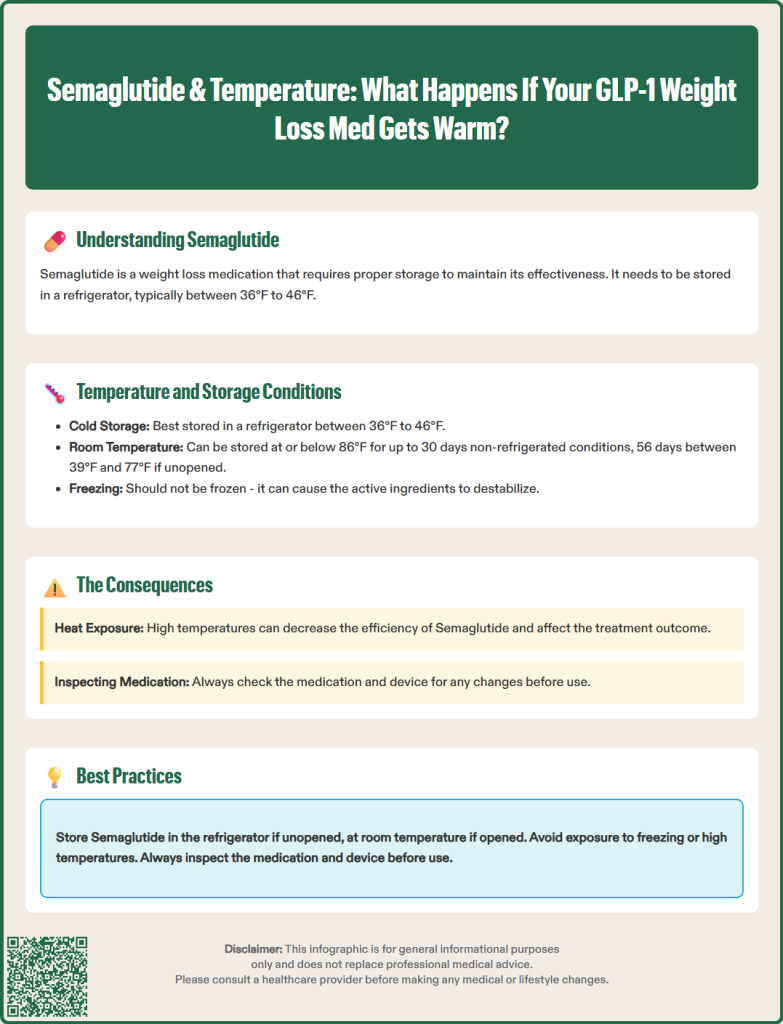
Before you start using your GLP-1 medication, it usually needs to be kept in the refrigerator. Most manufacturers recommend storing it between 2°C and 8°C (36°F and 46°F). This cold environment helps preserve the medication’s stability and potency.
Have you ever left a medicine out and noticed it didn’t work as well? This is why keeping it cold before first use matters. Avoid freezing it, as freezing can damage the medication and make it unsafe.
After Opening
Once you begin using your GLP-1 injection pen or vial, the storage rules often change. Many GLP-1 products can be kept at room temperature for a limited time, typically up to 30 days. This makes it easier to carry and use throughout the day without needing constant refrigeration.
Check the specific guidelines on your medication’s label. Some brands require you to keep them refrigerated even after opening, while others allow room temperature storage. If unsure, it’s safer to keep the medication in the fridge.
Temperature Guidelines
Temperature control is key to preserving GLP-1 medications. Here’s a quick guide:
| Storage Phase | Recommended Temperature | Tips |
|---|---|---|
| Before First Use | 2°C – 8°C (36°F – 46°F) | Keep in refrigerator, avoid freezing |
| After Opening | 15°C – 30°C (59°F – 86°F) | Use within 30 days, avoid direct sunlight |
Have you checked the temperature settings on your fridge lately? Even small fluctuations can affect your medication. Use a thermometer to monitor your storage area, ensuring your GLP-1 stays safe and effective.
Why Refrigeration Matters
Refrigeration plays a key role in keeping GLP-1 medications safe and effective. These drugs contain delicate proteins that can break down at room temperature. Storing them properly preserves their quality over time. A cool environment slows chemical changes and keeps the medicine stable.
Without refrigeration, the drug may lose strength and not work as well. It also helps avoid contamination by reducing bacterial growth. Proper storage ensures the treatment remains reliable and safe for use.
Maintaining Potency
GLP-1 drugs rely on proteins that are sensitive to heat. Warm temperatures can cause these proteins to degrade quickly. This degradation lowers the drug’s potency, making it less effective in managing blood sugar. Refrigeration keeps the medication within the ideal temperature range. This preserves its strength until the expiration date.
Preventing Contamination
Medications stored at room temperature can attract bacteria and fungi. These microbes grow faster in warm, moist conditions. Refrigeration slows their growth, reducing contamination risks. Clean, cold storage protects the medication from harmful germs. This helps maintain safety during use.
What Happens If Not Refrigerated
Leaving GLP-1 medication unrefrigerated can have serious consequences. You might wonder what exactly happens if this important drug is not kept cool. Understanding these effects can help you avoid wasting your medication and protect your health.
Effect On Medication
GLP-1 drugs are sensitive to temperature changes. Without refrigeration, the medication can lose its effectiveness quickly. This means the active ingredients break down and won’t work as intended.
Imagine taking your daily dose only to find it doesn’t lower your blood sugar like before. That’s because the medicine’s potency has dropped. The manufacturer usually recommends storing GLP-1 in the fridge to keep it stable.
Once left out at room temperature for too long, the medication may change in color or texture. These signs are warnings that it might be unsafe to use. Have you ever noticed a medicine looking different and wondered if it’s still good?
Risks To Health
Using GLP-1 that wasn’t refrigerated can put your health at risk. Reduced effectiveness means your blood sugar could remain uncontrolled. This raises the chance of complications such as fatigue, dizziness, or more serious issues.
There’s also the risk of an allergic reaction if the medication breaks down into harmful byproducts. Your body may respond unpredictably to the altered drug. This is why it’s crucial to follow storage instructions carefully.
Think about how much you rely on your medication daily. Can you afford to take a chance by using a compromised product? Always check with your pharmacist if you’re unsure about the condition of your GLP-1 medicine.
Tips For Proper Handling
Proper handling of GLP-1 medications is crucial to maintain their effectiveness and safety. Understanding how to store, transport, and dispose of these medications can help you avoid common mistakes that reduce their potency. Here are some practical tips to manage your GLP-1 medication confidently.
Travel And Transport
Keeping your GLP-1 medication at the right temperature during travel can be tricky. Use an insulated travel case or cooler pack to maintain a stable temperature, especially in hot or cold climates.
Always carry your medication in your hand luggage. This helps you control the environment better than in checked baggage, where temperatures can vary widely. Have you checked if your travel destination has refrigeration options available?
Storage Alternatives
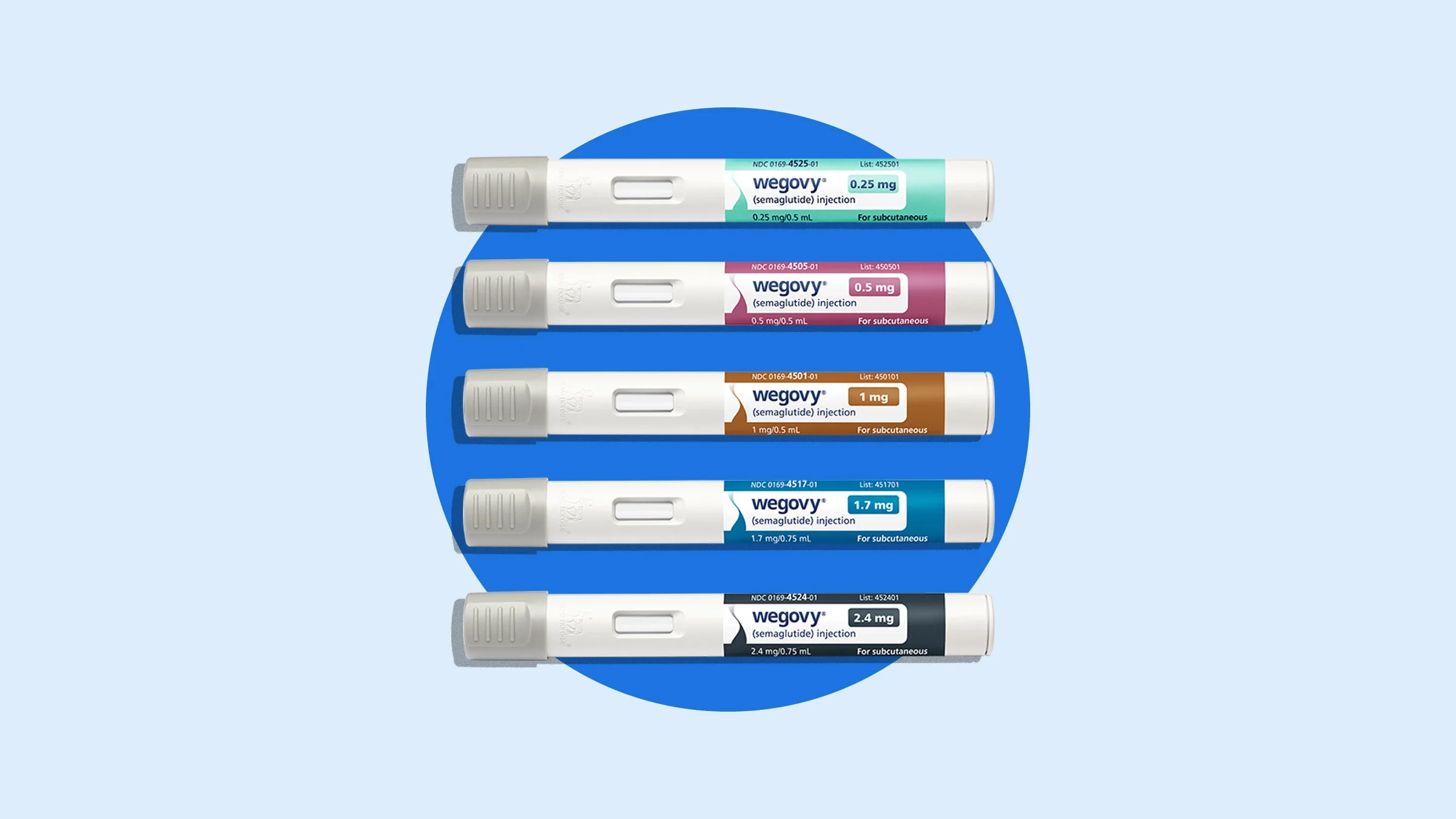
If refrigeration isn’t an option, some GLP-1 medications can be stored at room temperature for a limited time. Check the specific guidelines on your medication’s label to know how long it remains effective outside the fridge.
Keep the medication away from direct sunlight and heat sources. A cool, dark cabinet can work as a temporary alternative. Do you have a spot in your home that stays consistently cool?
Disposal Of Expired Glp-1
Expired GLP-1 medications should never be used or thrown in the regular trash. Improper disposal can pose health risks and environmental hazards.
Ask your pharmacist about medication take-back programs or follow local guidelines for safe disposal. Keeping expired medication out of reach of children and pets is also critical. How often do you check your medication’s expiration dates?
Credit: www.goodrx.com
Common Myths About Glp-1 Storage
Many people have questions about how to store GLP-1 medications properly. Some common myths create confusion. These myths can lead to mistakes in handling and storing the medication. Understanding the truth helps keep the medicine effective and safe to use.
Glp-1 Must Always Be Refrigerated
Not all GLP-1 drugs require constant refrigeration. Some types can stay at room temperature for several weeks. Storing them too cold or too warm may reduce their strength. Always check the specific storage instructions on the packaging.
Exposure To Room Temperature Ruins Glp-1
Short periods at room temperature usually do not harm GLP-1 medications. Many products allow a certain time outside the fridge. This flexibility helps users carry and use the medicine easily.
Freezing Glp-1 Is Safe
Freezing GLP-1 drugs can damage their structure. It affects how well they work. Avoid freezing to keep the medication effective and safe.
Sunlight Does Not Affect Glp-1
Direct sunlight can break down GLP-1 medicines. Keep them in a cool, dark place away from light. This preserves the medicine’s quality and power.
Frequently Asked Questions
Does Glp-1 Medication Require Refrigeration?
Yes, most GLP-1 medications need refrigeration before use to maintain effectiveness. Always check the manufacturer’s instructions for specific storage details.
Can Glp-1 Be Stored At Room Temperature?
GLP-1 can often be kept at room temperature for a limited time, usually up to 30 days. Avoid exposure to heat or direct sunlight.
What Happens If Glp-1 Is Not Refrigerated?
If not refrigerated properly, GLP-1 may lose potency and become less effective. This can affect blood sugar control and treatment outcomes.
How To Store Glp-1 Pens After First Use?
After first use, GLP-1 pens are usually stored at room temperature. Refer to the medication guide for exact duration and temperature limits.
Conclusion
GLP-1 medications need proper storage to stay effective. Keep them refrigerated before use to protect the medicine. Avoid freezing or overheating, as this can damage the drug. Once opened, follow the instructions for room temperature use. Proper care helps maintain the medicine’s strength.
This ensures safe and effective treatment. Always check the label for specific storage details. Storing GLP-1 correctly supports your health and treatment goals. Simple steps make a big difference.