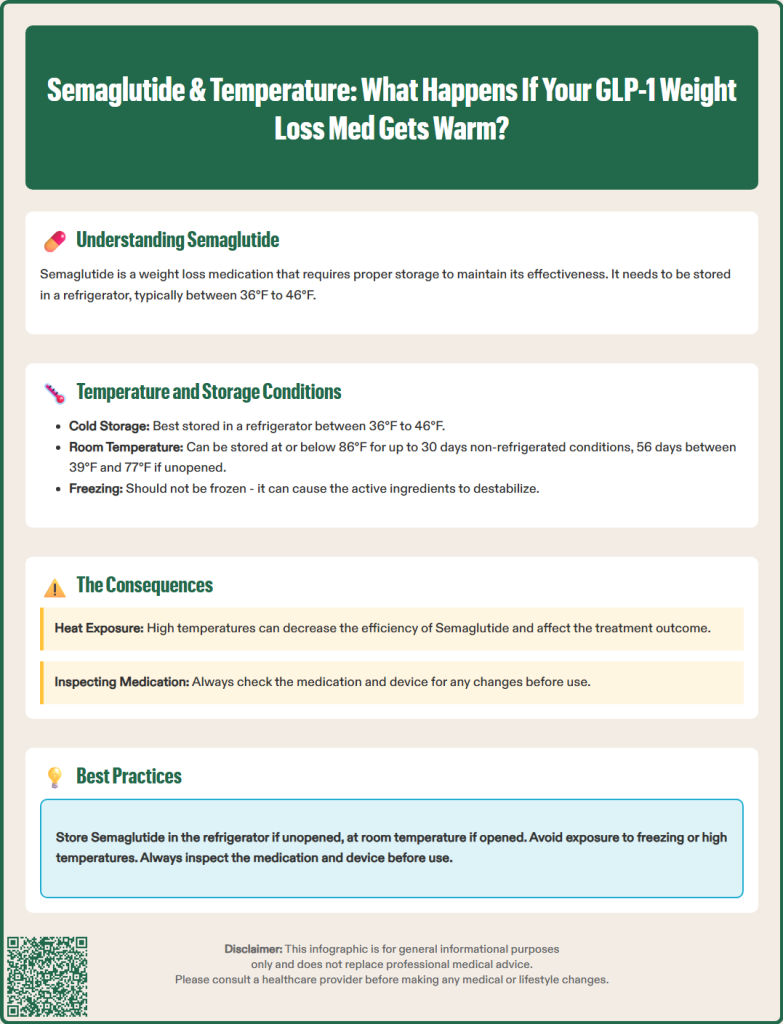
Have you ever wondered about the proper storage for your medication? If you or someone you know is using GLP-1 medications, you might be asking yourself whether these need to be refrigerated.
Understanding the correct way to store your medicine is crucial for maintaining its effectiveness. Imagine the peace of mind you’ll have knowing your medication is stored correctly, ensuring it works as intended. We’re diving deep into whether GLP-1 needs to be refrigerated, providing you with clear and concise information.
This could be the key to making sure you’re getting the most out of your treatment. Curious to learn more? Let’s explore this important topic together.
Credit: www.goodrx.com
Glp-1 Overview
Understanding GLP-1 is key to managing certain health conditions effectively. Many people have questions about this hormone and its related medications, especially regarding storage and usage. Let’s break down the essentials so you can make informed decisions about your treatment.
What Is Glp-1?
GLP-1 stands for glucagon-like peptide-1, a hormone your body naturally produces. It helps regulate blood sugar by stimulating insulin release after you eat. It also slows down stomach emptying, which can reduce appetite and help control weight.
Knowing how GLP-1 works can change how you view your treatment options. Have you noticed how sometimes your appetite changes after meals? That’s GLP-1 playing a role in your body’s response.
Common Forms Of Glp-1 Medications
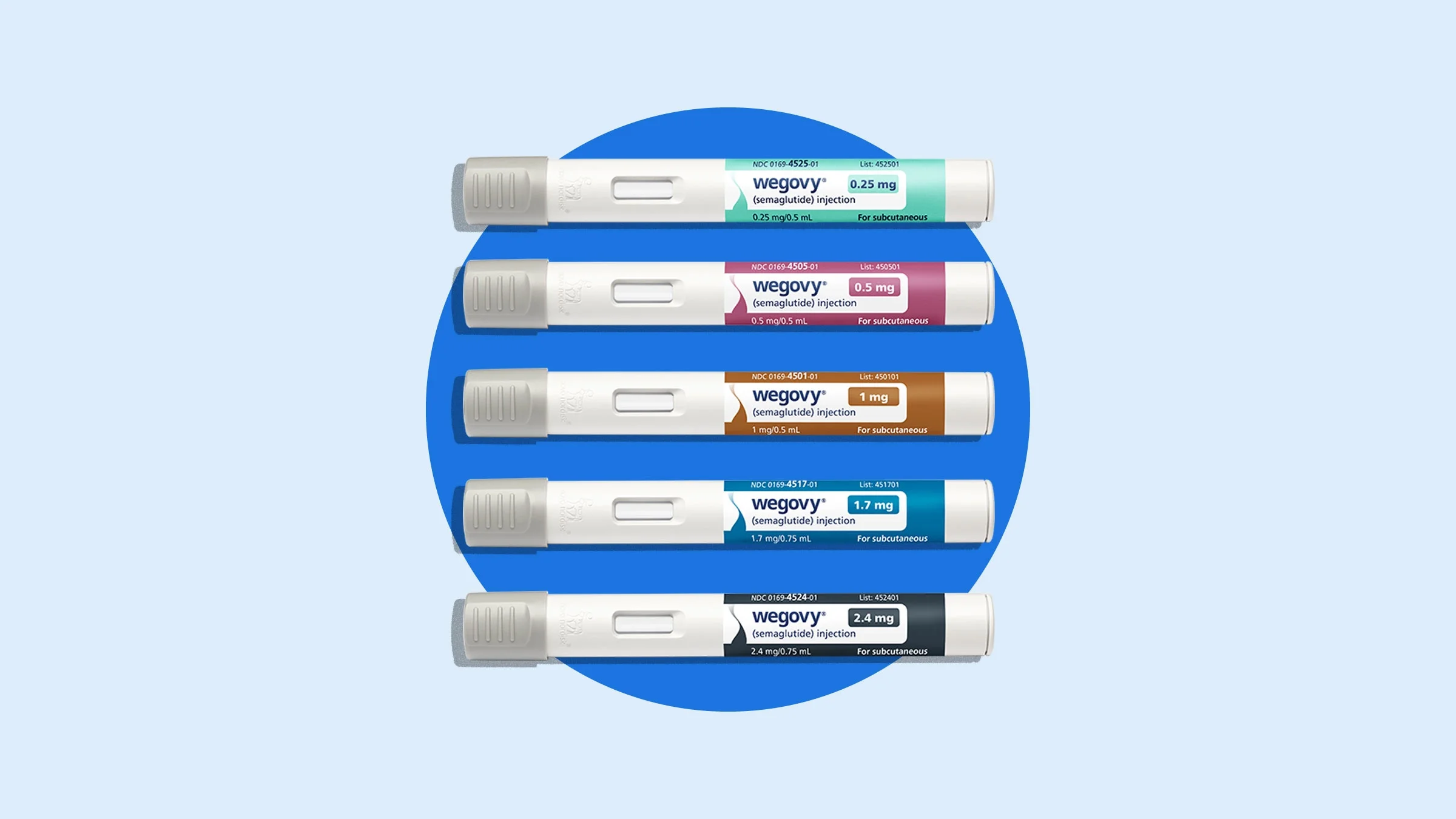
GLP-1 medications come in different forms, mainly injectable and oral versions. The injectable types are often pens you use daily or weekly, while oral pills are newer but gaining popularity.
- Injectable GLP-1:Examples include liraglutide and semaglutide. These require careful handling and sometimes refrigeration.
- Oral GLP-1:Semaglutide is available as a pill, offering convenience without injections.
Choosing the right form depends on your lifestyle and how your body responds. Have you talked with your healthcare provider about which type fits you best?
Storage Requirements
Proper storage of GLP-1 medications is crucial to maintain their effectiveness and safety. You might wonder if refrigeration is necessary or if room temperature is enough. Understanding how to store these medications correctly can save you from wasting expensive prescriptions and ensure your treatment works as intended.
Why Temperature Matters
Temperature directly affects the stability of GLP-1 drugs. These medications contain proteins that can break down if exposed to heat or extreme cold. If they degrade, they may lose potency, meaning you won’t get the full benefit from your dose.
Have you ever noticed a change in the appearance of your medication? Cloudiness or discoloration can signal that the drug isn’t safe to use. Keeping your GLP-1 within recommended temperature ranges protects its structure and your health.
Manufacturer Guidelines
Every GLP-1 product comes with specific storage instructions from its manufacturer. Most require refrigeration between 2°C and 8°C (36°F to 46°F) before opening. This keeps the medication stable and effective for the intended shelf life.
Once opened, some GLP-1 medications can be stored at room temperature for a limited time, usually 30 days. However, this varies by brand, so always check the packaging or patient leaflet for exact details.
- Never freeze GLP-1 drugs, as freezing can damage the medication irreversibly.
- Protect the medication from direct sunlight and heat sources.
- Use a dedicated medicine fridge or a cool spot in your refrigerator.
Ignoring these guidelines can reduce your medication’s effectiveness and disrupt your treatment plan. Have you checked your medication’s label recently to confirm how to store it properly?
Refrigeration Details
Understanding the refrigeration requirements of GLP-1 medications is important for maintaining their effectiveness. Proper storage helps keep the medicine stable and safe to use. This section explains when refrigeration is necessary and how to store GLP-1 both before and after opening.
When Refrigeration Is Needed
GLP-1 medications often require refrigeration to stay effective. Most brands should be kept between 2°C and 8°C (36°F to 46°F). This cold temperature prevents the medicine from breaking down.
Some GLP-1 products can be kept at room temperature for a limited time. Always check the packaging or leaflet for specific guidance.
How To Store Unopened Glp-1
Unopened GLP-1 pens or vials should be stored in the fridge. Keep them away from the freezer compartment to avoid freezing. Freezing can damage the medicine and make it unsafe.
Store the medication in its original box. This protects it from light and moisture. Avoid storing near the fridge door where temperature changes often.
Storing After First Use
After opening, some GLP-1 medications can stay at room temperature. Usually, this period lasts between 14 to 30 days. Follow the specific instructions on the package carefully.
Keep the pen or vial capped to stop contamination. Store it in a cool, dry place away from direct sunlight. Do not refrigerate again once taken out for use, unless the instructions say so.

Credit: www.reddit.com
Consequences Of Improper Storage
Improper storage of GLP-1 medications can lead to serious consequences. You might think leaving your medication out of the fridge just once won’t matter, but even small lapses can affect its quality. Understanding these risks helps you protect your health and get the most out of your treatment.
Effect On Medication Efficacy
GLP-1 drugs are sensitive to temperature changes. When stored incorrectly, their chemical structure can break down, reducing effectiveness. This means the medication might not work as well to control your blood sugar, potentially leading to unstable levels.
Have you ever noticed a difference in how your medication feels or works after being left out? That could be a sign it lost potency. Using a less effective dose can delay your progress and complicate your diabetes management.
Potential Safety Risks
Improper storage doesn’t just affect how well GLP-1 works—it can also pose safety risks. When the medication degrades, it might cause unexpected side effects or allergic reactions. You could experience irritation at the injection site or more serious issues if impurities form.
Ignoring storage guidelines might seem harmless, but it can lead to health problems that are easily avoidable. Are you confident that your medication storage habits are safe? Taking simple steps to keep your GLP-1 in the right conditions protects you from unnecessary risks.
Tips For Safe Storage
Proper storage of GLP-1 medications helps keep them effective and safe. Careful handling preserves their quality and prevents spoilage. Follow these tips to store GLP-1 correctly at home and on the go.
Ideal Storage Conditions
Store GLP-1 in the refrigerator between 2°C and 8°C (36°F and 46°F). Keep it away from direct light and moisture. Avoid freezing; it can damage the medication.
Once opened, some GLP-1 pens can stay at room temperature. Check the label for specific instructions. Use the medication within the recommended time after opening, usually 30 days.
Travel And Glp-1 Storage
Carry GLP-1 in a cool bag or insulated case during travel. Avoid leaving it in hot cars or direct sunlight. Use a thermometer pack if possible to monitor temperature.
If refrigeration is unavailable, store GLP-1 at room temperature but never above 30°C (86°F). Plan trips carefully to avoid long exposure to heat.
Handling And Disposal
- Wash hands before handling the injection pen or vial.
- Use each dose with a new, sterile needle.
- Dispose of needles safely in a sharps container.
- Do not reuse or share needles to prevent infection.
- Dispose of expired or unused medication according to local guidelines.

Credit: vitalismedicalweightlossclinic.com
Common Myths About Glp-1 Storage
Many people have wrong ideas about how to store GLP-1 medications. These myths cause confusion and sometimes lead to improper storage. Understanding the facts helps keep the medication effective and safe.
Refrigeration Myths
Some believe GLP-1 must always be kept in the fridge. While refrigeration can extend its life, some forms remain stable at room temperature for short times. Not all GLP-1 drugs need constant cold storage.
Storing GLP-1 too cold or freezing it may damage the medicine. Always check the specific storage instructions on the label or leaflet. Avoid exposing the medication to heat or direct sunlight.
Shelf Life Misconceptions
Many think GLP-1 loses all power after the expiration date. The shelf life depends on storage conditions and the product type. Improper storage can shorten the effective period.
Some GLP-1 injections can be used for a limited time after opening, even outside the fridge. Always follow guidelines for opened medication. Using expired or improperly stored GLP-1 may reduce its benefits or cause harm.
Frequently Asked Questions
Does Glp-1 Medication Require Refrigeration?
Yes, most GLP-1 medications need refrigeration before first use to maintain potency. After opening, some can be stored at room temperature for a limited time. Always check the specific medication guidelines for storage instructions.
Can Glp-1 Pens Be Kept Outside The Fridge?
GLP-1 pens can be kept outside the fridge for a short period, usually 30 days. Prolonged exposure to heat or direct sunlight can reduce effectiveness. Follow the storage instructions provided by the manufacturer.
What Happens If Glp-1 Is Not Refrigerated?
If GLP-1 is not refrigerated as recommended, it may lose effectiveness. This can affect blood sugar control and treatment results. Always store GLP-1 according to the label to ensure safety and efficacy.
How To Store Glp-1 After First Use?
After first use, most GLP-1 pens can be stored at room temperature up to 30 days. Keep them away from heat, moisture, and direct light. Always check the medication leaflet for precise storage guidelines.
Conclusion
GLP-1 medications usually need to be kept cold. Store them in the refrigerator to keep them fresh. Avoid freezing or keeping them in very hot places. Once opened, some can stay at room temperature for a limited time. Always check the instructions that come with your medicine.
Proper storage helps the medicine work well and stay safe. Remember, good care means better results. Keep your GLP-1 in the right place and follow the guidelines carefully. This simple step protects your health and supports your treatment.