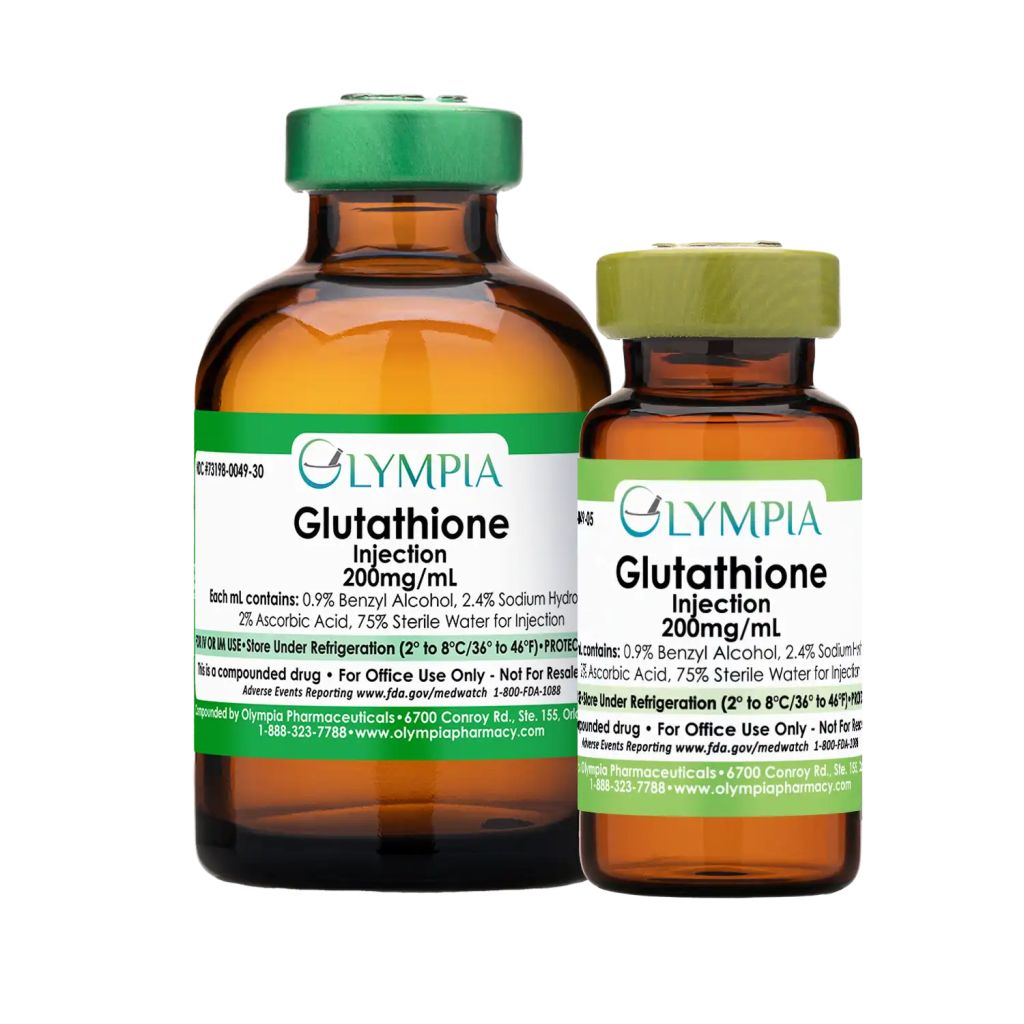
Have you ever wondered if you’re storing your glutathione correctly? You’re not alone.
The question of whether glutathione needs to be refrigerated is one that puzzles many who rely on this powerful antioxidant for its numerous health benefits. You want to ensure that you’re getting the most out of your supplement, right? But improper storage could mean reduced effectiveness.
Imagine investing in something beneficial for your health, only to lose its potency because of a simple storage mistake. You’ll discover the truth about glutathione storage and how to maximize its effectiveness, ensuring you reap all the health benefits it promises. Stay with us, because what you learn could make all the difference.
Glutathione Basics
Understanding the basics of glutathione helps clarify how to store it properly. This powerful antioxidant plays many roles in the body. Knowing its nature and uses guides better handling and storage decisions.
What Is Glutathione
Glutathione is a small molecule made of three amino acids. It acts as a key antioxidant inside cells. It protects cells from damage caused by free radicals and toxins. The body produces it naturally in the liver and other tissues. Levels can drop due to stress, illness, or aging.
Common Uses
- Supports the immune system
- Helps detoxify the liver
- Improves skin health and appearance
- Boosts energy by aiding cell function
- Reduces oxidative stress linked to aging
Storage Requirements
Proper storage plays a key role in keeping glutathione effective. It is sensitive to changes in temperature and light. Understanding how to store it ensures it remains potent and safe to use. Below are important factors to consider for storing glutathione properly.
Ideal Temperature Range
Glutathione needs to be stored in a cool place. The best temperature range is between 2°C and 8°C (36°F to 46°F). This range slows down the breakdown of the compound. Storing glutathione at room temperature can reduce its shelf life. Freezing is not recommended as it may alter its structure. Keep it away from heat sources like ovens or direct sunlight.
Effect Of Heat And Light
Heat can cause glutathione to lose its strength quickly. Light exposure, especially sunlight, also degrades the compound. Both heat and light trigger oxidation, which breaks down glutathione molecules. Use dark or opaque containers to protect it from light. Store the container in a dark cupboard or refrigerator. Avoid leaving glutathione in places where temperature and light fluctuate often.
Refrigeration Benefits
Refrigerating glutathione offers clear benefits that can make a real difference in how well this supplement works for you. Keeping it cool isn’t just about storage; it actively helps maintain its quality over time. Let’s look at how refrigeration affects its potency and shelf life.
Preserving Potency
Glutathione is sensitive to heat and light, which can break down its active compounds. Storing it in the refrigerator slows this process, helping the supplement stay strong and effective. If you want to get the most out of every dose, refrigeration can keep the glutathione potent for longer.
Think about your own experience—have you noticed supplements losing their effectiveness after a few weeks? That might be due to improper storage. By refrigerating glutathione, you reduce this risk and ensure consistent results.
Extending Shelf Life
Temperature control is crucial for extending the shelf life of many supplements, including glutathione. Refrigeration helps prevent degradation caused by heat and humidity, meaning your bottle lasts beyond the printed expiration date. This can save you money and reduce waste.
Is it worth the small effort to keep your glutathione chilled? Considering how refrigeration can stretch its usability, it’s a simple step that can lead to better health outcomes and less frequent repurchasing.

Credit: www.healthkart.com
When Refrigeration Is Not Needed
Not all glutathione products demand refrigeration to stay effective. Understanding when refrigeration is unnecessary can save you effort and prevent unnecessary storage concerns.
Stable Formulations
Some glutathione supplements are specially designed to be stable at room temperature. These formulations often include protective ingredients that prevent oxidation and degradation.
If you pick a well-packaged, stable form—like certain liposomal glutathione—you might not need to refrigerate it. Check the label or ask your pharmacist for guidance on stability.
Have you noticed how some vitamin supplements last longer without cooling? This is often due to their stable composition, which applies to select glutathione products as well.
Short-term Storage
If you plan to use glutathione within a few days or up to a week, refrigeration might not be necessary. Short-term storage at room temperature usually won’t harm the product.
For example, when I kept a glutathione vial on my bathroom shelf for five days, its potency remained intact. However, longer storage without cooling can reduce effectiveness.
Ask yourself: how long will you store your glutathione before use? If the answer is less than a week, room temperature storage can be perfectly fine.
Practical Storage Tips
Storing glutathione correctly is key to maintaining its effectiveness. Small changes in how you handle and keep it can make a big difference in its shelf life and potency. Let’s look at some practical tips that you can apply right away to protect your glutathione.
Sealing And Packaging
Always keep glutathione in its original container if possible. These containers are designed to limit exposure to air and light, which can degrade the compound.
Make sure the lid is tightly sealed after each use. Even a slight opening lets in moisture and oxygen that reduce glutathione’s strength.
If you transfer it to another container, choose one that is airtight and opaque. This helps block out light and keeps the product dry.
Avoiding Contamination
Use clean, dry hands or tools when handling glutathione powder or capsules. Introducing moisture or dirt can encourage bacteria growth and spoil the product faster.
Have you noticed how sometimes powders clump when exposed to moisture? That’s a clear sign of contamination. Avoid dipping fingers directly into the container.
Instead, use a dry spoon or scoop to take what you need. This small habit protects your glutathione and ensures each dose stays pure and effective.

Credit: just-glow.com
Travel And On-the-go Storage
Traveling with glutathione requires careful handling to keep it effective. Its stability depends on proper storage, especially on the go. Many people wonder how to carry it safely without losing its quality. Understanding the best ways to store glutathione during travel helps maintain its potency.
Portable Solutions
Small, insulated containers work well for carrying glutathione. These containers protect the product from light and air. Using travel-size coolers or insulated pouches is ideal. Some people use ice packs to keep the temperature low. Avoid storing glutathione in direct sunlight or hot places. Carrying glutathione in its original packaging adds extra protection.
Temperature Control
Glutathione is sensitive to heat and moisture. Maintaining a cool temperature preserves its strength. Keep it below room temperature, ideally between 2°C and 8°C (36°F and 46°F). Avoid freezing as it may damage the product. Check the temperature regularly if possible. Use a small thermometer in your travel bag to monitor conditions. Proper temperature control ensures glutathione remains effective during your trip.
Signs Of Spoiled Glutathione
Knowing the signs of spoiled glutathione is crucial for maintaining its effectiveness and ensuring your safety. Spoiled glutathione can lose its beneficial properties and may even pose health risks. Paying attention to subtle changes can help you decide when it’s time to replace your product.
Color And Smell Changes
Glutathione usually comes as a white or off-white powder or in clear liquid form. If you notice any yellowing, darkening, or unusual discoloration, it’s a strong sign that the product has spoiled.
Smell is another important clue. Fresh glutathione typically has a mild or neutral scent. A sour, rancid, or chemical odor indicates degradation and contamination. Have you ever opened a supplement and immediately sensed something off? Trust your nose—it rarely lies.
Reduced Effectiveness
One of the trickiest signs of spoiled glutathione is when it just stops working as expected. You might feel less energy or notice your skin isn’t responding the same way to its antioxidant benefits.
Supplements don’t often come with instant feedback, but if you’ve been consistent and see no improvement, consider the product’s age and storage conditions. Has it been exposed to heat or humidity? These factors can reduce glutathione’s potency over time.
Ask yourself: Are you still getting the results you hoped for? If not, it might be time to check for spoilage or consider a fresh batch stored properly.

Credit: www.amazon.com
Frequently Asked Questions
Does Glutathione Need Refrigeration After Opening?
Yes, glutathione supplements should be refrigerated after opening. This helps maintain their potency and prevents degradation from heat and light exposure.
Can Glutathione Be Stored At Room Temperature?
Glutathione can be stored at room temperature if unopened. Once opened, refrigeration is recommended to preserve its effectiveness and shelf life.
How Long Does Refrigerated Glutathione Last?
Refrigerated glutathione typically lasts 3 to 6 months. Always check the expiration date and storage instructions on the product label for accuracy.
What Happens If Glutathione Is Not Refrigerated?
Not refrigerating glutathione after opening may reduce its effectiveness. Heat and air exposure can break down the compound, making it less potent.
Conclusion
Glutathione often needs refrigeration to stay fresh and effective. Keeping it cold slows down breakdown and keeps its quality high. Storing glutathione at room temperature may reduce its strength faster. Always check the product label for specific storage advice. Proper storage helps you get the best results from glutathione.
Small steps like this protect your investment and health. So, remember: cool storage is key for glutathione’s power.