
Have you ever wondered if Goober needs to be refrigerated after opening? You’re not alone.
Many people enjoy this tasty treat but aren’t sure how to store it properly. Getting it wrong could spoil your favorite snack or change its flavor. You’ll discover exactly how to keep your Goober fresh and delicious every time. Keep reading to learn the simple tips that will save you money and avoid waste.
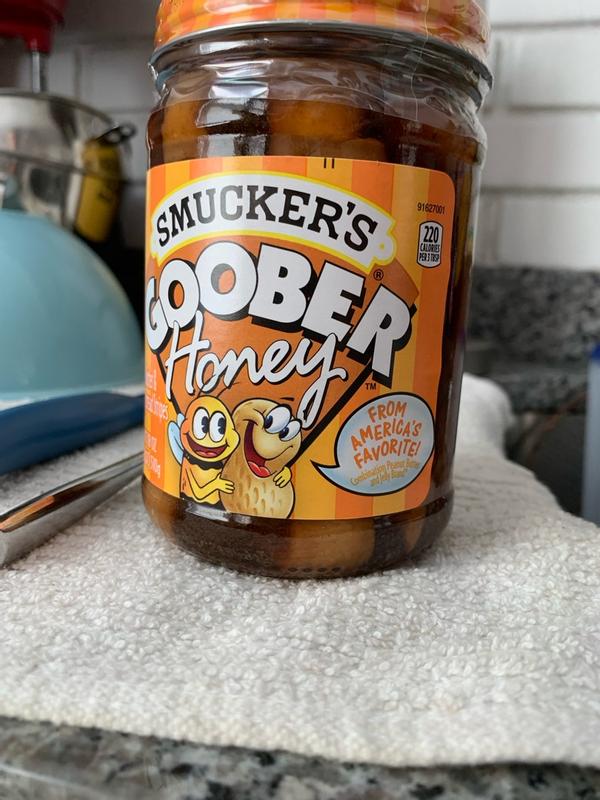
Credit: www.smuckers.com
Goober Basics
Goober is a popular food item loved by many. It combines two favorite spreads into one jar. This makes it a convenient choice for snacks and meals. Understanding what Goober is helps decide how to store it properly. Knowing its common uses shows why it is a kitchen staple.
What Is Goober?
Goober is a mix of peanut butter and jelly. Both layers sit side by side in one container. This unique design allows easy spreading without needing two jars. It usually comes in grape or strawberry jelly flavors. The texture combines creamy peanut butter with sweet jelly. This blend makes Goober a tasty and quick option for sandwiches.
Common Uses
Goober is mainly used for sandwiches. It saves time by combining two spreads. People also use it as a dip for fruits or crackers. It works well in lunchboxes for kids and adults. Some use Goober in baking recipes for extra flavor. Its dual layers add both crunch and sweetness to many dishes.
Shelf Stability
Understanding shelf stability is key when deciding if Goober needs refrigeration. Shelf stability refers to how long a product can last without spoiling while stored at room temperature. This depends heavily on what’s inside the product and how it’s made.
Ingredients Impact
The ingredients in Goober play a huge role in its shelf life. Peanut butter, the main component, is naturally shelf-stable due to its low moisture and high oil content. However, when jelly or jam is added, the story changes.
Jelly contains sugars and fruit acids that help preserve it, but also bring moisture, which can encourage mold growth if not handled properly. Some Goober jars include preservatives that extend shelf life, while others rely purely on refrigeration to stay fresh.
Have you ever noticed how some peanut butter and jelly jars last months unopened without refrigeration, but once opened, they start to change quickly? That’s the moisture and air exposure at work.
Commercial Vs Homemade
Commercial Goober products are designed for longer shelf stability. They often include stabilizers, preservatives, and are sealed in airtight packaging. This lets you store them in your pantry until opened.
Homemade versions, on the other hand, usually lack these additives. Without preservatives or vacuum-sealing, homemade Goober needs refrigeration to prevent spoilage. The natural sugars and fruit in homemade jelly can ferment or grow mold if left out too long.
Think about your own kitchen—have you ever made peanut butter and jelly at home and wondered how long it would last? Chances are you put it in the fridge pretty quickly to keep it safe.
Refrigeration Rules
Understanding the refrigeration rules for Goober can save you from spoiled snacks and wasted money. Goober, a blend of peanut butter and jelly, may seem stable at room temperature, but its ingredients can behave differently once opened. Knowing when and why to refrigerate it keeps your spread fresh and tasty.
When To Refrigerate
If your Goober jar is unopened, it’s usually safe to keep it in a cool, dry place like a pantry. Once opened, however, refrigeration becomes important to prevent mold growth and maintain the best flavor.
Here are key moments you should refrigerate your Goober:
- After opening the jar to slow down spoilage.
- If you live in a warm or humid climate where bacteria and mold grow faster.
- If the product label specifically advises refrigeration.
Have you ever left Goober out and noticed a change in texture or taste? That’s a sign your spread needs to be chilled.
Signs It Needs Cooling
Sometimes, you might forget to refrigerate Goober right away. How can you tell when it’s time to put it in the fridge?
- Change in Smell:A sour or off odor signals bacterial growth.
- Texture Change:If the jelly part separates or the peanut butter becomes unusually oily or dry, it’s a warning sign.
- Visible Mold:Any mold spots on the surface mean immediate refrigeration or disposal.
When you notice these signs, don’t hesitate to refrigerate your Goober. Your taste buds—and your health—will thank you.
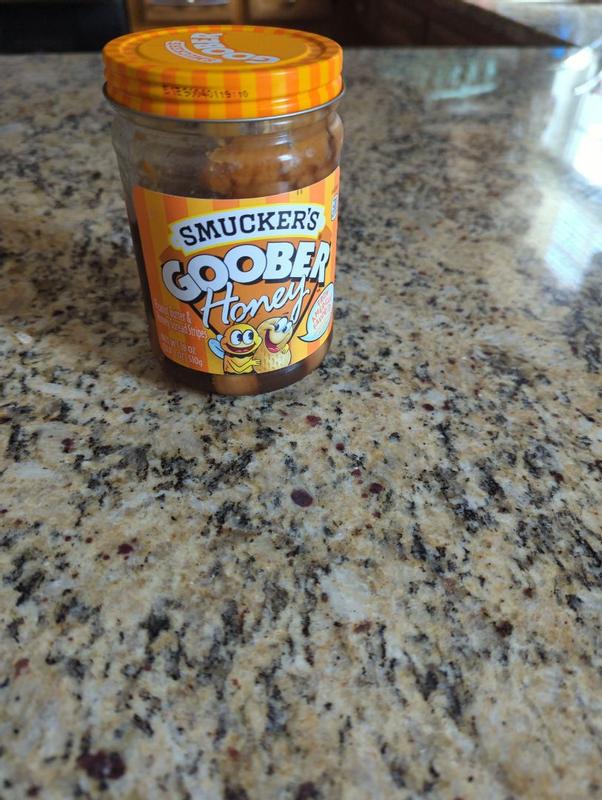
Credit: www.smuckers.com
Storage Tips
Proper storage is key to keeping your Goober fresh and tasty. Knowing how to store it can save you from wasting food and ensure you enjoy every spoonful. Let’s look at some smart ways to keep your Goober in top shape.
Ideal Containers
Choose containers that seal tightly to keep air out. Glass jars with screw-on lids or BPA-free plastic containers work well. Avoid containers that let moisture or odors seep in, as Goober can absorb unwanted smells.
Clear containers help you see when your Goober starts to change color or texture. If you use the original jar, make sure to close it firmly after each use to maintain freshness.
Avoiding Contamination
Always use a clean, dry spoon when scooping Goober. Introducing crumbs, moisture, or dirty utensils can cause mold or spoilage faster. Think about how you handle the jar in your kitchen—are your hands clean and dry?
Keep the container away from direct sunlight and heat sources. Heat can cause separation and spoilage. A cool, dark cupboard or your refrigerator door (if refrigerated) is often the best spot.
Shelf Life Insights
Understanding the shelf life of Goober helps you enjoy it at its best. Proper storage keeps the peanut butter and jelly mixture fresh longer. Knowing the difference between unopened and opened shelf life is key. Also, simple steps can help extend Goober’s freshness once opened.
Unopened Vs Opened
Unopened Goober jars can last for months. The seal keeps air and bacteria out. This preserves taste and texture well. Always check the “best by” date on the label. Store unopened jars in a cool, dry place away from sunlight.
Once opened, Goober’s shelf life shortens. Exposure to air and moisture can cause spoilage. Keep it sealed tightly after each use. Usually, opened jars stay fresh for about one to two months at room temperature. Refrigeration can help extend this time.
Extending Freshness
Refrigeration slows down spoilage and keeps Goober fresh longer. Store the jar in the fridge after opening. Use a clean spoon to avoid contamination. Avoid leaving the jar open for long periods.
Keep Goober away from strong odors in the fridge. The mixture can absorb smells easily. Also, do not double dip to prevent bacteria growth. Following these tips ensures Goober stays tasty and safe to eat.
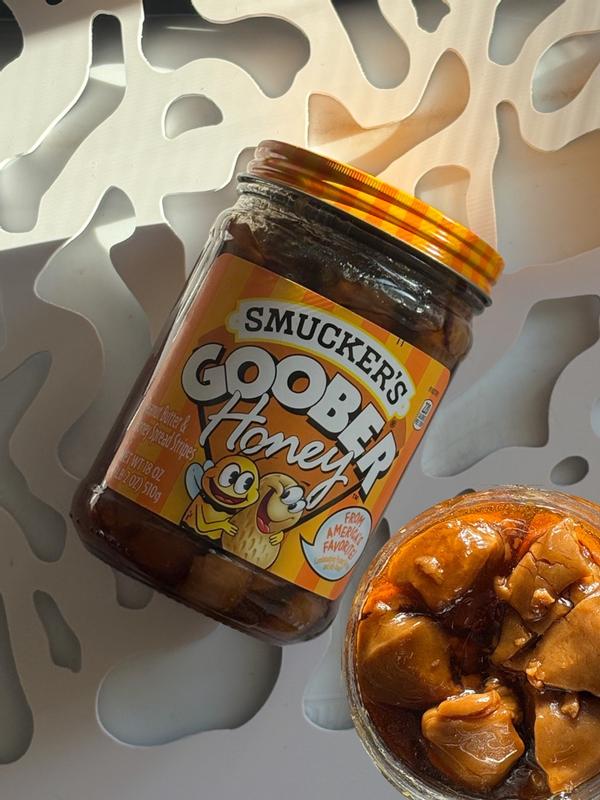
Credit: www.smuckers.com
Common Mistakes
Many people make simple mistakes when storing Goober, which can affect its taste and safety. These errors often come from misunderstandings about whether it needs refrigeration or how to handle it properly. Avoiding these common pitfalls can keep your Goober fresh and delicious for longer.
Storage Errors
One frequent mistake is leaving Goober out at room temperature for too long. While unopened jars may be fine on the shelf, once opened, exposure to air and warmth can cause spoilage faster than you expect.
Another error is not sealing the jar tightly after use. Even a small gap allows moisture and bacteria to enter, which spoils the product. Have you ever noticed a change in smell or texture? That’s usually a sign of poor storage.
Storing Goober near strong-smelling foods is also a bad idea. It can absorb odors, affecting its flavor. Keep it away from onions, garlic, or spices in your fridge or pantry.
Handling Tips
- Always use a clean spoon to scoop out Goober. Double-dipping introduces germs that speed up spoilage.
- After each use, wipe the rim of the jar to remove residue that can harden or attract bacteria.
- Try to minimize how long the jar stays open. The less it is exposed to air, the fresher it stays.
Have you ever left your Goober out overnight only to find it separated or off the next day? That’s a clear sign you need better handling. Simple habits like these can make a big difference in keeping your spread safe and tasty.
Frequently Asked Questions
Does Goober Peanut Butter Need Refrigeration?
Goober peanut butter does not require refrigeration before opening. Once opened, refrigerate to maintain freshness and prevent oil separation. Storing it in the fridge extends shelf life and preserves flavor.
How Long Does Goober Last Unrefrigerated?
Unopened Goober can last several months unrefrigerated in a cool, dry place. After opening, consume within 1-2 months if kept unrefrigerated. Refrigeration is recommended to keep it fresh longer.
Can Refrigeration Affect Goober’s Texture?
Yes, refrigeration can make Goober firmer and harder to spread. Let it sit at room temperature before use for easier spreading. This helps maintain a smooth, creamy texture.
Is It Safe To Eat Unrefrigerated Goober?
Yes, eating unrefrigerated Goober is safe if consumed within recommended time. Proper storage away from heat and sunlight prevents spoilage. Always check for off smells or mold before use.
Conclusion
Goober’s storage depends on your preference. Refrigeration keeps it fresh longer. Some enjoy it at room temperature. It might change texture. But taste remains delightful. Always check the label for instructions. That ensures the best storage method. Whether chilled or not, enjoy your Goober.
It’s versatile and tasty. Remember, freshness is key. Store it properly to keep its flavor. And satisfy your cravings whenever you want. Now, you know how to store Goober properly. Enjoy it in your favorite recipes.