
Are you wondering if your delicious Gouda cheese needs to be kept in the fridge? You might be surprised by the answer.
Proper storage can change the taste and texture of your cheese, and even how long it lasts. If you want to enjoy every bite of your Gouda without it going bad too fast, keep reading. This guide will help you understand the best way to store your cheese so it stays fresh and flavorful longer.
Don’t risk ruining your favorite snack—learn the simple tricks to keep your Gouda perfect every time.
Gouda Cheese Basics
Gouda cheese is a popular cheese known for its rich taste and creamy texture. It originated in the Netherlands and comes in various ages and styles. Understanding the basics of Gouda helps in knowing how to store it properly and enjoy its full flavor.
Types Of Gouda
- Young Gouda:Aged 1 to 3 months, mild and smooth.
- Mature Gouda:Aged 6 to 12 months, firmer with a stronger taste.
- Extra Aged Gouda:Aged over 12 months, hard texture and intense flavor.
- Smoked Gouda:Young or mature Gouda infused with a smoky aroma.
- Flavored Gouda:Mixed with herbs, spices, or spices like cumin or cloves.
Texture And Flavor Profile
Young Gouda is soft and creamy, easy to slice. It has a mild, buttery taste that many enjoy. Mature Gouda becomes harder and crumbly with crystals forming inside. Its flavor is nutty, caramel-like, and slightly sweet. Extra aged Gouda is firm and dry, with a sharp, intense flavor. Smoking adds a warm, rich aroma that enhances taste. Flavored Gouda offers unique, bold notes from added spices or herbs.
Storage Requirements
Proper storage is key to keeping Gouda cheese fresh and tasty. This cheese has unique qualities that affect how you store it. Understanding its storage needs helps prevent spoilage and maintains flavor. Let’s explore how to store Gouda correctly.
Refrigeration Necessity
Gouda cheese generally needs refrigeration to stay fresh. Without cold storage, it can spoil quickly. The fridge slows down bacteria growth and keeps the cheese safe to eat. Wrap it tightly to avoid drying out or absorbing other smells.
Some aged Gouda types can last a short time outside the fridge if kept cool and dry. But for best results, store Gouda in the refrigerator most of the time.
Ideal Temperature Range
The best temperature to store Gouda cheese is between 35°F and 45°F (2°C to 7°C). This range keeps the cheese firm but not too hard. It also preserves its creamy texture and rich flavor.
Keep Gouda away from freezer temperatures to avoid damage. Freezing changes its texture and can cause crumbly cheese. Store it in the cheese drawer or a sealed container to maintain the right humidity and temperature.
Storing Gouda Cheese
Gouda cheese should be stored in the refrigerator to keep it fresh and prevent spoilage. Wrapping it tightly in wax paper or plastic wrap helps maintain its moisture and flavor. Avoid leaving Gouda at room temperature for long periods.
Storing Gouda Cheese Gouda cheese, with its creamy texture and rich flavor, is a beloved choice for many cheese enthusiasts. Proper storage is key to maintaining its quality and taste. How you store your Gouda can make a significant difference in its longevity and flavor profile.Wrapping Techniques
Ensuring Gouda is wrapped properly is crucial to prevent it from drying out or absorbing unwanted odors. Cheese paper is often the best choice as it allows the cheese to breathe while maintaining the right moisture level. If cheese paper isn’t available, parchment paper or wax paper can be used as an alternative, followed by a loose wrap of plastic wrap to seal it.Containers And Materials
Choosing the right container for your Gouda can help preserve its freshness. Glass or plastic containers with tight-fitting lids work well to keep the cheese secure and prevent exposure to air. Alternatively, a dedicated cheese box can maintain the ideal humidity and temperature, ensuring your Gouda stays delicious for longer. Storing cheese may seem straightforward, but a little attention to detail can go a long way. Have you ever noticed a difference in taste when Gouda is stored correctly? Share your thoughts and tips in the comments below!
Credit: order.earthfare.com
Shelf Life And Freshness
Gouda cheese is known for its rich flavor and smooth texture. Its shelf life depends on storage conditions and packaging. Freshness impacts taste and safety. Proper care keeps Gouda tasty and safe to eat longer.
Unrefrigerated Gouda lasts shorter and may spoil quickly. Refrigeration slows down mold and bacteria growth. Understanding spoilage signs helps avoid eating bad cheese.
Signs Of Spoilage
- Visible mold that is fuzzy or colored (green, black, or white)
- Strong, unpleasant odor different from usual cheese smell
- Sticky or slimy texture on the surface
- Off taste or sourness when sampled
- Discoloration or dark spots on the cheese
Do not eat Gouda showing these signs. Mold on hard cheeses can sometimes be cut off, but soft spots mean discard.
Extending Gouda’s Longevity
- Wrap cheese tightly in wax paper or parchment paper
- Store wrapped cheese in an airtight container or resealable bag
- Keep Gouda in the refrigerator at 34-38°F (1-3°C)
- Avoid storing near strong-smelling foods to prevent flavor absorption
- Check cheese regularly for spoilage signs
Freezing Gouda is possible but may affect texture. Thaw slowly in the fridge before use. Proper storage ensures Gouda stays fresh and enjoyable for weeks.
Room Temperature Storage
Storing Gouda cheese at room temperature can be tempting, especially if you want it to soften and develop more flavor. But is it really safe to leave this cheese out? Understanding when and how to store Gouda outside the fridge can help you enjoy its taste without risking spoilage.
When It’s Safe To Skip Refrigeration
Hard and aged Gouda can handle a few hours at room temperature without losing quality. If you plan to eat the cheese within the same day, leaving it on the counter in a cool, dry place is usually fine.
Fresh or young Gouda, however, needs to stay chilled because it contains more moisture, which speeds up spoilage. If your Gouda is vacuum-sealed or tightly wrapped, you can keep it out for short periods during serving or preparation.
- Ideal room temperature for Gouda: 65-70°F (18-21°C)
- Exposure time outside fridge: up to 4-6 hours
- Keep cheese covered with a cloth or cheese dome
Have you noticed how your Gouda tastes better after sitting out for a bit? That’s because the flavors become more pronounced as the cheese warms up slightly.
Risks And Precautions
Leaving Gouda out too long can cause it to dry out, develop an unpleasant smell, or even grow mold. Room temperature storage is risky if the environment is warm or humid.
Always inspect your cheese before eating if it’s been out for several hours. Look for changes in color, texture, or any off smells. If you see white fuzzy mold, it’s often safe to cut off the affected area, but colored mold signals spoilage and should be discarded.
- Never leave Gouda out for more than 6 hours in warm conditions
- Store uncovered cheese in breathable materials like wax paper
- Return leftovers to the refrigerator promptly
Are you willing to risk flavor for safety? Keeping these precautions in mind helps you enjoy Gouda without surprises.
Freezing Gouda Cheese
Freezing Gouda cheese can be a handy way to extend its shelf life, especially if you’ve bought more than you can use right away. However, freezing affects this cheese differently than refrigeration. Understanding how to freeze Gouda properly and what changes to expect can help you enjoy it later without disappointment.
How To Freeze Properly
Start by cutting the Gouda into smaller portions that you plan to use at one time. This way, you avoid thawing and refreezing the entire block, which can damage the cheese.
Wrap each piece tightly in plastic wrap or aluminum foil. Then, place the wrapped pieces inside an airtight freezer bag to prevent freezer burn and protect the flavor.
Label the bags with the date before placing them in the freezer. Gouda cheese can typically be frozen for up to 6 months without a significant loss in quality.
Effect On Texture And Taste
Freezing Gouda may change its texture, making it crumbly and less smooth after thawing. This happens because the water inside the cheese forms ice crystals that break down its structure.
The taste usually remains good, but the cheese might lose some of its creamy richness. It’s best used in cooked dishes like casseroles or melted on sandwiches rather than eaten fresh after freezing.
Have you noticed your cheese becoming grainy after freezing? Try using it in recipes where texture matters less, so you don’t waste this delicious ingredient.
Serving Gouda Cheese
Serving Gouda cheese properly can elevate your tasting experience and highlight its rich, creamy flavors. How you present and prepare this cheese matters just as much as its storage. Let’s look at simple ways to serve Gouda that bring out the best in every bite.
Bringing To Room Temperature
Gouda cheese tastes best when it’s not straight from the fridge. Cold temperatures dull its flavors and texture, so let it sit at room temperature for about 30 to 60 minutes before serving. This allows the cheese to soften slightly and release its full aroma and taste.
If you’re short on time, cut the Gouda into smaller pieces to help it warm up faster. Ever noticed how cheese served too cold feels hard and less flavorful? Warming it up just right makes a big difference.
Pairing And Presentation Tips
Think about what you want to pair with your Gouda. It works wonderfully with fruits like apples, pears, and grapes, which add a fresh, sweet contrast. Nuts such as almonds or walnuts also complement its creamy texture.
- Serve with crusty bread or crackers to add a crunchy element.
- Try honey or fig jam for a touch of sweetness that balances the cheese’s nuttiness.
- Pair with wines like Chardonnay or Merlot to enhance the overall flavor experience.
Presentation matters too. Slice Gouda into thin wedges or cubes to make it easy for guests to enjoy. Arrange your pairings thoughtfully on a wooden board or a colorful platter to make the experience inviting.
What unique pairings have you tried with Gouda? Sometimes a surprising combination can turn a simple snack into a memorable treat.
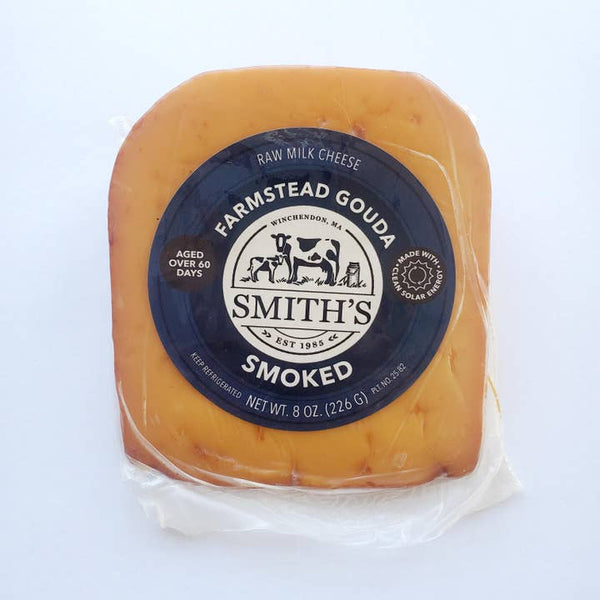
Credit: patspastured.com

Credit: www.cookist.com
Frequently Asked Questions
Does Gouda Cheese Need Refrigeration After Opening?
Yes, Gouda cheese should be refrigerated after opening to maintain freshness. Keep it wrapped tightly in wax paper or plastic wrap to prevent drying out and preserve flavor.
Can Gouda Cheese Be Stored At Room Temperature?
Unopened Gouda can be stored at room temperature for short periods. However, once opened, refrigeration is necessary to avoid spoilage and bacterial growth.
How Long Does Gouda Cheese Last In The Fridge?
Refrigerated Gouda cheese lasts about 2 to 3 weeks when properly stored. Always check for mold or off smells before consumption.
What Is The Best Way To Store Gouda Cheese?
Wrap Gouda cheese in wax or parchment paper, then place it in a plastic bag or airtight container. Store in the fridge’s cheese drawer for best results.
Conclusion
Gouda cheese stays fresh longer when kept cold. Always store it in the refrigerator. Wrap it tightly in plastic or wax paper. This helps keep moisture and flavors inside. Avoid leaving Gouda out for many hours. Warm temperatures can make it spoil fast.
Enjoy your cheese by keeping it cool and sealed. This way, it tastes good every time you eat it. Remember, proper storage means less waste and more flavor. Simple steps keep your Gouda perfect for snacking or cooking.