Are you wondering if GreenPan cookware contains Teflon? If you care about what’s in your pans and how it affects your health and cooking, this question is important.
You want to make safe, smart choices for your kitchen. You’ll discover the truth about GreenPan’s coatings, what makes them different, and why it matters for you and your family. Keep reading to find out if GreenPan is the right choice for your cooking needs.

Credit: www.amazon.ca
Greenpan Nonstick Technology
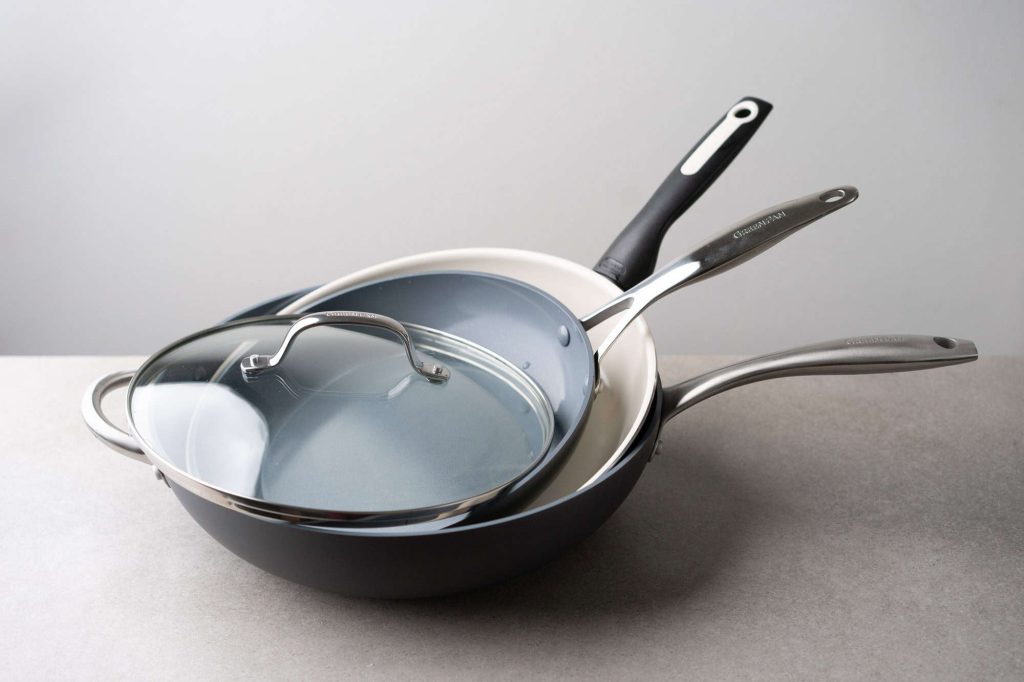
Greenpan offers cookware with nonstick surfaces. It uses a special ceramic coating instead of traditional chemicals.
This technology aims to provide easy cooking and cleaning without harmful substances.
Ceramic Coating Basics
Ceramic coating is made from natural materials like sand. It creates a hard, smooth surface on cookware.
This coating prevents food from sticking. It also handles high heat better than some other coatings.
Differences From Teflon
Teflon is a brand name for a chemical called PTFE. Greenpan’s ceramic coating does not use PTFE or PFOA.
Ceramic coatings are more natural and often safer at high temperatures. Teflon can release fumes if overheated.
- Greenpan uses ceramic, not Teflon
- Ceramic is made from natural materials
- Teflon contains synthetic chemicals
- Ceramic handles higher heat safely
- Teflon may release fumes if too hot
Credit: www.hungryhuy.com
Teflon Composition And Concerns
Teflon is a popular material used in non-stick cookware. Many people want to know if Greenpan uses Teflon in their products.
This article explains what Teflon is made of and the health and environmental concerns linked to it.
What Is Teflon Made Of
Teflon is a brand name for a chemical called polytetrafluoroethylene, or PTFE. It is a plastic coating that prevents food from sticking to pans.
PTFE is made from carbon and fluorine atoms. These atoms form a strong, slippery surface that is heat resistant.
Health And Environmental Issues
Some concerns exist about Teflon and chemicals used in its making. One chemical, called PFOA, was used in the past to help make Teflon.
PFOA may cause health problems and can stay in the environment for a long time. Many companies stopped using it in 2015.
- Heating Teflon pans above 500°F can release fumes
- These fumes may cause flu-like symptoms in people
- Old Teflon cookware may contain harmful chemicals
- Proper use and care reduce risks
Greenpan Safety Features
Greenpan cookware focuses on safety by using materials free from harmful chemicals. Their pans avoid Teflon and other toxic coatings.
This helps keep food safe during cooking and reduces health risks from chemical exposure.
Materials Used
Greenpan uses a ceramic non-stick coating instead of Teflon. This coating comes from natural minerals.
The pans have an aluminum body for even heat and durability. No PFOA, PFAS, lead, or cadmium is in the coating.
- Ceramic non-stick coating made from sand-based minerals
- Aluminum core for fast and even heating
- Free from harmful chemicals like PFOA and PFAS
Heat Resistance And Durability
Greenpan pans resist heat up to 450°F (232°C) without breaking down. This keeps the coating safe at common cooking temperatures.
The ceramic coating is harder than traditional non-stick layers. This helps prevent scratches and peeling over time.
- Heat resistant up to 450°F (232°C)
- Scratch-resistant ceramic coating
- Durable aluminum base
Comparing Greenpan And Teflon Cookware
Many people ask if Greenpan uses Teflon in their cookware. Greenpan does not use Teflon. They use a different nonstick coating made from ceramic materials.
This article compares Greenpan and Teflon cookware. It looks at their performance, nonstick quality, maintenance, and how long they last.
Performance And Nonstick Quality
Greenpan cookware uses a ceramic nonstick coating. It can handle higher heat than Teflon. Teflon works best at medium or low heat.
Teflon provides a very smooth nonstick surface. Food slides off easily, making cooking and cleaning simple. Greenpan is also nonstick but may need more oil.
- Greenpan tolerates heat up to 450°F (232°C)
- Teflon works well up to about 300°F (149°C)
- Teflon usually has better immediate nonstick release
- Greenpan is safer at high heat without toxic fumes
Maintenance And Longevity
Greenpan cookware needs gentle cleaning to keep its ceramic coating safe. Avoid metal utensils to prevent scratches. It may last 2 to 5 years with care.
Teflon cookware also needs careful use. Avoid high heat and metal tools to keep the coating from peeling. It usually lasts 1 to 3 years depending on use.
- Use soft sponges for both Greenpan and Teflon
- Avoid cooking sprays on Teflon to prevent buildup
- Greenpan requires less worry about fumes at high heat
- Both should be replaced if coating chips or peels
Consumer Reviews And Expert Opinions
Many people ask if Greenpan uses Teflon in their cookware. This is important because some want non-toxic options. Greenpan is known for its ceramic non-stick coating.
This article looks at what users and experts say about Greenpan’s coating. It focuses on whether Teflon is part of their products.
User Experiences
Users often mention that Greenpan cookware feels safe to use. They like that it does not have the chemical smell linked to Teflon. Many say food does not stick and cleaning is easy.
Some users share that the coating is durable but may wear off after long use. They do not report harmful effects or concerns about Teflon chemicals.
- Non-stick performance is good without Teflon
- No toxic fumes reported by consumers
- Easy to clean and maintain
- Coating can wear with heavy use
Professional Testing Results
Experts test Greenpan cookware for safety and performance. Tests show Greenpan uses a ceramic coating free of PTFE and PFOA. These chemicals are common in Teflon products.
Testing confirms Greenpan’s coating resists heat and scratches well. It does not release harmful gases even at high temperatures.
- Contains no PTFE or PFOA chemicals
- Safe ceramic coating tested under heat
- Non-stick quality holds up in tests
- Low risk of toxic fumes or chemicals
Choosing Safe Nonstick Cookware
Choosing the right nonstick cookware matters for your health and cooking. Some coatings can release harmful chemicals if overheated.
This guide looks at what Greenpan uses and what to consider when buying safe nonstick pans.
Key Factors To Consider
Not all nonstick cookware is the same. Look at these key points before buying.
- Material safety: Avoid coatings that release toxins at high heat.
- Durability: Choose pans that resist scratches and wear.
- Heat tolerance: Check the maximum temperature the pan can handle.
- Ease of cleaning: Nonstick pans should clean easily without harsh scrubbing.
- Price and warranty: Balance cost with how long the pan will last.
Alternatives To Teflon And Ceramic
Greenpan does not use Teflon. Instead, they use a ceramic-based coating that is free from PFAS, PFOA, lead, and cadmium.
| Coating Type | Pros | Cons |
| Greenpan Ceramic | Free of toxic chemicals, good heat resistance | Can wear faster than some coatings |
| Teflon (PTFE) | Excellent nonstick, easy to clean | Releases fumes if overheated, may contain PFOA |
| Ceramic | Natural, chemical-free, good for moderate heat | Less durable, can chip or lose stickiness |
| Cast Iron | Very durable, natural nonstick when seasoned | Heavy, requires maintenance to prevent rust |
| Stainless Steel | Durable and safe, good for high heat | Not nonstick, may require oil for cooking |

Credit: www.greenpan.us
Frequently Asked Questions
Does Greenpan Cookware Contain Teflon?
No, Greenpan cookware does not contain Teflon. Greenpan uses a ceramic non-stick coating known as Thermolon. This coating is free from PFOA, PFAS, lead, and cadmium. It provides an eco-friendly alternative to traditional non-stick coatings like Teflon. Greenpan ensures safe cooking without releasing harmful fumes.
What Is Greenpan’s Non-stick Coating Made Of?
Greenpan’s non-stick coating is made of Thermolon. Thermolon is a ceramic-based coating free from harmful chemicals. It offers excellent non-stick properties without the risks associated with Teflon. This coating is derived from sand and ensures safe, healthy cooking.
Is Greenpan Safer Than Teflon?
Yes, Greenpan is considered safer than Teflon. It uses a ceramic coating that is free from toxic chemicals. Unlike Teflon, Greenpan does not release harmful fumes when heated. It provides a healthier cooking experience by avoiding PFOA and PFAS.
Can Greenpan Be Used On High Heat?
Yes, Greenpan can be used on high heat. Its Thermolon ceramic coating is designed to withstand high temperatures. However, for optimal longevity, it’s recommended to use moderate heat. High heat can affect the non-stick properties over time.
Conclusion
Greenpan does not use Teflon in its cookware. It uses a ceramic non-stick coating instead. This makes Greenpan safer for cooking at high heat. The ceramic coating is free from harmful chemicals like PFAS and PFOA. Many people prefer Greenpan for healthier cooking options.
Choosing Greenpan means avoiding risks linked to traditional Teflon pans. It offers a good balance of non-stick performance and safety. So, Greenpan is a smart choice for those wanting safer cookware.