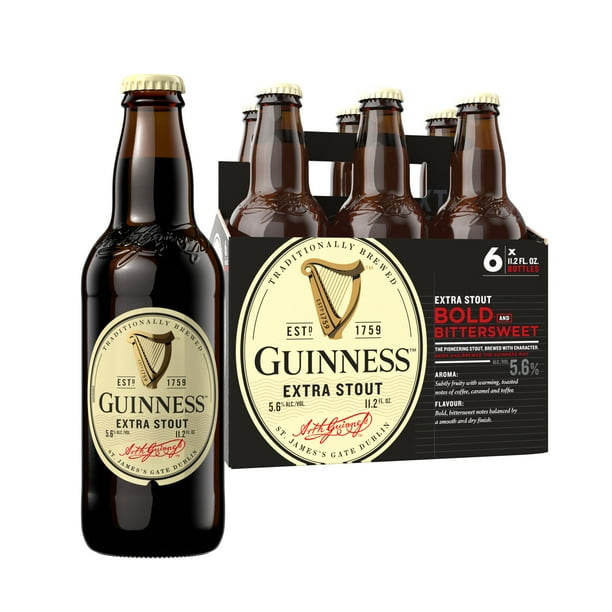
When you crack open a can of Guinness, you’re not just enjoying a drink; you’re diving into a rich tradition steeped in history and flavor. But here’s a question that might have crossed your mind: does your Guinness need to be refrigerated to maintain its unique taste?
The answer might surprise you. Imagine savoring every sip of your Guinness at its finest, perfectly chilled or at room temperature, depending on what truly enhances its iconic taste. Your curiosity about the best way to store this beloved stout is about to be satisfied.
Dive deeper, and let’s uncover the secrets to enjoying your Guinness just as it was meant to be.

Credit: www.shoprite.com
Guinness Storage Basics
Storing Guinness properly is key to enjoying its rich taste and creamy texture. You might wonder if it needs special care or just a spot in your fridge. Understanding the basics of Guinness storage helps you keep every pint perfect, whether it’s a can, bottle, or draft.
Ideal Temperature Range
Guinness tastes best when kept cool but not too cold. The ideal temperature range is between 38°F and 55°F (3°C to 13°C). This range preserves the flavors without dulling the subtle notes.
Storing Guinness at room temperature for a short time is okay, but prolonged exposure above 70°F (21°C) can harm its quality. If you keep a keg or bottle too warm, you risk losing the signature smoothness.
Ask yourself: where in your home can you maintain this temperature easily? A cellar or a dedicated beer fridge is perfect, but a regular fridge also works well for cans and bottles.
Effects Of Heat On Flavor
Heat changes Guinness in ways you might not expect. Higher temperatures speed up oxidation, which dulls the rich roasted malt flavors.
You may notice a stale or flat taste if Guinness has been stored in a warm place. The creamy head can also disappear faster, which impacts the overall drinking experience.
One time, I left a bottle on a sunny windowsill for a couple of days. The difference was clear — the beer lost its smooth mouthfeel and tasted bitter instead of balanced. This taught me that keeping Guinness cool is not just a recommendation, but a necessity.

Credit: business.walmart.com
Refrigeration Pros And Cons
Deciding whether to refrigerate your Guinness isn’t just about keeping it cold. There are clear advantages and some drawbacks to chilling this iconic beer. Understanding both sides will help you enjoy Guinness the way you prefer.
Benefits Of Chilling Guinness
Cold Guinness offers a refreshing experience, especially on a hot day. The cooler temperature helps maintain the beer’s creamy texture and enhances its smooth mouthfeel.
When chilled, the nitrogen bubbles settle more slowly, giving you that famous cascading effect longer. If you’ve ever served a Guinness straight from a warm room, you might have noticed it loses that visual appeal and tastes flatter.
Also, refrigeration slows down any flavor changes. This means your Guinness stays fresher for a longer time once opened or stored.
Potential Downsides Of Refrigeration
However, putting Guinness in the fridge can sometimes dull its rich flavors. The colder temperature may mask some of the subtle roasted and malty notes that make Guinness unique.
Many Guinness enthusiasts say it tastes best just slightly chilled rather than ice-cold. Over-chilling can lead to a less satisfying experience, especially if you enjoy savoring the complexity of the beer.
Plus, if you keep Guinness refrigerated for too long, condensation can affect the label and packaging. This is minor but worth noting if you collect bottles or cans.
So, how cold is too cold for your Guinness? Experiment with different temperatures and see what suits your taste buds the best.
Room Temperature Storage
Storing Guinness at room temperature might seem convenient, especially if you don’t have extra fridge space. But is it really safe to keep this iconic stout outside the cold? Let’s explore when room temperature storage can work and what risks you might face by skipping refrigeration.
When Room Temperature Works
You can store unopened Guinness at room temperature for a short period without major issues. If the room stays consistently cool—around 50-70°F (10-21°C)—your beer will maintain its quality for a few weeks.
Many people store Guinness in a cellar or pantry where temperatures don’t fluctuate wildly. This stable environment helps preserve the flavor and carbonation.
Also, if you plan to drink the Guinness within a few days, keeping it at room temperature won’t drastically change its taste. The beer’s nitrogen bubbles and rich flavors are fairly resilient for short periods.
Risks Of Non-refrigerated Storage
Leaving Guinness in a warm room over time can harm its taste and freshness. Heat speeds up chemical reactions that break down the beer’s flavor compounds.
You might notice a duller taste or a flat mouthfeel if the beer gets too warm. The famous creamy head can also suffer, losing its smooth texture.
Plus, temperature swings can cause the beer to expand and contract, risking leakage or can deformation.
Have you ever grabbed a Guinness from a warm spot and found it less enjoyable? That’s the effect of improper storage temperature at work.
Storing Different Guinness Types
Storing Guinness correctly depends on the type you have. Each form—draft, bottled, or canned—has unique storage needs. Proper storage keeps the taste fresh and enjoyable. Understanding these differences helps you enjoy every sip just right.
Draft Vs. Bottled Guinness
Draft Guinness is often served fresh in pubs and bars. It requires a special keg system with nitrogen gas. This system keeps the beer creamy and smooth. At home, draft Guinness kegs need refrigeration to stay fresh. Keep them at about 38°F (3°C) for best taste.
Bottled Guinness has a longer shelf life. It can last months without refrigeration if stored in a cool, dark place. Avoid heat and sunlight to prevent flavor loss. Once opened, it’s best to drink soon for full freshness. Bottled Guinness does not need constant refrigeration before opening.
Canned Guinness Storage Tips
Canned Guinness is convenient and easy to store. Keep cans in a cool, dry spot away from sunlight. Room temperature is fine before opening. After opening, consume quickly or transfer to a sealed container to keep freshness.
- Do not freeze cans; it can break the seal.
- Refrigerate after opening to maintain flavor.
- Use within 24 hours once opened for the best taste.
Opening And Serving Tips
Opening and serving Guinness correctly can dramatically enhance your drinking experience. The way you pour and the temperature at which you serve this iconic stout influences its rich flavor and creamy texture. Let’s look into some practical tips that ensure every pint you enjoy lives up to the Guinness reputation.
Proper Pouring Techniques
Start by tilting your glass at a 45-degree angle. Slowly pour the Guinness until it’s about three-quarters full, aiming for the middle of the glass.
Then, set the glass upright and let the beer settle. This pause allows the nitrogen bubbles to form that famous creamy head.
Once the settling stops, top off the pour by filling the glass to the rim. Avoid rushing this step—it’s key for the perfect texture.
Serving Temperature Recommendations
Guinness tastes best when served between 42°F and 50°F (6°C to 10°C). This range lets you enjoy its full flavor without dulling the bitterness or sweetness.
Too cold, and you risk muting the complex aromas; too warm, and the beer may taste flat or overly bitter.
Have you ever noticed how a Guinness straight from a very cold fridge feels different? Try letting it warm slightly before pouring to see the difference yourself.
Shelf Life And Expiry
Understanding the shelf life and expiry of Guinness is key to enjoying its full flavor and freshness. Knowing how long it lasts and how to spot if it’s gone bad helps you avoid wasting a good drink or risking an unpleasant taste experience. Let’s dive into what you need to know about keeping your Guinness at its best.
How Long Guinness Lasts
Unopened Guinness typically lasts about 6 to 8 months past the printed best-before date if stored properly. This means keeping it in a cool, dark place away from direct sunlight. Refrigeration can extend its freshness but isn’t strictly necessary until after opening.
Once opened, Guinness should be consumed within 24 hours for the best taste. The nitrogen bubbles, which give it that creamy texture, start to fade quickly once the can or bottle is opened. You might notice a flatter, less enjoyable beer if you wait too long.
Signs Of Spoiled Beer
How do you know if your Guinness has gone bad? Here are some clear signs to watch for:
- Off Smell:If the beer smells sour, vinegar-like, or just different from its usual aroma, it’s likely spoiled.
- Change in Color:Guinness has a distinct dark color; any unusual cloudiness or strange hues can indicate spoilage.
- Flat or Off Taste:A stale, sour, or overly bitter taste means the beer is no longer good to drink.
- Excessive Foam or No Foam:If the beer either fizzes excessively or produces no foam at all, it might be past its prime.
Have you ever opened a Guinness expecting that creamy pour, only to find it lacking? That’s often a sign it’s time to toss it out. Paying attention to these signs can save you from a disappointing sip.

Credit: www.coombecastle.com
Frequently Asked Questions
Does Guinness Need Refrigeration Before Opening?
Guinness should be stored in a cool, dark place before opening. Refrigeration is not mandatory but helps maintain freshness and flavor. Avoid heat and sunlight, as they can spoil the beer. For best taste, refrigerate before serving.
How Long Can Guinness Stay Unrefrigerated?
Unopened Guinness can stay unrefrigerated for several months if stored properly. Keep it away from direct sunlight and heat. However, refrigeration extends shelf life and preserves quality. Always check the expiration date for safety.
Should Guinness Be Refrigerated After Opening?
Yes, refrigerate Guinness after opening to maintain its taste and carbonation. Keep it sealed tightly and consume within 1-2 days. Refrigeration slows down spoilage and keeps the beer fresh longer.
Can Refrigeration Affect Guinness Flavor?
Refrigeration preserves Guinness flavor and prevents spoilage. However, avoid freezing it, as freezing damages the beer’s texture and taste. Serve Guinness chilled for the best drinking experience.
Conclusion
Guinness tastes best when kept cool but not too cold. Storing it in the fridge helps keep freshness and flavor. Avoid freezing, as it can damage the beer’s texture. Serve it slightly chilled for the smoothest experience. Proper storage preserves the rich, creamy quality you enjoy.
Remember, a little care goes a long way with Guinness. Keep it cool, drink it fresh, and enjoy every sip.