
Are you wondering if hard cheese really needs to be kept in the fridge? You might think cheese is just cheese, but how you store it can change its taste, texture, and even safety.
Imagine biting into your favorite hard cheese only to find it spoiled or too dry. That’s frustrating, right? You’ll discover the simple secrets to storing hard cheese the right way. By the end, you’ll know exactly how to keep your cheese fresh and delicious for longer.
Keep reading—your cheese will thank you!

Credit: www.theguardian.com
Why Refrigeration Matters
Refrigeration plays a key role in keeping hard cheese fresh. It slows down changes that can spoil the cheese. Without proper cooling, hard cheese can lose its quality quickly. Understanding why refrigeration matters helps you store cheese better. It protects flavor, texture, and safety.
Impact On Flavor And Texture
Hard cheese needs cold temperatures to keep its taste rich. Warm environments cause fats to break down. This leads to off-flavors that ruin the cheese’s natural taste. Texture also changes without cooling. The cheese can become dry and crumbly or too soft and oily. Refrigeration keeps the cheese firm and creamy, just as it should be.
Bacterial Growth Risks
Bacteria grow faster in warm conditions. Even hard cheeses can develop unwanted bacteria if left out too long. Some bacteria cause mold or spoilage, making cheese unsafe. Cold slows bacterial growth and helps prevent illness. Keeping hard cheese in the fridge reduces health risks and extends shelf life.
Storage Guidelines For Hard Cheese
Storing hard cheese properly keeps it fresh and tasty for longer. It prevents drying out and stops unwanted mold. Following simple storage rules helps maintain cheese flavor and texture. These tips suit common hard cheeses like Parmesan, Cheddar, and Gouda.
Ideal Temperature Range
Hard cheese stays best between 35°F and 45°F (2°C to 7°C). This range slows bacterial growth without freezing the cheese. Storing cheese too warm makes it spoil faster. Too cold can cause the cheese to dry out or crack.
Proper Wrapping Techniques
Wrap hard cheese tightly to keep moisture in. Use wax paper, parchment paper, or cheese paper for best results. Avoid plastic wrap directly on the cheese. It traps moisture and can cause sliminess or off-flavors.
After wrapping, add a loose layer of plastic wrap or place it in a bag. This protects the cheese from other fridge odors while allowing it to breathe.
Best Containers To Use
Use containers that keep air away but allow some breathability. Cheese storage boxes or plastic containers with small holes work well. Glass containers with a loose-fitting lid also help maintain humidity.
- Airtight containers can trap moisture and cause mold.
- Containers should be clean and dry before use.
- Label containers with cheese type and date for easy tracking.
Exceptions To Refrigeration
Hard cheeses like Parmesan and Pecorino often do not need refrigeration due to low moisture content. Their dense texture helps prevent spoilage outside the fridge. Storing them in a cool, dry place keeps them fresh longer.
When it comes to storing hard cheese, the general belief is that refrigeration is necessary to maintain quality and safety. However, did you know that some hard cheeses can thrive without the chill of your fridge? These exceptions to refrigeration aren’t just based on taste or tradition; they are grounded in the very nature of the cheese itself. Understanding these nuances can save you space in your fridge and might even enhance your cheese-eating experience.Aging And Traditional Storage Methods
The art of cheese-making dates back centuries, long before the invention of modern refrigeration. Many traditional storage methods relied on the natural conditions of the environment. Cheese was often aged in caves or cool cellars, where the consistent temperature and humidity created the perfect conditions for aging. These methods not only preserved the cheese but also enhanced its flavor. If you’ve ever visited a cheese cellar, you might have noticed that the cheeses are left to age on wooden shelves. This isn’t just for aesthetics; the wood absorbs moisture and allows the cheese to breathe, preventing spoilage without refrigeration.Hard Cheese Varieties That Last Without Cooling
Certain hard cheeses are naturally suited to room temperature storage. These cheeses have low moisture content, which makes them less prone to bacterial growth and spoilage. – Parmesan: With its dense, crumbly texture, Parmesan can be stored in a cool, dry place for weeks. Just ensure it’s wrapped in wax paper or cheesecloth to maintain its integrity. – Pecorino Romano: Often aged for a year or more, Pecorino Romano is another cheese that can withstand room temperature. Its salty profile acts as a natural preservative. – Grana Padano: Similar to Parmesan, Grana Padano has a long shelf life without refrigeration. Keep it in an airtight container to protect it from air exposure. These hard cheeses not only save refrigerator space but also offer a more robust flavor profile when not subjected to the cold. The next time you’re planning a cheese platter, consider leaving some varieties out of the fridge for a while before serving. You might just find the flavors more pronounced and satisfying. Have you ever tried storing your cheese without refrigeration? It might be time to experiment and taste the difference for yourself!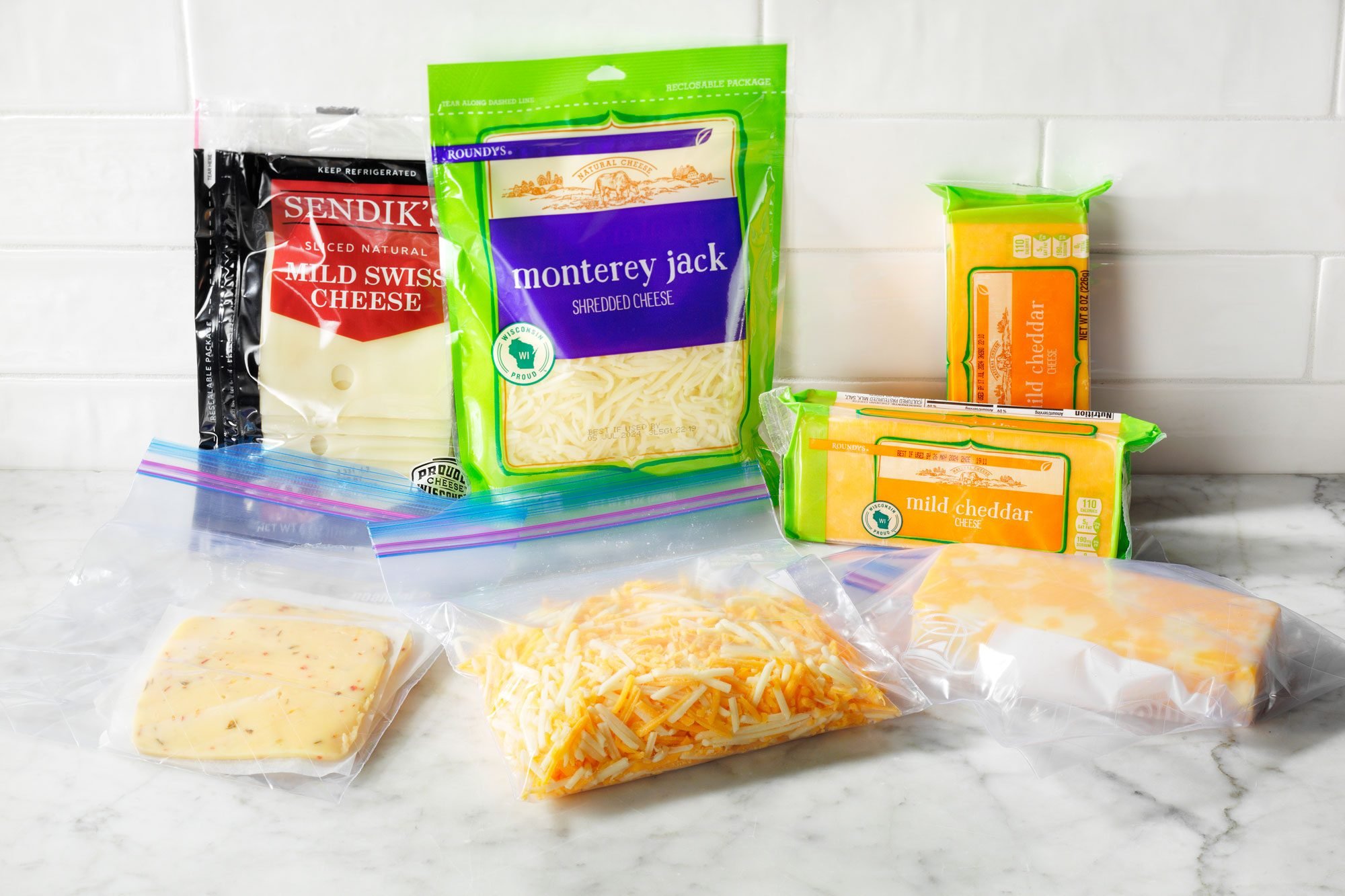
Credit: www.tasteofhome.com
Signs Of Spoiled Cheese
Cheese can spoil over time, especially if it is not stored properly. Knowing the signs of spoiled cheese helps avoid eating bad cheese. Spoiled cheese can cause stomach problems and taste unpleasant.
Visual Indicators
- Look for mold that is not part of the cheese type.
- Check for unusual colors like green, blue, or black spots.
- Notice if the cheese surface becomes slimy or sticky.
- Cracks or dry areas may mean the cheese is old.
- Soft cheeses might become hard or crumbly in bad spots.
Smell And Taste Changes
- A strong sour or ammonia-like smell means spoilage.
- Any smell that differs from the cheese’s usual scent is bad.
- Taste a small piece only if it looks and smells fine.
- Bitter, sour, or sharp taste means the cheese is spoiled.
- Spicy or off-flavors also indicate the cheese should be discarded.
Extending Hard Cheese Shelf Life
Hard cheese lasts longer than soft cheese but still needs care to stay fresh. Proper storage extends its shelf life and keeps flavor intact. Storing hard cheese correctly prevents mold and dryness. Simple steps can help maintain its quality for weeks or months.
Freezing Tips
Freezing hard cheese can extend its shelf life significantly. Wrap the cheese tightly in plastic wrap or aluminum foil. Place the wrapped cheese inside an airtight freezer bag. Label the bag with the date before freezing. Use frozen cheese within six months for best taste. Thaw cheese slowly in the refrigerator to keep texture firm. Avoid refreezing thawed cheese to prevent quality loss.
Portioning And Handling
Cut cheese into smaller portions before storing. This reduces exposure to air each time you open it. Use a clean knife to prevent bacteria transfer. Wrap each portion separately in wax paper or parchment paper. Then place wrapped portions in a sealed container or bag. Keep cheese in the warmest part of the fridge, usually the vegetable drawer. This area has stable humidity and temperature for cheese storage.

Credit: www.reddit.com
Common Mistakes To Avoid
Knowing how to store hard cheese properly is key to keeping its flavor and texture intact. Many people make simple mistakes that can spoil their cheese without realizing it. Avoiding these common errors will help you enjoy your cheese longer and prevent unnecessary waste.
Leaving Cheese Out Too Long
Cheese needs some time at room temperature before serving to release its full aroma and flavor. However, leaving it out for hours can cause it to dry out or grow unwanted bacteria.
Try to limit the time your cheese sits unrefrigerated to about two hours. If you forget and leave it out longer, check for signs like an off smell or unusual texture before eating.
Have you ever found your cheese too hard or crumbly after being left out? That’s a sign it’s lost moisture and freshness.
Using Plastic Wrap Incorrectly
Plastic wrap might seem like an easy fix for storing cheese, but it can actually trap moisture and make the cheese sweat. This creates a breeding ground for mold and ruins the texture.
Instead of wrapping cheese tightly in plastic, try using wax paper or parchment paper first, then loosely cover it with plastic wrap. This allows the cheese to breathe while protecting it.
Think about how you’ve wrapped cheese before—was it tightly sealed? If yes, consider switching to a more breathable option to keep your cheese tasting its best.
Frequently Asked Questions
Does Hard Cheese Require Refrigeration After Opening?
Yes, hard cheese should be refrigerated after opening to maintain freshness. Refrigeration slows bacterial growth and preserves flavor. Wrap it tightly in wax paper or parchment before placing it in an airtight container. This prevents moisture loss and keeps the cheese from drying out.
Can Hard Cheese Be Stored At Room Temperature?
Hard cheese can be stored at room temperature briefly, but only for a few hours. Prolonged exposure to warmth causes spoilage and mold growth. It’s best to refrigerate hard cheese to keep it safe and tasty for longer periods.
How Long Does Hard Cheese Last Unrefrigerated?
Hard cheese lasts about 2 hours unrefrigerated safely. Beyond this, harmful bacteria may grow, risking food safety. Always refrigerate hard cheese promptly after use to extend shelf life and maintain quality.
Does Refrigeration Affect Hard Cheese Flavor Or Texture?
Refrigeration may slightly firm up hard cheese but generally preserves its flavor well. Proper wrapping prevents moisture loss and unwanted odors. For best taste, let cheese sit at room temperature for 20-30 minutes before serving.
Conclusion
Hard cheese can last outside the fridge for a short time. Keep it in a cool, dry place to stay fresh. Wrapping it tightly helps prevent drying and mold. For longer storage, refrigeration is safer and keeps flavor better. Always check for changes in smell or texture before eating.
Proper care means you enjoy hard cheese without waste. Simple steps protect your cheese and your health. Remember, fresh cheese tastes best when stored right.