Have you ever wondered if running your air conditioner wastes gas? It’s a question that might surprise you, especially if you want to keep your energy bills low and your home comfortable.
Understanding how your air conditioner uses energy can help you make smarter choices. You’ll discover the truth about air conditioners and gas usage—so you can save money and stay cool without any guesswork. Keep reading to find out what really happens when you switch on your AC.
Credit: www.carrier.com
How Air Conditioners Use Gas
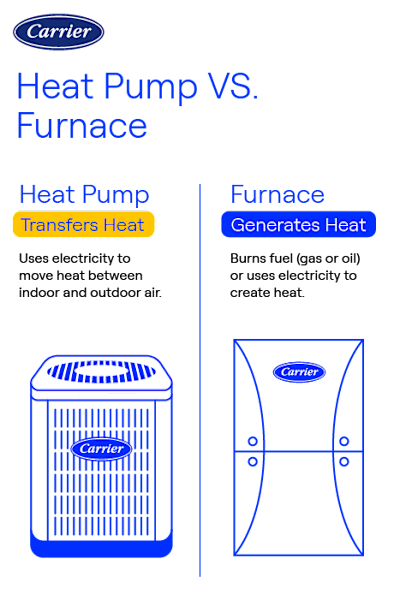
Air conditioners use special gases called refrigerantsto cool the air. These gases absorb heat from inside your home and release it outside. This process makes the indoor air cooler.
Different types of refrigerant gasesexist. Some are better for the environment than others. Older AC units use gases that can harm the ozone layer. Newer models use safer gases.
| Type of Gas | Common Use | Environmental Impact |
|---|---|---|
| R-22 | Older AC units | Ozone depletion |
| R-410A | Newer AC units | Less harmful |
| R-32 | Energy-efficient units | Lower global warming potential |
Air conditioners need energy to run. This energy usually comes from electricity, not gas. Some special AC units can run on natural gas but they are less common. The main gas inside the AC is the refrigerant, not the fuel.
Common Myths About Ac And Gas Waste
Air conditioners use a special gas called refrigerant. This gas helps cool the air inside your home. Sometimes, small leaks can happen, but they are not common. Regular maintenance stops leaks and keeps the AC working well.
| Gas Consumption | Electricity Usage |
|---|---|
| AC uses refrigerant gas to cool air. | AC runs on electricity to power the compressor and fan. |
| Gas is sealed inside the system, so no waste occurs if no leaks. | Electricity usage depends on AC size and time of use. |
Some think ACs harm the environment by wasting gas. This is not fully true. Modern ACs use safer gases with less harm. Leaks cause more gas waste, but proper care stops this. Electricity use by AC can affect the environment, depending on the energy source.
Factors Affecting Gas Efficiency In Acs
Gas efficiencyin air conditioners depends on several key factors. Regular maintenancehelps spot leaks early and keeps the system running smoothly. Leaks in the refrigerant lines cause gas loss and make the AC work harder.
The age and conditionof the unit also matter. Older ACs often lose efficiency due to wear and tear. Parts may become less effective, leading to more gas consumption.
Proper installationis crucial. A well-installed unit ensures correct gas levels and better cooling. Poor installation can cause gas leaks and reduce efficiency.
| Factor | Effect on Gas Efficiency |
|---|---|
| Maintenance and Leaks | Prevents gas loss and keeps system efficient |
| Age and Condition | Older units may use more gas due to wear |
| Proper Installation | Ensures correct gas levels and avoids leaks |
Ways To Reduce Gas Waste From Air Conditioners
Regular servicing helps keep your air conditioner running smoothly. Cleaning filters and checking refrigerant levels prevent gas leaks. It also improves cooling efficiency and saves energy. Schedule servicing at least once a year to avoid gas waste.
Eco-friendly refrigerants cause less harm to the environment. They reduce greenhouse gas emissions compared to older types. Switching to these refrigerants lowers the chance of gas escaping. Ask a professional if your AC can be upgraded safely.
| Feature | Benefit |
|---|---|
| Energy-Efficient Models | Use less power and refrigerant gas |
| Advanced Cooling Technology | Reduces gas leaks and improves performance |
| Better Sealing | Prevents gas from escaping |
Environmental Effects Of Gas Emissions
Air conditioners release gases called refrigerants. These gases can trap heat in the air, causing the greenhouse effect. This effect makes the Earth warmer.
Some refrigerants have a high global warming potential (GWP). This means they can warm the Earth much more than carbon dioxide. Newer refrigerants have lower GWP to reduce harm.
| Aspect | Details |
|---|---|
| Greenhouse Gas Contribution | Refrigerants contribute to global warming by trapping heat. |
| Global Warming Potential | Some refrigerants are hundreds to thousands of times stronger than CO2. |
| Regulations and Safety | Rules limit the use of harmful gases and require safe handling. |
Credit: environmentamerica.org
Alternatives To Traditional Gas-based Acs
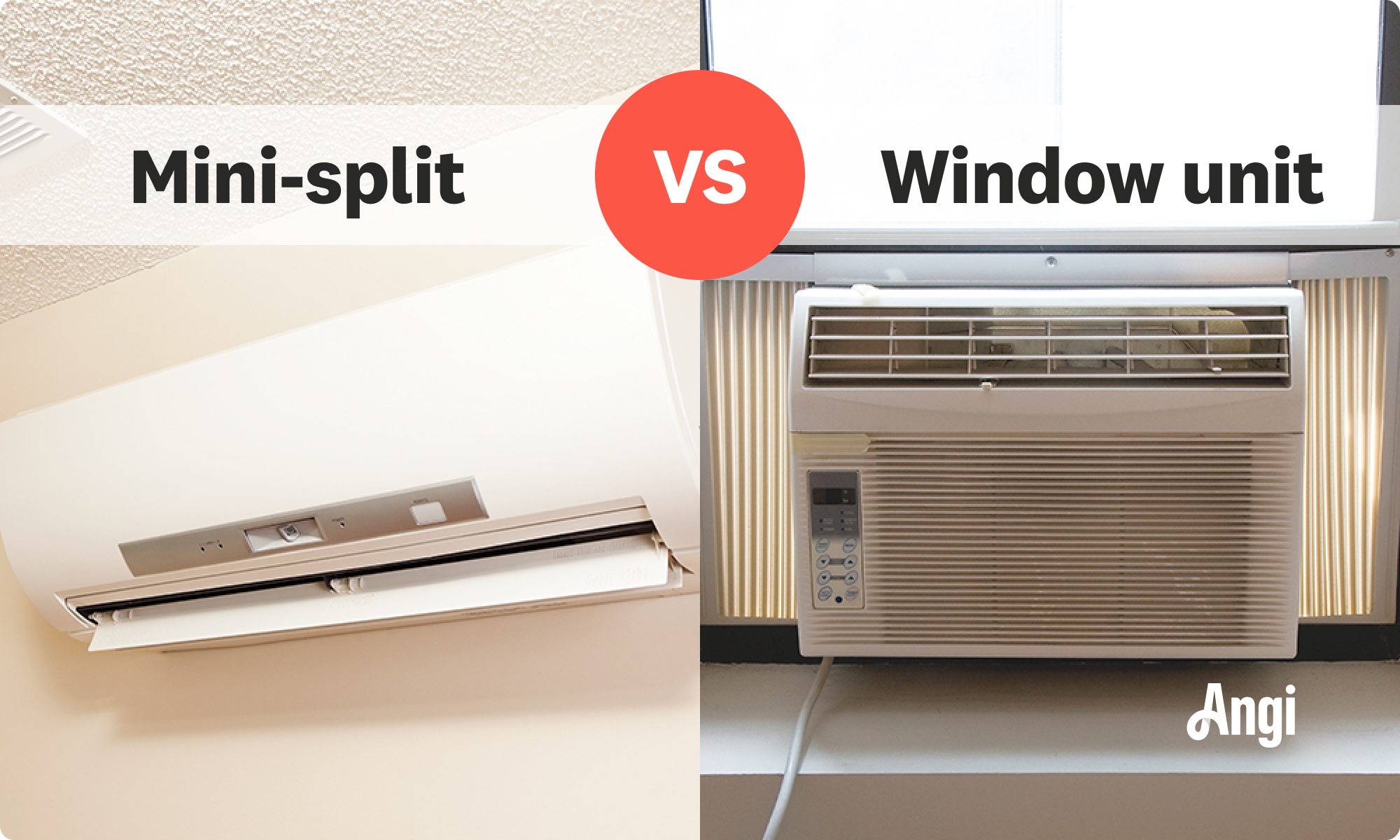
Electric air conditioners use electricityinstead of gas. They are more common in homes today. Solar-powered coolers run on energy from the sun. They reduce electricity costs and help the environment.
Evaporative coolers work by adding moistureto the air. They are best for dry, hot places. These coolers use less energy than traditional ACs.
| Cooling Type | Power Source | Energy Use | Best For |
|---|---|---|---|
| Electric AC | Electricity | Moderate | All climates |
| Solar-Powered AC | Solar Energy | Low | Sunny areas |
| Evaporative Cooler | Electricity | Low | Dry, hot climates |
New cooling technology focuses on saving energyand reducing gas use. Some use smart sensors to cool only when needed. Others recycle air to save power.
Credit: www.angi.com
Frequently Asked Questions
Does Using Ac Increase Fuel Consumption?
Yes, using an air conditioner in your vehicle can increase fuel consumption. The engine has to work harder to power the AC system. This can lead to more gas being used, especially in stop-and-go traffic or at lower speeds.
How Much Gas Does Ac Use In A Car?
The air conditioner can decrease fuel efficiency by up to 20%. This depends on the vehicle’s model and driving conditions. On average, you might see a reduction of 1 to 5 miles per gallon when using AC.
Is Ac Usage More Costly Than Open Windows?
Using AC is often more costly than driving with windows down. At higher speeds, open windows can increase drag. However, at low speeds, open windows are generally more fuel-efficient than using AC.
Can Ac Affect Car Engine Performance?
Yes, the AC system can affect engine performance. It puts additional load on the engine, which can reduce power. This is noticeable in smaller or older vehicles where engine power is limited.
Conclusion
Air conditioners do use gas, but not wastefully. Proper use keeps energy consumption low. Regular maintenance helps the unit run efficiently. Old or faulty systems may consume more gas. Choosing energy-efficient models reduces gas usage significantly. Being mindful of your cooling needs saves both gas and money.
Small changes make a big difference in energy waste. Stay informed and use your air conditioner wisely. This way, you keep cool without wasting gas.