Have you ever wondered how your heat pump keeps your home warm in winter and cool in summer? A key part of the answer lies in something called refrigerant.
But what exactly is refrigerant, and does your heat pump really use it? Understanding this can help you take better care of your system and even save on energy bills. Keep reading to discover the role refrigerant plays in your heat pump and why it matters to you.
How Heat Pumps Work
Understanding how heat pumps work can change the way you think about home heating and cooling. These devices do more than just move air—they transfer heat from one place to another using a clever process. This section breaks down the basics so you can see exactly what’s happening inside your heat pump.
Basic Mechanism
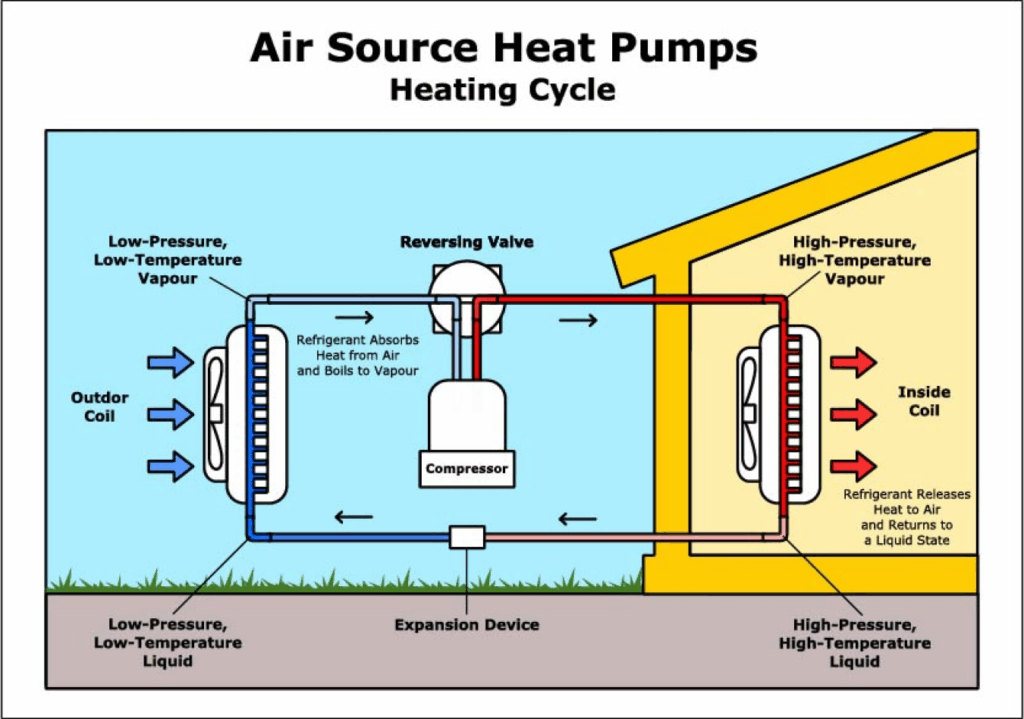
A heat pump moves heat by circulating a special fluid through a cycle of evaporation and condensation. It extracts heat from the outside air, even when it’s cold, and transfers it inside your home. In summer, it reverses this process to cool your space by pulling heat out of your home and releasing it outside.
This push-and-pull of heat feels almost like magic, but it’s science in action. The system uses a compressor, expansion valve, evaporator, and condenser to keep the cycle going efficiently. This cycle keeps your home comfortable year-round without relying on burning fuel.
Role Of Refrigerant
The refrigerant is the unsung hero in this process. It’s a special liquid that changes into a gas and back again as it absorbs and releases heat. Because it can change states at low temperatures, it’s perfect for transporting heat from outside to inside.
Think of refrigerant as the heat carrier. When it evaporates, it pulls heat from the air. When it condenses, it releases that heat into your home. Without refrigerant, your heat pump wouldn’t be able to move heat efficiently or function at all.
Have you ever wondered why some heat pumps struggle in extreme cold? It often comes down to the type of refrigerant they use and its properties. Choosing the right refrigerant affects not just performance but also environmental impact.

Credit: cinergi.co.uk
Types Of Refrigerants Used
Heat pumps use refrigerants like R-410A, R-32, and R-134a to transfer heat efficiently. These fluids absorb and release heat during the heating and cooling cycles. Different types offer varying environmental impacts and energy efficiency.
Understanding the types of refrigerants used in heat pumps is crucial for anyone interested in energy efficiency and environmental impact. Refrigerants are the lifeblood of heat pumps, facilitating the transfer of heat from one place to another. The choice of refrigerant affects not only the performance of the heat pump but also its environmental footprint.Common Refrigerant Types
Modern heat pumps typically utilize a few common types of refrigerants. One of the most popular is R-410A, known for its efficiency and safety. Unlike older refrigerants, R-410A does not deplete the ozone layer, making it a preferred choice for many homeowners. Another commonly used refrigerant is R-134a, often found in various cooling systems, including automotive air conditioners. It’s known for its stability and low toxicity. However, it has a higher global warming potential compared to newer alternatives.Environmental Impact
The environmental impact of refrigerants is a significant concern. Some older refrigerants, like R-22, have been phased out due to their ozone-depleting properties. The shift to more eco-friendly options like R-410A and R-32 reflects a growing awareness of the need to protect our environment. Yet, even newer refrigerants have their challenges. While they don’t harm the ozone layer, many still contribute to global warming. This raises an important question: how can we balance cooling efficiency with environmental responsibility? As a homeowner, consider the long-term environmental costs when choosing a heat pump. Is the efficiency of your system worth its potential impact on the planet? Your choice can contribute to a more sustainable future.Refrigerant And Energy Efficiency
Refrigerants play a crucial role in determining the energy efficiency of heat pumps. The type and quality of refrigerant directly affect how well a heat pump transfers heat, impacting both performance and electricity bills. Understanding this link helps you make smarter choices about your heating and cooling system.
Refrigerant’s Effect On Performance
The refrigerant inside a heat pump carries heat from one place to another. Different refrigerants have unique properties that influence how effectively they absorb and release heat.
For example, modern refrigerants like R-410A and R-32 offer better heat transfer compared to older options such as R-22. This means your heat pump can work faster and more efficiently, providing consistent comfort without overworking.
Have you noticed how some heat pumps seem to maintain temperature more steadily? That’s often because they use refrigerants optimized for performance, reducing wear and tear and extending equipment life.
Energy Savings Potential
Choosing the right refrigerant can lead to significant energy savings. Efficient heat transfer means your heat pump uses less electricity to achieve the desired temperature.
Here’s what you gain with an energy-efficient refrigerant:
- Lower monthly utility bills
- Reduced carbon footprint
- Improved system reliability
Think about your last utility bill—how much could you save if your heat pump ran more efficiently? Small changes in refrigerant type can add up to big savings over time.

Credit: www.greenbuildingadvisor.com
Maintenance Of Refrigerant Systems
Maintaining refrigerant systems in heat pumps ensures efficient performance and long equipment life. Regular checks help detect issues early. Proper care prevents costly repairs and energy waste.
Checking For Leaks
Leaks reduce refrigerant levels and lower heat pump efficiency. Visual inspection finds oil stains or frost near joints. Professional tools detect invisible leaks using electronic sensors. Early leak detection saves energy and avoids system damage.
Refilling And Replacement
Refilling restores proper refrigerant volume for optimal cooling and heating. Only certified technicians handle refrigerant refills. Replacement occurs if the refrigerant is contaminated or the system is damaged. Proper disposal of old refrigerant protects the environment.
Safety And Environmental Concerns
Heat pumps rely on refrigerants to transfer heat efficiently, but handling these substances comes with important safety and environmental responsibilities. Understanding these concerns helps you protect yourself and the planet while maintaining your system. Let’s look closely at how to handle refrigerants safely and the regulations designed to keep everyone accountable.
Handling Refrigerants Safely
Refrigerants can be hazardous if not handled properly. They may cause frostbite on skin contact or release harmful gases if leaked. Always use protective gloves and goggles when working around refrigerants to avoid injuries.
Proper ventilation is crucial to prevent inhalation of refrigerant gases. If you detect a leak, stop immediately and ventilate the area before continuing. Never attempt to repair leaks unless you are trained and equipped for the task.
Have you ever thought about how small mistakes during refrigerant handling could lead to major safety issues? Taking these precautions seriously can save lives and reduce environmental damage.
Regulations And Compliance
Refrigerant use is tightly regulated due to its impact on the environment. Many refrigerants contribute to ozone depletion and global warming if released. Governments enforce strict rules about who can handle, purchase, and dispose of these chemicals.
Certification is often required for technicians working with refrigerants. This ensures they know how to manage refrigerants responsibly and follow proper recovery and recycling procedures. It’s not just a legal requirement but a critical step to protect your home and community.
Are you aware of the local regulations in your area regarding refrigerants? Staying informed helps you avoid fines and supports environmental conservation efforts. Always work with certified professionals to ensure compliance and safety.
Alternatives To Traditional Refrigerants
Traditional refrigerants in heat pumps often harm the environment. Alternatives offer safer, eco-friendly options. These alternatives reduce greenhouse gas emissions and improve energy efficiency. They help meet new environmental regulations and protect the planet.
Natural Refrigerants
Natural refrigerants come from nature and have low environmental impact. Common types include:
- Carbon dioxide (CO2)– Non-toxic and widely available.
- Ammonia (NH3)– Very efficient but needs careful handling.
- Hydrocarbons– Such as propane and isobutane, safe and effective in small systems.
These refrigerants break down quickly in the environment. They have very low global warming potential (GWP). Many manufacturers use them in modern heat pumps.
Emerging Technologies
New technologies focus on reducing refrigerant use or finding better fluids. Some innovations include:
- Magnetic refrigeration– Uses magnetic fields to cool without chemicals.
- Thermoelectric cooling– Uses electricity to create temperature differences directly.
- Advanced refrigerant blends– Designed to be safer and more efficient than older types.
These technologies are still developing but show promise for greener heat pumps. They aim to improve performance and reduce environmental risks.

Credit: hub.utahcleanenergy.org
Frequently Asked Questions
Does A Heat Pump Use Refrigerant To Operate?
Yes, heat pumps use refrigerant to transfer heat efficiently. The refrigerant absorbs heat from outside air and releases it indoors. This process allows heating and cooling with minimal energy use.
What Type Of Refrigerant Is Used In Heat Pumps?
Heat pumps commonly use environmentally friendly refrigerants like R-410A or R-32. These refrigerants have low ozone depletion potential and improve energy efficiency. The choice depends on the system design and environmental regulations.
How Does Refrigerant Affect Heat Pump Efficiency?
Refrigerant quality and charge directly impact heat pump efficiency. Proper refrigerant levels ensure optimal heat transfer and system performance. Low refrigerant can cause poor heating or cooling and increase energy costs.
Can Heat Pump Refrigerant Leak Be Harmful?
Yes, refrigerant leaks can harm the environment and reduce system efficiency. Leaks should be repaired promptly by professionals to avoid damage and maintain performance. Regular maintenance helps detect leaks early.
Conclusion
Heat pumps do use refrigerant to move heat efficiently. This refrigerant changes from liquid to gas and back again. It helps the heat pump warm or cool your home. Choosing the right refrigerant can affect energy use and the environment.
Regular maintenance keeps the system working well. Understanding this helps you see how heat pumps save energy. They offer a smart way to control indoor temperatures. Knowing about refrigerants clears up common questions about heat pumps.