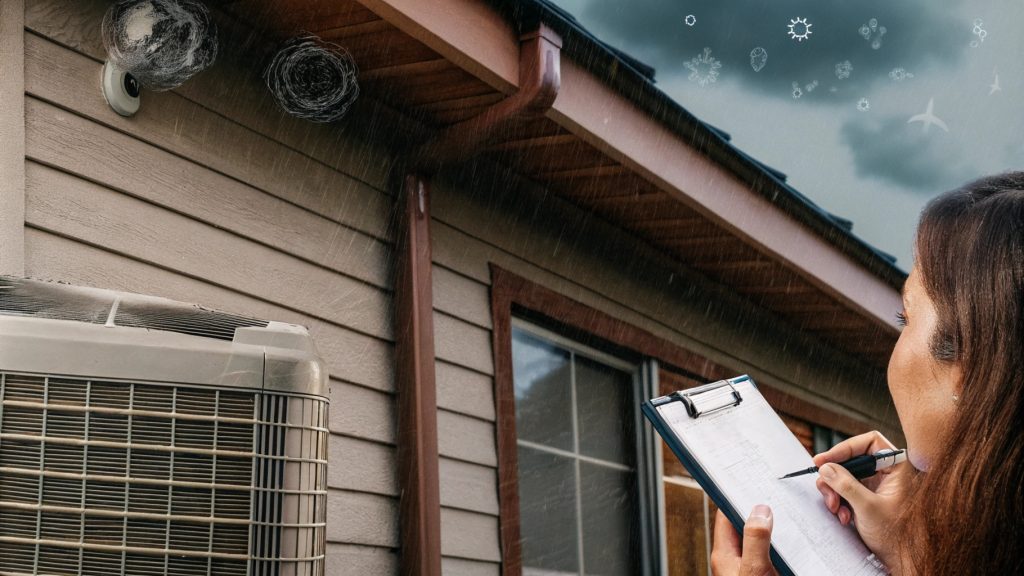
Have you ever wondered if your homeowners insurance will help when your air conditioner starts leaking? It’s a question many homeowners face, especially when unexpected water damage shows up.
You want to protect your home, but insurance policies can be confusing. Understanding what’s covered—and what’s not—can save you time, money, and stress. Keep reading to find out exactly how your policy works with air conditioner leaks and what steps you should take to stay protected.

Credit: www.cranneyhomeservices.com
Homeowners Insurance Basics
Homeowners insurancehelps protect your home and belongings from damage. It usually covers things like fire, theft, and some weather damage. Most policies include protection for your house structure, personal items, and liability if someone gets hurt on your property.
There are limits to what insurance covers. Common exclusions include damage from floods, earthquakes, and normal wear and tear. Problems caused by lack of maintenance are often not covered. For example, a slow leak in the air conditioner might be excluded if it is due to poor upkeep.
Understanding what is covered and what is not can save you from surprises during a claim. Reading your policy carefully helps you know your protection level.
Air Conditioner Leaks Explained
An air conditioner leak can cause water damage and reduce cooling. These leaks happen for different reasons. Some leaks come from clogged drain lines, others from frozen coils melting. Types of AC leaksinclude:
- Condensation leaks due to blocked drainage
- Refrigerant leaks that lower cooling efficiency
- Leaks from damaged or corroded pipes
Causes of leaksvary. Dust and dirt can block pipes. Old or broken parts may crack. Poor installation also causes leaks. Regular maintenance helps stop leaks early.
Coverage For Ac Leaks
Homeowners insurance may cover air conditioner leaksin some cases. Coverage depends on the cause of the leak and the policy details.
Leaks caused by sudden damage, like a storm or fire, are usually covered. Also, if the leak causes water damage to walls or floors, that damage may be covered.
Leaks from normal wear and tear or poor maintenance are not covered. Damage from long-term leaks or corrosion is typically excluded.
| When Leaks Are Covered | When Leaks Are Not Covered |
|---|---|
| Damage from storms or accidents | Leaks from old or worn-out parts |
| Water damage caused by sudden leaks | Slow leaks due to lack of maintenance |
| Fire or vandalism causing AC leaks | Corrosion or rust damage |

Credit: www.midwestductcleaning.com
Damage Resulting From Ac Leaks
Water damagefrom AC leaks can harm walls, floors, and ceilings. It can cause stains, warping, and structural issues. Damage might spread if not fixed fast. Homeowners insurance may cover sudden leaks but often not slow leaks or lack of maintenance.
Mold and mildewgrow in damp spots made by leaks. They cause bad smellsand can harm health. Mold can spread quickly behind walls and under floors. Insurance might help with mold removal if the water damage is covered, but policies vary.
Filing A Claim For Ac Leak Damage
After an AC leak, act quickly to limit damage. Turn off the unit and stop water flow. Use towels or buckets to catch leaking water. Contact your insurance company to report the damage. They will guide you on the claim process.
Keep records of all damages and repairs. Take clear photos or videos of the leak and any water damage. Save receipts for any emergency repairs or cleanup. This documentation helps support your claim and speeds up the process.
Insurance adjusters will inspect the damage. Be honest and provide all requested information. Show them the photos and receipts you collected. Stay calm and patient during the inspection. Their job is to determine coverage and the amount to pay.

Credit: excelmechanical.com
Preventing Ac Leak Damage
Regular maintenance helps prevent air conditioner leaksand damage. Clean or replace air filters monthly to keep airflow strong. Clear drain lines and pans to stop water buildup. Check for ice on coils, a sign of trouble. Keep outdoor units free from debris like leaves and dirt.
Professional inspections catch small issues before they grow. Experts check refrigerant levels and test system pressure. They also clean coils and inspect electrical parts. Scheduling inspections twice a year keeps AC units running well. Early detection saves money on costly repairs.
Alternative Coverage Options
Home warranty plansoften cover repairs for air conditioners. These plans help fix leaks and other issues. They usually last for one year and cover many home systems. Costs vary based on coverage and location.
Additional endorsementscan be added to your homeowners insurance. They extend coverage to specific problems like water damage from AC leaks. These endorsements cost extra but offer more protection. Check your policy details to see what is included.
Frequently Asked Questions
Does Homeowners Insurance Cover Air Conditioner Water Leaks?
Homeowners insurance typically covers sudden air conditioner leaks causing damage. Gradual leaks or maintenance issues are usually excluded. Check your policy for specific coverage details and consider additional endorsements for full protection.
What Types Of Ac Damage Are Covered By Insurance?
Insurance often covers water damage from accidental AC leaks or system malfunctions. It excludes wear and tear or neglect-related issues. Review your policy to understand covered perils and file claims accordingly.
How To File A Claim For Ac Leak Damage?
Document the damage with photos and repair estimates. Contact your insurance agent promptly to report the leak. Provide all necessary information to expedite claim processing and ensure proper coverage.
Can Maintenance Prevent Homeowners Insurance Denial?
Regular AC maintenance helps prevent leaks and claim denials. Insurers may deny claims if damage results from neglect. Keep service records as proof of upkeep to support your claims.
Conclusion
Understanding your homeowners insurance helps with unexpected air conditioner leaks. Policies vary, so check your coverage details carefully. Some policies cover sudden leaks. Others might not. Call your insurance agent to ask questions. Know what’s included in your policy. Preventive maintenance can help avoid leaks.
Regular inspections and cleaning are key. Keep your air conditioner in good condition. This helps avoid surprises and potential costs. Stay informed and prepared for any situation. Protect your home and your peace of mind.