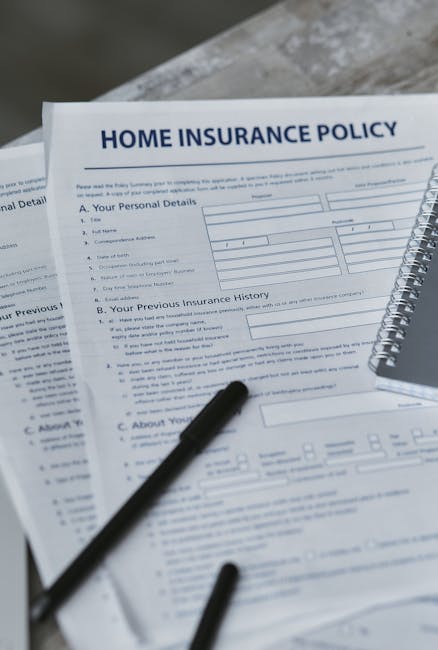
Are you wondering if your homeowners insurance will protect your air conditioner? You might be surprised to learn that not all damage to your AC is covered.
Your air conditioner is a big investment, and losing it unexpectedly can be stressful and costly. Understanding what your policy covers can save you from unexpected bills and headaches. Keep reading to find out exactly when your homeowners insurance has your back—and when it doesn’t.
This knowledge could make a huge difference when the heat is on.

Credit: www.midwestductcleaning.com
Homeowners Insurance Basics
Homeowners insurance usually covers damage to your homefrom events like fire, storms, or theft. It often includes personal property protectionand liability coveragefor accidents on your property. Many policies also pay for temporary living expensesif your home becomes unlivable.
Standard policies cover:
- Fire and smoke damage
- Windstorm or hail damage
- Theft and vandalism
- Water damage from burst pipes
- Liability for injuries on the property
Some common exclusions include:
- Wear and tear or poor maintenance
- Flood or earthquake damage (usually separate policies)
- Damage from pests or mold
- Mechanical breakdown of appliances
Air Conditioner Coverage Details
Homeowners insurance often covers air conditioners if damage comes from fire, theft, or sudden storms. These unexpected events are usually part of the policy’s protection.
Damage caused by normal wear and tear, lack of maintenance, or floodingis generally not covered. Repairs due to mechanical breakdown or aging are also excluded.
| When Damage Is Covered | Situations Typically Excluded |
|---|---|
| Fire or smoke damage | Wear and tear |
| Theft or vandalism | Poor maintenance |
| Storm or hail damage | Flood damage |
| Sudden electrical surges | Mechanical failure |
Types Of Damage To Air Conditioners
Storm and weather damageincludes harm caused by hail, wind, or lightning. Homeowners insurance usually covers these damages if the storm is sudden and unexpected. Flood damage is often not included.
Mechanical breakdownhappens when parts of the air conditioner stop working due to failure. Most standard policies do not cover this. Separate equipment breakdown coverage may be needed.
Wear and tear issuesrefer to damage from normal use over time. Insurance rarely covers this type of damage. Regular maintenance is important to avoid wear and tear problems.
Filing A Claim For Ac Damage
After damage to your air conditioner, contact your insurance company right away. Explain the problem clearly. Avoid fixing the AC before the adjuster visits. This helps in proper damage assessment.
Keep the damaged parts if safe. Take clear photos and videos of the damage. These will serve as strong evidence during the claim process.
- Write down the date and time of the damage
- Save receipts for repairs or maintenance
- Gather any reports from technicians or contractors
- Keep a copy of your insurance policy handy
Filing a claim is easier with complete documents and proof. This speeds up the approval and payout.
Additional Coverage Options
Home warranty plansoften cover air conditioner repairs and replacements. They protect against breakdowns from normal wear and tear. These plans usually require a monthly or yearly fee. Coverage varies, so check the terms carefully. Some plans cover only parts, while others include labor costs.
Optional endorsementscan be added to a standard homeowners insurance policy. They help cover air conditioner damage caused by specific risks like storms or accidents. These add-ons usually increase the insurance premium slightly. It is important to review the policy details to understand what is covered.

Credit: piccfla.com
Cost Factors And Deductibles
Premiumsdepend on many factors like the home’s value, location, and coverage amount. Adding air conditioner coverage may raise your premium slightly. Insurance companies see air conditioners as valuable property that can break down or get damaged.
Choosing a higher deductibleusually means lower premiums. But that means you pay more out of pocket if the air conditioner breaks. A lower deductiblemeans higher premiums but less cost if you claim.
| Deductible | Effect on Premium | Out-of-Pocket Cost if Claim |
|---|---|---|
| $500 | Higher | Lower |
| $1000 | Medium | Medium |
| $2000 | Lower | Higher |
- Check your budget before picking a deductible.
- Think about how much you can pay if the air conditioner breaks.
- Balance premium costs with out-of-pocket risks.
Tips To Protect Your Air Conditioner
Keep your air conditioner working well with regular maintenance. Clean or replace filters every month. This helps air flow and stops dust from building up. Check for leaks or damage in the system. A clean unit uses less energy and lasts longer.
Preventive measuresalso protect your air conditioner. Use a cover during winter to keep dirt and snow out. Trim plants and bushes around the unit to allow good air flow. Avoid placing heavy objects on or near the AC. These simple steps help avoid costly repairs and keep the air conditioner safe.

Credit: hotalinginsurance.com
Frequently Asked Questions
Does Homeowners Insurance Cover Ac Unit Damage?
Homeowners insurance typically covers damage to air conditioners caused by covered perils like fire, theft, or storms. However, it doesn’t cover issues from regular wear and tear or lack of maintenance. Review your policy details to understand specific coverage terms and conditions for your air conditioner.
Are Ac Leaks Covered By Insurance?
Air conditioner leaks are usually not covered by homeowners insurance. This is because leaks often result from regular wear and tear or maintenance issues. However, if the leak is due to a covered peril, like a storm, it might be covered.
Check your policy for specifics.
Can Insurance Replace A Broken Air Conditioner?
Homeowners insurance may replace a broken air conditioner if the damage is caused by a covered peril. Common covered perils include fire, theft, or certain natural disasters. Routine breakdowns or mechanical failures aren’t typically covered. It’s important to verify the specifics of your policy coverage.
Does Insurance Cover Ac Hail Damage?
Yes, homeowners insurance often covers air conditioner damage from hail. Hail is typically considered a covered peril under most standard policies. If your AC is damaged by hail, you may file a claim for repairs or replacement. Always review your policy to confirm coverage specifics.
Conclusion
Homeowners insurance may cover air conditioner damage in certain cases. Usually, sudden events like storms or fires qualify for coverage. Wear and tear or lack of maintenance often do not. Checking your policy details helps know what is included. Adding extra coverage or a rider might protect your unit better.
Regular upkeep can prevent many problems. Knowing your insurance limits avoids surprises later. Stay informed to keep your home comfortable and safe.