Have you ever wondered if your homeowners insurance protects your heating system? Imagine waking up on a cold winter morning only to find your heater broken.
Would your insurance help cover the repair or replacement costs? Understanding what your policy covers can save you time, stress, and money when you need it most. Keep reading to discover the truth about homeowners insurance and your heating system—so you know exactly where you stand before the unexpected happens.
Credit: www.nerdwallet.com
How Homeowners Insurance Works
Homeowners insurance helps protect your home and belongings from damage. It covers costs if something unexpected happens.
You pay a monthly or yearly premium to keep the insurance active. If damage happens, you file a claim to get money for repairs or replacements.
What Homeowners Insurance Covers
Homeowners insurance covers your house, other buildings, and personal property. It also protects you if someone gets hurt on your property.
Many policies cover damage from fire, theft, and storms. Some also pay for living expenses if you cannot live in your home after damage.
- Main house structure
- Garages and sheds
- Furniture and personal items
- Liability for injuries
- Additional living costs
Types Of Damage Typically Included
Insurance usually covers damage from sudden events. This includes fire, wind, hail, and water damage from pipes bursting.
Damage from wear and tear or poor maintenance is not covered. Also, some natural disasters need extra coverage.
- Fire and smoke damage
- Storm and hail damage
- Water damage from burst pipes
- Theft and vandalism
- Liability for accidents on property
Heating System Damage Scenarios
Heating systems can face different types of damage. Insurance coverage depends on the damage cause.
Understanding common damage scenarios helps you know what your homeowners insurance might cover.
Damage From Fire Or Explosion
Fires or explosions can severely damage heating systems. Homeowners insurance usually covers this damage.
This coverage helps repair or replace the system after such events. Smoke damage may also be included.
Water Damage And Leaks
Water damage from leaks or flooding can harm heating systems. Insurance coverage varies by policy.
Damage from burst pipes or accidental leaks is often covered. Flood damage usually needs separate insurance.
- Burst pipe leaks often covered
- Flood damage usually excluded
- Slow leaks may not be covered
Mechanical Breakdowns
Mechanical breakdowns happen when parts fail suddenly. Homeowners insurance rarely covers these issues.
Some policies offer optional coverage for breakdowns. Otherwise, repairs are usually out-of-pocket expenses.
Wear And Tear Issues
Wear and tear means gradual damage from normal use. Homeowners insurance does not cover this damage.
Replacing parts worn down over time is the homeowner’s responsibility. Regular maintenance can prevent issues.
Coverage Limits And Exclusions
Homeowners insurance may cover heating systems, but limits and exclusions apply. Knowing these helps you avoid surprises during claims.
Coverage depends on your policy details. Some damages are covered, while others are excluded or limited.
Common Exclusions For Heating Systems
Many policies exclude certain heating system damages. Wear and tear or lack of maintenance often are not covered.
- Damage from normal use and aging
- Failures caused by poor maintenance
- Damage due to flooding or earthquakes
- Wear from rust or corrosion
- Damage from pests or animals
Check your policy to see what specific exclusions apply to your heating system.
Impact Of Policy Limits
Insurance policies set limits on how much they pay for heating system repairs or replacement. These limits affect your out-of-pocket cost.
- Limits vary by policy type and provider
- High-value systems may exceed coverage limits
- Some policies cover only partial replacement costs
- Deductibles reduce the amount paid
Understanding your limits helps you plan for possible extra expenses.
Optional Coverage Add-ons
Some insurers offer extra coverage options for heating systems. These add-ons can cover risks excluded from basic policies.
- Equipment breakdown coverage
- Extended replacement cost protection
- Service line protection for heating system pipes
- Flood or earthquake insurance riders
Ask your insurance agent about optional add-ons to better protect your heating system.
Credit: www.expertise.com
Filing A Claim For Heating System Damage
Heating system damage can disrupt your home comfort. Knowing how to file a claim helps you recover costs quickly.
This guide explains key steps for filing a claim after your heating system is damaged.
Steps To Take After Damage
Act fast after you find damage to your heating system. Turn off power to the system to avoid safety risks.
- Contact your insurance company to report the damage.
- Schedule a professional inspection to assess the damage.
- Keep receipts if you make emergency repairs.
- Take photos and videos of the damage before repairs begin.
Documenting Damage Effectively
Clear and detailed documentation helps your claim process. Write down what happened and when.
- Take pictures from different angles.
- Record videos showing the damage and how it affects your heating system.
- Save all bills and repair estimates related to the damage.
- Keep a copy of your insurance policy for reference.
Working With Insurance Adjusters
Insurance adjusters evaluate your claim and damage. Communicate clearly and provide all needed documents.
| Tip | Action |
| Be Prepared | Have your photos, videos, and receipts ready to share. |
| Answer Questions | Give honest and clear answers about the damage and repairs. |
| Keep Records | Note dates, names, and details of all conversations. |
| Request Clarification | Ask if you do not understand any part of the process. |
Preventing Heating System Damage
Heating systems keep your home warm and safe during cold months. Protecting these systems helps avoid costly repairs.
This guide shares ways to prevent damage to your heating system and maintain its efficiency.
Regular Maintenance Tips
Regular care keeps your heating system working well and extends its life span.
- Change or clean filters every month during use
- Inspect vents and ducts for blockages
- Schedule annual professional inspections and tune-ups
- Keep the area around the heater clean and free of clutter
- Check the thermostat settings to avoid overheating
Upgrading Your System
Older heating systems may break down more often. Upgrading improves safety and lowers energy costs.
| Upgrade Option | Benefit |
| High-efficiency furnace | Uses less fuel and heats faster |
| Smart thermostat | Controls temperature remotely and saves energy |
| Sealed combustion heater | Reduces risk of carbon monoxide leaks |
Safety Precautions To Consider
Safety is key to avoiding damage and injury from heating systems.
- Install carbon monoxide detectors near heating equipment
- Keep flammable materials at least three feet away
- Do not block air vents or exhaust pipes
- Turn off the system if you smell gas or burning odors
- Have a fire extinguisher nearby for emergencies

Credit: www.selecthomewarranty.com
When To Consider Additional Coverage
Homeowners insurance usually covers sudden damage to heating systems. It does not cover normal wear or breakdowns. You may need extra protection if your heating system is old or complex.
Adding coverage can reduce repair costs and give peace of mind. Look at your current policy to see what is and isn’t included.
Home Warranties Vs. Insurance
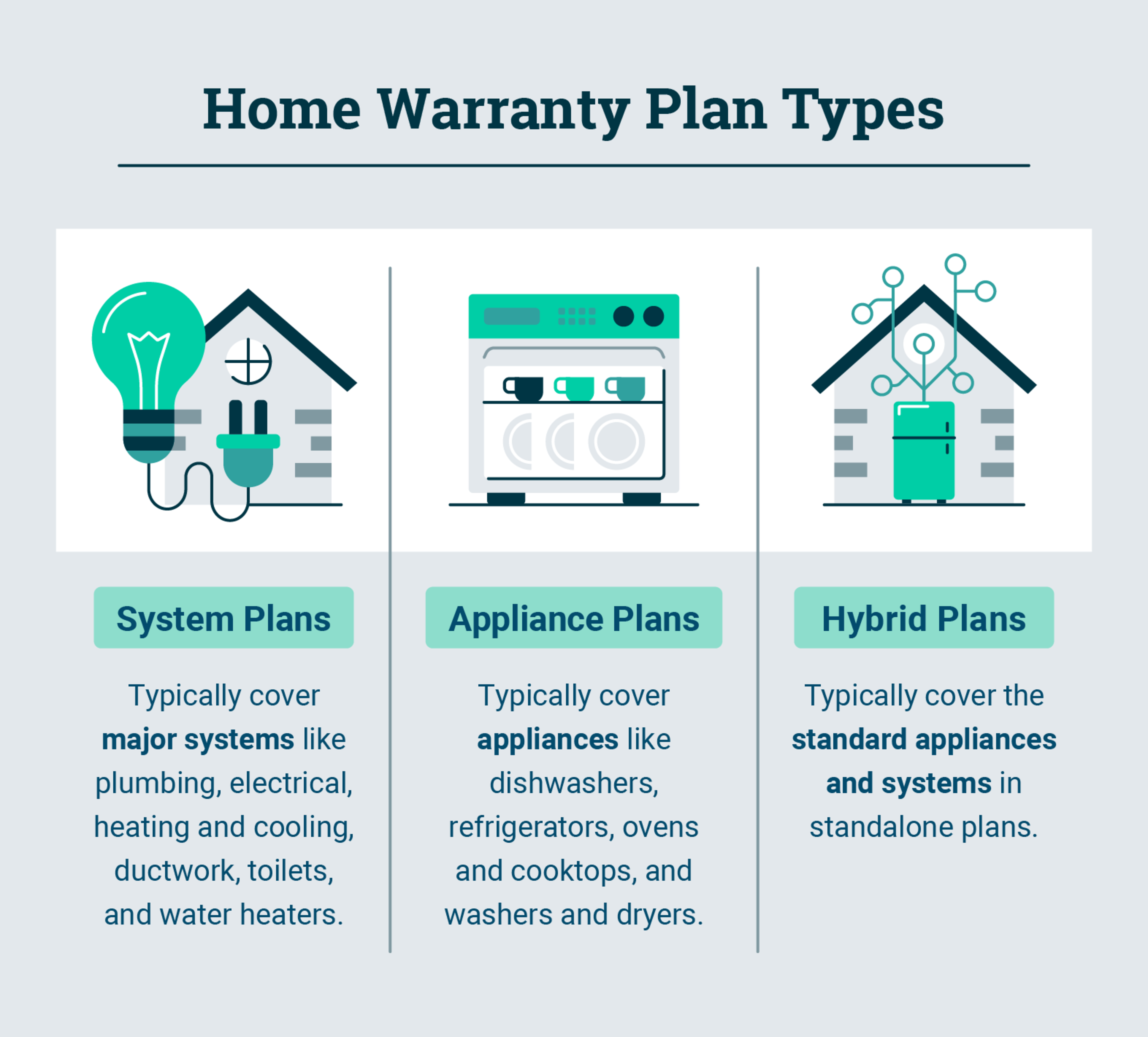
Home warranties cover repairs and replacements of heating systems due to normal use. Insurance protects against sudden events like fire or storm damage. Knowing the difference helps you decide if you need both.
- Home warranties pay for wear and tear repairs.
- Insurance covers damage from accidents or disasters.
- Warranties often have service call fees.
- Insurance requires deductibles before coverage starts.
Specialized Heating System Policies
Some companies offer special policies for heating systems. These cover parts and repairs not included in standard insurance or warranties.
| Policy Type | Coverage | Ideal For |
| Extended Heating System Warranty | Repairs and replacements of heating parts | Older systems with frequent issues |
| Mechanical Breakdown Insurance | Fixes due to mechanical failure or breakdown | New or high-end heating systems |
| Combined Home and Heating System Policy | Both damage and breakdown coverage | Homeowners wanting full protection |
Frequently Asked Questions
Does Homeowners Insurance Cover Heating System Repairs?
Homeowners insurance typically covers damage from specific perils like fire or storm. It doesn’t usually cover routine repairs or maintenance for heating systems. Always check your policy’s specifics to understand what’s included.
Is Furnace Damage Covered By Homeowners Insurance?
Furnace damage may be covered if caused by a covered peril, like a fire. Routine wear and tear or maintenance issues are usually not covered. Review your insurance policy for detailed coverage information.
Are Heating System Leaks Covered By Insurance?
Insurance may cover leaks if they’re sudden and accidental, like from a burst pipe. Gradual leaks due to lack of maintenance are not typically covered. Verify with your insurer for specific coverage details.
Can I Claim Hvac Replacement On Insurance?
You might claim HVAC replacement if a covered peril causes the damage. Normal wear and tear or age-related issues aren’t covered. Check your policy to know the exact scenarios covered.
Conclusion
Homeowners insurance may cover heating system damage in some cases. Usually, it protects against sudden events like fire or storms. Wear and tear or maintenance issues often are not included. Checking your policy details helps avoid surprises later. Consider extra coverage if your heating system is old or costly.
Regular maintenance keeps your system running and lowers risks. Understanding your insurance helps you stay prepared and protected. Always ask your agent about what is covered and what is not. Peace of mind comes from knowing your home and heating system are safe.