Have you ever wondered if the sweltering summer heat could be affecting your refrigerator’s performance? When temperatures soar, keeping your food fresh becomes even more crucial.
But does the hot weather play a role in how well your fridge functions? This is a question that many homeowners ponder, especially during the hottest months of the year. We’re diving into the relationship between scorching weather and your trusty kitchen appliance.
You’ll discover insights that could help you maximize your refrigerator’s efficiency and potentially save on energy bills. Don’t let the heat catch you off guard—equip yourself with the knowledge to ensure your fridge runs smoothly, no matter how high the mercury rises. Keep reading to uncover how you can protect your food and your wallet from the effects of hot weather.

Credit: www.createrefrigeration.com
How Heat Impacts Refrigerators
Hot weather puts extra stress on refrigerators. High temperatures outside make it harder for fridges to keep cool inside. This raises several issues for the appliance’s performance and lifespan.
Heat forces the refrigerator to work harder. This can affect its efficiency, energy use, and the durability of key parts. Understanding these effects helps in better fridge care during summer or warm climates.
Effect On Cooling Efficiency
Heat reduces a refrigerator’s ability to cool properly. The appliance must fight against the warm air to maintain cold temperatures. This slows down the cooling process. Food may not stay fresh as long. Temperature inside can become uneven, causing some spots to be warmer.
Increased Energy Consumption
Refrigerators use more electricity in hot weather. The compressor runs longer to cool the interior. This increases energy bills. The fridge consumes more power trying to balance the heat outside. Energy waste occurs if the door opens often or seals are weak.
Wear And Tear On Components
Heat speeds up wear on fridge parts. The compressor works overtime, which can cause overheating. Fans and coils may accumulate dust, reducing airflow. This forces the motor to strain more. Over time, these stresses shorten the refrigerator’s lifespan and increase repair needs.
Signs Your Fridge Struggles In Heat
Hot weather can push your refrigerator to its limits. Recognizing the signs that your fridge is struggling in the heat helps you act before it breaks down or spoils your food. Keep an eye out for subtle changes that hint your appliance is under stress during warmer days.
Longer Cooling Cycles
Has your fridge been running more frequently or longer than usual? Hot weather forces the compressor to work harder to maintain cool temperatures inside. If you notice the cooling cycles lasting much longer, it means your fridge is using extra energy to fight the heat outside.
This not only raises your electricity bill but can also wear out parts faster. Think about the last summer you had to deal with this—did your food stay as fresh as before?
Unusual Noises
Listen carefully for new or louder sounds coming from your refrigerator. Buzzing, humming, or clicking noises that weren’t there before might indicate the compressor or fans are struggling in the heat. These noises often mean the fridge is working overtime or facing mechanical strain.
Ignoring these sounds can lead to costly repairs. Have you ever heard your fridge suddenly become noisier during a heatwave?
Temperature Fluctuations
If your fridge’s temperature seems inconsistent, it’s a red flag. Hot weather can cause the internal temperature to swing, making some areas too warm and others too cold. This can spoil sensitive items like dairy and vegetables faster than usual.
Check your fridge regularly with a thermometer. Are you confident your food is stored at the right temperature during these hot spells?
Tips To Maintain Refrigerator Performance
Maintaining your refrigerator’s performance in hot weather is crucial. High temperatures make refrigerators work harder. This can raise energy costs and shorten the appliance’s life. Simple care steps help keep your fridge cool and efficient.
Optimal Placement And Ventilation
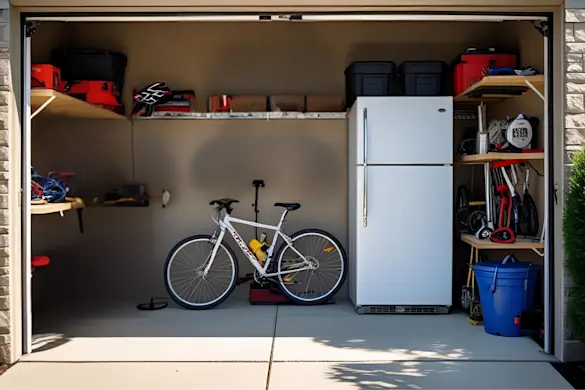
Place your refrigerator in a cool, shaded spot. Avoid direct sunlight on its surface. Leave space around the fridge for air to circulate. Proper ventilation helps the compressor cool better. This reduces strain and improves efficiency.
Avoid Frequent Door Opening
Opening the fridge door often lets warm air inside. This forces the fridge to use more energy. Keep the door closed as much as possible. Plan what you need before opening the door. This keeps the inside temperature stable.
Regular Cleaning Of Coils
Dust and dirt on coils block heat release. Clean the coils every few months with a brush or vacuum. This helps the fridge cool faster and saves energy. Clean coils reduce the risk of breakdowns in hot weather.
Keep Fridge Away From Heat Sources
Do not place your fridge near ovens, stoves, or heaters. These heat sources raise the fridge’s workload. Heat causes the compressor to run longer. This wastes energy and wears out the appliance faster.

Credit: uk.jackery.com
Energy-saving Practices During Hot Days
Hot weather makes refrigerators work harder to keep food cold. This can increase energy use and raise electricity bills. Simple energy-saving practices help reduce this impact. They keep your fridge efficient and save power during warm days.
Adjusting Temperature Settings
Set your refrigerator temperature between 37°F and 40°F (3°C to 4°C). Freezer temperature should stay at 0°F (-18°C). Avoid setting temperatures too low. Lower settings make the fridge use more energy. Adjust settings to balance cooling and energy use.
Using Fans To Improve Airflow
Place a small fan near the refrigerator. This moves air around the fridge and keeps it cooler outside. Good airflow stops heat from building up. It reduces the fridge’s workload. Make sure the fan does not blow directly inside the fridge.
Minimizing Frozen Food Exposure
Open the freezer door only when needed. Keep frozen food organized for quick access. Avoid leaving the door open for long. This stops warm air from entering. Warm air makes the freezer work harder and use more energy.
When To Call A Professional
Hot weather can put extra strain on your refrigerator. Sometimes, small issues turn into bigger problems. Knowing when to call a professional saves time and money. It also keeps your food fresh and safe.
Persistent Cooling Problems
When your fridge struggles to keep cold, it needs expert help. Constant warm spots or uneven cooling are signs. A professional can check the compressor and refrigerant levels. They find and fix hidden issues fast.
Unusual Smells Or Leaks
Strange odors or liquid under the fridge mean trouble. These can come from spoiled food or a refrigerant leak. Both can damage your appliance and harm your health. Call a technician to inspect and clean the fridge properly.
Frequent Breakdowns
Repeated fridge malfunctions signal deeper problems. It wastes energy and risks food spoilage. A professional can diagnose recurring faults and replace worn parts. Regular service improves performance, especially in hot weather.
Credit: www.createrefrigeration.com
Frequently Asked Questions
Does Hot Weather Make Refrigerators Work Harder?
Yes, hot weather increases refrigerator workload. Higher external temperatures force the fridge to use more energy to maintain cool internal temperatures, potentially raising electricity bills and wearing out components faster.
Can Heat Damage Refrigerator Efficiency?
Heat can reduce refrigerator efficiency. Excessive warmth causes the compressor to run longer, leading to higher energy consumption and possible overheating, which may shorten the appliance’s lifespan.
How Does Hot Weather Affect Fridge Cooling?
Hot weather challenges fridge cooling performance. It slows the cooling process, causing the fridge to struggle maintaining optimal temperatures, which can affect food freshness and safety.
Should I Adjust Refrigerator Settings In Summer?
Adjusting settings in summer is advisable. Lowering the temperature slightly helps counteract external heat, ensuring consistent cooling and protecting food from spoilage during hot weather.
Conclusion
Hot weather can make refrigerators work harder to stay cool. This may raise electricity bills and cause wear over time. Keep your fridge away from direct sunlight for better performance. Regular cleaning of coils also helps it run smoothly. Small steps can protect your appliance in hot conditions.
Stay mindful of these tips to keep food fresh and save energy. Your refrigerator will thank you by lasting longer and working well. Simple care makes a big difference during warm days.