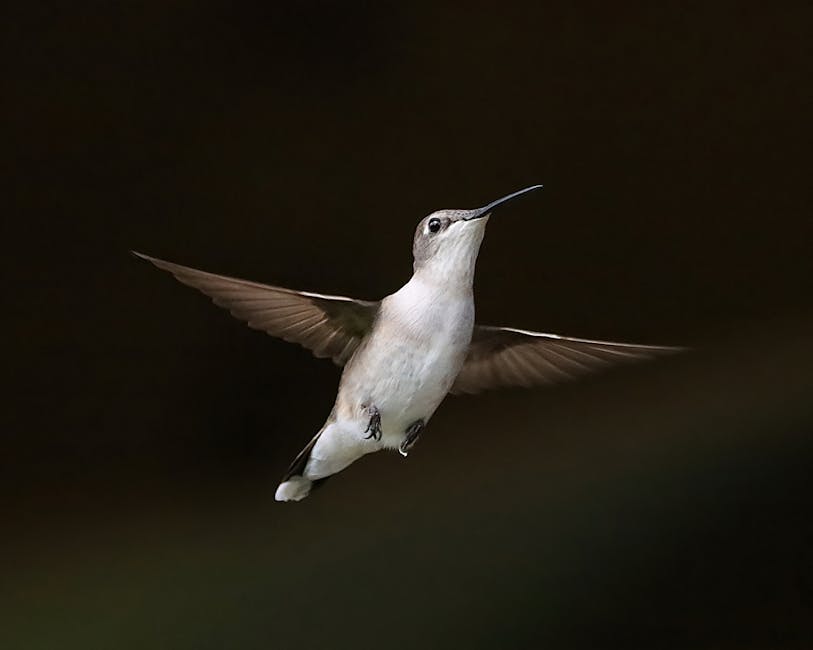
Ever wondered if you’re caring for your backyard hummingbirds in the best way possible? As you mix up a batch of sweet nectar for these charming little creatures, a question might pop into your mind: does hummingbird nectar need to be refrigerated?
This seemingly small detail can make a big difference in keeping your feathered friends healthy and happy. Imagine the joy of seeing hummingbirds flock to your garden, knowing you’re providing the freshest, safest nectar. By reading on, you’ll discover the simple yet crucial steps to ensure your hummingbird feeder becomes a favorite dining spot.
Don’t let uncertainty spoil the experience; let’s explore the facts together, so you can enjoy the delightful company of these tiny wonders.

Credit: www.reddit.com
Hummingbird Nectar Basics
Understanding the basics of hummingbird nectar is essential before deciding whether it needs refrigeration. Knowing what goes into the nectar and why its quality matters can help you provide the best nourishment for these tiny visitors. Let’s break down the essentials to make sure your feeders attract and support hummingbirds effectively.
Ingredients And Preparation
Hummingbird nectar is simple to make, usually just two ingredients: sugar and water. Use four parts water to one part white granulated sugar. Avoid honey, artificial sweeteners, or red dye—they can harm the birds or encourage harmful mold growth.
Boil the water before adding sugar to dissolve it completely and kill any bacteria. Let the mixture cool before filling your feeder. This preparation ensures a clean, safe food source that mimics natural flower nectar.
Why Nectar Quality Matters
Have you ever noticed how quickly hummingbirds visit a fresh feeder compared to one left out too long? Nectar quality directly affects their health and feeding habits. Old or fermented nectar can make birds sick and deter them from returning.
Keeping nectar fresh means replacing it every few days, especially in warm weather. It’s not just about preventing mold; fresh nectar encourages regular visits and keeps hummingbirds strong and active. How often do you check your feeder’s nectar? This small habit can make a big difference.

Credit: nationalzoo.si.edu
Storage Options For Nectar
Proper storage of hummingbird nectar keeps it fresh and safe for birds. Nectar can spoil quickly if not stored correctly. Choosing the right storage method helps maintain its quality. Below are common storage options and tips to prevent spoilage.
Room Temperature Storage
Fresh nectar can stay good at room temperature for up to 24 hours. Keep it in a clean, sealed container away from direct sunlight. Warm temperatures speed up fermentation, so avoid hot spots. Use the nectar quickly to avoid attracting ants or mold.
Refrigeration Benefits
Refrigerating nectar extends its freshness up to one week. Cool temperatures slow down bacteria growth and fermentation. Store nectar in a sealed bottle or jar to prevent contamination. Always bring it to room temperature before refilling the feeder to avoid shocking the birds.
Avoiding Mold And Fermentation
Mold and fermentation spoil nectar and can harm hummingbirds. Clean feeders regularly with hot water and mild soap. Replace nectar every two to three days in warm weather. Use only plain white sugar and water to prevent mold growth. Avoid honey, artificial sweeteners, or food coloring in nectar.
Signs Nectar Has Gone Bad
Hummingbird nectar can spoil if left too long or stored improperly. Knowing the signs of bad nectar helps protect your birds. Spoiled nectar can harm hummingbirds and attract unwanted insects. Watch for changes in color, smell, and texture. These clues show when nectar is no longer safe to use. Replace the nectar promptly to keep feeders fresh and birds healthy.
Color Changes
Fresh hummingbird nectar is clear or slightly cloudy white. It may have a faint yellow tint but should not look dark. Darkening or a brownish color means the nectar is old or contaminated. Avoid using nectar that looks different from when you first made it. Color changes suggest bacteria or mold growth.
Unpleasant Odors
Good nectar has little to no smell. Sour or fermented odors indicate spoilage. If the nectar smells like alcohol, vinegar, or rotten fruit, throw it away. Bad smells mean harmful bacteria or yeast have developed. Clean feeders thoroughly before refilling to prevent odors.
Cloudiness And Sediment
Cloudy nectar or particles floating inside show nectar decay. Sediment may settle at the bottom from mold or bacteria. Nectar should be mostly clear with no chunks or fuzz. Cloudiness and sediment are signs to discard the nectar immediately. Use fresh nectar to avoid health risks to hummingbirds.
Best Practices For Nectar Lifespan
Keeping your hummingbird nectar fresh and safe is key to attracting these tiny visitors repeatedly. Nectar can spoil quickly if not handled properly, affecting both the birds’ health and your enjoyment. Let’s look at some best practices that help extend the lifespan of your nectar and keep your feeders inviting.
Cleaning Feeders Regularly
Dirty feeders are a common cause of nectar spoilage. Bacteria and mold grow fast in leftover nectar, which can harm hummingbirds and shorten nectar life.
Wash your feeders with hot, soapy water at least once a week. Use a small brush to scrub all parts thoroughly, especially tiny feeding ports where residue builds up.
Rinsing well is crucial—any soap left behind can be harmful. After cleaning, let feeders dry completely before refilling to prevent mold growth.
Making Small Batches
Mix only as much nectar as your hummingbirds can consume in 3 to 5 days. Large batches often sit too long, leading to fermentation and spoilage.
Use a simple recipe: four parts water to one part white granulated sugar, boiled and cooled. Avoid honey or artificial sweeteners as they can encourage mold.
Smaller batches ensure fresher nectar, saving you from frequent cleaning headaches and keeping your hummingbird guests happy.
Timing For Nectar Replacement
Replace nectar every 3 to 5 days, even if it looks clean. Warmer weather speeds up spoilage, so check feeders daily during hot spells.
Watch for signs like cloudiness, bubbles, or a sour smell. These indicate that the nectar is no longer safe for hummingbirds.
If you don’t see many birds visiting, still change the nectar regularly—stale food can discourage them from returning.
Environmental Factors Affecting Nectar
Environmental factors play a crucial role in determining whether hummingbird nectar needs refrigeration. The way temperature and humidity interact with your nectar can either preserve its freshness or cause it to spoil quickly. Understanding these elements helps you decide the best way to store your nectar and keep your hummingbird feeders safe.
Temperature And Humidity Impact
High temperatures speed up the fermentation and spoilage of hummingbird nectar. If you live in a warm climate, nectar can go bad in as little as one day. On the other hand, cooler temperatures slow down this process, allowing nectar to last longer without refrigeration.
Humidity also affects nectar quality. When the air is very humid, it encourages mold growth in your feeder, especially if the nectar sits out too long. This means you’ll need to clean and refill your feeder more often, or consider refrigerating the nectar to keep it fresh.
Seasonal Considerations
During hot summer months, it’s wise to refrigerate your nectar to prevent it from spoiling quickly. You might notice that your feeder needs refilling daily in summer, while in cooler seasons, nectar can last several days without refrigeration.
In cooler seasons or climates, the need to refrigerate decreases. However, even in mild weather, storing nectar in the fridge can extend its freshness and reduce the risk of harmful bacteria developing.
Have you noticed how your nectar behaves differently across seasons? Keeping an eye on temperature and humidity can guide you to the best storage method for your hummingbird nectar.

Credit: www.reddit.com
Frequently Asked Questions
Does Hummingbird Nectar Need Refrigeration?
Yes, refrigerating hummingbird nectar is recommended. It slows fermentation and mold growth, keeping nectar fresh longer. Store nectar in a sealed container in the fridge and use it within a week for best results.
How Long Can Hummingbird Nectar Stay Unrefrigerated?
Hummingbird nectar can stay unrefrigerated for 1 to 2 days. Warm temperatures speed up fermentation and spoilage. To avoid harmful bacteria, replace nectar frequently if not refrigerated.
Can Homemade Nectar Be Refrigerated Safely?
Absolutely, homemade nectar can and should be refrigerated. Cooling preserves the sugar-water mixture’s quality and prevents fermentation. Always use clean containers to store nectar in the fridge for up to one week.
What Happens If Hummingbird Nectar Is Not Refrigerated?
If not refrigerated, nectar ferments quickly, producing harmful bacteria. This can harm hummingbirds and reduce nectar attractiveness. Frequent nectar replacement or refrigeration ensures safer feeding.
Conclusion
Hummingbird nectar stays fresh longer when stored properly. Keep it in a cool, dark place. Refrigeration helps slow down spoilage and mold growth. Avoid letting nectar sit out too long in warm weather. Clean feeders regularly to keep birds healthy.
Fresh nectar attracts hummingbirds and keeps them coming back. Simple care makes a big difference for your feeders. Now you know how to keep nectar safe and tasty. Enjoy watching these beautiful birds visit your garden!