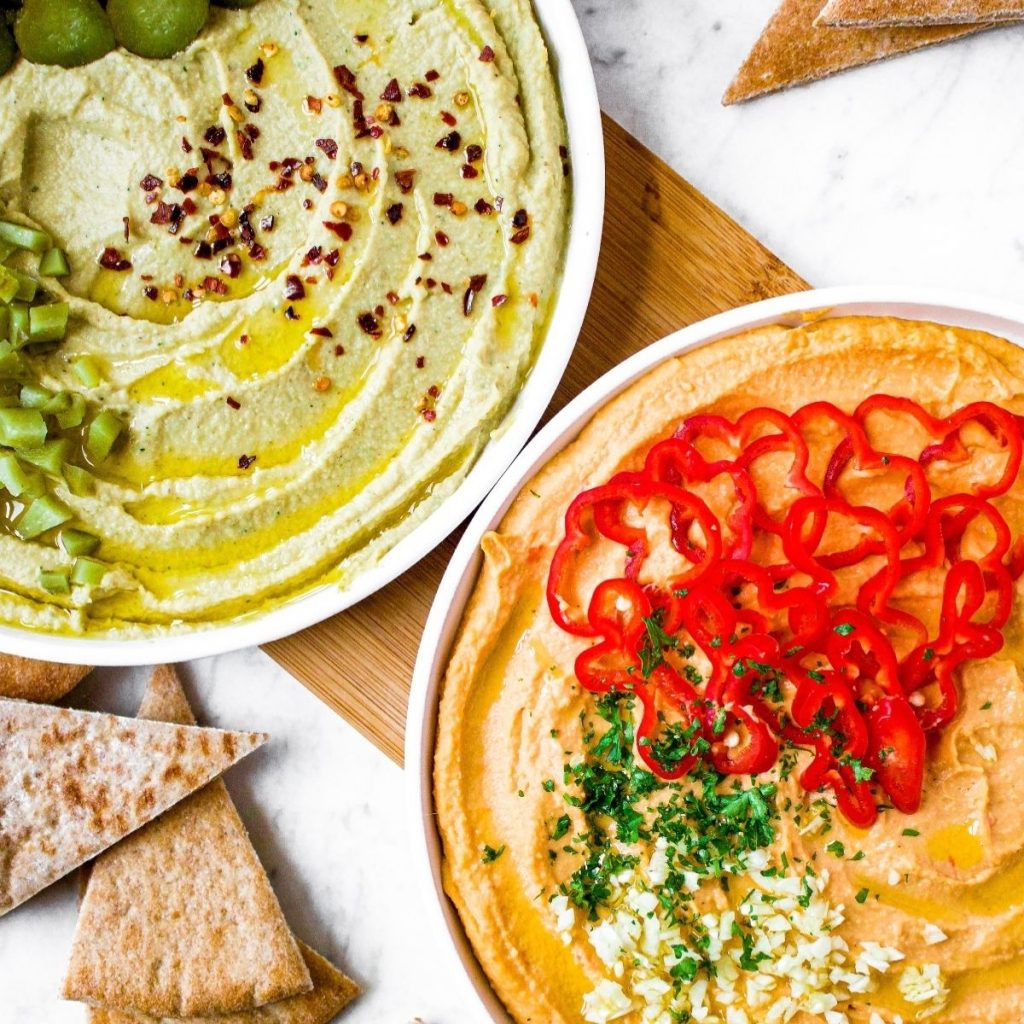
You’ve probably enjoyed hummus as a tasty snack or a healthy dip. But have you ever wondered if hummus needs to be refrigerated?
Maybe you left a container out for a while and started to question if it’s still safe to eat. Knowing the right way to store hummus can save you from wasting food and keep you feeling confident about what’s on your plate.
Keep reading, and you’ll discover exactly when and how to refrigerate hummus to enjoy it fresh and delicious every time.

Credit: www.sabra.com
Hummus Shelf Life
Hummus is a tasty and healthy dip made from chickpeas, tahini, and olive oil. Knowing how long it lasts helps keep it safe and fresh. The shelf life of hummus depends on whether it is opened or unopened. Proper storage is key to maintaining its flavor and texture.
Unopened Hummus Duration
Unopened hummus usually stays fresh for about 1 to 2 weeks past the “best by” date. It should be kept in a cool, dry place before opening. Refrigeration extends its freshness and prevents spoilage. Commercial hummus often has preservatives to help it last longer.
Opened Hummus Duration
Once opened, hummus should be eaten within 4 to 7 days. Keep it tightly sealed and refrigerated at all times. Exposure to air and bacteria speeds up spoilage. Check for signs like sour smell or mold before eating.
Factors Affecting Freshness
- Storage temperature: Cold keeps hummus fresh longer.
- Exposure to air: Oxygen causes faster spoilage.
- Clean utensils: Using dirty spoons introduces bacteria.
- Ingredients: Homemade hummus may spoil faster than store-bought.
- Preservatives: Store brands last longer due to additives.

Credit: www.plantpowercouple.com
Refrigeration Benefits
Refrigerating hummus offers several clear benefits that go beyond just keeping it cold. It helps preserve the hummus in ways that maintain its quality and safety. Understanding these benefits can help you enjoy hummus at its best, every time.
Preventing Spoilage
Hummus is a perishable food with ingredients like chickpeas and tahini that can spoil quickly if left at room temperature. Refrigeration slows down the growth of bacteria and molds that cause spoilage.
When you keep hummus cold, it lasts longer—sometimes up to a week or more in the fridge. Have you ever opened a tub of hummus and noticed a sour smell or visible mold? That’s spoilage at work, and refrigeration is the easiest way to stop it.
Maintaining Flavor And Texture
Have you ever tasted hummus that seemed dry or grainy? Without refrigeration, its texture can change, becoming less creamy and more crumbly. Cooling hummus helps keep its smooth, rich texture intact.
Flavor is also preserved better in the fridge. Warm temperatures can cause the oils in tahini to separate or turn rancid, altering the taste. Keeping hummus chilled locks in that fresh, nutty flavor you expect.
Food Safety Concerns
Food safety is a crucial reason to refrigerate hummus. Harmful bacteria like Listeria can grow in hummus if it’s stored improperly. This can lead to foodborne illness, especially in children, pregnant women, and those with weakened immune systems.
Do you know how long your hummus has been out of the fridge? Leaving it out for more than two hours can increase risks. Storing hummus in the refrigerator not only protects your health but also gives you peace of mind.
Storing Homemade Hummus
Storing homemade hummus properly is key to keeping its fresh taste and creamy texture. Unlike store-bought hummus, homemade versions don’t contain preservatives, so they need a bit more care. Knowing how to store it right can save you from wasting your delicious effort and money.
Best Containers To Use
Choose airtight containers to keep your hummus fresh longer. Glass jars with tight-fitting lids work great because they don’t absorb odors or stains. If you only have plastic containers, make sure they are BPA-free and seal tightly to prevent air exposure.
Shallow containers are better than deep ones. Spreading the hummus out in a thin layer helps it chill evenly and reduces the risk of spoilage. Avoid leaving your hummus in the mixing bowl uncovered—it dries out quickly and picks up fridge smells.
Optimal Refrigerator Settings
Set your fridge temperature between 34°F and 40°F (1°C to 4°C) for best results. Too warm, and bacteria can grow; too cold, and the hummus texture might change. Regularly check your fridge thermometer to maintain this safe zone.
Store your hummus on a middle shelf where the temperature is stable. Avoid placing it in the door, where the temperature fluctuates every time you open it. Small changes can cause your hummus to spoil faster than you expect.
Signs Of Spoilage
How can you tell if your homemade hummus has gone bad? Look for mold spots—white, green, or black patches are a clear red flag. Any sour or off smell means it’s time to toss it out.
Texture changes can also signal spoilage. If the hummus becomes watery or unusually grainy, it’s best not to eat it. Have you ever ignored these signs only to regret it later? Trust your senses—they are your best guide.
Storing Store-bought Hummus
Storing store-bought hummus properly keeps it fresh and tasty. Packaging, storage conditions, and handling affect its shelf life. Understanding the best ways to store hummus helps avoid spoilage and food waste. Follow simple steps to maintain quality and safety.
Packaging Tips
Keep hummus in its original container until use. The sealed packaging prevents air and bacteria from entering. Avoid transferring hummus to other containers unless airtight. Use plastic wrap or a tight lid to cover the container after opening. Check for any damage or swelling in the package before buying.
Shelf-stable Options
Some store-bought hummus comes in shelf-stable packages. These do not require refrigeration until opened. They often use special packaging or preservatives to last longer. Store shelf-stable hummus in a cool, dry place away from sunlight. Check the expiration date and store according to the label instructions.
After Opening Instructions
Once opened, refrigerate hummus immediately. Keep the container tightly sealed to slow down spoilage. Consume within 5 to 7 days for best taste and safety. Use a clean spoon each time to avoid contamination. Watch for changes in smell, color, or texture as signs of spoilage.
Room Temperature Storage
Hummus should be kept in the fridge to stay fresh and safe. Leaving it at room temperature can cause it to spoil quickly. Always refrigerate after opening to prevent bacteria growth.
Room temperature storage of hummus is a common practice for many. It’s convenient, especially for quick snacks. But how safe is it to leave hummus out? Understanding the safe time limits, potential risks, and acceptable situations is crucial.Safe Time Limits
Hummus can sit out at room temperature for about two hours. This is the general guideline for perishable foods. After this period, bacteria can grow quickly. If hummus stays out longer, it may no longer be safe to eat.Risks Of Leaving Out Too Long
Leaving hummus out too long can lead to bacterial growth. This may cause foodborne illnesses. Symptoms include stomach pain, vomiting, or diarrhea. Always consider the safety of your health and food.When It’s Acceptable
It’s okay to leave hummus out briefly during meals or parties. Ensure it’s consumed or refrigerated within two hours. If the room is warmer, shorten this time. Always prioritize freshness and safety.Freezing Hummus
Freezing hummus can be a game-changer if you want to keep it fresh for longer periods. But does freezing affect its quality? Understanding how to freeze hummus properly and what changes to expect can help you enjoy it without surprises.
How To Freeze Properly
Start by placing your hummus in an airtight container or a freezer-safe bag. Leave some space at the top because hummus expands when frozen.
Label the container with the date so you know how long it’s been stored. Ideally, use the frozen hummus within 3 to 4 months for the best flavor.
To avoid freezer burn, make sure the container is sealed tightly. You can also cover the surface with a thin layer of olive oil to help preserve moisture.
Effects On Texture And Taste
Freezing hummus changes its texture. It often becomes grainy or crumbly after thawing.
The taste might be slightly less vibrant, especially if your hummus has fresh ingredients like garlic or lemon juice. However, the flavor usually remains good enough for dips and spreads.
Have you noticed how thawed hummus sometimes separates? This is normal. The ingredients settle apart but can be mixed back together with a quick stir.
Thawing Tips
Thaw your hummus in the fridge overnight for the safest and best texture. Avoid thawing at room temperature to prevent bacteria growth.
Once thawed, stir the hummus well to recombine any separated liquids. You can add a little olive oil or water to restore creaminess if needed.
Try warming it slightly in the microwave for a smoother consistency, but don’t overheat as it can alter the flavor.
Quick Tips For Freshness
Keeping your hummus fresh is easier than you might think. Small habits can make a big difference in taste and safety. Here are some quick tips to help you enjoy your hummus longer without worrying about spoilage.
Avoiding Cross-contamination
Cross-contamination is a common reason for hummus spoiling faster. Always keep hummus away from raw foods like meat or unwashed vegetables. If you’re serving hummus at a party, use separate dishes and avoid dipping directly into the main container.
Have you ever noticed how quickly leftovers go bad after double-dipping? That’s a clear sign of contamination. Protect your hummus by keeping it in a clean, dedicated container and avoid sharing utensils between different foods.
Using Clean Utensils
Using clean utensils every time you scoop hummus prevents bacteria buildup. Rinse your spoon or knife before each use, especially if you’ve used it with other foods. This simple step keeps your hummus safe and fresh for days.
Think about how often you dip your chips or veggies back into the container. It’s tempting, but using a fresh utensil or serving spoon reduces the risk of introducing germs. Clean tools equal longer-lasting hummus.
Storing Small Portions
Storing hummus in smaller containers helps maintain freshness. Instead of one large tub, divide your hummus into portions you can finish in a day or two. This limits exposure to air and contaminants each time you open a container.
Ever opened a big container of hummus and seen it dry out or develop a layer on top? Smaller containers prevent this and make snacks more convenient. Plus, you’ll reduce waste by only exposing what you plan to eat.

Credit: www.sabra.com
Frequently Asked Questions
Does Homemade Hummus Need Refrigeration?
Yes, homemade hummus must be refrigerated. It spoils quickly at room temperature. Keep it chilled to maintain freshness and prevent bacteria growth.
How Long Can Hummus Stay Unrefrigerated?
Hummus can stay unrefrigerated for up to 2 hours. Beyond this, bacteria can multiply, causing spoilage and potential food poisoning risks.
Can Refrigerated Hummus Last One Week?
Refrigerated hummus usually lasts 4 to 7 days. Always check for signs of spoilage like sour smell or mold before consumption.
Is Refrigerated Hummus Safe After Expiration?
It’s risky to eat hummus after expiration, even if refrigerated. Spoilage bacteria or toxins may be present, causing illness.
Conclusion
Hummus stays fresh and safe when stored in the fridge. Leaving it outside can cause it to spoil quickly. Always keep hummus in a sealed container to stop bacteria growth. Eating spoiled hummus can lead to stomach issues. So, refrigerate hummus after opening, even if you plan to eat it soon.
This simple step keeps your hummus tasty and healthy. Enjoy your hummus worry-free by storing it right every time. Easy and smart!