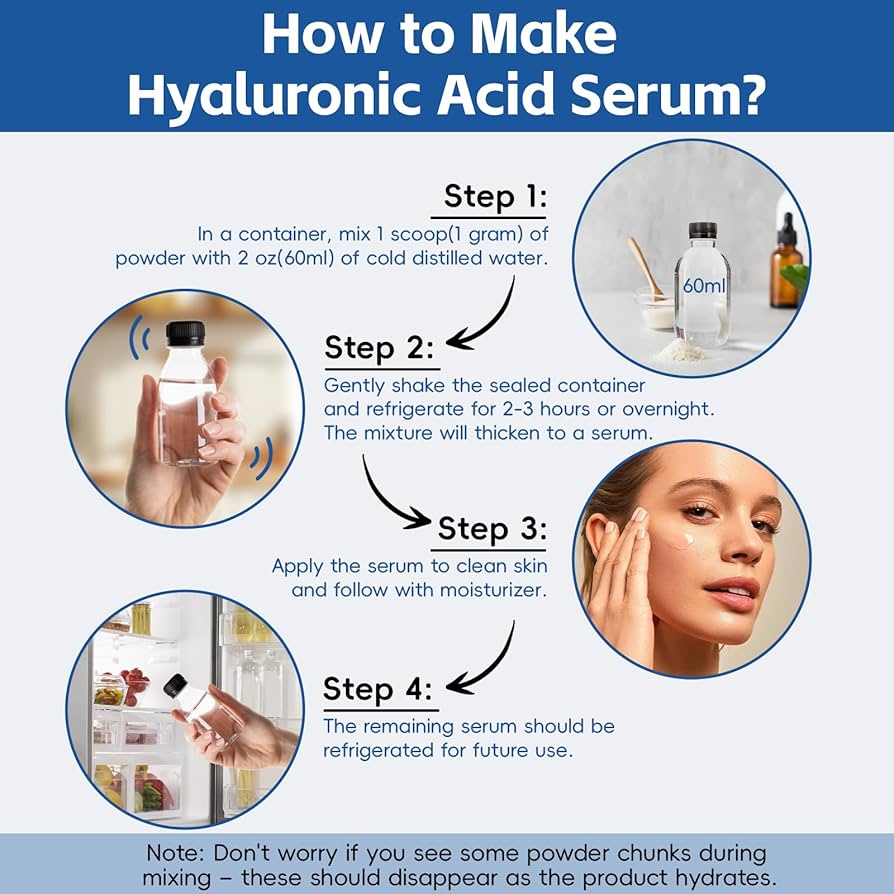
Are you using hyaluronic acid in your skincare routine and wondering if it needs to be kept in the fridge? You might have heard different opinions, and it’s confusing to know what’s best for your skin and your product.
Where you store your hyaluronic acid can affect how well it works and how long it lasts. You’ll discover the simple truth about refrigeration and learn how to keep your hyaluronic acid fresh and effective every time you use it.
Keep reading to protect your investment and get the most out of your skincare!

Credit: www.amazon.com
What Is Hyaluronic Acid
Hyaluronic acid is a buzzword in skincare, but what exactly is it? It’s a natural substance found in your skin that holds moisture and keeps your skin plump and hydrated. Understanding what hyaluronic acid is can help you decide how to store it and get the best results.
What Is Hyaluronic Acid Chemically?
Hyaluronic acid is a type of sugar molecule called a glycosaminoglycan. It’s made up of repeating units that attract and hold onto water molecules. This unique structure allows it to retain moisture up to 1,000 times its weight in water, making it a powerful hydrator.
Where Does Hyaluronic Acid Come From?
Your body naturally produces hyaluronic acid, especially in your skin, eyes, and joints. In skincare products, it’s often made through fermentation using bacteria or extracted from animal sources. This means the hyaluronic acid in your serum mimics what your body already knows how to use.
Why Is Hyaluronic Acid Important For Skin?
Hyaluronic acid helps maintain your skin’s moisture barrier, which is essential for healthy, youthful skin. Without enough moisture, your skin can look dull and feel dry. Using products with hyaluronic acid can boost hydration, reduce the appearance of fine lines, and improve skin texture.
How Does Hyaluronic Acid Work In Skincare Products?
When applied topically, hyaluronic acid pulls water from the environment and deeper skin layers to the surface. This creates a plumping effect that smooths out wrinkles and adds softness. But its effectiveness depends on the concentration and molecular size used in the product.

Credit: www.amazon.com
Storage Basics For Hyaluronic Acid
Proper storage is key to keeping hyaluronic acid effective and fresh. It is a delicate ingredient that can lose potency if not stored right. Understanding basic storage can help maintain its benefits for your skin.
Hyaluronic acid products often come in liquid or gel form. These forms need protection from heat, light, and air. Correct storage slows down degradation and preserves quality.
Ideal Temperature For Hyaluronic Acid
Hyaluronic acid prefers cool, stable temperatures. Room temperature, between 68°F and 77°F (20°C to 25°C), is usually best. Extreme heat can break down the molecules and reduce effectiveness.
Should You Refrigerate Hyaluronic Acid?
Refrigeration is not always necessary. It can extend shelf life but is optional for most products. Check product labels for specific instructions. Cold storage can also soothe the skin during application.
Protecting From Light And Air
Direct sunlight can damage hyaluronic acid. Store it in dark, opaque containers or cabinets. Keep the container tightly closed to avoid air exposure, which can cause oxidation.
Tips For Storing Hyaluronic Acid Products
- Keep away from bathroom heat and humidity.
- Store in a cool, dry place.
- Use airtight containers to prevent contamination.
- Avoid storing near windows or lights.
Benefits Of Refrigerating Hyaluronic Acid
Refrigerating hyaluronic acid can offer several benefits that go beyond just keeping it cool. Storing your serum or cream in the fridge can help maintain its effectiveness and prolong its shelf life. This small change in how you store the product might improve your skincare routine without extra effort.
Preserves Potency And Effectiveness
Hyaluronic acid is sensitive to heat and light, which can break down its molecules over time. When you keep it in the fridge, the cooler temperature slows this degradation process. This means your product stays potent longer, giving you the full hydrating benefits every time you use it.
Enhances Refreshing Sensation On Skin
Applying chilled hyaluronic acid feels soothing, especially if your skin is irritated or inflamed. The coolness reduces redness and gives an instant calming effect. Have you ever noticed how refreshing a cold splash of water feels? It’s similar with refrigerated skincare.
Reduces Risk Of Bacterial Growth
Lower temperatures help inhibit bacteria and mold growth in skincare products. While preservatives do their job, keeping hyaluronic acid cold adds an extra layer of protection. This can be particularly helpful if you live in a warm climate where products spoil faster.
Extends Shelf Life Of The Product
Proper refrigeration slows down chemical reactions that cause the product to expire. This means you can use your hyaluronic acid longer without worrying about it losing quality. It’s a simple way to get more value from your purchase.
Risks Of Improper Storage
Improper storage of hyaluronic acid can reduce its effectiveness. This skincare ingredient is delicate and needs care to stay potent. Storing it incorrectly can cause changes that harm its quality.
Exposure to heat, light, or air can break down hyaluronic acid. This breakdown lessens its ability to hydrate and soothe the skin. The product may also change in texture or color, signaling damage.
Loss Of Potency And Effectiveness
Hyaluronic acid loses strength if kept in warm or sunny places. The molecule breaks down faster, making the product less useful. This means your skin gets fewer benefits from the serum or cream.
Bacterial Growth And Contamination
Storing hyaluronic acid in warm, moist areas invites bacteria and mold. These can contaminate the product, risking skin infections or irritation. Proper sealing and cool storage reduce this risk.
Changes In Texture And Appearance
Heat and light can alter the texture of hyaluronic acid products. The liquid may become cloudy or thick, or separate into layers. These changes show the product is no longer safe to use.
How Temperature Affects Hyaluronic Acid
Temperature plays a key role in maintaining the quality of hyaluronic acid. This ingredient is sensitive to heat and cold. Changes in temperature can affect its texture, potency, and shelf life. Understanding how temperature impacts hyaluronic acid helps in proper storage and use.
Extreme heat can break down the molecules in hyaluronic acid. This reduces its effectiveness and hydration power. On the other hand, very cold temperatures can cause the product to thicken or separate. Proper storage keeps it stable and safe for your skin.
Effect Of Heat On Hyaluronic Acid
Heat speeds up the breakdown of hyaluronic acid. High temperatures cause its molecules to degrade quickly. This loss reduces its ability to hold moisture. Heat exposure may also change the color or smell of the product. Avoid storing hyaluronic acid near heaters or direct sunlight.
Impact Of Cold On Hyaluronic Acid
Cold temperatures can make hyaluronic acid gel thicker. It may separate into layers or become cloudy. These changes do not always harm the product but can affect texture. Freezing should be avoided as it may damage the formula. Store it in a cool, dry place but not in the freezer.
Optimal Storage Temperature For Hyaluronic Acid
- Keep between 15°C and 25°C (59°F and 77°F).
- Store away from direct sunlight and heat sources.
- Seal the container tightly after use.
- Avoid freezing or extreme temperature changes.
Following these guidelines helps maintain the freshness and potency of hyaluronic acid. Proper temperature control ensures the product works well on your skin for longer.
Expert Recommendations On Storage
Experts offer clear advice on storing hyaluronic acid safely. Proper storage keeps the product stable and effective. It prevents contamination and extends shelf life.
Following expert tips helps maintain the quality of your skincare product. Storage conditions matter more than refrigeration alone.
Ideal Temperature Range For Hyaluronic Acid
Keep hyaluronic acid in a cool place between 15°C and 25°C (59°F to 77°F). Avoid extreme heat or freezing temperatures. Both can damage the formula and reduce effectiveness.
Protecting From Light And Air Exposure
Store the product in a dark, airtight container. Light and air cause the breakdown of ingredients. Use containers with tight lids to prevent oxidation and contamination.
When Refrigeration Is Recommended
Refrigeration is optional but beneficial in some cases. It suits natural or preservative-free formulas that spoil faster. Refrigerating can also provide a refreshing sensation upon application.
Storage Tips From Dermatologists
- Keep the product away from bathroom humidity.
- Store on a bedroom dresser or cabinet instead.
- Close the bottle tightly after each use.
- Do not share your product to avoid bacteria.
Signs Your Hyaluronic Acid Is Spoiled
Knowing when your hyaluronic acid has gone bad can save you from skin irritation and wasted money. It’s not always obvious at first glance, so you need to watch for subtle changes. Paying attention to these signs helps you keep your skincare routine safe and effective.
Appearance Changes
Has your hyaluronic acid turned cloudy or changed color? Clear, slightly viscous liquid should stay consistent in look. Any yellowing, darkening, or separation into layers is a red flag that spoilage has begun.
Sometimes, you might notice particles or sediment settling at the bottom. This is not normal and means the product’s stability has been compromised. Would you apply something questionable to your face without checking?
Unusual Smell
Hyaluronic acid typically has little to no scent. If you detect a sour, rancid, or chemical odor, it’s a strong sign the product is no longer good. Your nose can be your best tool in spotting spoilage before you even open the container fully.
Using a product with a bad smell risks skin reactions and defeats the purpose of gentle hydration. Trust your instincts—if it smells off, don’t use it.
Texture Alterations
Has the texture become sticky, slimy, or overly thick? Hyaluronic acid should feel smooth and lightweight. Any change in texture indicates that the formula is breaking down.
I once ignored a slightly sticky feel and ended up with irritated skin. It’s worth discarding questionable products instead of risking discomfort or worse.
Reduced Effectiveness
If your skin no longer feels hydrated or plump after application, your hyaluronic acid may be losing potency. Spoiled product loses its ability to bind moisture effectively.
Have you ever wondered why your trusted serum suddenly stops working? It might be time to check if it’s past its prime.
Expiration Date And Storage Check
Always check the expiration date and storage instructions on the label. Using expired or improperly stored hyaluronic acid increases the chance of spoilage.
Even if the product looks fine, old age can reduce its quality. How often do you review your skincare products’ shelf life?
Tips To Extend Shelf Life
Keeping your hyaluronic acid fresh and effective is easier than you might think. Small changes in how you store and handle your product can make a big difference in its shelf life. Let’s look at some practical tips that can help you get the most out of your hyaluronic acid.
Store In A Cool, Dark Place
Heat and light can break down hyaluronic acid, reducing its effectiveness. Keep your bottle away from direct sunlight and avoid storing it near heat sources like radiators or windowsills. A cool cabinet or drawer can be a perfect spot.
Keep The Lid Tightly Closed
Air exposure speeds up oxidation, which degrades the serum’s quality. Always make sure the cap is screwed on tightly after each use. This simple habit can preserve the formula and prevent contamination.
Use Clean Hands Or Tools
Introducing bacteria from your fingers can spoil the product faster. Use a clean dropper, spatula, or pump to apply the serum instead of dipping your fingers directly into the bottle. It’s a small change that makes a big difference.
Avoid Temperature Fluctuations
Constant changes between hot and cold can affect the stability of hyaluronic acid. Try not to move your serum between very different environments, like from a warm bathroom to a cold refrigerator repeatedly. Consistency helps maintain its potency.
Check Expiry Dates And Batch Codes
Always note the expiration date on the packaging and keep an eye on batch codes if available. If your serum changes color, smell, or texture, it’s a sign that it might be time to replace it. Trust your senses to avoid using a product that’s past its prime.

Credit: www.amazon.com
Frequently Asked Questions
Should Hyaluronic Acid Be Stored In The Fridge?
Hyaluronic acid doesn’t need refrigeration, but it can enhance its longevity. Storing it in a cool, dark place is sufficient. If you live in a warm climate, refrigeration might help maintain its consistency and efficacy. Always ensure the product’s packaging is tightly sealed to prevent contamination.
Can Heat Affect Hyaluronic Acid’s Effectiveness?
Yes, heat can degrade hyaluronic acid, reducing its effectiveness. Avoid exposing it to direct sunlight or high temperatures. Store it in a cool, dry place to maintain its potency. Proper storage ensures that the active ingredients remain effective for your skincare routine.
How Long Does Hyaluronic Acid Last Unrefrigerated?
Unrefrigerated, hyaluronic acid typically lasts 6 to 12 months. Proper storage in a cool, dark place helps maintain its effectiveness. Always check the expiration date on the packaging. If the product changes color or consistency, it might be time to replace it.
What Is The Best Storage For Hyaluronic Acid?
The best storage for hyaluronic acid is a cool, dry place away from sunlight. Ensure the container is sealed tightly to prevent contamination. A bathroom cabinet or vanity drawer works well. If you live in a particularly warm area, consider refrigeration for added longevity.
Conclusion
Hyaluronic acid stays effective without refrigeration in most cases. Store it away from heat and sunlight to keep it fresh. Cool, dry places work best for longer use. Always check the product label for specific storage advice. Proper care helps your skin get the most benefit.
Simple steps protect your skincare investment. Now you know how to keep hyaluronic acid safe and effective. Easy to follow, right?