
Are you wondering if your favorite snack, jerky, needs to be refrigerated? You’re not alone.
Many people enjoy jerky because it’s convenient, tasty, and packed with protein. But once you open that bag, how should you store it to keep it fresh and safe? The answer might surprise you and could save you from wasting your snack or risking food safety.
Keep reading to find out exactly how to handle your jerky so it stays delicious every time you reach for it.
Jerky Types And Shelf Life
Understanding the different types of jerky and their shelf life is key to knowing whether you need to refrigerate it. Jerky comes in various forms, each with unique moisture levels and preservation methods. These factors directly affect how long the jerky stays safe and tasty without refrigeration.
Dry Vs. Moist Jerky
Dry jerky has most of its moisture removed, making it dense and chewy. Because of this low moisture content, it can last several weeks or even months when stored in a cool, dry place.
Moist jerky, on the other hand, retains more water, making it softer and sometimes more flavorful. This higher moisture means it spoils faster and usually requires refrigeration to prevent bacterial growth.
Have you ever noticed how some jerky feels almost leathery while others are tender and juicy? That difference impacts how long you can safely keep it out of the fridge.
Commercial Vs. Homemade Jerky
Commercial jerky often contains preservatives like nitrates and uses vacuum-sealed packaging. These methods extend shelf life significantly, allowing you to store it at room temperature for weeks without worry.
Homemade jerky usually lacks these preservatives and packaging technologies. This means you should be more cautious and consider refrigerating it to keep it fresh longer.
If you make your own jerky, think about how you prepare and store it. Would adding a vacuum seal or refrigerating change how long you can enjoy your creation?
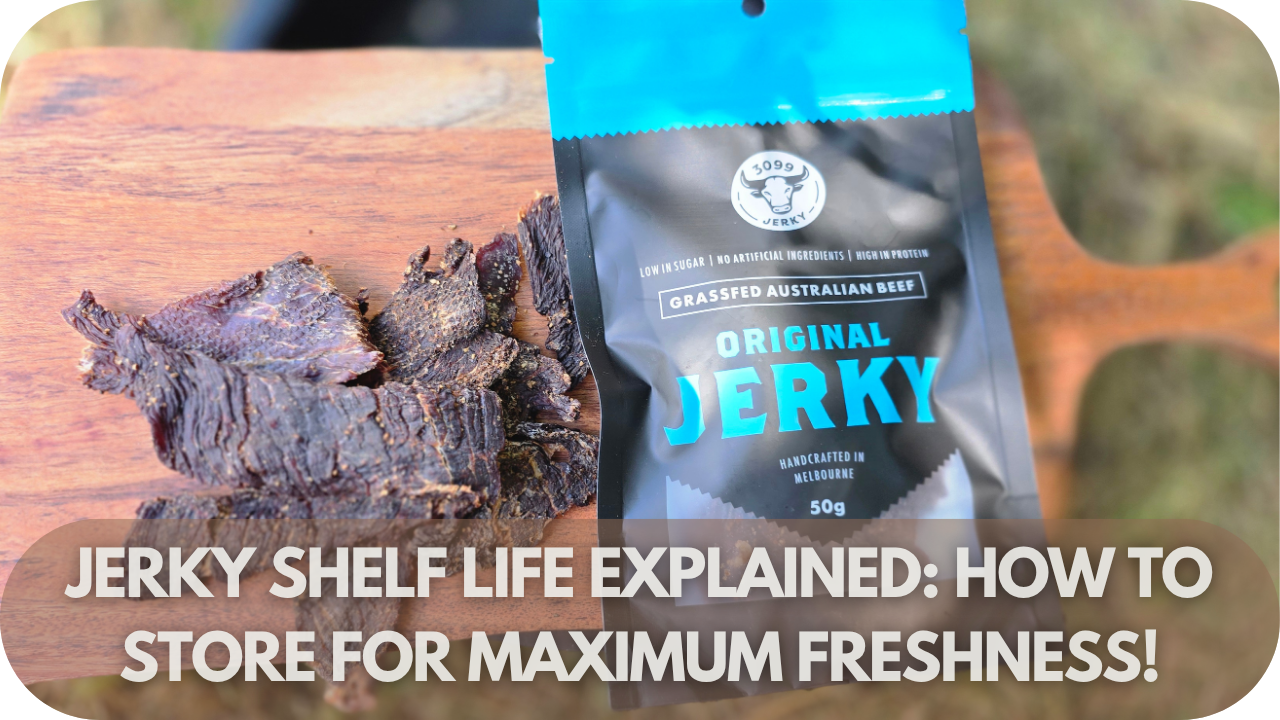
Credit: 3099jerky.com
Factors Affecting Jerky Storage
Jerky storage depends on several key factors. These elements affect how long jerky stays fresh and safe to eat. Understanding them helps maintain jerky quality without wasting food.
Packaging Methods
Packaging plays a major role in jerky preservation. Vacuum-sealed bags remove air, slowing spoilage. Resealable bags keep jerky fresh after opening. Some use foil or plastic wrap to block moisture and light. Proper packaging reduces exposure to bacteria and mold.
Preservatives And Additives
Preservatives extend jerky shelf life. Salt is a natural preservative that inhibits bacteria growth. Some jerky contains nitrates or nitrites to prevent spoilage and maintain color. Additives like sugar can also help preserve texture and flavor. The presence of preservatives affects whether refrigeration is needed.
Environmental Conditions
Temperature and humidity impact jerky storage. Cool, dry places slow down mold and bacteria. Heat and moisture speed up spoilage. Direct sunlight damages jerky quality. Storing jerky at room temperature is possible if conditions are ideal. Otherwise, refrigeration may be necessary to keep jerky safe.
When Refrigeration Is Necessary
Knowing when jerky needs refrigeration can save you from unpleasant surprises. Not all jerky requires the fridge, but certain conditions make refrigeration necessary to keep it safe and tasty. Understanding these signs helps you enjoy your jerky without worrying about spoilage or loss of quality.
Signs Jerky Should Be Refrigerated
You should refrigerate jerky if it has any added moisture or preservatives that require cold storage. For instance, jerky labeled as “fresh” or “moist” often contains higher water content, making it more prone to bacteria growth.
Look out for packaging instructions—if the label says “keep refrigerated” or “consume within a few days,” follow those guidelines strictly. Also, homemade jerky without preservatives is safer in the fridge.
Jerky stored in warm, humid environments can spoil quickly. If you notice any off smells, sticky texture, or mold, refrigeration or discarding the jerky is necessary immediately.
Impact On Flavor And Texture
Refrigeration can change jerky’s flavor and texture, sometimes for the better. Keeping jerky cold slows down oxidation, preserving its smoky or spicy notes longer.
However, jerky stored in the fridge might become a bit tougher or drier over time. If you prefer softer jerky, try storing it in an airtight container at room temperature, but only if it’s dry and stable.
Have you ever noticed jerky tasting stale after a few days on the counter? Refrigeration can prevent that by keeping oils fresh and flavors intact. But always balance between convenience and how you like your jerky’s bite.
Storing Jerky Without Refrigeration
Storing jerky without refrigeration is possible with the right care. Jerky is dried meat, which makes it less likely to spoil quickly. Proper storage keeps it safe and tasty for a longer time. Learning how to store jerky correctly helps maintain its flavor and texture.
Ideal Temperature And Humidity
Keep jerky in a cool, dry place. The best temperature is below 70°F (21°C). Avoid warm areas like near ovens or windows. Low humidity prevents mold and spoilage. Aim for humidity below 60%. A dry environment keeps jerky crisp and fresh.
Using Airtight Containers
Store jerky in airtight containers or vacuum-sealed bags. This stops air from making jerky go bad. Use glass jars, plastic containers, or resealable bags. Make sure containers are clean and dry before use. Airtight storage slows moisture and bacteria growth.
Shelf Life Expectations
Jerky stored without refrigeration lasts about 1 to 2 months. This depends on how dry the jerky is and storage conditions. Homemade jerky may last less time than store-bought. Always check for signs of spoilage like smell or mold. Proper storage helps jerky stay safe and tasty longer.
Freezing Jerky For Long-term Storage
Freezing jerky is an excellent way to keep it fresh for months. It helps slow down the natural breakdown of the meat and stops mold growth. This method works well if you have a large batch or want to store jerky for a long time. Proper freezing preserves flavor, texture, and nutrition.
Before freezing, make sure the jerky is fully dry and cool. Moisture can cause freezer burn or spoilage. Pack the jerky in airtight containers or heavy-duty freezer bags to protect it from air and moisture. Label the packages with the date to track storage time.
Best Practices For Freezing
- Use vacuum-sealed bags or airtight containers to prevent freezer burn.
- Divide jerky into small portions for easy thawing.
- Remove as much air as possible from the packaging.
- Freeze jerky in a single layer to speed up freezing.
- Store at 0°F (-18°C) or lower for best results.
Thawing Jerky Properly
- Thaw jerky in the refrigerator overnight for even temperature control.
- Avoid thawing at room temperature to reduce bacteria risk.
- Use thawed jerky within a few days for the best taste.
- If in a hurry, thaw jerky in a sealed bag under cold water.
- Do not refreeze jerky after thawing to maintain quality.

Credit: 3099jerky.com
Safety Tips To Avoid Spoilage
Keeping jerky safe to eat requires attention to storage and handling. Spoiled jerky can cause stomach problems. Learning how to spot spoilage and prevent bacteria growth helps keep jerky fresh longer.
Proper care extends jerky’s shelf life and keeps it tasty. Follow these tips to enjoy jerky safely and avoid waste.
Signs Of Spoiled Jerky
- Unpleasant sour or rancid smell
- Sticky or slimy texture on the surface
- Visible mold spots or discoloration
- Off or unusual taste
- Swollen or damaged packaging
Preventing Mold And Bacteria Growth
- Store jerky in airtight containers to block moisture
- Keep jerky in a cool, dry place away from sunlight
- Refrigerate jerky after opening to slow spoilage
- Use clean hands or utensils when handling jerky
- Consume jerky within recommended time after opening
Traveling And Jerky Storage
Traveling with jerky requires some care to keep it fresh and tasty. Jerky does not always need refrigeration, but travel conditions affect its quality. Heat, humidity, and exposure to air can change jerky’s texture and flavor. Proper storage during trips helps maintain its freshness.
Keeping Jerky Fresh On The Go
Jerky stays safe longer when kept dry and cool. Avoid leaving it in direct sunlight or hot cars. Use insulated bags or coolers for long trips. Check the jerky often for any signs of spoilage like smell or color changes. Keeping jerky sealed tightly limits air exposure and moisture buildup. Carry small portions to reduce the time package stays open.
Packaging Tips For Trips
- Use vacuum-sealed bags to keep air out.
- Store jerky in resealable plastic bags for convenience.
- Add a small silica gel packet to absorb moisture.
- Wrap jerky in parchment paper before bagging for extra protection.
- Place jerky in a hard container to avoid crushing.
- Label packages with the date of packing.

Credit: beefjerky.com
Frequently Asked Questions
Does Jerky Need Refrigeration After Opening?
Yes, once opened, jerky should be refrigerated to maintain freshness. Refrigeration helps prevent mold and bacterial growth. Store it in an airtight container to retain quality. While unopened jerky can be stored at room temperature, refrigeration extends its shelf life once the package is opened.
How Long Can Jerky Stay Unrefrigerated?
Unopened jerky can last up to a year at room temperature. However, once opened, it should be consumed within a week if not refrigerated. Refrigeration extends its life to several weeks. Always check for signs of spoilage before consuming unrefrigerated jerky.
What Are The Signs Of Spoiled Jerky?
Spoiled jerky may have an off smell, unusual texture, or visible mold. Discoloration and a change in taste are also indicators. If any of these signs are present, it’s best to discard the jerky. Consuming spoiled jerky can lead to foodborne illnesses.
Can Homemade Jerky Be Stored Without Refrigeration?
Homemade jerky should be refrigerated or frozen for longer storage. It often lacks the preservatives found in commercial jerky. Without these, homemade jerky is more susceptible to spoilage. For best results, store it in an airtight container and consume within a few weeks.
Conclusion
Jerky does not always need refrigeration. Store unopened jerky in a cool, dry place. Once opened, keep it sealed tightly to stay fresh. Refrigeration extends jerky’s shelf life and keeps it safer. Pay attention to the package’s instructions for best results.
Proper storage helps maintain flavor and texture. Enjoy your jerky without worry by storing it right. Simple steps prevent spoilage and waste. Now you know how to keep jerky tasty longer.