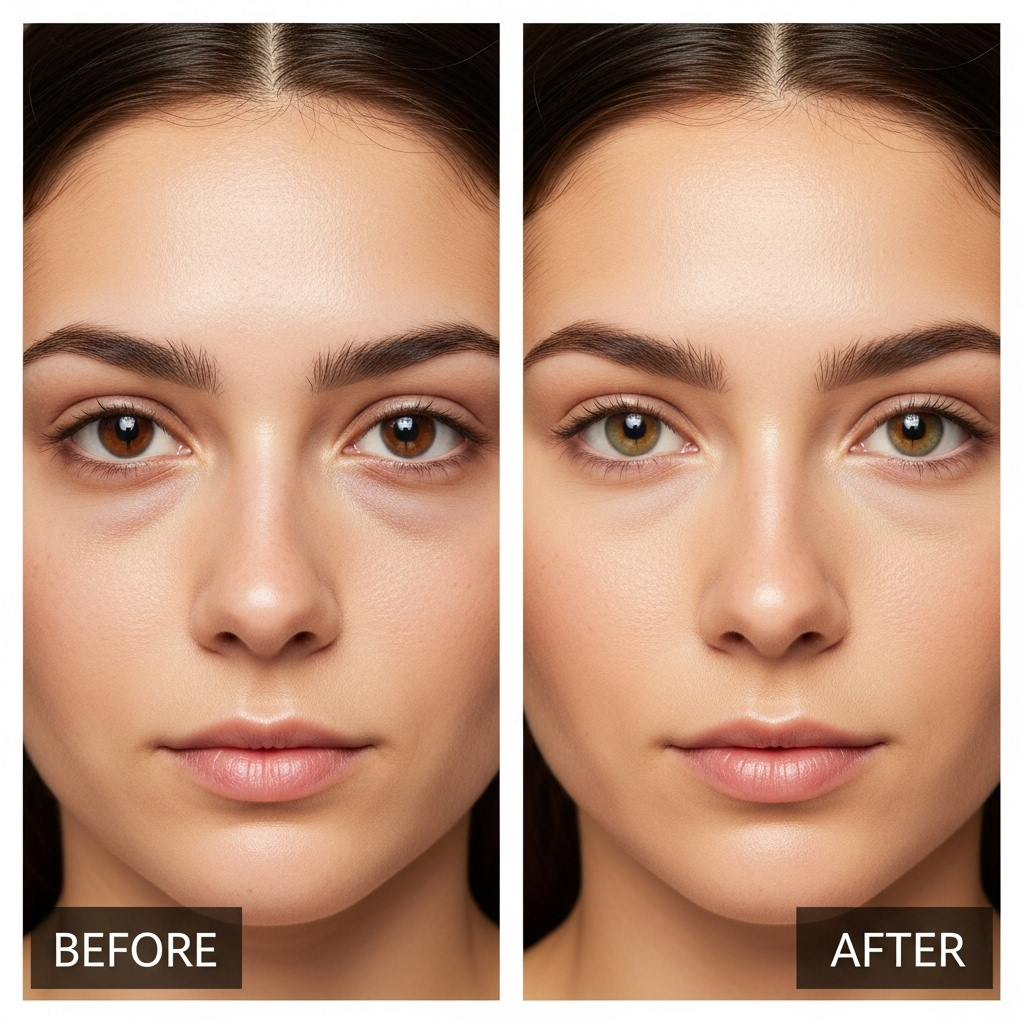
Have you ever looked in the mirror after a restless night and noticed those stubborn eye bags staring back at you? You might wonder, does lack of sleep really cause eye bags, or is there something else at play?
Understanding the connection between your sleep habits and those unwanted shadows under your eyes can change how you take care of yourself. Keep reading to discover why your sleep matters more than you think and what you can do to wake up looking refreshed every day.
What Causes Eye Bags?
Eye bags appear as puffiness or swelling under the eyes. Many factors can cause them to form. Some are natural, while others relate to lifestyle or health.
Understanding what causes eye bags helps in managing or reducing their appearance. Sleep is one reason, but other causes also play a role.
Genetics And Aging
Genetics can make some people more likely to have eye bags. If your parents have them, you might too. Aging also changes the skin around the eyes.
As you get older, skin loses collagen and becomes thinner. Fat can move forward, causing puffiness. Muscles around the eyes weaken, adding to the effect.
Lifestyle Factors
Lack of sleep can make eye bags worse by causing fluid to build up. Poor diet, stress, and smoking also affect skin health. These habits may lead to swelling under the eyes.
Dehydration and too much salt can cause the body to retain water. This results in puffiness around the eyes. Proper rest and healthy habits help reduce eye bags.
- Not enough sleep causes fluid retention
- High salt intake leads to puffiness
- Smoking damages skin and weakens it
- Stress affects skin repair and health
Allergies And Irritation
Allergies can cause swelling and dark circles under the eyes. Irritation from rubbing or chemicals also leads to puffiness. These reactions make eye bags more visible.
Eye allergies trigger histamine release. This causes inflammation and fluid buildup. Avoiding allergens and treating irritation can reduce eye bag appearance.

Credit: nudekiwi.co.nz
Role Of Sleep In Eye Bag Formation
Lack of sleep can lead to noticeable eye bags. Proper sleep helps the skin repair and rejuvenate.
When you don’t sleep enough, it can cause the skin around the eyes to look puffy and dark.
How Sleep Affects Skin Health
Sleep is crucial for healthy skin. It helps in repairing cells and tissues.
During sleep, the body produces collagen. Collagen keeps the skin firm and elastic.
- Collagen reduces wrinkles
- Improves skin texture
- Prevents sagging
Sleep Deprivation And Fluid Retention
Not getting enough sleep can cause fluid to build up under the eyes. This leads to puffiness and eye bags.
When you sleep poorly, the body struggles to balance water levels. This can make eye bags appear more prominent.
- Fluid retention causes swelling
- Dark circles become visible
- Skin appears tired
Common Myths About Sleep And Eye Bags
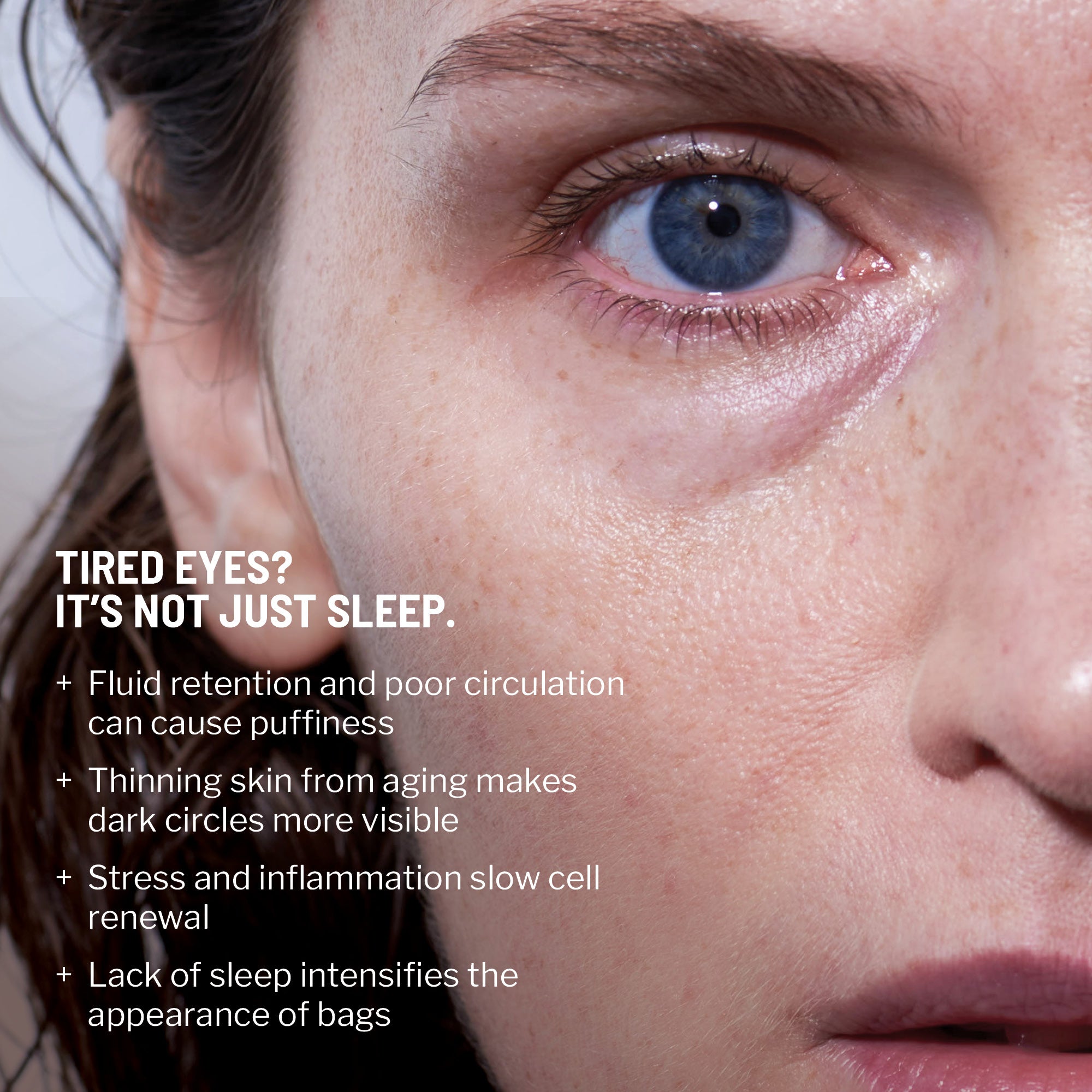
Many people believe that lack of sleep is the main cause of eye bags. This idea is very popular in daily talk and media. But the truth is more complex than just sleep.
Eye bags can appear for many reasons. Sleep does affect them, but it is not the only factor. Understanding the facts helps to manage eye bags better.
Is Sleep The Only Factor?
Sleep plays a role in eye bag formation. When you do not sleep enough, your skin can look tired and swollen. This can make eye bags more visible.
But eye bags do not form only because of sleep. People who sleep well can also have eye bags. So, sleep is important but not the only cause.
Other Contributing Causes
Several other factors can cause or worsen eye bags. These factors can work alone or with poor sleep to create eye bags.
- Aging: Skin loses strength and fat moves down near the eyes.
- Genetics: Some people inherit traits that cause eye bags.
- Allergies: They can cause swelling and dark circles under eyes.
- Fluid Retention: Eating salty foods or hormonal changes can cause puffiness.
- Sun Exposure: It can weaken skin and cause wrinkles around eyes.
- Smoking: It damages skin and speeds up aging.
Credit: www.drbrandtskincare.com
Preventing And Reducing Eye Bags
Eye bags can make you look tired and older. Lack of sleep is one cause of eye bags. You can reduce and prevent them with simple habits.
Good sleep, healthy food, and skin care all help keep your eyes fresh. Learn easy tips to fight eye bags every day.
Effective Sleep Habits
Sleep helps your body rest and repair. Poor sleep causes fluid to build under your eyes. This makes eye bags worse.
Try to sleep 7 to 9 hours every night. Keep a regular sleep schedule. Go to bed and wake up at the same time daily.
- Use a pillow to keep your head slightly raised
- Avoid screens at least 30 minutes before bed
- Keep your bedroom dark, quiet, and cool
- Limit caffeine and heavy meals before sleep
Diet And Hydration Tips
What you eat affects your skin and eye bags. Too much salt can cause water retention and puffiness.
Drink plenty of water to stay hydrated. Water helps flush out toxins that cause swelling.
- Eat fresh fruits and vegetables rich in vitamins
- Reduce salty snacks and processed foods
- Include foods with antioxidants like berries and nuts
- Drink at least 8 glasses of water daily
Skincare Remedies
Using the right skincare can reduce puffiness and dark circles. Cold compresses help shrink blood vessels under the eyes.
Choose gentle creams with ingredients like caffeine or vitamin E. These can improve skin firmness and brightness.
- Apply cool cucumber slices or tea bags on your eyes for 10 minutes
- Use eye creams designed for puffiness daily
- Remove makeup gently before bed
- Protect your skin from sun with sunglasses or sunscreen
When To Seek Medical Advice
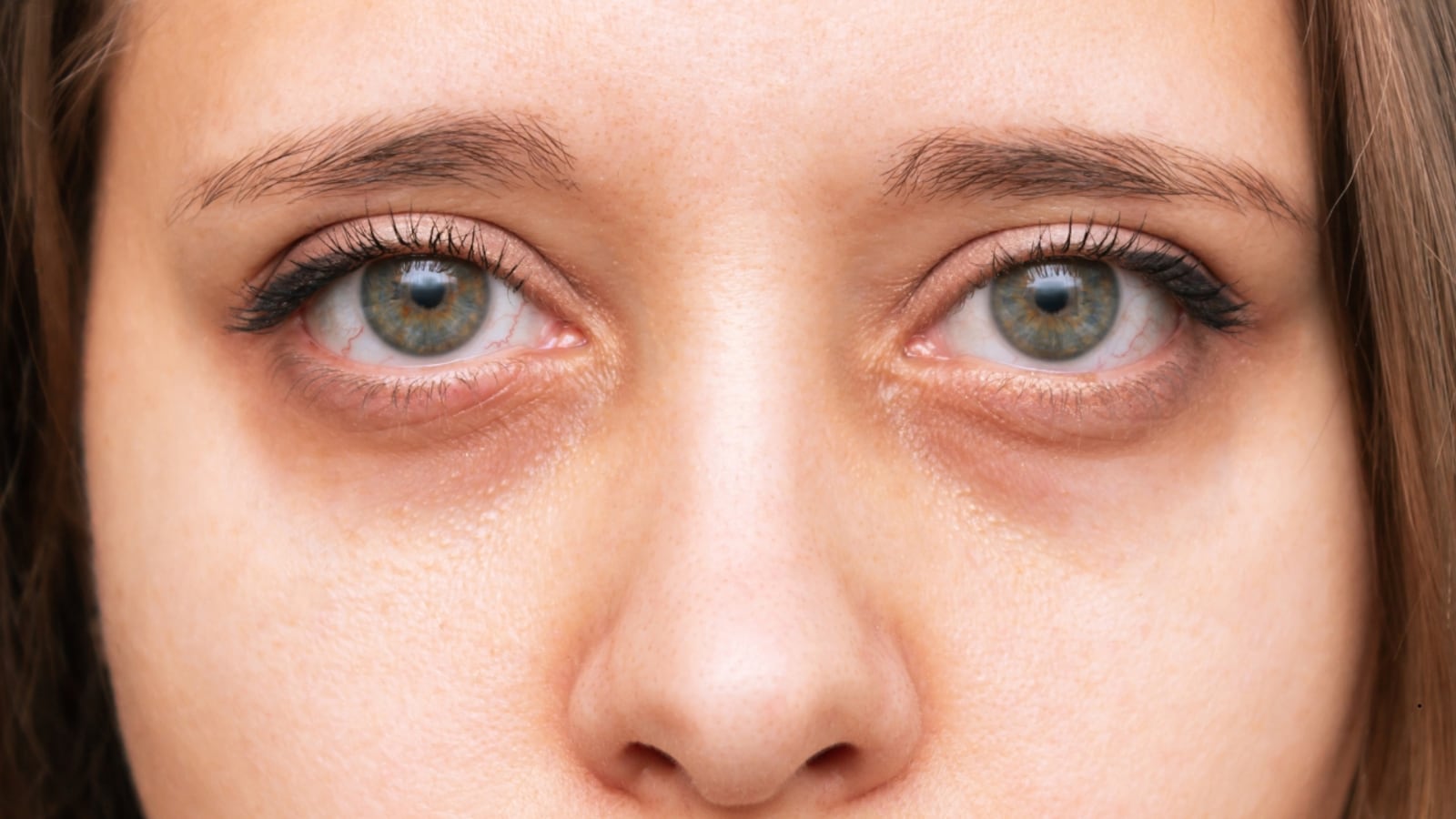
Eye bags often result from lack of sleep and tiredness. Usually, they go away after rest.
Sometimes, eye bags stay or get worse. This may need a doctor’s checkup.
Persistent Or Severe Eye Bags
If eye bags do not improve after good sleep, see a healthcare provider. Severe swelling can cause discomfort or vision problems.
Long-lasting puffiness might signal a deeper health concern. A doctor can find the cause and suggest treatment.
Possible Underlying Health Issues
Eye bags can show signs of health problems. Some issues need medical care to avoid complications.
- Allergies causing swelling around the eyes
- Kidney or thyroid problems leading to fluid buildup
- Skin infections or inflammation near the eyes
- Excessive salt intake causing puffiness
Doctors check these conditions with tests and exams. Early diagnosis helps protect your health.
Credit: www.moneycontrol.com
Frequently Asked Questions
Does Lack Of Sleep Cause Eye Bags?
Yes, lack of sleep can cause eye bags by increasing fluid retention and poor blood circulation around the eyes. This leads to puffiness and dark circles, making eye bags more prominent.
How Long Does Sleep Deprivation Affect Eye Bags?
Sleep deprivation can cause noticeable eye bags within one night. Persistent poor sleep worsens puffiness and dark circles over time, making eye bags harder to reduce.
Can Improving Sleep Reduce Eye Bags Naturally?
Improving sleep quality helps reduce eye bags naturally by enhancing skin repair and reducing fluid buildup. Consistent 7-9 hours of sleep promotes healthier, refreshed skin around the eyes.
Are Eye Bags Caused Only By Lack Of Sleep?
No, eye bags can also result from aging, genetics, allergies, and fluid retention. While lack of sleep worsens the condition, other factors contribute to eye bag formation.
Conclusion
Lack of sleep often causes eye bags and dark circles. Rest helps the skin repair and look fresh. Drinking water and eating healthy also reduce puffiness. Stress and allergies can make eye bags worse. Simple lifestyle changes improve your eyes’ appearance.
Try to sleep well every night for best results. Your eyes will thank you with a brighter look. Small habits create big differences over time. Eye bags are common but manageable with care.