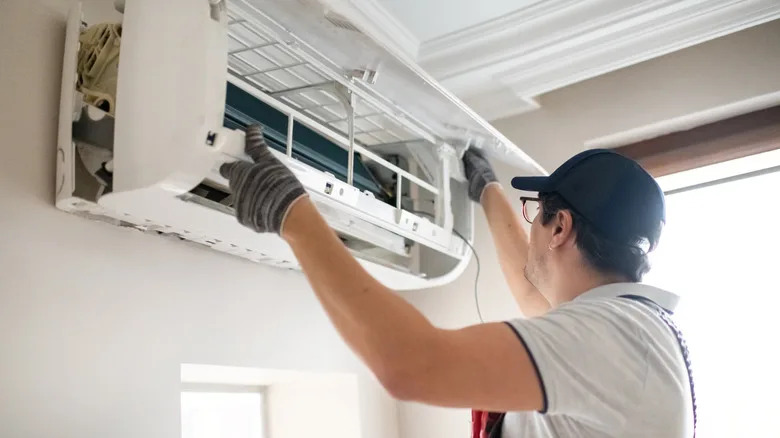
Is your air conditioner acting up right when you need it most? You might be wondering, “Does my landlord have to fix the air conditioner?” This question is more important than you think, especially when the heat makes your home uncomfortable.
Knowing who is responsible for repairs can save you stress, money, and time. Keep reading to find out exactly what your rights are and what you can expect from your landlord when the AC breaks down. Don’t let a broken air conditioner ruin your comfort—understand your options now!
Landlord’s Repair Responsibilities
Many tenants ask if their landlord must fix the air conditioner. The answer depends on several rules. These rules come from laws, the lease, and local codes.
It is important to know what landlords must do to keep the air conditioner working. This helps tenants stay cool and safe during hot weather.
Air Conditioner Maintenance Laws
Some states have laws about landlord repairs. These laws often say landlords must keep essential systems working. Air conditioning can be part of this if it affects health or safety.
- Landlords must repair air conditioners if the lease includes it.
- Some states require landlords to fix air conditioning in hot climates.
- Landlords must respond within a reasonable time to repair requests.
- Failure to repair may let tenants withhold rent or make repairs themselves.
Lease Agreement Clauses
The lease often says who fixes the air conditioner. Some leases make landlords fix it. Others say tenants must handle small repairs or maintenance.
| Lease Clause | Landlord Responsibility | Tenant Responsibility |
|---|---|---|
| Full Repair Clause | Fix all air conditioner problems | Report issues promptly |
| Maintenance Only | Major repairs only | Clean filters and minor upkeep |
| No Mention | Repairs as required by law | Report problems quickly |
Local Housing Codes
Local housing codes may require landlords to provide working air conditioning. These codes protect tenants’ health and comfort. They vary by city and state.
- Codes often require safe and working cooling systems in rental units.
- Inspectors can enforce repairs if air conditioning is part of the rental agreement.
- Tenants can report violations to local housing authorities.
- Ignoring codes may lead to fines or legal action against landlords.

Credit: www.reddit.com
Tenant’s Rights For Repairs
Tenants have the right to live in a safe and comfortable home. This includes having a working air conditioner if it is part of the rental agreement.
Landlords must fix major problems like broken air conditioners to keep the home livable. Tenants should know how to ask for repairs and what to do if repairs take too long.
Requesting Repairs Properly
Always ask for repairs in writing. This can be an email, text, or a letter. Clear communication helps avoid confusion.
Include details about the problem and ask for a repair date. Keep a copy of your request for your records.
Timeframe For Landlord Response
Landlords must respond quickly to repair requests. The exact time can depend on local laws and how urgent the problem is.
For air conditioner repairs, landlords usually have a few days to fix the issue. Emergency repairs might require faster action.
- Urgent repairs: 24-48 hours
- Non-urgent repairs: up to 7 days
- Check your local tenant laws for exact times
What To Do If Repairs Are Delayed
If the landlord does not fix the air conditioner on time, remind them in writing. Be polite but firm.
If delays continue, tenants can contact local housing agencies or seek legal advice. Some places allow rent withholding until repairs are done.
- Send a written reminder to the landlord
- Contact local tenant or housing agencies
- Ask about rent withholding or repair-and-deduct options
- Consider legal help if needed
When Tenants Can Repair Themselves
Sometimes tenants face problems with their air conditioner. They may wonder if they can fix it on their own. Knowing when you can repair the AC yourself saves time and discomfort.
This guide explains situations where tenants can make repairs. It also covers rules about costs and legal concerns.
Emergency Repairs
Air conditioner issues can be urgent, especially in hot weather. Tenants may act quickly to prevent damage or heat-related health risks.
- If the AC stops working during extreme heat, tenants can try simple fixes.
- Cleaning or replacing filters is usually allowed.
- Resetting the circuit breaker or thermostat may help.
- Tenants should notify the landlord as soon as possible.
Deducting Costs From Rent
Sometimes tenants pay for minor repairs themselves. They may want to deduct these costs from rent. Rules vary by state and lease terms.
| Condition | Tenant Action | Deduct From Rent Allowed |
| Small repair under $100 | Tenant fixes and keeps receipt | Usually yes |
| Major repair | Tenant repairs without landlord approval | No |
| Emergency repair | Tenant acts quickly and informs landlord | Often yes |
| Non-urgent repair | Tenant waits for landlord | No |
Legal Risks And Considerations
Fixing an air conditioner without permission can cause problems. Tenants should know the risks before starting repairs.
- Unauthorized repairs may void lease agreements.
- Landlords can refuse rent deductions without prior consent.
- Tenants may be liable for damage from improper repairs.
- Documentation of repairs and landlord communication is important.
Handling Disputes Over Repairs
Disputes about air conditioner repairs can cause stress for tenants and landlords. Clear communication helps solve many problems fast.
Understanding your rights and options is key when the landlord delays or refuses to fix the air conditioner.
Mediation And Communication Tips
Talking calmly with your landlord can avoid bigger problems. Try to explain the issue clearly and ask for a repair timeline.
- Keep all communication in writing, like emails or texts.
- Be polite but firm about your repair needs.
- Suggest a neutral third party for mediation if needed.
- Document the problem with photos or videos.
Filing Complaints With Authorities
If the landlord ignores repair requests, you can file a complaint with local housing agencies. They can inspect and enforce rules.
| Agency | Role | Contact Method |
| Housing Department | Inspect property condition | Phone or website |
| Tenant Union | Support tenants’ rights | Email or in person |
| Consumer Protection | Handle landlord disputes | Online complaint form |
Seeking Legal Assistance
If all else fails, a lawyer can help you understand your rights and take legal action. This might be needed for serious repair neglect.
- Consult a tenant rights lawyer for advice.
- Gather all repair requests and landlord responses.
- Keep receipts for any repairs you pay for yourself.
- Consider small claims court for cost recovery.
Preventive Measures For Tenants
Tenants rely on landlords to fix air conditioners. Knowing how to prevent problems helps keep AC units working well. Taking care early can avoid big repair needs.
This guide covers how tenants can protect their AC units. It explains documenting requests, caring for the unit, and choosing good rentals.
Documenting Maintenance Requests
Write down every time you ask the landlord to fix the AC. This record helps prove you reported problems early.
Keep emails, texts, or notes from phone calls. These show you tried to get repairs done on time.
- Note date and time of each request
- Describe the AC problem clearly
- Save all written communication
- Follow up if no response in a few days
Regular Air Conditioner Care
Tenants should do simple care tasks to help the AC last longer. Clean filters and keep the area around the unit clear.
Check the thermostat settings and avoid setting it too low. This reduces wear and saves energy.
- Clean or replace filters monthly
- Keep vents open and unblocked
- Remove dust and debris near the unit
- Set thermostat at a steady, moderate temperature
Choosing Rentals With Reliable Ac
Pick rental homes with good air conditioning systems. Check if the landlord maintains the AC before signing a lease.
Ask current tenants about AC performance. A well-maintained unit means fewer problems for you.
- Visit the property when the AC is on
- Ask about last service or repairs done
- Look for signs of clean and working units
- Choose landlords who respond quickly to issues

Credit: www.youtube.com
Credit: tenantlawguide.com
Frequently Asked Questions
Does A Landlord Have To Fix A Broken Air Conditioner?
Yes, landlords must repair air conditioners if included in the rental agreement. It ensures tenant comfort and habitability. Repairs are usually the landlord’s responsibility unless damage is tenant-caused.
Who Pays For Air Conditioner Repairs In A Rental?
Typically, landlords cover air conditioner repairs unless damage results from tenant misuse. Tenants should report issues promptly to avoid further damage and costs.
What If The Landlord Refuses To Fix The Ac?
If the landlord refuses, tenants can send a written repair request. They may contact local housing authorities or consider repair-and-deduct options if laws allow.
Are Landlords Required To Maintain Air Conditioning Systems?
Landlords must maintain and keep air conditioning systems functional if they provide them. Proper maintenance prevents breakdowns and meets health and safety standards.
Conclusion
Landlords usually must fix air conditioners. It’s a basic living requirement. Tenants deserve a comfortable home environment. Laws vary by location, so check local regulations. Always review your lease agreement carefully. It may have specific repair clauses. Communication with your landlord is key.
Discuss any issues promptly. If repairs are delayed, know your rights. Legal advice may be necessary. Keeping cool in summer is vital. Health and comfort should never be compromised. Understanding your rights ensures a peaceful renting experience.