
Are you wondering if landscape fabric lets water through? If you’re planning a garden or working on your yard, this question is crucial.
You want to keep weeds out but also make sure your plants get enough water. Choosing the right fabric can make a big difference in your garden’s health. Keep reading to discover how landscape fabric works with water and what it means for your outdoor space.
Understanding this will help you make smarter choices and keep your plants thriving.

Credit: www.amazon.ca
How Landscape Fabric Works
Landscape fabric is a material used to control weeds and manage soil moisture. It sits on the ground, blocking sunlight to stop weed growth. At the same time, it lets water and air pass through.
This fabric is often used in gardens and under mulch. It helps keep plants healthy by allowing water to reach the roots while keeping weeds away.
Materials Used
Landscape fabric is made from different materials. Each type has unique features that affect how water moves through it.
- Polypropylene: A strong plastic that resists tearing and lasts long.
- Polyester: Often used for its durability and UV resistance.
- Woven fabrics: Made by weaving threads tightly to allow water flow.
- Non-woven fabrics: Made by bonding fibers together for a softer feel.
Permeability Features
Permeability means how well water and air pass through the fabric. Good permeability helps plants get enough water while stopping weeds.
| Feature | Description |
|---|---|
| Water Flow | Allows rain and irrigation water to reach the soil below. |
| Air Circulation | Lets air reach plant roots to prevent root rot. |
| Weed Blocking | Blocks sunlight to reduce weed seed germination. |
| Durability | Resists tearing and breaks down slowly in sunlight. |

Credit: www.heirloomsoul.com
Water Flow And Drainage
Landscape fabric is used to control weeds and help soil stay healthy. It can affect how water moves through the soil.
Good water flow is important for plants. Drainage helps prevent water from sitting on the surface.
Water Penetration Rate
Landscape fabric lets water pass through, but the speed can change. Some fabrics have small holes that slow water down.
Water moves slower through thick or tightly woven fabric. This helps stop too much water from pooling on top.
- Thin fabric allows faster water flow
- Tightly woven fabric slows water penetration
- Fabric with larger holes lets more water pass
Effect On Soil Moisture
Landscape fabric keeps soil moist by reducing evaporation. It helps water stay in the soil longer.
Good drainage prevents water from building up and causing root problems. Fabric helps balance moisture levels.
- Reduces water evaporation from soil
- Prevents water from pooling on soil surface
- Keeps soil moisture steady for plant roots
Types Of Landscape Fabric
Landscape fabric is used to control weeds and help soil stay healthy. It lets water pass through so plants can grow well.
There are different types of landscape fabric. Choosing the right type helps with water drainage and plant health.
Woven Vs Non-woven
Woven fabric is made by weaving threads tightly together. It is strong and lasts a long time.
Non-woven fabric is made from fibers pressed together. It is softer and lets water pass through more easily.
- Woven fabric blocks most weeds but allows some water flow
- Non-woven fabric allows better water and air movement
- Woven fabric is tougher and lasts longer
- Non-woven fabric breaks down faster in the soil
Applications And Suitability
Woven fabric works well under gravel or stones. It holds up to heavy use and stops weeds.
Non-woven fabric suits flower beds and vegetable gardens. It lets water and nutrients reach plant roots.
- Use woven fabric for paths, driveways, and areas with foot traffic
- Use non-woven fabric for planting beds and areas needing good drainage
- Woven fabric is good for long-term projects
- Non-woven fabric is ideal for temporary or seasonal use
Credit: www.vevor.ca
Common Misconceptions
Many people wonder if landscape fabric blocks water from reaching the soil. Some think it acts like a plastic sheet, stopping all moisture. Others believe it harms plants by keeping water away from roots.
This article clears up these ideas. It explains how landscape fabric works with water and plants.
Fabric As A Waterproof Barrier
Landscape fabric is often mistaken for a waterproof barrier. It is made from woven or nonwoven materials that allow water to pass through. The goal is to block weeds while letting moisture and air reach the soil.
- Fabric has tiny holes that water can flow through.
- It does not create a solid, sealed layer like plastic sheeting.
- Water from rain or irrigation seeps through to the roots below.
- Good-quality fabric balances water flow and weed control.
Impact On Plant Health
Some worry that landscape fabric might harm plants. Proper fabric use supports plant health by keeping soil moist and reducing weeds. But poor installation can cause problems.
| Effect | Description |
| Good Fabric Use | Allows water and air to reach roots, limits weeds |
| Poor Installation | Fabric folded or clogged, may block water flow |
| No Fabric | More weeds compete for water and nutrients |
Installation Tips For Optimal Drainage
Landscape fabric helps control weeds and allows water to pass through. Proper installation is key to good drainage. Poor placement can cause water to pool and harm plants.
Follow these tips to place the fabric correctly and avoid water buildup in your garden or yard.
Proper Placement
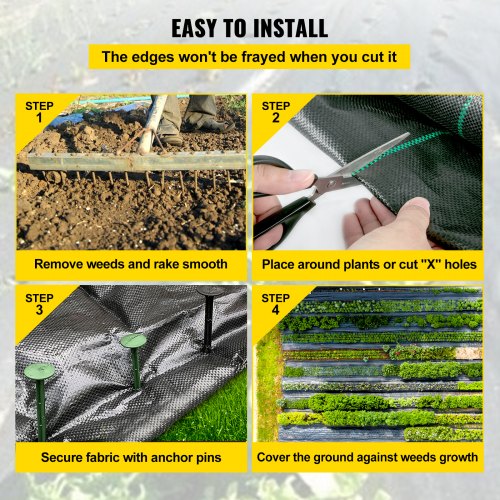
Place landscape fabric on well-prepared soil. Clear all debris and smooth the surface before laying the fabric. Overlap the edges by 6 to 12 inches to prevent gaps where weeds can grow.
- Lay fabric on a slight slope for natural water flow.
- Use landscape staples to secure the fabric tightly to the ground.
- Cut holes only where plants will grow to keep fabric intact.
- Add a layer of mulch on top to protect the fabric and improve appearance.
Avoiding Water Pooling
Water pooling can cause root rot and other plant problems. Prevent this by allowing water to drain freely through the fabric and soil.
| Tip | How it Helps Drainage |
| Use fabric with good permeability | Allows water to pass through easily |
| Do not cover fabric with non-porous materials | Prevents water from evaporating or draining |
| Ensure soil below fabric is loose and well-drained | Helps water move away from roots |
| Check for proper slope and grading | Directs water away from plant beds |
Alternatives To Landscape Fabric
Landscape fabric is used to block weeds and let water drain. Some people wonder if water can pass through it well. There are other options that help with water drainage and weed control.
These alternatives can improve soil health and water flow. They also reduce the need for synthetic materials in the garden.
Mulch And Organic Options
Mulch is a natural way to cover soil. It helps keep moisture in and stops weeds from growing. Mulch lets water flow easily into the soil.
Organic materials like wood chips, straw, and leaves break down over time. This adds nutrients to the soil and improves drainage.
- Wood chips protect soil and allow water to pass
- Straw mulch is lightweight and improves soil health
- Leaves add nutrients and help water soak in
- Compost mulch feeds plants while reducing weeds
Other Drainage Solutions
Some drainage solutions work well without landscape fabric. These help keep water moving and stop soil from washing away.
Gravel, sand, and proper soil grading improve water flow. Using these materials can prevent water buildup and root rot.
- Gravel creates gaps for water to flow freely
- Sand improves soil texture and drainage
- Proper soil slope directs water away from plants
- French drains move excess water underground
Frequently Asked Questions
Does Landscape Fabric Allow Water Penetration?
Yes, landscape fabric is designed to let water through. It allows moisture to penetrate the soil below. This helps maintain a healthy environment for plant roots by preventing waterlogging. The fabric also reduces weed growth, making it beneficial for garden maintenance.
How Does Landscape Fabric Affect Drainage?
Landscape fabric promotes good drainage by allowing water to pass through its permeable material. This ensures that water reaches the plant roots and prevents pooling on the surface. Proper drainage is crucial for plant health and helps prevent root rot.
Is Landscape Fabric Water-resistant?
Landscape fabric is water-permeable, not water-resistant. It allows water to flow through while blocking sunlight and reducing weed growth. This feature ensures that plants receive necessary moisture without the risk of waterlogging, promoting healthier growth.
Can Landscape Fabric Prevent Soil Erosion?
Yes, landscape fabric can help prevent soil erosion by stabilizing the soil. It allows water to flow through while keeping soil in place. This is particularly beneficial on slopes or areas prone to erosion, offering an effective solution for landscape preservation.
Conclusion
Landscape fabric allows water to pass through while blocking weeds. It helps keep soil dry but not too dry. Water moves down to plant roots easily. This fabric works best with good soil drainage. Choose the right type for your garden needs.
Proper installation improves water flow and fabric life. Use landscape fabric to save time and effort in yard care. It supports healthy plants without causing water buildup. A simple tool for better gardening results.