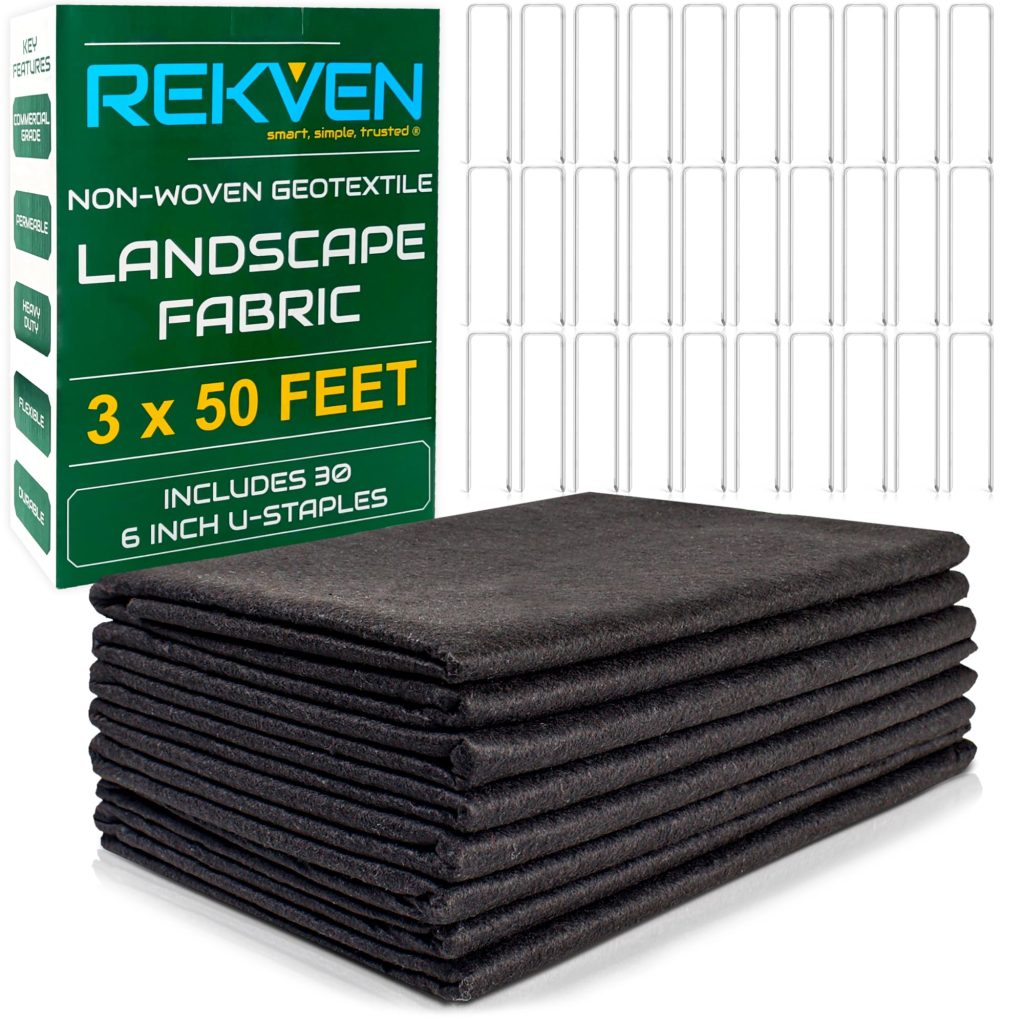
Are you wondering if landscaping fabric really drains water the way it’s supposed to? If you’ve ever laid down fabric in your garden or under mulch, you probably want to know if it will keep your soil healthy and prevent water buildup.
Understanding how landscaping fabric works can save you from soggy soil, plant problems, and costly fixes. Keep reading, because we’re about to clear up the confusion and help you make the best choice for your garden’s drainage needs.
Credit: www.vevor.com
How Landscaping Fabric Works
Landscaping fabric is a material used in gardens and yards. It helps control weeds and manage soil moisture. The fabric lets water pass through while blocking sunlight from reaching weed seeds.
This material works by creating a barrier. It stops weeds but allows air, water, and nutrients to reach the soil below. Understanding the fabric’s types and water flow is important for proper use.
Material Types And Properties
Landscaping fabric comes in different materials. Each type has unique features that affect durability and breathability. The two common types are woven and non-woven fabrics.
- Woven Fabric:Made from woven polypropylene or polyester strands. It is strong and durable.
- Non-Woven Fabric:Made from bonded fibers. It is softer and more flexible but less durable.
- Thickness:Thicker fabric blocks more light but can reduce water flow.
- UV Resistance:Some fabrics include UV inhibitors to last longer outside.
Water Permeability Features
Water permeability shows how well water moves through landscaping fabric. Good permeability helps rainwater reach plants’ roots. Poor permeability can cause water to pool on the surface.
| Fabric Type | Water Flow Rate | Effect on Soil |
|---|---|---|
| Woven Fabric | High | Allows quick drainage, reduces soil erosion |
| Non-Woven Fabric | Medium | Slows water flow, retains some moisture |
| Thick Fabric | Low | May cause water pooling, less drainage |
Water Drainage Performance
Landscaping fabric is used to control weeds and manage soil erosion. But does it help with water drainage?
Understanding how landscaping fabric affects water flow is crucial. It can impact your garden’s health and appearance.
Factors Affecting Drainage
Several factors influence how well water drains through landscaping fabric. These include fabric material, soil type, and installation.
- Fabric Material: Different materials allow water to pass through at varying rates.
- Soil Type: Sandy soil drains faster than clay soil.
- Installation: Proper installation ensures better water flow.
Common Drainage Issues
Water pooling and slow drainage are common issues in gardens. They can harm plants and lead to other problems.
| Issue | Impact on Plants |
| Water Pooling | Root Rot |
| Slow Drainage | Stunted Growth |
| Clogged Fabric | Poor Oxygen Flow |
Comparing Fabric To Other Solutions
Landscaping fabric helps control weeds and manage soil moisture. People often ask if it drains water well compared to other options. This section compares fabric with common landscaping materials and drainage methods.
Knowing how each solution works can guide your choice for a healthy garden or yard. Let’s look at gravel, mulch, and drainage systems.
Gravel And Mulch Alternatives
Gravel and mulch are popular materials used with or instead of landscaping fabric. Both affect drainage and soil health differently.
- Gravel:Gravel allows water to drain easily through its gaps. It prevents soil erosion and helps keep roots dry. It works well over fabric to improve drainage.
- Mulch:Mulch holds moisture in the soil and slows evaporation. It breaks down over time and adds nutrients. Mulch alone does not drain as well as gravel but can be combined with fabric to reduce weeds.
- Fabric:Landscaping fabric blocks weeds and lets water pass through slowly. It does not absorb water but can clog if dirt fills its pores.
| Material | Water Drainage | Weed Control | Soil Health Impact |
|---|---|---|---|
| Gravel | High – water passes freely | Moderate – blocks some weeds | Neutral – does not change soil |
| Mulch | Moderate – holds some moisture | Good – blocks light and weeds | Improves soil as it decomposes |
| Fabric | Moderate – lets water through pores | Strong – blocks weed growth | Neutral – no nutrients added |
Drainage Systems Integration
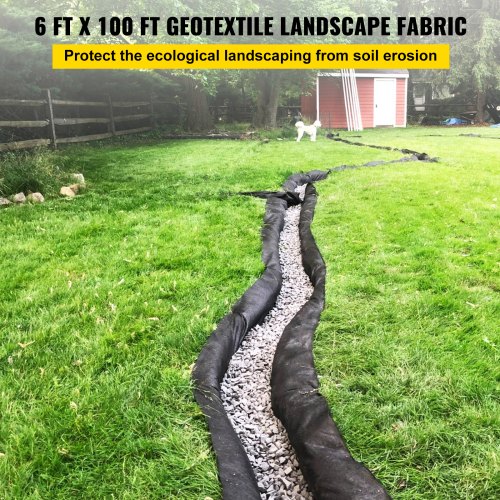
Drainage systems work with landscaping fabric to move water away from plants and structures. They include pipes, gravel beds, and slope grading.
- Perforated Pipes:These pipes collect excess water under the soil and guide it away. Fabric can sit above pipes to stop dirt from clogging them.
- Gravel Beds:Gravel allows water to flow freely around pipes and soil. Fabric under gravel prevents soil mixing and keeps the gravel clean.
- Sloping:Proper land slope directs water naturally. Fabric does not affect slope but helps keep soil stable on inclines.
Credit: www.vevor.com
Expert Recommendations
Landscaping fabric helps control weeds and manage soil moisture. It can also aid drainage if installed properly.
Knowing how to install and maintain it ensures it works well for years.
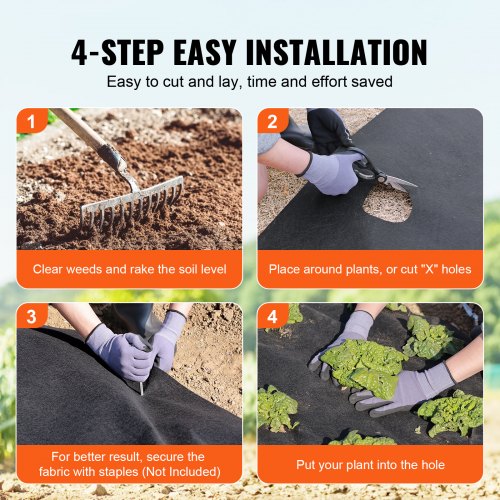
Best Practices For Installation
Choose a landscaping fabric that allows water to pass through. This helps prevent water buildup under the fabric.
- Clear the area of weeds and debris before placing the fabric.
- Lay the fabric flat and overlap edges by 6 to 12 inches.
- Secure the fabric with landscape staples or pins to keep it in place.
- Cut holes only where plants will grow to avoid water blockage.
- Cover the fabric with mulch or gravel for protection and appearance.
Maintenance Tips For Longevity
Regular checks help the fabric last longer and keep drainage working well.
| Maintenance Task | Frequency | Purpose |
| Inspect fabric edges | Every 3 months | Prevent fabric lifting by wind or animals |
| Remove debris and leaves | Monthly | Allow water to flow through easily |
| Check for tears or holes | Every 6 months | Repair to stop weed growth and water pooling |
| Reapply mulch or gravel | Annually | Protect fabric and improve drainage |
Real-life Applications
Landscaping fabric is a popular tool used to control weeds and manage soil moisture. It lets water pass through, helping plants grow well. This fabric works by allowing water to drain while blocking sunlight that weeds need.
Understanding how well landscaping fabric drains is important. It helps gardeners and landscapers decide where and how to use it for best results.
Residential Landscaping Examples
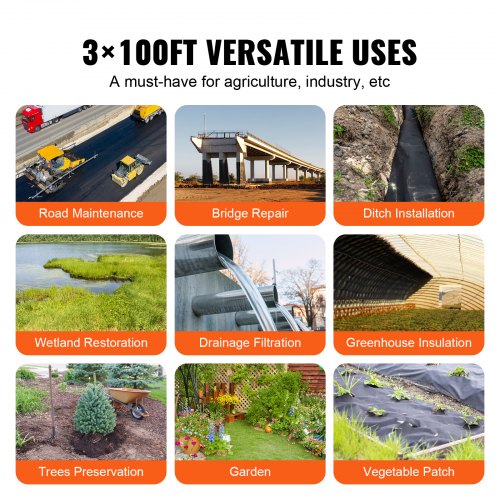
Homeowners use landscaping fabric to keep their gardens tidy and healthy. It helps prevent weeds around flower beds, trees, and vegetable patches. The fabric allows rainwater and irrigation to reach plant roots easily.
Many people place fabric under mulch or gravel. This setup helps keep soil moist and stops weed seeds from growing through.
- Under flower beds to reduce weed growth
- Below mulch to keep soil moist
- In vegetable gardens to control weeds and drain water
- Under gravel pathways to prevent weed growth and allow water flow
Commercial And Public Spaces
Landscaping fabric is also used in parks, office grounds, and shopping centers. It helps maintain large green areas by controlling weeds and managing water drainage. These fabrics support healthy plant growth in busy public places.
In commercial spaces, the fabric is often placed under decorative stones or bark. This setup improves drainage and reduces maintenance efforts. It also helps prevent soil erosion on slopes and around trees.
- Under decorative stones in public gardens
- Below bark mulch in office landscaping
- On slopes to prevent soil erosion
- Around trees to maintain healthy soil moisture
Credit: www.vevor.com
Frequently Asked Questions
Does Landscaping Fabric Allow Water Drainage?
Yes, landscaping fabric is designed to allow water to drain through. It prevents soil erosion while letting moisture reach plant roots. Proper installation ensures effective drainage and reduces water pooling on the surface.
Can Landscaping Fabric Cause Water Buildup?
Improper use of landscaping fabric can cause water buildup. If the fabric is non-breathable or clogged, water may accumulate. Choosing the right fabric and maintaining it prevents excess water retention.
How Does Landscaping Fabric Improve Soil Drainage?
Landscaping fabric enhances soil drainage by filtering water and preventing soil compaction. It allows water flow while blocking weeds, promoting healthier root growth and preventing waterlogging.
Is Landscaping Fabric Suitable For All Soil Types?
Landscaping fabric works well with most soil types but performs best in well-draining soils. In heavy clay soils, additional drainage measures may be needed to avoid water pooling.
Conclusion
Landscaping fabric allows water to pass through while blocking weeds. It helps keep soil moist and prevents erosion. Proper installation ensures good drainage and plant health. Choose fabric that suits your garden’s needs. Remember, good drainage means healthier plants and less work.
Using landscaping fabric is a simple step for a neat garden. It supports your plants without trapping water. A well-drained garden stays strong and beautiful all year.