When it comes to storing medications, you might find yourself wondering about the specifics, especially with something as crucial as leuprolide. Is your current storage method keeping it at its best?
Whether you’re using leuprolide for treating certain medical conditions or managing symptoms, ensuring it’s stored properly can make all the difference in its effectiveness. You wouldn’t want to compromise on that, would you? Dive into this article, and discover the essential storage tips that might surprise you.
From the ins and outs of refrigeration to the impact on your health, we’ve got the answers you need. Your peace of mind starts here.
Leuprolide Basics
Understanding the basics of leuprolide helps in using it safely and effectively. This section covers what leuprolide is and its common uses. Knowing these points makes handling and storing the medicine easier.
What Is Leuprolide
Leuprolide is a synthetic hormone medicine. It works by controlling hormone levels in the body. Doctors often prescribe it as an injection. It helps manage conditions related to hormone imbalance.
Common Uses
Leuprolide treats several health issues. It is used for:
- Prostate cancer
- Endometriosis
- Uterine fibroids
- Early puberty in children
The medicine lowers certain hormone levels to reduce symptoms. It helps slow or stop disease progress. Doctors decide the dose based on the condition.
Storage Requirements
Proper storage of leuprolide is essential to maintain its effectiveness and safety. Understanding how to store it correctly helps prevent spoilage and ensures the medication works as intended when you need it. Let’s look at the key storage requirements you should know.
Temperature Guidelines
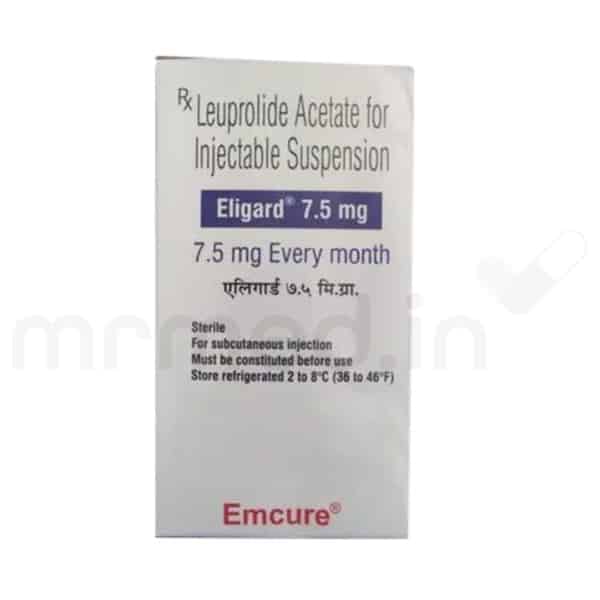
Leuprolide typically needs to be stored in a cool environment. Most labels recommend refrigeration between 2°C and 8°C (36°F to 46°F). However, some formulations can remain stable at room temperature for a short time, usually up to 25°C (77°F).
If you ever find yourself without immediate access to a refrigerator, check the specific instructions on your medication packaging or ask your pharmacist. Storing leuprolide above the recommended temperature can reduce its potency and may affect treatment outcomes.
Packaging And Protection
Leuprolide usually comes in sealed vials or prefilled syringes to protect it from light and moisture. Keep the medication in its original packaging until you are ready to use it. This packaging acts as a barrier, helping maintain the drug’s stability.
Exposure to direct sunlight or humidity can degrade leuprolide. Have you ever noticed that medicine stored near a window loses effectiveness? That’s why keeping leuprolide in a cool, dark place is just as important as refrigeration.
Refrigeration Necessity
Understanding whether Leuprolide needs refrigeration is crucial for maintaining its effectiveness. Improper storage can reduce the medication’s potency, affecting your treatment results. Let’s break down when refrigeration is necessary and when you might not need to keep it cold.
When Refrigeration Is Required
Leuprolide usually comes in forms like injections or implants, and many of these must be stored in the refrigerator. The recommended temperature range is typically between 2°C and 8°C (36°F and 46°F). Keeping it within this range helps preserve the drug’s stability and prevents degradation.
If you leave Leuprolide at room temperature for too long, its effectiveness can decline. For example, if you receive a vial for injection, it’s important to refrigerate it immediately and only take it out shortly before use. This is especially true if the packaging or instructions specify refrigeration.
Exceptions To The Rule
Not all Leuprolide products require refrigeration. Some pre-filled syringes or certain formulations are designed to be stored at room temperature. Always check the specific product’s packaging or consult your pharmacist to confirm storage instructions.
For instance, certain long-acting Leuprolide implants might be stable without refrigeration, making them easier to handle if you travel or don’t have reliable fridge access. Still, it’s wise to avoid exposing these medications to extreme heat or direct sunlight.
Have you checked your medication label recently? Proper storage could make a significant difference in how well your treatment works.

Credit: www.indiamart.com
Handling And Preparation
Handling and preparing Leuprolide correctly is essential to maintain its effectiveness and ensure your safety. Small mistakes during these steps can reduce the medication’s potency or cause discomfort during injection. Let’s look at how to handle Leuprolide before and after use to keep it in the best condition.
Before Use
Check the medication’s appearance first. Leuprolide should be clear and free from particles. If you notice cloudiness or clumps, don’t use it and contact your healthcare provider.
Keep the vial refrigerated until you’re ready to prepare the dose. Removing it just before use helps maintain its stability. Have all your supplies ready: syringe, alcohol swabs, and the medication vial.
Clean your hands thoroughly and wipe the vial’s rubber stopper with an alcohol swab. This reduces the chance of contamination. Draw the exact dose as prescribed, avoiding air bubbles in the syringe to ensure accurate delivery.
After Use
Dispose of the syringe and needle safely in a sharps container. This prevents accidental injury and contamination. Never reuse needles or syringes, even if you feel the dose was small.
If you have leftover Leuprolide in the vial, check if your healthcare provider advised refrigeration after opening. Most often, single-use vials are discarded immediately after use. Storing leftover doses improperly can compromise safety.
Wash your hands again after the procedure. Keeping hygiene at every step reduces infection risks. How often do you check storage instructions before using medications? It’s an easy habit that can save you from complications.
Shelf Life And Expiry
Understanding the shelf life and expiry of Leuprolide is crucial for ensuring its effectiveness and your safety. The medication’s potency can decline if it’s not stored properly, which might lead to reduced treatment benefits. Let’s look closely at how storage affects its lifespan and how you can spot when it’s no longer good to use.
Impact Of Storage Conditions
Leuprolide typically requires refrigeration to maintain its stability. Storing it at room temperature for short periods may be acceptable, but extended exposure to heat or light can degrade the medication.
If you leave Leuprolide out of the fridge for too long, its chemical structure can break down. This breakdown reduces its ability to work as intended, which could affect your treatment outcomes.
Have you ever noticed how some medicines lose their effectiveness after improper storage? This is why sticking to the recommended refrigeration guidelines is essential. Always check the storage instructions on the packaging or ask your pharmacist if you’re unsure.
Signs Of Degradation
How can you tell if your Leuprolide has gone bad? Watch for changes in color or clarity; the solution should be clear and free from particles.
If you see cloudiness, discoloration, or any visible sediment, it’s a strong indication that the medicine has degraded. Using degraded Leuprolide can be risky and might not provide the therapeutic effects you need.
Another sign to look out for is the expiration date printed on the vial or packaging. Even if stored properly, using Leuprolide past its expiry date is not advisable because the manufacturer cannot guarantee its safety or effectiveness beyond that point.
Credit: www.mrmed.in
Tips For Safe Storage
Storing Leuprolide correctly is crucial to maintain its effectiveness and safety. Mishandling this medication can reduce its potency, potentially impacting your treatment. Let’s look at practical tips that help you keep Leuprolide stable and safe in your home.
Avoiding Temperature Fluctuations
Leuprolide should be kept consistently refrigerated, ideally between 2°C and 8°C (36°F and 46°F). Avoid placing it near the freezer compartment or the fridge door, where temperature changes are frequent.
Think about your daily routine: do you often open your fridge multiple times? Frequent temperature swings can degrade the medication. Using a thermometer inside your fridge can help you monitor and maintain the right temperature.
If you must travel with Leuprolide, consider an insulated cooler bag with ice packs. Have you ever faced a situation where your medication got too warm? Planning ahead can prevent damage and ensure your treatment remains effective.
Proper Disposal
Expired or unused Leuprolide should never be thrown directly into household trash or flushed down the toilet. These methods can harm the environment or pose risks to others.
Check if your local pharmacy or hospital offers a medication take-back program. These programs provide a safe way to dispose of unused drugs.
If no take-back options are available, place the medication in a sealed bag, mix it with an undesirable substance like coffee grounds, and then throw it in the trash. This makes it less likely for others to retrieve or misuse it.
Credit: www.goodrx.com
Frequently Asked Questions
Does Leuprolide Require Refrigeration After Opening?
Leuprolide should be refrigerated between 2°C and 8°C (36°F and 46°F). Avoid freezing it. Proper storage maintains its effectiveness and safety.
Can Leuprolide Be Stored At Room Temperature?
Leuprolide can be kept at room temperature for short periods, up to 25°C (77°F). However, long-term storage at room temperature can reduce its potency.
How Long Can Leuprolide Stay Unrefrigerated?
Leuprolide can remain unrefrigerated for up to 7 days if kept below 25°C. Always follow specific storage instructions from your pharmacist or doctor.
What Happens If Leuprolide Is Not Refrigerated?
If Leuprolide is not stored properly, it may lose effectiveness. This can impact treatment outcomes and potentially cause complications.
Conclusion
Leuprolide usually needs to be kept in the refrigerator. This helps keep the medicine stable and effective. Avoid exposing it to heat or freezing temperatures. Always check the label or ask your doctor for storage tips. Proper storage ensures the medicine works well for your treatment.
Keep it out of reach of children. Remember, following storage instructions protects your health and the medicine’s strength. Simple steps make a big difference in your care.